

Many people rely on Espar heaters to stay warm inside trucks, RVs, boats, or work vehicles. These heaters run quietly, use very little fuel, and are trusted in extreme cold. But sometimes, even the best heaters stop working, show error codes, or fail to heat up. When your Espar heater isn’t working right, it’s frustrating—especially if you don’t know where to begin.
This guide is designed to help you troubleshoot Espar heaters step-by-step. You’ll learn how to spot common problems, test parts, and understand error codes. You’ll also see practical examples, helpful tables, and advice that most beginners miss. Whether you’re new to Espar heaters or have used them for years, this article will help you fix problems faster and avoid costly mistakes.

36% off Today’s Exclusive Deals
Limited-time Exclusive Deals. Check current discount on Amazon.
Check Price on Amazon As an Amazon Associate I earn from qualifying purchases.How Espar Heaters Work
Before you start troubleshooting, it helps to know how an Espar heater works. Espar heaters use diesel or gasoline to produce heat. Air or water passes through the heater, gets warmed, and then flows into your vehicle’s cabin or engine. The heater has several key parts:
- Control unit: The “brain” of the heater. It decides when to turn on, off, and adjust the heat.
- Glow plug: Heats up fuel to start burning.
- Combustion fan: Moves air into the heater for burning.
- Fuel pump: Sends fuel from your tank into the heater.
- Heat exchanger: Transfers heat to air or water.
- Sensors: Monitor temperature, flame, and more.
If any part fails, the heater may shut down or show an error code. Understanding these basics makes troubleshooting much easier.
Common Espar Heater Problems
Espar heaters are reliable, but some issues are more common than others. Knowing these helps you find the right fix quickly.
- No heat or weak heat: The heater runs but doesn’t warm up much.
- Heater won’t start: Nothing happens when you turn it on.
- Error codes: The control panel flashes numbers or lights.
- Strange noises: Fans or pumps sound unusual.
- Smoke or smell: White smoke or a fuel smell comes out.
- Heater shuts off early: Starts, then stops before reaching temperature.
Each problem can have several causes. Below, you’ll see how to diagnose each one.
Diagnosing Error Codes
Espar heaters use error codes to tell you what’s wrong. These codes appear as numbers on the control panel or as blinking lights. Here are the most common codes and what they mean:
| Error Code | Problem | Possible Cause |
|---|---|---|
| 10 | No start | Bad glow plug, faulty fuel pump, low voltage |
| 11 | Flame goes out | Blocked exhaust, dirty burner, bad fuel |
| 12 | Overheat | Blocked air intake, bad sensor |
| 13 | Low voltage | Battery weak, wiring problem |
| 14 | Fuel pump error | Bad pump, blocked line |
| 15 | Fan error | Fan blocked or broken |
If you see a code, check the manual for details. Sometimes, codes can mean more than one issue. If you clear the code but the heater shows it again, the problem is still there.
Step-by-step Troubleshooting Guide
Let’s break down how to fix each main problem. Follow these steps in order to save time and avoid missing something important.
1. Heater Won’t Start
If your Espar heater doesn’t turn on, try these checks:
- Check power: Is the battery fully charged? Espar heaters need at least 11.5 volts to start. Use a voltmeter to check.
- Inspect fuses: Find the fuse box and look for blown fuses. Replace any that are bad.
- Look for loose wires: Wiggle connectors and wires. If the heater starts, you have a loose connection.
- Check the control panel: Sometimes the panel itself fails. Try pressing the reset button or unplugging it for one minute.
2. Heater Runs But No Heat
If the heater runs but doesn’t heat up, check these:
- Air intake and exhaust: Are they blocked by snow, mud, or leaves? Clear any blockage.
- Fuel supply: Is there enough fuel in the tank? Is the fuel line kinked or blocked?
- Glow plug: If the plug is dirty or old, it won’t heat the fuel properly. Remove and clean it, or replace if needed.
- Heat exchanger: Sometimes soot builds up inside. Clean with a brush or compressed air.
3. Error Codes And Faults
Error codes point to specific problems. Use the table above to guide your checks. For example:
- If you see Code 13 (Low voltage), check the battery and alternator.
- If you see Code 14 (Fuel pump error), listen for the pump clicking. If silent, replace the pump.
4. Strange Noises
Odd noises usually mean a mechanical issue.
- Fan noise: Remove the cover and spin the fan by hand. If it sticks, clean or replace it.
- Pump clicking: Espar pumps click as they work. If clicks are missing or uneven, the pump might be failing.
- Rattling: This can mean loose parts. Tighten screws and brackets.
5. Smoke Or Smell
White smoke or diesel smell is often caused by:
- Bad fuel: If fuel sits too long, water can mix in. Drain and refill with fresh fuel.
- Dirty burner: Clean soot and carbon from the burner.
- Blocked exhaust: Clear any debris or ice.
6. Heater Shuts Off Early
If your heater starts but stops before reaching the set temperature:
- Overheat sensor: This sensor can fail or get dirty. Clean or replace it.
- Blocked air intake: Not enough air causes overheating. Check and clean the intake.
- Control unit fault: Try resetting or replacing the control unit.

Checking Power And Voltage
Espar heaters need steady power. Low voltage is a top cause of failure, especially in cold weather. Here’s how to check:
- Use a digital voltmeter. Place the leads on the heater’s power input.
- The voltage should be between 12.5V and 13.5V (for 12V systems) when the heater starts.
- If voltage drops below 11.5V, the heater may shut down or show error codes.
If your voltage is low:
- Charge the battery fully.
- Check for corroded terminals.
- Inspect wiring for damage.
- Consider using thicker wires if you have a long cable run.
A common mistake is testing voltage at the battery, not at the heater. Voltage can drop along the wires, so always check right at the heater.
Fuel System Problems
The fuel system is critical. If fuel doesn’t flow, your heater won’t run. Here’s what to do:
- Check fuel filter: Replace if dirty. Blocked filters stop fuel flow.
- Inspect fuel pump: Listen for clicking. If silent, test with a multimeter.
- Clear fuel lines: Look for kinks or blockages.
- Test fuel quality: Water or old diesel can cause problems.
If you use your Espar heater in very cold places, fuel can gel. Add an anti-gel additive in winter. Some owners forget this and face sudden heater shutdowns.
Cleaning And Maintenance
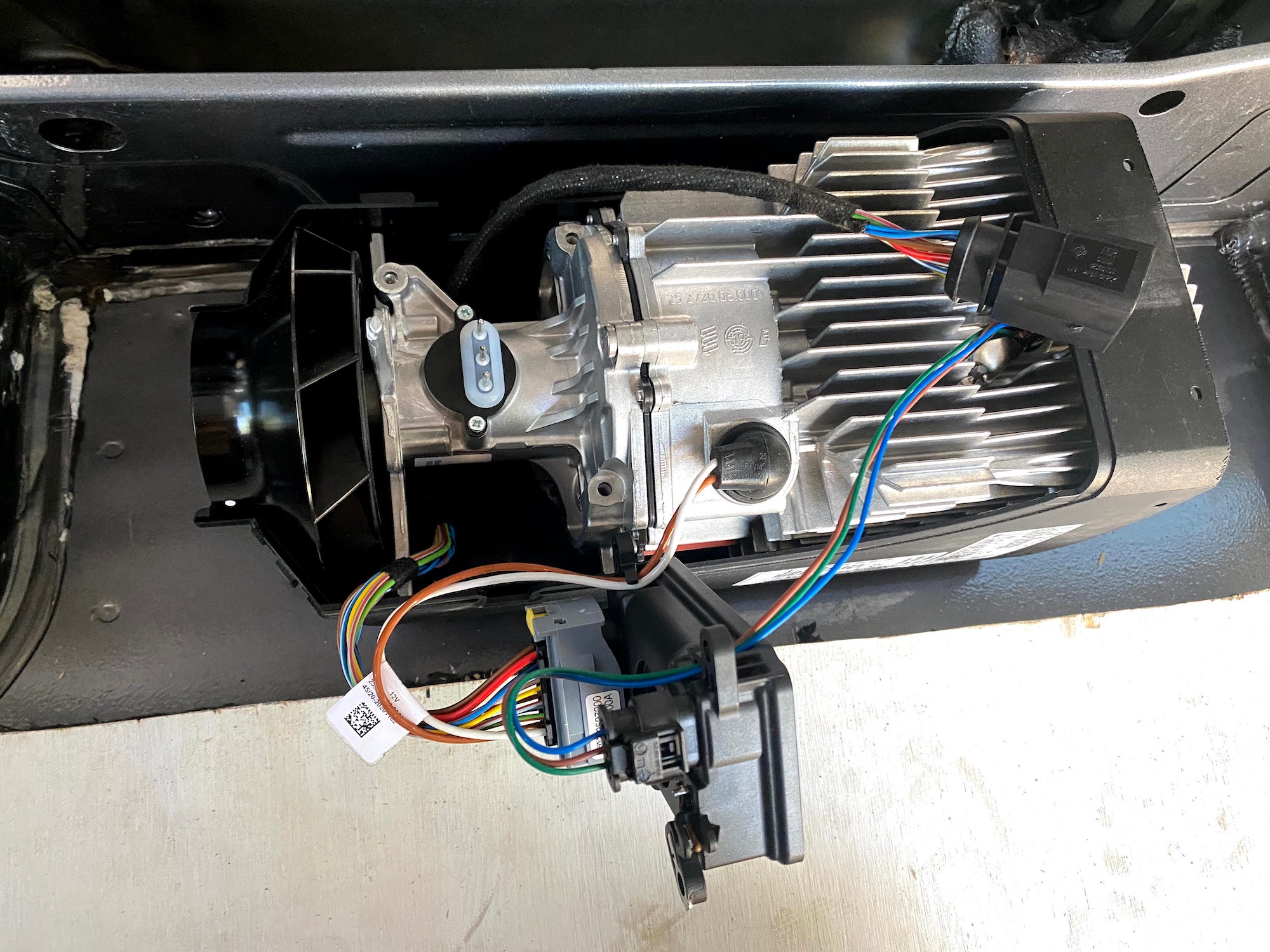
Regular maintenance prevents most problems. Clean your heater every 6–12 months, depending on use.
- Remove the cover and inspect for soot, dust, or dirt.
- Clean the glow plug and burner with a wire brush.
- Use compressed air to clear fans and heat exchangers.
- Check all seals and gaskets for leaks.
If you run your heater every day, clean it more often. Many beginners overlook cleaning, but it makes a big difference in performance.
Comparing Espar Heater Models
Different Espar heaters have different troubleshooting needs. Here’s a quick comparison of popular models:
| Model | Fuel Type | Heat Output | Common Problems |
|---|---|---|---|
| Airtronic D2 | Diesel | 2 kW (6,800 BTU) | Glow plug, air intake, low voltage |
| Airtronic D4 | Diesel | 4 kW (13,600 BTU) | Fuel pump, fan, overheat sensor |
| Hydronic M10 | Diesel | 10 kW (34,000 BTU) | Water sensor, control unit, fuel filter |
Knowing your model helps you find the right parts and manuals. If you aren’t sure, check the label on the heater or your vehicle paperwork.
Advanced Troubleshooting Tips
Sometimes, simple fixes don’t work. Here are advanced tips for stubborn problems:
- Reset the control unit: Unplug for 1–5 minutes, then plug back in. This clears many faults.
- Test sensors: Use a multimeter to check temperature and flame sensors. Replace if readings are off.
- Check relays: Faulty relays can block power or fuel. Listen for clicking when the heater starts.
- Use diagnostic tools: Some Espar models allow connection to a laptop or diagnostic scanner. These tools show real-time data and error codes.
Many beginners forget to check relays and sensors, focusing only on fuel or power. These small parts can cause big problems.
Real-world Example: Fixing A No-start Issue
Let’s say your Espar Airtronic D2 won’t start. Here’s how you might fix it:
- Check voltage at the heater: It reads 11.0V—too low.
- Charge the battery. Now voltage is 12.8V.
- Try starting the heater. Still nothing.
- Inspect fuses. All good.
- Listen for the fuel pump. No clicking.
- Test the pump with a multimeter. It’s dead.
- Replace the pump. Heater starts up and works.
This step-by-step process helps you avoid guessing and wasting time. Always start with power, then move to fuel and sensors.
Espar Heater Maintenance Costs
Maintenance costs depend on use and model. Here’s an average breakdown:
| Maintenance Task | Frequency | Average Cost |
|---|---|---|
| Glow plug cleaning/replacement | 6–12 months | $25–$60 |
| Fuel filter replacement | 12 months | $10–$25 |
| Fan cleaning | 12 months | $0 (DIY) |
| Control unit reset/replace | 2–3 years | $100–$250 |
Doing regular maintenance yourself can save money and prevent breakdowns. If you need parts, buy from official sources to avoid fake or low-quality items.
Safety Tips For Troubleshooting
When working with Espar heaters, safety is key. Here are important reminders:
- Always turn off the heater and disconnect power before opening it.
- Work in a well-ventilated area.
- Wear gloves and eye protection—some parts get very hot.
- If you smell gas or see smoke, stop and check for leaks.
- Never use water to clean electrical parts.
Many beginners ignore safety, but accidents are rare if you follow these steps.
When To Call A Professional
Some problems are too complex or risky for DIY. Call a certified technician if:
- The heater shows repeated error codes you can’t fix.
- There’s a fuel leak or strong smell you can’t find.
- You need to replace major parts (like the control unit or heat exchanger).
- You aren’t comfortable with electrical tests.
Professional help costs more but can prevent damage or injury. If your heater is under warranty, always use authorized service.
Tips For Preventing Future Problems
To keep your Espar heater running well:
- Run the heater regularly, even in summer. This keeps parts moving and prevents buildup.
- Use high-quality fuel and add anti-gel in cold weather.
- Clean air intake and exhaust often.
- Check battery voltage before long trips.
- Schedule maintenance every year.
One non-obvious tip: If you store your vehicle for months, disconnect the battery to avoid slow drain and low voltage. Also, note that running your heater at full power for 20–30 minutes after cleaning helps burn off any remaining soot.
Where To Find Manuals And Parts
For detailed guides, parts lists, and wiring diagrams, visit the official Espar website. Manuals are available for each model. For trusted parts and troubleshooting, use sources like Espar Official. Avoid buying parts from unknown sellers, as fake parts cause more problems.
Frequently Asked Questions
What Does White Smoke From My Espar Heater Mean?
White smoke usually means bad fuel or a dirty burner. If the fuel has water or is old, replace it. Clean the burner to remove soot. If smoke continues, check for blocked exhaust.
How Often Should I Clean My Espar Heater?
Clean your heater every 6–12 months. If you use it daily or in dusty areas, clean more often. Regular cleaning prevents most breakdowns and improves heating.
Why Does My Heater Shut Off Before Reaching Temperature?
Early shutdown is often caused by a blocked air intake, overheat sensor fault, or control unit problems. Clean the intake, test the sensor, and reset the control unit. If it keeps happening, call a technician.
Can I Use Gasoline In A Diesel Espar Heater?
No. Using the wrong fuel can damage your heater and create safety risks. Always check your model’s fuel type and use only diesel or gasoline as recommended.
Is It Safe To Fix My Espar Heater Myself?
Basic fixes like cleaning, checking fuses, or replacing a glow plug are safe for most people. For wiring, fuel leaks, or major parts, call a professional. Always disconnect power before starting any repair.
Espar heaters are trusted by drivers, RV owners, and boaters worldwide. With the right troubleshooting steps, you can fix most problems yourself and stay warm even in the coldest weather. Remember to check power, fuel, and sensors first, and keep your heater clean for best results.
If you need help, manuals and professional service are always available. By following these tips, your Espar heater will keep running smoothly for years.

