

A Raypak pool heater is a reliable way to keep your pool water warm and comfortable. But like any machine, even the best pool heater can run into problems. When your heater won’t start, isn’t heating properly, or shows error codes, it can ruin your pool plans. The good news? Many issues have simple solutions you can handle yourself.
This guide walks you through step-by-step Raypak pool heater troubleshooting. You’ll learn how to identify common problems, fix them, and know when to call a professional. With the right approach, you can save money, avoid unnecessary downtime, and keep your pool ready for use.

36% off Today’s Exclusive Deals
Limited-time Exclusive Deals. Check current discount on Amazon.
Check Price on Amazon As an Amazon Associate I earn from qualifying purchases.Understanding Your Raypak Pool Heater
Before you start troubleshooting, it helps to know a bit about how your heater works. Raypak makes both gas and electric pool heaters. Most residential models are gas-powered, using either natural gas or propane to heat water as it flows through the system.
Main components include:
- Control panel: Where you set the temperature and see error codes.
- Thermostat: Measures pool water temperature and signals the heater to turn on/off.
- Ignition system: Starts the burner using electronic ignition or a pilot light.
- Heat exchanger: Transfers heat from burning gas to the water.
- Sensors and switches: Ensure safe operation by monitoring pressure, temperature, and airflow.
Knowing these parts helps you pinpoint problems and communicate clearly if you need service.
Common Raypak Pool Heater Problems
Many heater problems are easy to recognize. Here are issues pool owners face most often:
- Heater won’t turn on
- Heater turns on but doesn’t heat
- Heater cycles on and off
- Error codes on the display
- Strange noises or smells
- Soot or rust around exhaust
- Heater leaks water
Each symptom points to different causes. Let’s look at each one in detail and walk through solutions.

Heater Won’t Turn On
If your Raypak heater is completely unresponsive, start here.
Basic Checks
- Power supply: Make sure the heater is plugged in (for electric models) and that the circuit breaker is not tripped.
- Gas supply: For gas models, check if the main gas valve is open.
- Pool pump: The heater won’t run if the pool pump isn’t on. Make sure water is flowing.
- Thermostat setting: Set the heater at least 2–4°F above your current pool temperature.
Safety Switches And Fuses
Raypak heaters have safety switches that shut off power if something is wrong:
- Pressure switch: Senses water flow. If water isn’t moving, the heater stays off.
- High-limit switch: Trips if water gets too hot.
If these switches trip, the heater won’t start. Listen for clicks or check for a small reset button on some models.
Control Panel Issues
Look for blank screens or error messages. Sometimes, a simple reset (turning power off and on) can fix small electronic glitches.
Non-obvious Insight
Many owners overlook that a dirty pool filter can cause the heater not to turn on. If water flow is too low, the pressure switch won’t activate. Try cleaning or backwashing your filter.
Heater Turns On But Doesn’t Heat
The heater runs, but your pool stays cold. This usually means a problem with heating performance.
Low Gas Pressure Or Supply
- Check gas supply: Make sure the gas valve is fully open.
- Inspect for leaks: Smell for gas leaks (rotten egg odor). If you suspect a leak, turn off the gas and call a professional.
- Propane tanks: Ensure the tank isn’t empty.
Dirty Burner Or Heat Exchanger
Over time, soot or debris can clog the burner or heat exchanger, preventing efficient heating.
- Visual check: Turn off power and gas, then open the heater cabinet. Look for black soot, rust, or spider webs.
- Clean gently: Use a soft brush or vacuum. Never use water on electrical parts.
Sensor Or Thermostat Issues
A faulty temperature sensor or thermostat can prevent heating.
- Test the sensor: If the display shows wild temperature swings, the sensor may need replacement.
- Check settings: Make sure the heater is set to pool mode, not spa mode, if you have both.
Non-obvious Insight
If your pool heater uses an automatic bypass valve, a stuck or broken valve can send water around the heater instead of through it. Make sure valves are open and functioning.
Heater Cycles On And Off (short Cycling)
Short cycling means the heater starts, then quickly shuts off before reaching the set temperature. This can wear out parts and waste energy.
Possible Causes
- Dirty filter or pump basket: Low water flow is the top cause. Clean both.
- Improper water chemistry: Scale buildup inside the heat exchanger can cause overheating and trigger safety shutoff.
- Faulty pressure switch or flow sensor: These parts may fail with age.
What To Do
- Clean the filter and pump basket.
- Check and adjust water chemistry (keep pH 7.4–7.6, alkalinity 80–120 ppm).
- Inspect the heat exchanger for scale or corrosion.
- Test the pressure switch with a multimeter or replace if needed.
Non-obvious Insight
Many pools have variable-speed pumps. If you run the pump too slow, the heater may not detect enough flow and will turn off. Try increasing your pump speed during heating.
Error Codes On The Display
Raypak pool heaters display error codes to help you find problems faster. These codes vary by model, but here are some common ones:
| Error Code | Meaning | What to Check |
|---|---|---|
| ERR1 | High limit | Heat exchanger blockage, water flow |
| ERR2 | Pressure switch | Pump, filter, water flow |
| ERR3 | Ignition failure | Gas supply, igniter, flame sensor |
| ERR4 | Flame rollout | Vent blockage, burner |
Always check your heater’s manual for model-specific codes.
Resetting After An Error
Most errors clear after fixing the cause and cycling power. If errors return, a part may need replacement.
When To Call A Pro
If you see repeated errors or anything related to gas, ignition, or flame rollout, it’s safest to call a licensed technician.
Strange Noises Or Smells
Odd sounds or smells usually mean something needs attention.
Popping Or Banging Sounds
- Scale buildup: Hard water minerals cause popping as water boils inside the heat exchanger.
- Solution: Descale the heater with a professional cleaning solution.
Whistling Or Hissing
- Gas leaks: Hissing can be a sign of a gas leak. If you smell gas, turn off the heater and call for help immediately.
- Water leaks: Whistling can also mean water is spraying onto hot surfaces.
Burning Smell
- Soot or debris: Dust or debris in the burner can cause a burning smell on startup.
- Solution: Clean the inside of the cabinet and burners.
Non-obvious Insight
Some pool covers can trap heat and cause excess humidity, leading to condensation inside the heater. This can create odd smells or even rust. Allow the heater to dry out by running it with the cabinet open (power off first).
Soot Or Rust Around The Exhaust
Seeing black soot or orange rust near the heater’s exhaust means incomplete combustion or corrosion.
Soot
- Caused by: Blocked burners, low air supply, or incorrect gas pressure.
- Fix: Clean the burner and ensure nothing blocks the vent. Check for proper gas pressure.
Rust
- Caused by: Condensation, poor ventilation, or old age.
- Fix: Inspect for water leaks and improve drainage around the heater.
When To Worry
Soot means the heater is not burning fuel cleanly. This can produce dangerous carbon monoxide. If soot builds up quickly, stop using the heater and have it inspected.
Heater Leaks Water
A leaking heater is a sign of a serious issue.
Common Leak Sources
- Heat exchanger: Cracks from freeze damage or corrosion.
- Pipe fittings: Loose connections at the heater inlet/outlet.
- Condensation: Small drips can be normal in humid weather, but steady leaks are not.
Steps To Take
- Turn off the heater and pool pump.
- Check all pipe fittings for tightness.
- Inspect inside the heater cabinet for signs of rust or water stains.
- If the heat exchanger leaks, replacement is the only fix.
Non-obvious Insight
Many leaks appear after winter startup. Always winterize your heater properly—drain all water before freezing weather to prevent cracks.
Preventive Maintenance Tips
Regular care prevents most heater issues. Here’s how to keep your Raypak heater in top shape.
- Clean the filter: Every 1–2 weeks during pool season.
- Check water chemistry: Poor balance causes corrosion or scale.
- Inspect for debris: Keep the heater cabinet free of leaves, dirt, and insects.
- Annual service: Have a pro check the burner, heat exchanger, and safety switches.
- Winterize: Drain the heater before freezing weather.
Comparing Raypak Pool Heater Models
Choosing the right Raypak heater affects troubleshooting and maintenance. Here’s a quick comparison of popular models:
| Model | Fuel Type | Ignition | Display Type | Best For |
|---|---|---|---|---|
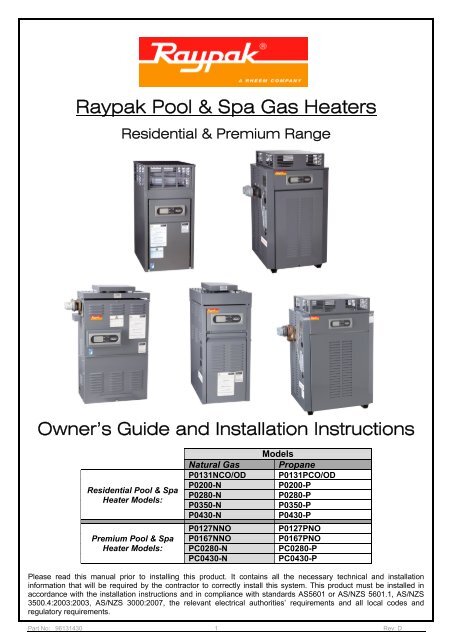
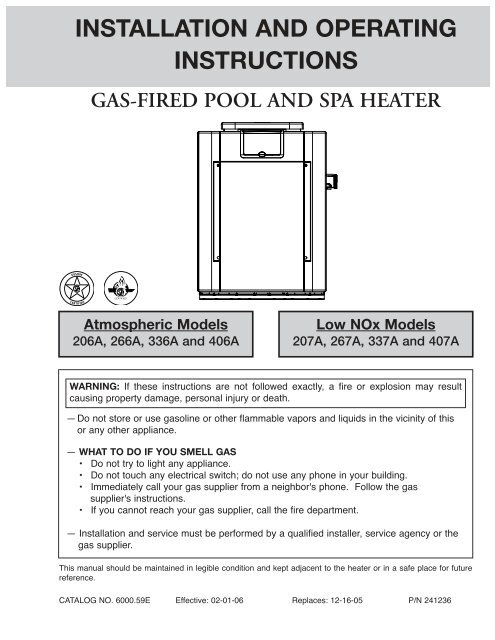
| Raypak 206A | Natural Gas/Propane | Electronic | Digital | Medium pools (up to 20,000 gal) |
| Raypak 406A | Natural Gas/Propane | Electronic | Digital | Large pools (over 20,000 gal) |
| Raypak PR156A | Natural Gas/Propane | Millivolt | Analog | Small pools/spas |
Knowing your model helps you find the right parts and interpret error codes.
When To Call A Professional
Some pool heater issues are best left to experts:
- Gas leaks or strong gas smell
- Repeated ignition failures
- Major leaks or rust inside the cabinet
- Electrical faults or blown fuses
- Persistent error codes after resetting
Attempting DIY repairs on gas or electrical parts can be dangerous. A trained technician has the right tools and knowledge to fix these safely.
If your heater is under warranty, using a licensed pro is often required to keep your coverage.
How To Read The Raypak Heater Manual
Every Raypak heater comes with a detailed manual. This is your best resource for model-specific troubleshooting. You can find digital copies on the official Raypak website or request one from your installer.
Key sections to look for:
- Error code chart
- Wiring diagram
- Maintenance schedule
- Replacement parts list
Bookmark these pages for quick reference.
Useful Tools For Troubleshooting
Having the right tools makes heater troubleshooting faster and safer:
- Multimeter: For testing fuses, switches, and sensors.
- Screwdrivers/nut drivers: To open the heater cabinet.
- Brush or vacuum: For cleaning burners and compartments.
- Water test kit: Essential for checking pool chemistry.
- Flashlight: To see inside the cabinet.
Most simple problems can be fixed with these basic tools.
Raypak Pool Heater Troubleshooting: Quick Reference
Here’s a summary to guide you through the most common problems and what to check:
| Problem | Possible Cause | Quick Solution |
|---|---|---|
| Won’t turn on | No power, tripped switch, pump off | Check breaker, pump, reset switches |
| No heat | Gas supply, dirty burner, faulty thermostat | Check gas, clean burner, replace sensor |
| Short cycling | Low flow, dirty filter, sensor issue | Clean filter, check flow, replace sensor |
| Error code | Varies | See manual, reset, call pro if needed |
| Leaks | Heat exchanger, fittings, condensation | Tighten fittings, inspect exchanger |
Keep this table handy for quick diagnosis.
Safety Tips For Pool Heater Owners
Heaters combine water, gas, and electricity. Always put safety first:
- Turn off power and gas before opening the cabinet.
- Never block the exhaust vent or airflow.
- Do not use the heater if you smell gas—leave the area and call for help.
- Read the manual before trying repairs.
- Keep children and pets away during troubleshooting.
Some pool owners forget that small animals (like mice or insects) can nest inside the heater and cause electrical shorts or blockages. Inspect the cabinet before firing up the heater each season.
Frequently Asked Questions
Why Does My Raypak Pool Heater Keep Shutting Off?
The most common reasons are low water flow (dirty filter or pump basket), scale buildup in the heat exchanger, or a faulty pressure switch. Make sure water is moving well and check for error codes. If problems continue, a technician should check for deeper issues.
How Do I Reset My Raypak Pool Heater?
Turn off the power using the main switch or breaker, wait 30 seconds, then turn it back on. This clears minor electronic glitches. For persistent error codes, fix the cause first. Resetting without fixing the problem won’t help.
What Is The Lifespan Of A Raypak Pool Heater?
With good maintenance, most Raypak heaters last 8–12 years. Hard water, poor chemistry, or neglect can shorten this lifespan. Annual servicing and regular cleaning help extend the heater’s life.
Can I Run My Pool Heater With The Pool Cover On?
Yes, using a pool cover keeps heat in and reduces energy costs. But don’t cover the heater itself. Make sure the heater cabinet and exhaust vent have good airflow to prevent overheating or condensation damage.
Where Can I Find More Information About My Raypak Heater?
For detailed manuals, error code charts, and technical support, visit the Raypak official website. They offer guides for every model and tips for safe operation.
Keeping your pool warm should be simple and stress-free. With these troubleshooting steps, you can solve most Raypak pool heater issues yourself. Regular maintenance prevents many problems before they start. If you ever feel unsure, don’t hesitate to call a professional—your safety comes first. This way, you can enjoy your pool in comfort all season long.

