

If your hot water suddenly stops working, it can turn a normal day into a stressful one—especially if you rely on an Ecosmart water heater for showers, dishes, or laundry. While Ecosmart heaters are popular for their energy efficiency and long-term savings, they are not immune to issues. Understanding how to troubleshoot your unit can save you time, money, and unnecessary cold showers. This guide will walk you through the most common problems, offer practical solutions, and highlight when it’s time to call a professional. Whether you have an Ecosmart ECO 11, ECO 18, or another model, you’ll find tips to restore hot water and peace of mind.
Understanding Your Ecosmart Water Heater
Before you start fixing problems, it’s helpful to know how Ecosmart water heaters work. These units are tankless, meaning they heat water only when you need it. Instead of storing hot water, they use electric heating elements to warm up the water instantly as it passes through the unit. This design saves energy and space but also means troubleshooting differs from traditional tank models.

36% off Today’s Exclusive Deals
Limited-time Exclusive Deals. Check current discount on Amazon.
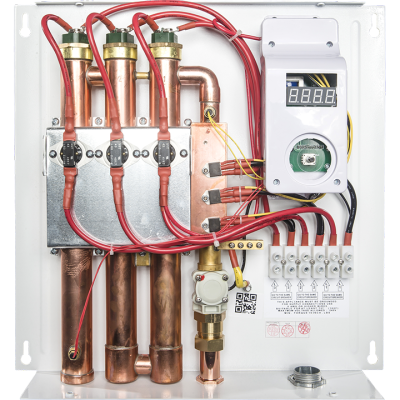
Check Price on Amazon As an Amazon Associate I earn from qualifying purchases.The main components include:
- Digital temperature controller: Lets you set your desired water temperature.
- Heating elements: Electric coils that heat the water.
- Flow sensor: Detects water flow to activate heating.
- Thermostat: Monitors and maintains the set temperature.
- PCB (Printed Circuit Board): Controls system functions.
Ecosmart units also have safety features like thermal cut-off and error codes for easier diagnosis. Recognizing how these parts work together helps you pinpoint issues faster.
Common Ecosmart Water Heater Problems
Most Ecosmart issues fit into a few main categories. If you know which symptoms to look for, you can often fix the problem quickly.
1. No Hot Water
This is the most reported problem. You open the tap, but only cold water comes out.
Possible causes:
- Power supply issue
- Tripped circuit breaker
- Faulty heating element
- Incorrect temperature setting
- Flow rate too low (unit doesn’t activate)
2. Water Not Hot Enough
Water is warm, but not as hot as you want.
Possible causes:
- Temperature set too low
- Inlet water is extremely cold
- One or more heating elements not working
- Too much water flow (overwhelms the heater)
3. Water Is Too Hot
Scalding water from the tap can be dangerous.
Possible causes:
- Temperature set too high
- Faulty thermostat
- Sensor malfunction
4. Error Codes On Display
Ecosmart units show error codes to help identify problems. Common codes include E1, E2, E3, and E5.
5. Water Heater Leaks
Even tankless units can develop leaks, usually from connections or internal seals.
6. Unit Turns On And Off Rapidly (short Cycling)
Heater switches on and off quickly, which can reduce its lifespan and performance.
7. Strange Noises
Buzzing, humming, or clicking noises can signal electrical or mechanical issues.

Safety First: What To Do Before Troubleshooting
Before you open your Ecosmart water heater, safety should be your main concern.
- Turn off power at the breaker panel. Ecosmart units use high voltage—never work on them while they’re live.
- Let water cool before touching plumbing connections.
- Read the user manual for model-specific warnings.
- Wear rubber gloves if you’re dealing with water and electricity.
If you’re unsure or feel uncomfortable, it’s best to call a licensed electrician or plumber.
Basic Troubleshooting Steps
Let’s get into solutions for the most common Ecosmart water heater issues.
Power And Display Issues
If your heater is completely unresponsive (no lights, no heat), start with the basics:
- Check the circuit breaker: Has it tripped? If yes, reset it. If it trips again immediately, you may have a wiring issue or a short.
- Inspect the power supply: Confirm the unit is plugged in and receiving power. Use a multimeter to test voltage at the terminals.
- Examine the display: If the digital screen is blank or flickering, the PCB (circuit board) or display panel might be faulty.
No Hot Water
If cold water is all you get:
- Check temperature setting: Make sure the unit is set to your desired temperature (usually 105–120°F for most homes).
- Test flow sensor: Open the tap fully. If the flow is too low (below 0.25 GPM for some models), the heater won’t activate. Try running a different faucet.
- Inspect heating elements: Use a multimeter to check for continuity in the heating elements. If one is dead, it must be replaced.
- Look for error codes: The display may show a code (e.g., E1 or E5), which can indicate the cause.
Water Not Hot Enough
When the water is lukewarm:
- Increase temperature setting: Raise the set temperature in small steps (no more than 5°F at a time).
- Check incoming water temperature: In winter, groundwater can be much colder, reducing output temperature. Try reducing water flow for hotter output.
- Test heating elements: One failed element means the unit can’t heat water as quickly.
- Clean inlet filter: Sediment can block water flow, affecting performance.
Water Too Hot
If you’re getting scalding water:
- Lower the temperature setting: Drop it to a safe level (usually 120°F).
- Check thermostat and sensors: Faulty sensors can send the wrong signal, causing overheating.
- Inspect for error codes: Codes like E3 may relate to temperature sensor issues.
Error Codes
Ecosmart error codes are helpful guides. Here’s a quick reference:
| Error Code | Meaning | Action |
|---|---|---|
| E1 | Inlet thermistor error | Check sensor connection or replace sensor |
| E2 | Outlet thermistor error | Inspect and replace outlet sensor |
| E3 | High temperature | Reduce set temp, check thermostat |
| E5 | Water flow issue | Clean filter, check flow sensor |
Always consult your model’s manual for a complete list. Some codes clear after you fix the issue, while others need a reset (turn power off, then back on).
Water Heater Leaks
Leaks in a tankless heater often come from:
- Loose inlet/outlet connections
- Cracked internal pipes or seals
- Faulty pressure relief valve
What to do:
- Tighten fittings gently—don’t overtighten, as this can cause cracks.
- Replace worn washers or seals.
- If the leak is internal, call a professional. Opening the sealed unit can void the warranty.
Short Cycling (rapid On/off)
If your heater turns on and off quickly:
- Check water flow: Low flow can trigger rapid cycling. Clean the inlet filter.
- Inspect the flow sensor: A faulty sensor may detect false starts.
- Check for electrical surges: Inconsistent power supply can cause the unit to reset.
Strange Noises
All water heaters make some noise, but loud buzzing or clicking isn’t normal.
- Humming: Loose electrical connections.
- Clicking: Relays activating—normal, but constant clicking may indicate a stuck relay.
- Buzzing: Faulty heating element or transformer.
If noises are loud or persistent, turn off the unit and call for service.
Advanced Troubleshooting: When The Basics Don’t Work
Some issues require a bit more technical skill and tools. If you’re comfortable and have the right equipment, try these steps.
Testing Heating Elements
Use a multimeter to check the resistance of heating elements. For most Ecosmart models, the element should read between 7–13 ohms. If it shows infinite resistance, the element is broken.
Checking The Flow Sensor
A dirty or stuck flow sensor can prevent activation. Turn off water and power, then remove and clean the sensor with vinegar or a soft brush. Reinstall and test.
Inspecting The Pcb (circuit Board)
If you see burn marks, swollen capacitors, or a burnt smell, the PCB may be damaged. This often requires factory repair or replacement.
Resetting The Unit
Sometimes a simple reset solves many problems:
- Turn off power at the breaker for 5 minutes.
- Turn back on and check if the error clears.
If the problem returns, further investigation is needed.
When To Call A Professional
While many problems are DIY-friendly, some require expert help.
- Persistent leaks inside the unit
- Electrical smells or visible sparks
- Repeated error codes that won’t clear
- No power despite a working outlet
- Installation of new parts requiring wiring
Handling high-voltage components can be dangerous. In these cases, contact a licensed plumber or electrician with Ecosmart experience.
Maintenance Tips To Prevent Problems
Regular maintenance can prevent most Ecosmart water heater issues.
- Clean the inlet water filter every 6–12 months, or more often in areas with hard water.
- Descale heating elements annually to remove mineral buildup. Use white vinegar or a commercial descaler.
- Check all electrical connections for tightness and signs of corrosion.
- Inspect for leaks at all joints and connections.
- Test temperature settings each season, adjusting for changes in water supply temperature.
These simple tasks help your unit last longer and run more efficiently.
Comparison: Ecosmart Vs. Other Tankless Brands
Choosing the right tankless heater is important. Here’s how Ecosmart compares with other popular brands:
| Feature | Ecosmart | Rheem | Stiebel Eltron |
|---|---|---|---|
| Warranty | Lifetime (limited) | 5–12 years | 7 years |
| Digital Controls | Yes | Some models | Yes |
| Self-Modulating Tech | Yes | Yes | Yes |
| Price Range | $$ | $$$ | $$$ |
| Customer Support | Good | Excellent | Good |
Ecosmart stands out for its lifetime warranty and affordable price, but some users find the controls less intuitive than higher-end brands.
Non-obvious Troubleshooting Insights
Some Ecosmart problems aren’t obvious, especially for first-time users. Here are two insights that often go overlooked:
1. Voltage Drops Can Mimic Heater Failures
If your home has old wiring or shares circuits with large appliances, voltage drops can cause your heater to underperform or shut off. Try running the heater when other appliances (like microwaves or dryers) are off. Use a multimeter to check voltage at the unit—should be steady and within 5% of the rated value.
2. Municipal Water Pressure Changes
City water pressure can fluctuate—especially at night or during repairs. If the flow drops below the unit’s activation threshold, the heater won’t turn on. Installing a pressure-boosting pump or adjusting faucet flow can help.
Troubleshooting By Model: Ecosmart Eco 11, 18, 27
Some issues are more common in specific models. Here’s a quick reference:
| Model | Common Issue | Solution |
|---|---|---|
| ECO 11 | Underpowered for large homes | Reduce flow; install in small spaces only |
| ECO 18 | Short cycling with low flow fixtures | Clean filters, use higher-flow fixtures |
| ECO 27 | Element burnout in hard water areas | Descale regularly; use water softener |
Always match your unit size to your household’s hot water needs for best performance.
Warranty And Support: What To Expect
Ecosmart offers a lifetime limited warranty on many residential units, but this often only covers parts (not labor) and requires professional installation. Keep your purchase proof and installation records. If you need parts or support, contact Ecosmart directly or visit their official website.
Frequently Asked Questions
Why Is My Ecosmart Water Heater Not Turning On?
This can be due to a tripped breaker, faulty wiring, or a problem with the display or PCB. Always check power supply and circuit breaker first. If these are fine, check for error codes or call a professional.
How Often Should I Descale My Ecosmart Water Heater?
In areas with hard water, descale the unit every 6–12 months. Mineral buildup reduces efficiency and can damage the heating elements. Use white vinegar or a recommended descaler.
What Does “e5” Error Mean On My Ecosmart Heater?
E5 usually means a water flow issue. This could be a blocked inlet filter, a stuck flow sensor, or low water pressure. Clean the filter and check that your water flow meets the minimum requirement.
Can I Install An Ecosmart Water Heater Myself?
While some DIYers install these units, Ecosmart recommends professional installation for safety and to maintain the warranty. Incorrect wiring or plumbing can lead to damage or injury.
Is It Normal For My Ecosmart Heater To Make Noise?
Some clicking is normal when the unit turns on or off. Loud buzzing or constant humming can signal a loose connection or failing part. If noises are unusual or persistent, turn off the unit and get it checked.
If you stay attentive to your Ecosmart water heater’s signals and follow these troubleshooting steps, you can enjoy years of reliable hot water. Regular maintenance and quick response to problems are the keys to trouble-free operation. If you ever feel unsure or the issue seems beyond your expertise, professional help is just a call away—protecting both your investment and your safety.


