

If you own a Camplux water heater, you probably love the comfort and hot water it provides—until something goes wrong. When your water heater stops working, daily routines can quickly become stressful. Many Camplux water heater issues look complicated, but with the right guidance, you can often fix them yourself without calling a technician. This article explains the most common Camplux water heater problems and offers step-by-step troubleshooting. You’ll also learn how to prevent future issues and know when to seek professional help.
Understanding Your Camplux Water Heater
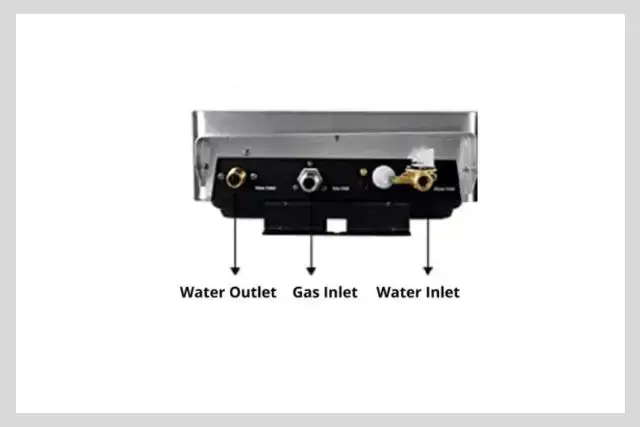
Before fixing any problem, it’s important to understand how your Camplux water heater works. Camplux makes several models, including portable gas, tankless propane, and electric water heaters. Most units use a simple design: water flows through a heat exchanger, which uses gas burners or electric elements to heat the water instantly. A control system manages ignition, temperature, and safety features. Knowing your exact model and its basic parts helps you diagnose problems faster.

36% off Today’s Exclusive Deals
Limited-time Exclusive Deals. Check current discount on Amazon.
Check Price on Amazon As an Amazon Associate I earn from qualifying purchases.Key Components
- Heat Exchanger: Heats water quickly as it passes through.
- Gas Burner or Electric Element: The main heating source.
- Ignition System: Lights the burner in gas models.
- Water Flow Sensor: Detects when water moves through the unit.
- Control Panel: Lets you adjust temperature and settings.
- Sensors & Valves: Ensure safe operation.
Common Camplux Water Heater Problems
Most Camplux water heater issues fall into a few main categories. Recognizing the symptoms makes troubleshooting easier.
- No Hot Water
- Water Not Heating Enough
- Unit Won’t Ignite
- Error Codes on Display
- Fluctuating Water Temperature
- Low Water Pressure
- Gas Smell or Leaks
- Strange Noises
- Dripping or Leaking Water
- Unit Shuts Off Suddenly
Each of these problems has different causes and solutions, which we’ll cover in detail.
Problem 1: No Hot Water
When you turn on the tap and cold water comes out, frustration rises fast. The problem could be with the water heater or your plumbing.
Causes And Fixes
- No Power or Gas: Check if the unit is plugged in (electric models) or if the gas supply is open and full (gas models).
- Tripped Circuit Breaker: Inspect your breaker panel for a tripped switch.
- Low Water Flow: Camplux heaters need a minimum water flow to operate. Open the faucet fully.
- Faulty Ignition: If you hear clicking but no flame, check the battery (for models with battery ignition) or spark igniter.
- Frozen Pipes: In winter, pipes may freeze, stopping water flow. Thaw them safely.
Pro Tip: Always check the simplest things first—power, gas supply, and water flow. Many users overlook these basics.
Problem 2: Water Not Hot Enough
Sometimes, the water is warm but not hot enough for showers or washing dishes.
Causes And Solutions
- Incorrect Temperature Setting: Make sure the control panel is set to your desired temperature (usually 110–120°F is comfortable).
- High Water Flow: Running too much water through the heater can lower output temperature. Try reducing the flow.
- Cold Inlet Water: In winter, incoming water is much colder. The heater may struggle to reach high temperatures.
- Dirty Heat Exchanger: Mineral buildup reduces heating efficiency. Descale the unit if needed.
- Propane Level Low: Low gas pressure means less heat. Check your propane tank or gas supply.
Insight: Most beginners don’t realize that high water flow can cool the water too much. Adjusting flow can make a big difference.

Problem 3: Unit Won’t Ignite
For gas models, ignition failure is a common issue. You might hear clicking, but the burner doesn’t light.
What To Check
- Battery or Power Supply: Many portable units use batteries for ignition. Replace old batteries.
- Gas Supply: Confirm the gas valve is fully open and the tank isn’t empty.
- Air in Gas Line: After changing a propane tank, air can block gas flow. Open and close the faucet a few times to clear it.
- Blocked Burner or Orifice: Dirt, insects, or spider webs can block the burner. Clean these parts gently.
- Faulty Igniter or Electrode: If the igniter doesn’t spark, it may need cleaning or replacement.
Example: One Camplux user found a spider web blocking the gas orifice. After cleaning, the heater worked perfectly.
Problem 4: Error Codes On Display
Many Camplux models show error codes on the display panel. These codes help you find the problem quickly.
Common Error Codes
| Error Code | Meaning | How to Fix |
|---|---|---|
| E1 | Ignition failure | Check gas supply, ignition, and batteries |
| E2 | Flame out | Inspect gas line and water flow |
| E3 | Overheat | Reduce temperature, descale, or clear obstructions |
| E4 | Low water pressure | Increase water flow or check filters |
| E5 | Sensor malfunction | Reset unit or replace sensor |
Always refer to your model’s manual for a full list of codes and specific fixes.
Problem 5: Fluctuating Water Temperature
If your hot water keeps getting hot, then cold, then hot again, it’s more than just annoying—it can indicate a real problem.
Why This Happens
- Inconsistent Water Flow: Most Camplux heaters need steady flow. If your faucet, shower head, or pump causes flow changes, temperature will jump.
- Gas Pressure Fluctuates: An almost-empty propane tank can cause uneven heating.
- Dirty or Clogged Filters: Blocked filters disrupt water flow, leading to temperature swings.
- Thermostat Problems: A faulty temperature sensor can send wrong signals.
Non-Obvious Tip: Small leaks in plumbing or loose connections can cause water flow to drop temporarily, making the heater cycle on and off.
Problem 6: Low Water Pressure
Camplux water heaters require a minimum pressure (usually 2. 5–5 PSI) to operate. Low pressure can prevent ignition or cause error codes.
What To Do
- Check Water Source: Make sure your supply (well, pump, or faucet) is fully open and working.
- Clean Filters and Screens: Sediment can clog inlet filters. Remove and rinse them regularly.
- Inspect Plumbing: Look for kinks or leaks in hoses and pipes.
- Pump May Be Needed: For off-grid or RV use, you might need a small water pump to boost pressure.
Problem 7: Gas Smell Or Leaks
A gas smell is serious. Never ignore it.
Immediate Actions
- Turn Off Gas: Shut the valve immediately.
- Ventilate Area: Open windows and doors to clear fumes.
- Do Not Use Flames or Switches: A spark could ignite gas.
- Check Connections: Use soapy water to check hoses and connections for bubbles (sign of leaks).
- Replace Damaged Parts: Never try to patch or tape a gas leak.
Call a professional if you can’t find or fix the leak. Safety first.
Problem 8: Strange Noises
Clicking, popping, or hissing sounds may come from your Camplux water heater.
Possible Causes
- Mineral Buildup: Hard water leaves scale inside the heat exchanger, causing popping noises.
- Air in System: Air bubbles can make hissing sounds.
- Loose Parts: Vibration can loosen screws or panels.
Tip: Flushing the unit once a year helps prevent noise and extends heater life.
Problem 9: Dripping Or Leaking Water
Water leaks can damage your heater and your home.
Main Reasons
- Loose Connections: Check all fittings for tightness, but don’t overtighten.
- Worn Seals or Gaskets: Rubber parts can wear out over time.
- Cracked Heat Exchanger: Freezing or overheating can crack this part—replacement is the only fix.
Example: A Camplux owner found a leak caused by a simple loose hose clamp—tightening it solved the issue.
Problem 10: Unit Shuts Off Suddenly
If your heater works, then turns off by itself, it’s usually a safety feature.
Causes
- Overheating: The unit turns off to protect itself.
- Low or High Water Pressure: Out-of-range pressure triggers automatic shutdown.
- Sensor or Thermostat Fault: Broken sensors can send false signals.
- Blocked Vent or Exhaust: Poor airflow makes the unit shut down.
Comparison: Electric Vs. Gas Camplux Water Heaters
Choosing the right Camplux model can prevent some problems. Here’s how electric and gas units compare:
| Feature | Electric Model | Gas Model |
|---|---|---|
| Startup Time | Instant | 1–3 seconds (ignition needed) |
| Power Source | Wall outlet | Propane or natural gas |
| Common Problems | Breaker trips, element failure | Ignition, gas leaks, venting |
| Maintenance | Descale, element check | Descale, check gas lines |
| Best Use | Indoors, stable power | Outdoors, off-grid, RV |
Insight: Gas models are more portable, but require more attention to safety and venting.
Step-by-step Troubleshooting Guide
Follow these steps to fix most Camplux water heater issues yourself.
Step 1: Safety First
- Turn off gas and power before opening the unit.
- Let the heater cool down.
- Work in a well-ventilated area.
Step 2: Identify The Problem
- Note any error codes.
- Listen for sounds (clicking, popping, silence).
- Check all displays and indicator lights.
Step 3: Check The Basics
- Is the unit plugged in and turned on?
- Is the gas valve open and tank full?
- Is water flowing at normal pressure?
Step 4: Inspect And Clean
- Remove and rinse inlet filters.
- Check for blockages in hoses or showerheads.
- Open the unit (if safe) and look for dirt, webs, or debris.
Step 5: Test Operation
- Reconnect everything securely.
- Turn on water and set to medium flow.
- Watch and listen as the unit starts.
If the problem continues, consult your manual or contact Camplux support.
Preventive Maintenance Tips
Avoid problems by following these routine maintenance steps:
- Descale Heat Exchanger: Hard water causes mineral buildup. Use a vinegar flush every 6–12 months, especially in areas with hard water.
- Clean Inlet Filters: Remove and rinse filters every few months.
- Check Hoses and Connections: Look for leaks or cracks at least twice a year.
- Test Gas Connections: Use soapy water on fittings to spot leaks.
- Store Safely in Winter: Drain and store the unit in a warm, dry place to prevent freezing.
Tip: Record maintenance dates. Regular care extends your heater’s life and keeps the warranty valid.
When To Call A Professional
Some issues are best left to experts:
- Persistent gas smell after leak checks
- Electrical faults or breaker problems
- Cracked heat exchanger or major internal leaks
- Faulty sensors or circuit boards
Trying to fix these problems yourself can be dangerous or may void your warranty. Don’t hesitate to get help when needed.
Comparison: Camplux Vs. Other Brands
How does Camplux stack up against other popular water heater brands?
| Brand | Main Strength | Common Weakness | Support |
|---|---|---|---|
| Camplux | Portable, affordable, simple design | Water pressure sensitivity | Good manuals, basic support |
| EcoSmart | Efficient, eco-friendly | Higher cost, complex install | Strong phone support |
| Rinnai | High performance, reliable | Expensive, pro install needed | Excellent service network |
| Suburban | Rugged RV models | Heavy, slower heating | Decent support |
Insight: Camplux is a great choice for campers, RV users, and homes needing portable or on-demand hot water, but make sure your water pressure and gas supply are reliable.
Practical Troubleshooting Examples
Example 1: No Hot Water In Winter
A Camplux owner noticed cold water during a winter camping trip. After checking the gas supply and battery, the user found partially frozen water lines. Thawing the hoses and insulating them solved the problem. In cold weather, always check for frozen pipes before blaming the heater.
Example 2: E1 Error Code
After connecting a new propane tank, a user saw an E1 code (ignition failure). The solution was to run water for 30 seconds, allowing air to leave the gas line. The heater then ignited normally.
Example 3: Fluctuating Temperature
A family found their shower water temperature kept changing. Cleaning the shower head and inlet filter restored normal flow, and the heater worked smoothly again.
Useful Resources
If you need more details, Camplux’s official website has user manuals and support contacts. For general water heater advice, the U.S. Department of Energy offers helpful guides on maintenance and efficiency at energy.gov.
Frequently Asked Questions
Why Does My Camplux Water Heater Keep Shutting Off?
This usually happens due to overheating, low water flow, or a sensor problem. Check if the water pressure is too low, clean the filters, and ensure there’s no blockage in the vent or exhaust. If the problem continues, a faulty sensor may need replacement.
How Often Should I Descale My Camplux Water Heater?
It’s best to descale every 6–12 months, especially if you have hard water. Mineral buildup reduces efficiency and can cause noise or error codes.
What Should I Do If I Smell Gas?
Turn off the gas supply immediately, open windows, and do not use any electrical switches or flames. Check all connections with soapy water for leaks. If you can’t find the leak, call a professional right away.
Can I Use My Camplux Heater Indoors?
Most Camplux gas models are designed for outdoor or well-ventilated use. Using them indoors without proper venting can be dangerous. Check your model’s manual for specific instructions.
How Do I Reset My Camplux Water Heater?
Most models have a reset button or process. Turn off the unit, wait 5–10 seconds, and turn it back on. For units with digital controls, consult your manual for the correct reset sequence.
If you follow these troubleshooting steps, most Camplux water heater problems can be fixed easily and safely. Regular maintenance and a bit of know-how will keep your hot water flowing, wherever you are.

