

If you drive a truck or RV, a reliable Espar bunk heater can make cold nights much more comfortable. But when your heater stops working, it’s not just about comfort—it can affect safety and your ability to sleep well on the road. Fixing a heater issue might seem hard if you’re not a mechanic, but many common problems have simple solutions. This guide will show you how to troubleshoot your Espar bunk heater step by step, with clear language, practical advice, and tips to help you avoid bigger problems.
Understanding Espar Bunk Heaters
Before you start troubleshooting, it’s useful to know how an Espar bunk heater works. These heaters use diesel fuel or gasoline from your vehicle’s main tank. They draw in air, mix it with fuel, and ignite it inside a small chamber. The heat created warms the air, which is then pushed into your sleeping area. The heater runs on 12V power from your battery.

36% off Today’s Exclusive Deals
Limited-time Exclusive Deals. Check current discount on Amazon.
Check Price on Amazon As an Amazon Associate I earn from qualifying purchases.There are two main types: air heaters (like the Espar Airtronic D2 or D4) and coolant heaters (like the Hydronic series). Air heaters are more common for bunks and cabins, while coolant heaters are often used for engine pre-heating.
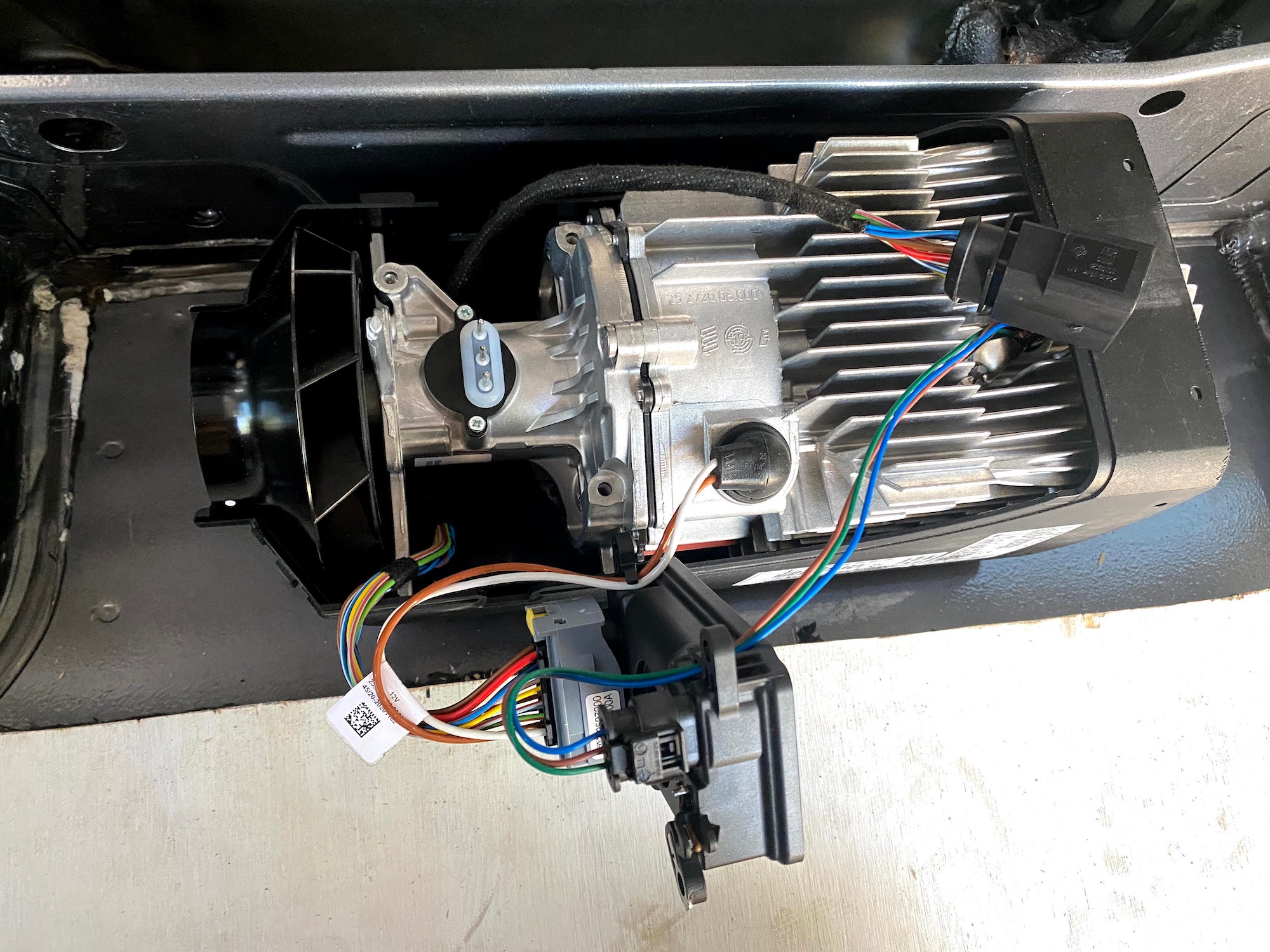
Key Components
- Control unit: The “brain” of the heater, managing all operations.
- Glow pin/plug: Ignites the fuel-air mix.
- Fuel pump: Delivers fuel from the vehicle’s tank.
- Combustion fan: Mixes air and fuel for burning.
- Overheat sensor: Shuts down the heater if it gets too hot.
- Blower fan: Pushes heated air into the bunk.
Understanding these parts helps you locate the source of a problem faster.
Safety Precautions Before Troubleshooting
Always follow basic safety steps before working on your Espar heater:
- Turn off the heater and vehicle ignition.
- Disconnect the battery if you’ll be touching electrical parts.
- Let the heater cool down completely before opening any panels.
- Work in a well-ventilated area to avoid dangerous fumes.
- Keep fire extinguishers nearby in case of fuel leaks.
If you’re ever unsure, it’s safer to contact a professional.
Common Espar Bunk Heater Problems
Most heater issues fall into a few main categories. Below are the problems drivers face most often, along with quick warning signs.
1. Heater Won’t Start
- No power to the control panel or display
- Clicking or ticking sound, but no heat
- Nothing happens when you turn the heater on
2. Heater Starts But Shuts Down Quickly
- Blower starts, then stops after a few seconds or minutes
- Red or flashing error lights
3. Heater Runs But Blows Cold Air
- Fan runs normally, but air is not warm
- Heater cycles on and off without heating
4. Smells, Smoke, Or Unusual Noises
- Burning smell, fuel smell, or black smoke from exhaust
- Squealing, grinding, or rattling noises
5. Error Codes Or Blinking Lights
- Codes displayed on the controller
- Warning lights that don’t match normal operation
Step-by-step Troubleshooting Guide
Let’s dive into practical steps you can follow for each type of problem. Each section includes what to check, how to fix it, and tips for avoiding repeat issues.
Heater Will Not Start
1. Check Power Supply
- Inspect the fuse (usually 20A) for the heater circuit. Replace if blown.
- Test the battery voltage. The heater needs at least 11.5V to start reliably.
- Look for loose, corroded, or damaged wires at the heater and control panel.
Non-obvious tip: Low battery voltage often causes “no start” but doesn’t always trigger a fault code. Measure voltage at the heater, not just at the battery.
2. Inspect Control Panel
- Make sure the controller display lights up.
- If not, unplug and re-plug the connector to reset it.
- Try using a backup remote or switch if available.
3. Listen For Fuel Pump “tick”
- When you turn on the heater, you should hear a quiet ticking from the fuel pump.
- No ticking = possible pump failure, wiring issue, or no fuel.
4. Look For Blocked Air Intake Or Exhaust
- Check that nothing is blocking the heater’s air intake or exhaust pipes.
- Remove mud, snow, or debris.
Heater Starts But Shuts Down
1. Overheat Or Flame Sensor Issues
- Most Espar heaters have an overheat sensor and a flame sensor.
- If airflow is blocked or the heater gets too hot, it will shut down for safety.
2. Check Combustion Air And Exhaust
- Remove any blockages from the exhaust or combustion air inlets.
- Make sure the heater is not installed too close to walls or other objects.
Non-obvious tip: Repeated short cycling can clog the burner with soot, leading to more shutdowns.
3. Inspect Fuel Supply
- Make sure there is enough fuel in the main tank (most heaters will not run below 1/4 tank to avoid stranding the vehicle).
- Listen for the fuel pump tick. If it’s erratic or absent, check the pump wiring and connections.
4. Error Codes
- Check the controller for codes. Common codes include:
- F01: Overheat
- F02: No start
- F03: Flame lost
Refer to your manual for a full list.
Heater Runs But Blows Cold Air
1. Check Combustion
- If the fan runs but the air is cold, the heater may not be burning fuel.
- Listen for the usual sequence: Fan, fuel pump tick, then ignition “whoosh.” If missing, the glow pin or fuel delivery may be the problem.
2. Inspect Glow Pin
- Remove and inspect the glow pin for carbon buildup or damage.
- Clean with a soft brush; replace if worn.
3. Fuel Issues
- Diesel “gelling” in cold weather can block the fuel line.
- Add an approved fuel additive to prevent this in winter.
4. Check For Soot
- Soot can coat the burner screen, reducing heat output.
- Remove and clean the burner chamber if needed.
Smells, Smoke, Or Strange Noises
1. Exhaust Or Intake Blockage
- Black smoke usually means incomplete combustion—often from a blocked exhaust or intake.
- Clear any debris from both pipes.
2. Burner Problems
- White smoke at startup often means unburned fuel—possibly due to a faulty glow pin or low voltage.
- Squealing or grinding noises can mean a worn blower motor or bearings.
3. Fuel Leaks
- Check all fuel line connections for leaks.
- Tighten or replace any cracked hoses.
Non-obvious tip: A little odor is normal at startup, but persistent smells can indicate dangerous leaks—fix immediately.
Dealing With Error Codes
Most Espar bunk heaters display error codes on the controller. These codes help pinpoint the problem quickly.
Below is a table with common error codes and what they mean:
| Error Code | Likely Cause | Quick Fix |
|---|---|---|
| F01 | Overheat detected | Check airflow, clean intake/exhaust, reset heater |
| F02 | No start | Check fuel supply, battery voltage, glow pin |
| F03 | Flame lost | Inspect fuel pump, air leaks, glow pin |
| F04 | Overvoltage/Undervoltage | Check battery, wiring, alternator |
| F05 | Fuel pump fault | Test/replace pump, check wiring |
Some codes will clear themselves after fixing the problem; others may require a manual reset.
Resetting Your Espar Bunk Heater
After repairs, sometimes the heater won’t start until the error code is cleared. Here’s how to reset:
- Turn off the heater and unplug the main power connector for 30 seconds.
- Reconnect and turn the heater back on.
- If there’s a reset button (depending on your model), press and hold for 3–5 seconds.
For stubborn codes, you may need a diagnostic tool. Many truck stops or RV shops have these.
Important: Never reset repeatedly without finding and fixing the real cause.
Espar Heater Maintenance Tips
Regular maintenance prevents most heater problems. Here’s what you should do:
Every Month
- Run the heater at full power for 20–30 minutes. This “burns off” soot and keeps parts moving.
- Check for leaks in fuel and exhaust lines.
Every Season
- Clean the air intake and exhaust pipes.
- Inspect electrical connections for corrosion.
- Check the glow pin and burner screen for soot.
Every Year
- Replace the fuel filter and clean the fuel pickup.
- Remove and clean the burner chamber.
- Inspect the blower fan and motor for wear.
Extra tip: Use good-quality diesel and add anti-gel in cold weather. Cheap fuel causes more soot and problems.
When To Call A Professional
Some repairs are best left to certified Espar technicians:
- Replacing the control unit or wiring harness
- Major fuel system repairs
- Diagnosing hard-to-find electrical faults
- Heater won’t reset after fixing all obvious problems
Attempting these repairs without the right tools can damage the heater or create safety risks.
Espar Bunk Heater Vs. Other Brands
You might wonder if troubleshooting an Espar is different from other brands like Webasto. Here’s a quick comparison:
| Feature | Espar (Eberspächer) | Webasto |
|---|---|---|
| Fuel Efficiency | High (0.1–0.3 L/hr) | High (0.1–0.3 L/hr) |
| Diagnostic Codes | Easy to read | Also clear, sometimes requires tool |
| Parts Availability | Good in North America | Very good worldwide |
| Noise Level | Low, especially newer models | Low |
| User Serviceability | Moderate | Moderate |
While troubleshooting steps are similar, always check your specific model’s manual for differences.
Practical Examples: Real-world Scenarios
Let’s look at two common situations and how to fix them.
Scenario 1: Heater Won’t Start On A Cold Morning
John, a trucker, finds his Espar heater won’t start, and there’s no ticking from the fuel pump.
- He checks the fuse—OK.
- He measures voltage at the heater—10.8V (too low).
- He charges the battery; voltage rises to 12.6V.
- The heater starts immediately.
Lesson: Low battery voltage is a frequent but overlooked cause.
Scenario 2: Heater Runs But Produces White Smoke
Maria notices white smoke and a strong diesel smell when starting her heater.
- She checks the glow pin—it’s coated with soot.
- She cleans the pin and burner screen.
- The heater starts cleanly, and no more smoke.
Lesson: Soot buildup is common and can cause poor combustion.
Advanced Troubleshooting: Tools And Diagnostic Devices
For deeper problems, you might need specialized tools:
- Multimeter: To check voltage at the heater, fuel pump, and control panel.
- Diagnostic reader: Plugs into the heater to read codes and detailed system info.
- Fuel pressure gauge: Rarely needed, but helpful for pump problems.
If you don’t own these, many truck service shops do. Some shops will let you borrow the diagnostic reader for a small fee.
Tips To Avoid Common Mistakes
- Never use gasoline in a diesel heater, or vice versa.
- Don’t run the heater with less than 1/4 tank of fuel.
- Never ignore error codes—find and fix the cause.
- Don’t cover or block the heater’s air intake or exhaust.
- Avoid running the heater for very short periods; this increases soot buildup.
Espar Heater Error Codes: Quick Reference Table
For quick troubleshooting, here’s a summary:
| Symptom | Likely Cause | What to Check |
|---|---|---|
| No start, no noise | No power | Fuses, battery voltage, wiring |
| Clicks but no heat | Fuel or glow pin | Fuel line, glow pin, air in fuel |
| Heater shuts down | Overheat/flame loss | Blockages, error codes, sensors |
| Smoke or smell | Poor combustion | Glow pin, burner, fuel quality |
Where To Find More Help
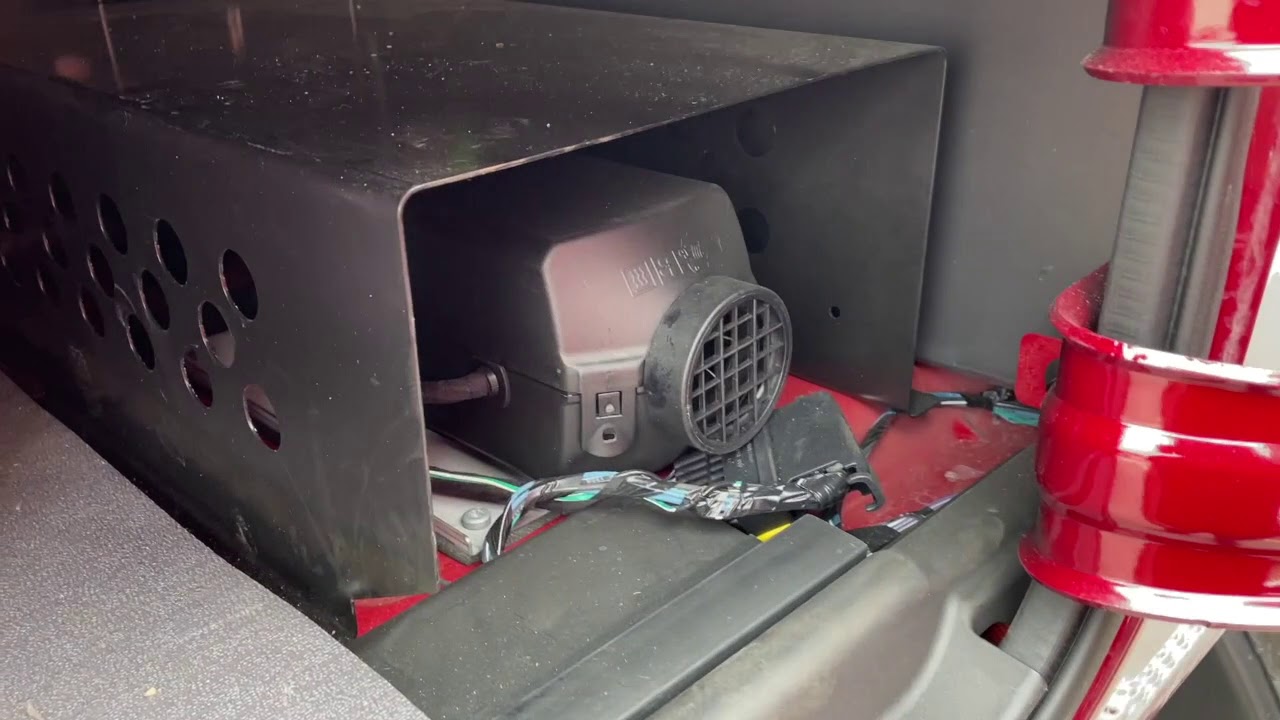
The official Espar (Eberspächer) website offers manuals, parts lists, and dealer locators. For more technical info, see the official Espar Air Heaters page.
Truck forums, YouTube channels, and RV owner groups are also helpful for model-specific advice.
Frequently Asked Questions
What Does It Mean If My Espar Heater’s Fuel Pump Just Clicks But The Heater Won’t Start?
A clicking fuel pump means it is trying to deliver fuel, but the heater isn’t igniting. This usually points to a glow pin problem, low battery voltage, or a blocked fuel line. Check fuel delivery and make sure the glow pin is clean and working.
How Often Should I Clean My Espar Heater?
Basic cleaning (air intake, exhaust, and checking the glow pin) should be done every season. Deep cleaning the burner and replacing the fuel filter is best done once a year, or more often if you use the heater daily.
Why Does My Heater Run For A Few Minutes, Then Shut Off With An Error Code?
This often means the heater is overheating or not getting enough airflow. Check for blocked intake/exhaust, clean the burner, and make sure the area around the heater is clear. Also, check for error codes to identify the exact problem.
Can I Use Regular Diesel From The Pump, Or Do I Need Special Fuel?
You can use regular diesel, but always add an anti-gel additive in winter to avoid blocked fuel lines. Using clean, high-quality fuel reduces soot and keeps the system running smoothly.
Is It Safe To Reset The Heater After An Error Code?
It is safe to reset after you’ve found and fixed the cause. Never reset repeatedly without repairs, as this can damage the heater or create a fire risk.
Maintaining your Espar bunk heater doesn’t have to be difficult. With a little know-how and regular checks, you can keep it running reliably through any season. If you ever feel unsure, don’t hesitate to ask a professional for help—your safety and comfort are always worth it.

