

Every home with a water heater depends on it for warm showers, clean dishes, and comfortable living. When your Bradford water heater stops working as expected, it can quickly turn daily routines upside down. The good news: most issues with Bradford water heaters can be diagnosed and fixed without calling a professional right away. This guide will help you troubleshoot common problems, understand what causes them, and know when it’s time to call an expert.
You’ll find practical steps, real-world examples, and clear tables to make sense of symptoms and solutions. Whether you own a gas or electric Bradford unit, this article covers the most frequent issues and how to handle them safely. If you’ve ever wondered why your water is cold, why there’s a puddle under your heater, or how to stop strange noises, you’re in the right place.

36% off Today’s Exclusive Deals
Limited-time Exclusive Deals. Check current discount on Amazon.
Check Price on Amazon As an Amazon Associate I earn from qualifying purchases.Understanding Your Bradford Water Heater
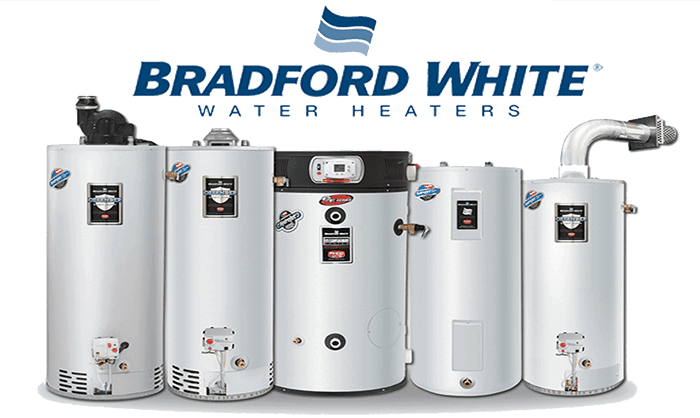
Before you start fixing problems, it helps to know the basics. Bradford makes several types of water heaters, but the two most common in homes are gas and electric models. Here’s a quick look at how they work:
| Type | How It Heats Water | Main Components | Common Energy Source |
|---|---|---|---|
| Gas | Burns natural gas or propane to heat water directly | Burner, thermocouple, gas valve, thermostat | Natural gas, propane |
| Electric | Uses electric heating elements inside the tank | Upper & lower heating elements, thermostats | Electricity |
Knowing your model is important. Check the label on the side of your tank for the serial number and model type. This helps when looking for replacement parts or calling for support.
Safety First: What To Do Before Troubleshooting
Water heaters involve hot water, gas, and electricity. Always put safety first. Here are steps to follow before you begin:
- Turn off power: For electric units, switch off the breaker in your main panel. For gas models, set the thermostat to “pilot” or “off.”
- Shut off water supply: Close the cold water inlet valve at the top of the tank.
- Let the unit cool: Hot water can burn. Wait at least 30 minutes after turning off power or gas.
- Wear safety gear: Use gloves and eye protection.
- Check for gas leaks: If you smell gas, leave the area and call your gas company immediately.
Never open panels or touch wiring unless you’re comfortable and confident. If unsure, it’s safer to call a licensed technician.
No Hot Water: Causes And Fixes
One of the most stressful problems is no hot water. The cause depends on whether you have a gas or electric Bradford water heater.
Gas Water Heater: No Hot Water
Common causes:
- Pilot light is out: The small flame that starts the burner may have gone out.
- Thermocouple failure: This safety device shuts off gas if the pilot goes out.
- Gas supply problem: The gas valve may be closed, or there’s a supply issue.
- Burner issue: Dirt or damage can stop the burner from firing.
How to fix:
- Check the pilot light: Remove the access panel and look for a small blue flame. If it’s out, follow the relighting instructions on your unit.
- Test the thermocouple: If the pilot won’t stay lit, the thermocouple may need cleaning or replacement.
- Inspect the gas supply: Make sure the gas valve is open and you haven’t run out of propane (if applicable).
- Clean the burner: Turn off the gas and gently clean the burner with a brush.
Pro tip: Many beginners forget to check the gas valve at the wall. It should be parallel to the pipe for “open.”
Electric Water Heater: No Hot Water
Typical causes:
- Tripped circuit breaker: Power may have shut off at the breaker panel.
- Reset button tripped: There’s a red reset button behind the upper access panel.
- Faulty heating element: These can burn out over time.
- Broken thermostat: Controls may not be signaling the elements to heat.
How to fix:
- Check the circuit breaker: Flip it off and back on.
- Press the reset button: Open the upper panel (power off first), press the red button, and reassemble.
- Test heating elements: Use a multimeter to check for continuity.
- Replace if needed: Elements and thermostats are usually inexpensive and can be swapped with basic tools.
Non-obvious insight: Sometimes, both heating elements fail in older tanks, not just one. Always test both if you have no hot water.
Not Enough Hot Water
If you’re running out of hot water quickly, or showers turn cold before you finish, several issues might be at play.
Common Causes
- Thermostat set too low: The default is often 120°F (49°C). Some families need it a bit higher.
- Sediment buildup: Minerals settle at the bottom, reducing heating efficiency.
- Broken dip tube: This part sends cold water to the bottom of the tank. If it’s cracked, you’ll get lukewarm water.
- Undersized tank: If your family has grown or you’ve added appliances, your needs may have changed.
Solutions
- Adjust the thermostat: Turn the dial up slightly, but never over 140°F (60°C) for safety.
- Flush the tank: Attach a hose to the drain valve, open it, and let water run until clear.
- Check the dip tube: If you see pieces of plastic in your faucet aerators, the dip tube may be breaking apart.
- Upgrade if needed: If your hot water needs have increased, consider a larger tank or a tankless unit.
Pro tip: Sediment can cause a “rumbling” noise when the heater is on. Flushing yearly can extend your heater’s life.
Water Is Too Hot
Scalding water is dangerous, especially for kids and seniors. If your Bradford unit is making water hotter than you want, these are the likely reasons:
- Thermostat set too high: Someone may have adjusted the dial.
- Faulty thermostat: It’s not accurately sensing the water temperature.
- Wiring issues: On electric units, crossed wires can make both elements run at once.
Fixes:
- Check and adjust the thermostat: Set it to 120°F (49°C).
- Test thermostats: If the unit ignores the setting, replace the thermostat.
- Have wiring checked: Incorrect wiring should be fixed by a pro.
Non-obvious insight: If the top element fails on an electric unit, the bottom can run nonstop, overheating the water at the bottom of the tank.
Water Leaks: Finding And Fixing
Seeing water under your Bradford heater can be alarming. Not all leaks mean the tank needs replacing, but some do.
Common Leak Sources
- Temperature and pressure relief (T&P) valve: If water is dripping from the T&P pipe, the valve may be releasing excess pressure.
- Drain valve: Sometimes left slightly open or with a bad washer.
- Supply connections: Flexible pipes or copper joints can loosen over time.
- Internal tank leak: If water seeps from the bottom, the inner tank may be corroded.
How To Diagnose
- Dry all connections: Wipe pipes and joints, then watch for new drips.
- Check the T&P valve: Lift the test lever briefly; if it keeps leaking, replace the valve.
- Inspect the drain valve: Tighten it gently or replace the washer.
- Look for rust: Rusty water below the tank usually means internal failure.
| Leak Location | Likely Cause | Repair Needed |
|---|---|---|
| Top of tank | Loose inlet/outlet connections | Tighten or re-seal joints |
| Side of tank | Faulty T&P or drain valve | Replace valve or washer |
| Bottom of tank | Internal corrosion | Replace water heater |
Important: If the tank is leaking from the bottom, it’s time for a new heater. Internal rust cannot be repaired.
Water Heater Making Noise
Strange sounds from your Bradford water heater can signal trouble. Here’s what the most common noises mean:
- Rumbling or popping: Sediment buildup at the bottom of the tank makes water boil under the deposits.
- Hissing: Usually from electric elements covered in scale.
- Tapping or ticking: Expanding and contracting pipes as water heats and cools.
How To Quiet Your Heater
- Flush the tank: Removes sediment. Do this at least once a year.
- Descale heating elements: Remove elements and soak in vinegar.
- Insulate pipes: Foam sleeves can reduce ticking.
Extra insight: If you hear a loud “bang” (water hammer), install a water hammer arrestor near the heater to protect your plumbing.
Pilot Light Problems (gas Models)
A pilot light that won’t stay lit is a common issue. Here’s why it happens:
- Dirty pilot orifice: Dust or debris blocks the flame.
- Bad thermocouple: Fails to sense flame and shuts off gas.
- Drafts: Air movement blows out the flame.
- Gas control valve issue: Rare, but possible.
How To Fix
- Clean the pilot: Use a brush or compressed air to clear the orifice.
- Replace thermocouple: Inexpensive and available at hardware stores.
- Check for drafts: Make sure the area around the heater is closed off from wind.
- Test gas control: If all else fails, the gas valve may need replacement.
Pro tip: Always turn off the gas before servicing the pilot assembly.
Smelly Or Discolored Water
If your hot water smells like rotten eggs or looks rusty, your Bradford heater may not be the problem—but it can help to know what to check.
Rotten Egg Smell
This is caused by sulfur bacteria reacting with the anode rod in your tank. It’s more common with well water.
How to fix:
- Flush the tank.
- Replace the anode rod with an aluminum/zinc one.
- Disinfect your water supply if the problem returns.
Rusty Or Brown Water
Rusty water usually means corrosion inside the tank, especially if it’s only in the hot water.
How to fix:
- Flush the tank to remove loose rust.
- Replace the anode rod.
- If rust continues, consider a new heater.
Non-obvious insight: Cold water that’s rusty points to your plumbing, not the heater.
Low Hot Water Pressure
Low pressure from your hot taps but normal from cold is often tied to your water heater.
Causes
- Sediment in pipes or tank: Clogs reduce flow.
- Partially closed shutoff valve: The valve above the tank may not be fully open.
- Dip tube failure: Broken pieces can clog faucets.
Solutions
- Flush the tank.
- Check and open all valves.
- Clean faucet aerators.
Bradford Water Heater Error Codes
Newer Bradford models have LED indicators or digital displays. When something’s wrong, these lights blink in patterns. Here’s how to interpret them:
| LED Code | What It Means | Action |
|---|---|---|
| 1 blink | Normal operation | No action needed |
| 2 blinks | Thermopile voltage low | Check thermopile, replace if needed |
| 4 blinks | High temperature shutdown | Reset control, check for overheating causes |
| 7 blinks | Gas control failure | Replace gas control valve |
For a full list, check your manual or visit the Bradford White official site.
When To Call A Professional
Some repairs are best left to certified plumbers or electricians:
- Gas leaks: Never try to fix these yourself.
- Major wiring issues: Electric shock risk is high.
- Internal tank leaks: Replacement is the only solution.
- Repeated tripping of breakers or T&P valve: May signal deeper safety issues.
If you’re ever in doubt, it’s safer (and often cheaper in the long run) to get professional help.
Preventive Maintenance Tips
A well-maintained Bradford water heater lasts longer and works better. Here’s how to keep yours in top shape:
- Flush the tank every 6-12 months: Prevents sediment buildup.
- Check the anode rod every 2-3 years: Replace if it’s less than ½ inch thick.
- Inspect T&P valve yearly: Lift and release the lever to make sure it works.
- Test water pressure: High pressure (over 80 psi) can damage the tank.
- Keep area clear: Don’t store things against the heater.
Extra insight: Most homeowners forget the anode rod until the tank rusts out. Replacing it can double your heater’s life.
Frequently Asked Questions
Why Does My Bradford Water Heater Pilot Light Keep Going Out?
A pilot that won’t stay lit is usually due to a faulty thermocouple or a dirty pilot orifice. Drafts or a bad gas valve can also cause this. Clean the pilot and replace the thermocouple first.
How Often Should I Flush My Bradford Water Heater?
At least once a year is recommended for most homes. If you have hard water, every 6 months is better. Flushing removes sediment that can cause noise, reduce efficiency, and shorten tank life.
What Temperature Should I Set My Bradford Water Heater To?
120°F (49°C) is ideal for safety and energy savings. Setting it higher increases scald risk and energy use, while lower settings may not kill bacteria.
How Do I Know If My Anode Rod Needs Replacing?
Check the anode rod every 2-3 years. If it’s less than ½ inch thick, coated in calcium, or mostly gone, replace it to prevent tank rust.
Is It Normal For My Water Heater To Make Noise?
Some noise is normal, but loud rumbling, popping, or banging means sediment is building up. Flushing the tank should quiet things down.
A properly working water heater keeps your home comfortable and your family safe. With these troubleshooting tips, you can solve most Bradford water heater problems on your own—or know when to call for help. Regular maintenance and quick fixes can add years to your unit’s life and save you money.
If you need more details, always check your owner’s manual or visit the official site for expert guidance.


