

A cold garage can make winter projects, car maintenance, and even daily life much harder. That’s why many homeowners and small businesses trust Beacon Morris garage heaters—known for their reliability and performance. But even the best heaters can have problems. When your heater stops working or behaves strangely, it can quickly turn a warm, productive space into a chilly, frustrating one.
Diagnosing and fixing issues with a Beacon Morris garage heater can seem overwhelming, especially for those without HVAC experience. Manuals sometimes use technical language, and small mistakes can make problems worse. However, most heater issues follow common patterns and can be solved with the right approach. This guide will walk you through practical troubleshooting steps, offer real-world tips, and help you understand when to call a professional. By the end, you’ll be equipped to handle most heater problems yourself or explain them clearly to a technician.

36% off Today’s Exclusive Deals
Limited-time Exclusive Deals. Check current discount on Amazon.
Check Price on Amazon As an Amazon Associate I earn from qualifying purchases.Understanding Your Beacon Morris Garage Heater
Before you start troubleshooting, it helps to know how your heater works. Beacon Morris offers several types of garage heaters, but most share similar components and functions.
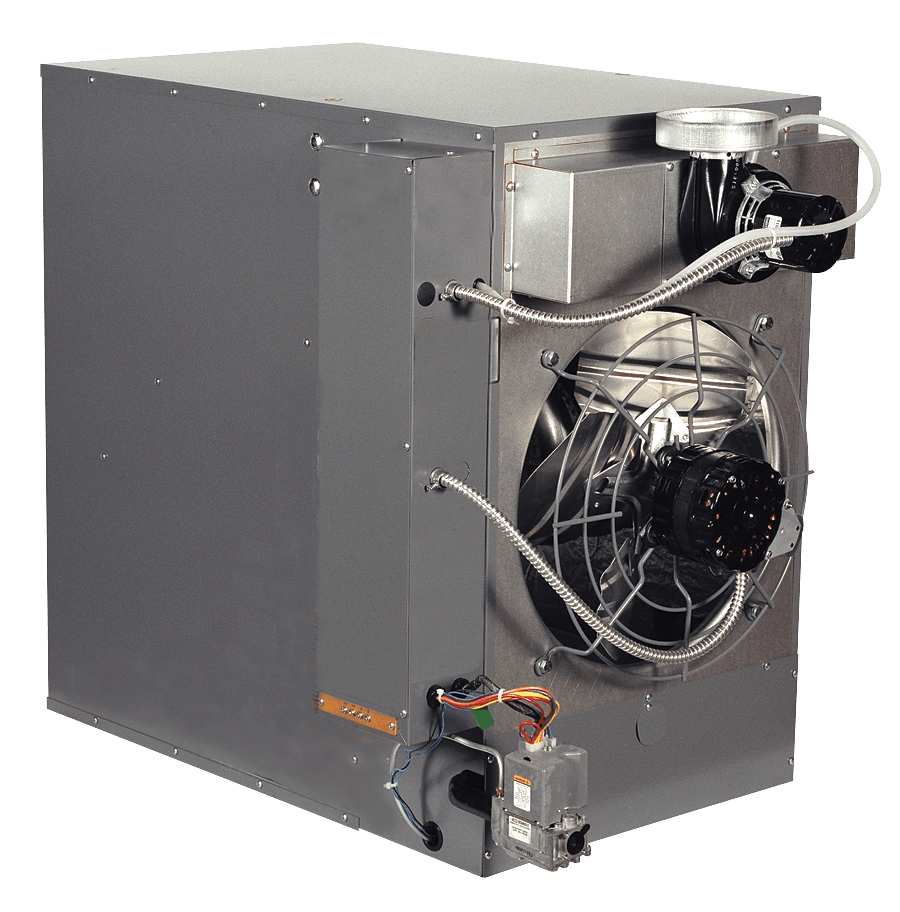
A typical unit uses natural gas or propane as fuel, with an ignition system to start the burner. The burner heats a heat exchanger, and a blower fan pushes warm air into the garage. Safety switches monitor conditions and shut down the heater if something goes wrong.
Key Components
- Thermostat – Tells the heater when to turn on or off.
- Ignition System – Starts the burner. Can be a pilot light, hot surface igniter, or spark igniter.
- Gas Valve – Controls the flow of gas to the burner.
- Blower Fan – Circulates air over the heat exchanger and into your garage.
- Limit and Safety Switches – Prevent overheating and unsafe conditions.
- Vent System – Removes exhaust gases safely from the garage.
Understanding these parts makes it easier to identify and fix problems.
Safety First: Preparing To Troubleshoot
Heaters involve gas, electricity, and hot surfaces. Always put safety first.
- Turn off power to the heater at the breaker.
- Shut off the gas supply at the valve.
- Wait for hot parts to cool before touching.
- Never bypass safety switches or modify wiring.
If you smell gas, hear hissing, or suspect a leak, leave the area immediately and call your gas company. Safety is more important than speed.
Common Beacon Morris Heater Problems
Beacon Morris garage heaters are well-built, but several issues appear more often than others. Let’s break down the most frequent problems, what they mean, and how to address them.
Heater Won’t Turn On
This is one of the most common complaints. The heater stays off, no fan, no noise, and the garage stays cold.
Possible Causes
- Thermostat set too low or not working
- No power to the unit
- Blown fuse or tripped circuit breaker
- Loose wiring connections
- Faulty safety switch (e.g., door or rollout switch)
What To Do
- Check the thermostat: Make sure it’s set above the current garage temperature and is in “heat” mode. Replace batteries if needed.
- Inspect power supply: Test the outlet and breaker. Reset if tripped.
- Look for blown fuses: Replace if necessary.
- Examine wiring: Loose wires can stop power. Tighten any visible connections.
- Test safety switches: Most heaters have door and limit switches that must be closed. Push gently to check for a “click.”
*Non-obvious insight:* Sometimes, a loose wire at the thermostat is the hidden cause. Check both ends—at the wall unit and at the heater.
Heater Turns On But Blower Doesn’t Run
You hear the heater fire up, but no air comes out. The unit may shut off quickly.
Possible Causes
- Blower fan motor failure
- Fan relay or control board problem
- Blocked air filter or intake
- Blower wheel jammed by debris
What To Do
- Listen for the fan: If you hear humming but no air, the motor may be stuck.
- Check air filter: A clogged filter reduces airflow and can overheat the heater. Clean or replace as needed.
- Inspect blower wheel: Remove any obstructions and ensure it spins freely.
- Test fan relay: If you’re comfortable, use a multimeter to check for voltage at the fan motor.
*Practical tip:* If the fan runs but airflow is weak, the duct or vent may be blocked. Clean out any dust or debris.
Burner Won’t Ignite (no Flame)
The heater powers up, but you don’t see a flame or hear the burner.
Possible Causes
- No gas supply (valve closed or empty tank)
- Faulty igniter (hot surface or spark)
- Dirty or misaligned pilot
- Blocked burner orifice
- Defective flame sensor
What To Do
- Check gas supply: Ensure the valve is open and you have fuel.
- Listen for clicking or glowing: If you don’t hear anything, the igniter may have failed.
- Clean the pilot or igniter: Dust and soot can block ignition.
- Inspect flame sensor: Gently clean with fine sandpaper if dirty.
- Check burner orifice: Use compressed air to clear blockages.
*Non-obvious insight:* If your heater tries to start multiple times and stops, it’s often a dirty flame sensor or weak igniter—both are easy to overlook.
Heater Cycles On And Off Quickly (short Cycling)
The heater starts, runs briefly, then shuts down and repeats.
Possible Causes
- Overheating due to low airflow
- Dirty filter or blocked vent
- Faulty limit switch
- Thermostat placed too close to heater
What To Do
- Clean or replace the air filter.
- Check vents and exhaust for blockages like snow, nests, or debris.
- Move the thermostat if it’s right above the heater.
- Test the limit switch with a meter if you’re comfortable.
Short cycling can waste energy and wear out components. It’s often an airflow problem, not a bad thermostat.
Unusual Noises
Squealing, banging, or rattling sounds signal trouble.
Possible Causes
- Loose panels or screws
- Worn blower bearings
- Debris in the fan
- Delayed ignition (small explosion sound)
What To Do
- Tighten all screws and panels.
- Lubricate or replace blower bearings if they squeal.
- Remove any foreign objects from the fan or vents.
- Check burner ignition. A “boom” sound means delayed ignition—usually from dirty burners or misaligned electrodes.
Unusual noises should be fixed quickly—they can lead to bigger problems if ignored.
Step-by-step Troubleshooting Guide
Let’s walk through the process of diagnosing and fixing your heater, from easy checks to more advanced steps.
Step 1: Confirm Power And Gas Supply
- Make sure the heater’s power switch is ON.
- Test the electrical outlet or breaker.
- Open the gas valve.
- If using propane, check tank levels.
Step 2: Inspect The Thermostat
- Set it 5–10°F above the current temperature.
- Replace batteries if wireless.
- Check for loose wires at both ends.
Step 3: Examine Air Filter And Vents
- Locate the air filter—clean or replace if dirty.
- Inspect intake and exhaust vents outside for blockages.
Step 4: Observe The Start-up Sequence
Turn the heater on and watch/listen:
- Thermostat clicks—signals the heater.
- Inducer fan starts (if present).
- Igniter glows or sparks.
- Gas valve opens—listen for the “whoosh” of gas.
- Burner ignites—flame appears.
- Blower fan starts.
- Warm air blows out.
Where does the process stop? That’s your clue.
Step 5: Check Error Codes (if Available)
Some Beacon Morris models have a diagnostic LED or display. It flashes codes to show problems—count the blinks and check your manual.
If you don’t have the manual, many are available on the Beacon Morris official site.
Step 6: Inspect Ignition And Flame
- Remove the front panel.
- Look for a yellow or blue flame.
- A weak or flickering flame suggests dirty burners or low gas pressure.
- No flame means ignition or gas issues.
Step 7: Test Safety Switches
- Press each safety switch gently—they should click.
- Bypass only as a test (with power OFF), never as a permanent fix.
Step 8: Examine Control Board And Wiring
- Look for burnt or loose wires.
- Sniff for “burnt electronics” smell—a failed board may need replacement.
Step 9: Listen For Relays And Motors
- Relays “click” as they activate.
- Motors may hum or struggle if failing.
Step 10: Call A Professional (if Needed)
If you’re unsure or uncomfortable, call a licensed technician. Gas and electricity are dangerous. Sometimes, a small repair can prevent costly damage.
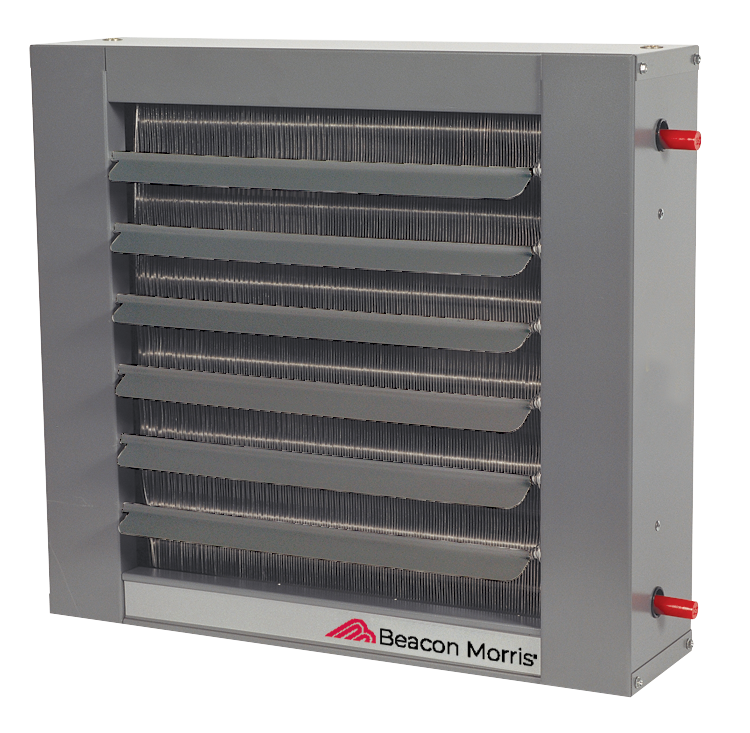
Table: Common Problems And Likely Causes
Here’s a quick reference to help you match symptoms to possible issues.
| Symptom | Likely Causes | Quick Fix |
|---|---|---|
| Heater won’t start | No power, bad thermostat, tripped switch | Check power, thermostat, switches |
| No heat/flame | No gas, faulty igniter, dirty pilot | Open gas valve, clean igniter |
| Fan not blowing | Blower jam, bad motor, blocked filter | Clear obstructions, replace filter |
| Short cycling | Overheat, blocked vent, bad limit switch | Clean vents, replace switch |
| Strange noises | Loose screws, worn bearings, debris | Tighten, lubricate, clean |
Table: Beacon Morris Vs. Other Garage Heaters
How does Beacon Morris compare to other brands? Here’s a simple comparison.
| Feature | Beacon Morris | Mr. Heater | Modine |
|---|---|---|---|
| Reliability | High | Medium | High |
| Parts Availability | Good | Excellent | Good |
| Noise Level | Low | Medium | Medium |
| Maintenance | Simple | Simple | Complex |
| Warranty | 3–5 Years | 1–3 Years | 5 Years |
Table: Routine Maintenance Checklist
Regular maintenance prevents most heater problems. Here’s a checklist for your Beacon Morris garage heater.
| Task | How Often | Details |
|---|---|---|
| Clean/replace air filter | Monthly during use | Improves airflow, prevents overheating |
| Inspect vent and exhaust | Every 3 months | Check for blockages, nests, snow |
| Check thermostat function | Annually | Replace batteries, confirm accuracy |
| Lubricate blower motor | Yearly | Use manufacturer-approved oil |
| Clean burner assembly | Yearly | Remove soot and dust |
| Check wiring and controls | Yearly | Look for wear, tighten connections |
When To Call A Professional
Some heater problems require a trained technician. Here are signs that you should get expert help:
- Persistent gas smell or visible leaks
- Repeated ignition failures after cleaning
- Strange electrical issues (tripped breakers, burnt wires)
- Flame rollout or soot buildup (danger of carbon monoxide)
- Control board problems
It’s always better to spend a little on a professional visit than risk safety or larger repairs later.
Preventing Future Heater Problems
Taking a few simple steps can prevent most heater issues.
- Schedule yearly maintenance before winter.
- Keep vents clear—especially after storms.
- Replace air filters regularly.
- Listen for changes in sound or performance.
- Don’t ignore small problems—fix them early.
Many owners miss the importance of vent and exhaust checks. Birds and rodents can block them during the off-season, causing failures when you need heat most.
Real-world Example: Diagnosing A Silent Heater
Let’s look at a typical case. A garage owner notices that their Beacon Morris heater is completely silent—it won’t click, hum, or blow.
- They check the thermostat and see it’s set correctly.
- The breaker is ON, but a quick test with a lamp shows no power at the outlet.
- After resetting the breaker, the heater starts up.
*Insight:* Power issues are often overlooked because the heater is out of sight. Always start troubleshooting with power and fuel checks before diving into more complex repairs.
Tips For Long-term Reliability
- Install a surge protector to guard the control board against power spikes.
- Mark the gas valve location clearly, so anyone can shut it off in an emergency.
- Keep the manual handy—write error codes or service history inside.
- Take photos before and after repairs to track changes.
- Review the manufacturer’s warranty—some parts may be covered for years.
Frequently Asked Questions
Why Does My Beacon Morris Heater Keep Turning On And Off?
Short cycling usually means the unit is overheating or airflow is restricted. Check your air filter and vents for blockages. A faulty limit switch or poorly placed thermostat can also cause this problem.
My Heater Runs, But There’s No Warm Air. What Should I Check?
First, confirm that the burner is igniting—a cold blower means the flame isn’t on. Check for gas supply, a dirty igniter, or a blocked burner. If the blower runs but still no heat, call a technician to inspect the heat exchanger.
Is It Safe To Troubleshoot My Garage Heater Myself?
You can safely check basics like the thermostat, filter, and vents. Always turn off power and gas before opening the heater. If you smell gas or see electrical damage, stop and call a professional.
How Often Should I Service My Beacon Morris Heater?
Annual maintenance is best. Clean filters monthly during use, and inspect the vent system every few months. Schedule a professional checkup before each heating season for maximum safety.
Where Can I Find Replacement Parts For My Beacon Morris Heater?
Most hardware stores and HVAC suppliers carry common parts like filters and igniters. For specific components, check the Beacon Morris official site or contact a certified dealer.
A well-maintained Beacon Morris garage heater can keep your workspace warm for years. With careful troubleshooting and regular care, you’ll save money, avoid downtime, and enjoy reliable heat all winter long. When in doubt, don’t hesitate to ask for expert help—your safety and comfort come first.

