Patio Heater Troubleshooting
A patio heater can turn chilly evenings into comfortable gatherings, letting you enjoy your outdoor space longer. But what happens when your heater stops working or doesn’t perform as expected? Many people think they need to call a professional right away, but most patio heater problems can be solved at home with a bit of know-how and patience. In this guide, you’ll learn how to identify, fix, and prevent common issues with both gas and electric patio heaters. You’ll also find practical advice, real-world examples, and tips that most beginners miss. By the end, you’ll be able to tackle most troubleshooting steps confidently, saving both time and money.
Understanding How Patio Heaters Work
Before you can fix a patio heater, you need to understand how it operates. Most patio heaters use either propane, natural gas, or electricity as their energy source.

36% off Today’s Exclusive Deals
Limited-time Exclusive Deals. Check current discount on Amazon.
Check Price on Amazon As an Amazon Associate I earn from qualifying purchases.- Gas patio heaters: These burn propane or natural gas to create heat. The gas travels through a regulator and valve, mixes with air, and ignites at the burner.
- Electric patio heaters: These use electrical resistance to create heat, similar to a toaster or space heater.
Both types use a reflector to spread heat outward and often have safety features like tip-over switches and thermocouples.
Knowing the basic components helps you pinpoint problems more accurately. For example, if your gas heater doesn’t light, you know to check the igniter, gas supply, and thermocouple.
Safety First: Precautions Before Troubleshooting
Always make safety your top priority. Working with gas, electricity, or open flames can be dangerous if you’re not careful. Here’s what you should do before starting:
- Turn off the power or gas supply before inspecting or repairing any part.
- Allow the heater to cool down completely to avoid burns.
- Work in a well-ventilated area to prevent gas buildup.
- Keep a fire extinguisher nearby, just in case.
- Wear gloves and eye protection to guard against sharp edges or debris.
Never ignore strange smells, especially gas. If you smell gas, turn off the supply immediately and ventilate the area before continuing.
Common Patio Heater Problems And How To Fix Them
Most patio heater issues fall into a few main categories. Let’s look at the most common problems and their solutions.
The Heater Won’t Light
This is one of the most frequent complaints. If your heater doesn’t turn on, consider these possible causes:
- Empty fuel tank (for propane heaters)
- Disconnected or damaged power cord (for electric heaters)
- Clogged burner or pilot
- Faulty igniter
- Thermocouple issues
Troubleshooting Steps
- Check the fuel or power supply
- For gas: Ensure the tank or gas line is open and full.
- For electric: Confirm the cord is plugged in and the outlet works.
- Inspect the igniter
- Press the ignition button and listen for a clicking sound. No click means the igniter may need new batteries or replacement.
- Clean the burner and pilot
- Use a soft brush or compressed air to clear away dust, spider webs, or debris.
- Test the thermocouple
- The thermocouple is a safety sensor. If it’s dirty or misaligned, the heater won’t stay lit. Gently clean it and make sure it’s near the flame.
Non-obvious insight: Sometimes, a heater won’t light because the gas line has air in it, especially after changing a tank. Purge the line by holding the control knob in the “ignite” position for a few extra seconds.
The Heater Turns Off After A Few Minutes
If your patio heater starts but soon shuts off, the problem usually involves the thermocouple, tilt switch, or regulator.
Troubleshooting Steps
- Check the thermocouple
- Make sure the tip sits directly in the flame. If it’s dirty, gently sand it with fine-grit paper.
- Inspect the tilt switch
- This safety feature turns the heater off if it tips over. If damaged or loose, it can cause random shutoffs.
- Test the gas regulator
- A faulty regulator can restrict gas flow. Try swapping it with a known good one, if possible.
Pro tip: Many heaters have a safety shutoff that triggers if there’s not enough airflow. Make sure the vents at the base are clear.
Weak Or Uneven Heat
If your heater runs but doesn’t warm the area, causes include low gas pressure, dirty burners, or reflector problems.
Solutions
- Check the gas tank; a nearly empty tank produces a weaker flame.
- Clean the burners. Blockages can cause uneven heat or yellow flames.
- Inspect the reflector. If it’s bent or dirty, heat won’t spread well.
Example: One homeowner found their heater only warmed one side—after cleaning out a spider web from the burner, the heat returned to normal.
Pilot Light Won’t Stay Lit
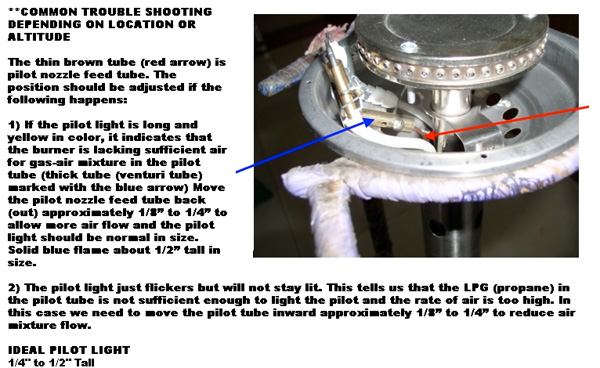
This is usually a sign of a thermocouple problem, air in the line, or a weak pilot flame.
What To Do
- Clean or replace the thermocouple.
- Make sure the pilot tube is clear—use compressed air if needed.
- Adjust the pilot flame (consult your manual for instructions).
Little-known tip: Even slight drafts can blow out a weak pilot. Shield the pilot area from wind during troubleshooting.
Electric Heater Not Working
Electric patio heaters are simpler but can have unique issues:
- Blown fuse or tripped breaker
- Worn-out heating element
- Damaged power cord or switch
How To Fix
- Test the outlet with another device.
- Check the fuse box for tripped breakers.
- Inspect the cord and plug for damage.
- Replace the heating element if it doesn’t glow.
Advanced advice: Some electric heaters have internal thermal cutoffs. If the heater overheats, it won’t turn back on until it cools. Check for blocked airflow.
When To Call A Professional
While many problems are simple to fix, some require expert help:
- Leaking gas connections
- Persistent electrical failures
- Visible damage to gas lines or components
- Heaters under warranty (DIY repairs may void the warranty)
If you’re ever unsure, it’s safer to consult a certified technician.

Key Components: Problems And Solutions
Understanding which part does what helps you zero in on failures faster. Here’s a quick reference for common parts:
| Component | Typical Problems | DIY Solutions |
|---|---|---|
| Thermocouple | Heater won’t stay lit | Clean or replace |
| Igniter | No spark/click | Replace battery or igniter |
| Gas Regulator | Weak flame, won’t start | Swap regulator |
| Reflector | Uneven heat | Clean/realign |
| Burner | Yellow flame, low heat | Clean burner |
| Tilt Switch | Random shutoff | Tighten/replace |
Maintenance Tips To Prevent Problems
Regular maintenance can stop most patio heater problems before they start. Here’s what you should do:
- Clean the heater every few weeks. Dust, bugs, and cobwebs can block burners and vents.
- Check hoses and connections for leaks. Use soapy water; bubbles mean a leak.
- Inspect the igniter and thermocouple for dirt or corrosion.
- Store the heater properly during off-seasons. Use a cover and keep it dry.
- Run the heater monthly during winter to keep parts moving.
Non-obvious advice: Store spare parts like igniters and thermocouples—they’re cheap, and swapping them is easier than waiting for a replacement.
Gas Vs Electric Patio Heaters: Troubleshooting Differences
Knowing whether you have a gas or electric heater changes your approach. Here’s a side-by-side look:
| Feature | Gas Heater | Electric Heater |
|---|---|---|
| Common Issues | Ignition, gas flow, thermocouple | Power supply, heating element |
| Safety Risks | Leaks, open flame | Electrical shock, overheating |
| Maintenance Needed | Clean burners, check hoses | Inspect cord, clean element |
| Troubleshooting Tools | Wrenches, soapy water, brush | Multimeter, screwdriver |
Electric heaters are simpler to maintain but offer less heat output. Gas heaters provide more warmth but need more regular care.
Advanced Troubleshooting: Less Obvious Issues
Some heater problems aren’t as simple as a dirty burner or empty tank. Here are a few advanced issues and how to address them:
Regulator Freeze-up
In cold weather, propane regulators can freeze due to moisture. This blocks gas flow and stops your heater.
Solution: Disconnect the regulator, bring it inside to thaw, and ensure your tank is dry. Consider a propane tank cover for winter.
Short Cycling
If your heater turns on and off rapidly, it may be “short cycling. ” This can wear out parts and waste energy.
Solution: Clean all sensors and make sure airflow isn’t blocked. If the problem continues, a faulty thermostat or control board may be to blame.
Soot Buildup
Black soot on the heater is a sign of incomplete burning, often due to a blocked burner or wrong air-to-gas mixture.
Solution: Clean the burner thoroughly and check for spider webs inside. Adjust the air shutter if your model allows.
Inconsistent Flame Color
A blue flame is ideal. Yellow or orange flames signal poor combustion.
Solution: Make sure the burner is clean, the gas pressure is correct, and the air intake isn’t blocked.
Troubleshooting Tools You’ll Need
Having the right tools makes troubleshooting safer and faster:
- Adjustable wrench
- Phillips and flat screwdrivers
- Soapy water in a spray bottle
- Multimeter (for electric heaters)
- Soft brush
- Compressed air can
Insider tip: A can of compressed air is perfect for clearing pilot tubes and burners without taking the heater apart.
Real-world Example: Diagnosing A Silent Heater
Imagine your gas patio heater won’t light, but you’ve just filled the tank. You check the igniter, and it clicks, but there’s no flame. Here’s how you’d troubleshoot:
- Confirm the gas is on and the line is connected.
- Spray soapy water around the connections—no bubbles, so no leaks.
- Remove the burner cover and find a spider web blocking the gas outlet.
- Clean it out, reassemble, and the heater lights instantly.
This example shows why it’s important to check for insect nests and blockages, especially after long periods of non-use.
Comparing Popular Patio Heater Brands: Repair Friendliness
Not all patio heaters are created equal. Some brands are easier to repair than others.
| Brand | Ease of Access | Parts Availability | DIY Friendly? |
|---|---|---|---|
| Hampton Bay | Good | Excellent | Yes |
| AZ Patio Heaters | Very Good | Very Good | Yes |
| Dyna-Glo | Fair | Good | Moderate |
| Bromic | Poor | Limited | No |
If you’re buying a new heater, consider how easy it will be to repair and find replacement parts. Brands with good customer support can save you headaches later.
When A Patio Heater Is Beyond Repair
Sometimes, replacement is the best option. Consider a new heater if:
- The frame or burner is rusted through
- Multiple parts fail at once
- The cost of repairs is more than half the price of a new unit
- The heater is over 10 years old and no longer heats well
Proper disposal is important—contact your local waste service for guidance.

Where To Find Replacement Parts And Manuals
Most manufacturers offer replacement parts and manuals on their official websites. Major home improvement stores also stock common items like thermocouples and igniters.
For older models, try calling the company’s customer service or searching online forums. Some specialty retailers focus on patio heater parts.
You can also find reliable information and parts lists on Wikipedia.
Frequently Asked Questions
Why Does My Patio Heater Keep Shutting Off?
This usually means the thermocouple is dirty or not in the flame, the tilt switch is faulty, or there’s a problem with the gas flow. Clean the sensors, check all connections, and make sure nothing is blocking the vents.
How Do I Know If My Thermocouple Is Bad?
If your heater’s pilot light stays on only while holding the control knob, the thermocouple may be faulty. Test it by cleaning the tip and making sure it’s in the flame. If that doesn’t work, replace it.
What Should I Do If I Smell Gas Near My Patio Heater?
Turn off the gas supply immediately and ventilate the area. Do not use the heater until you’ve checked all connections with soapy water and fixed any leaks. If the smell continues, call a professional.
Can I Use My Patio Heater Indoors?
No. Gas patio heaters are designed for outdoor use only due to the risk of carbon monoxide buildup. Electric heaters may be used indoors if rated for it, but always follow the manufacturer’s instructions.
Where Can I Find Parts For My Patio Heater?
Check the manufacturer’s website or large retailers like Home Depot or Lowe’s. For older models, look for specialty parts stores or online auction sites. Manuals often list part numbers for easy searching.
A well-maintained patio heater can provide years of warmth and enjoyment. With the troubleshooting steps and tips in this guide, you’ll be ready to fix most problems yourself. Regular care keeps your heater safe and reliable, so you can relax and enjoy your outdoor space with confidence.