

If you own a Buddy Heater, you know the comfort it brings during cold nights in your tent, garage, or even at home during power outages. These portable propane heaters are loved for their efficiency and ease of use. But like any equipment, they can develop problems. A Buddy Heater that won’t light, keeps shutting off, or smells like gas is not just frustrating—it can be dangerous if you don’t handle it right.
This guide will walk you through Buddy Heater troubleshooting step by step. Whether you’re new to portable heaters or have used them for years, you’ll find clear explanations, helpful tables, and tips you might not know. You’ll also learn about common mistakes and how to keep your heater running safely. By the end, you’ll have the knowledge to fix most problems yourself, and you’ll know when it’s time to call in a professional.

36% off Today’s Exclusive Deals
Limited-time Exclusive Deals. Check current discount on Amazon.
Check Price on Amazon As an Amazon Associate I earn from qualifying purchases.How Buddy Heaters Work
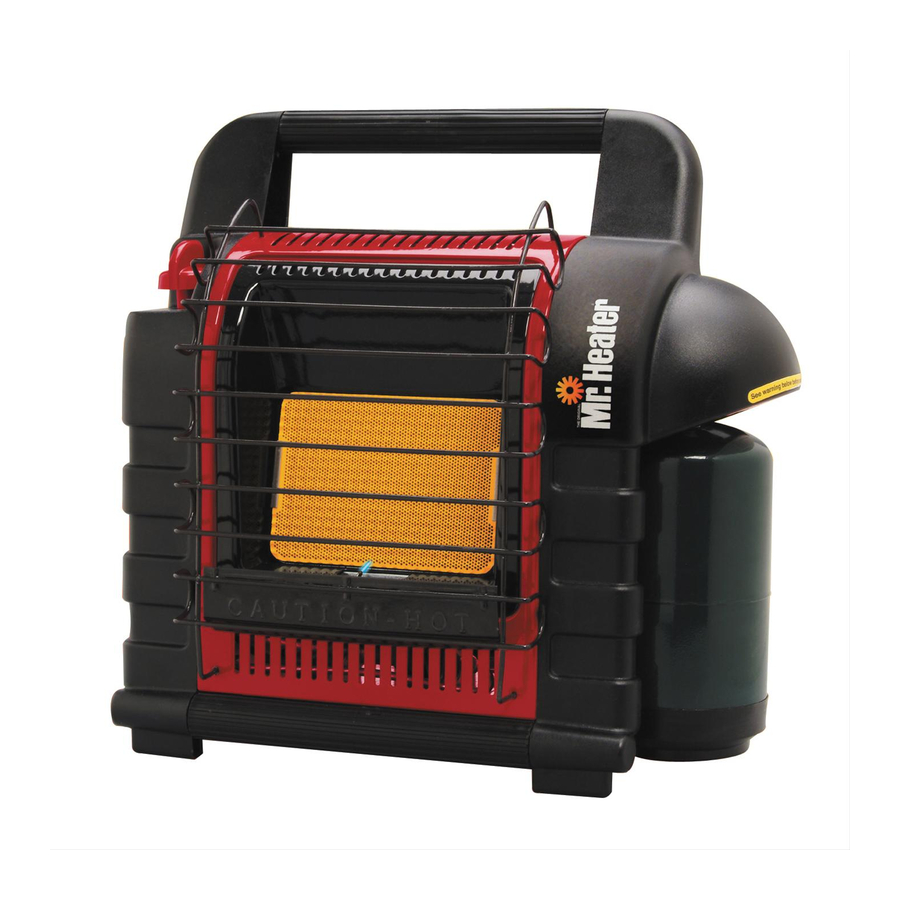
Understanding how your Buddy Heater functions will help you diagnose problems. These heaters use propane as fuel. A small tank (often a 1-pound cylinder) connects to the heater. When you turn it on and press the ignition, gas flows to a ceramic burner tile, where it ignites and creates heat.
Key components include:
- Propane cylinder connection: Where the tank attaches.
- Control knob: Adjusts the flame and turns the heater on or off.
- Piezo igniter: Creates a spark to light the gas.
- Thermocouple: A safety device that senses heat and keeps gas flowing.
- Oxygen depletion sensor (ODS): Shuts off the heater if the oxygen level drops too low.
Knowing these parts will make troubleshooting easier.
Common Buddy Heater Problems
Most Buddy Heater issues fall into a few categories. Here are the most frequent problems users face:
- Heater won’t light
- Heater lights but won’t stay on
- Weak or yellow flame
- Heater shuts off after a few minutes
- Unusual smells (like gas or burning)
- Propane leaks
Let’s look at each problem in detail, with solutions that work.
Heater Won’t Light
This is probably the most common issue. You turn the knob, press the igniter, and nothing happens. Here’s how to diagnose and fix it.
Causes And Fixes
- Empty propane cylinder: Double-check if your tank has gas. Try a new, full cylinder.
- Improper tank connection: Sometimes, the cylinder isn’t screwed on tightly or is cross-threaded. Unscrew and reconnect.
- Blocked pilot tube: Dust, spider webs, or debris can block the tiny pilot tube. This stops gas from reaching the burner.
- Solution: Use compressed air or a thin wire to gently clear the tube.
- Faulty igniter: If you don’t hear a click or see a spark when you press the igniter, it may be broken.
- Solution: Try lighting with a match (if your model allows), or replace the igniter.
- Low temperatures: In very cold weather, propane pressure drops, making ignition harder.
- Solution: Warm the cylinder with your hands (never with fire or open flame).
Insight: Many beginners forget to check for “safety lockout.” If you press the control knob too quickly, the heater’s safety valve may prevent gas flow. Always follow the start-up instructions exactly.
Heater Lights But Won’t Stay On
You get the heater started, but it shuts off as soon as you release the control knob. This problem is usually linked to the thermocouple.
Causes And Fixes
- Thermocouple not heated enough: Hold the control knob down for 30–60 seconds during lighting. This gives the thermocouple time to sense heat and “tell” the heater to keep gas flowing.
- Dirty thermocouple: Soot or dust can block the thermocouple from sensing heat.
- Solution: Clean gently with fine sandpaper or a soft brush.
- Loose or damaged thermocouple: If it’s bent away from the flame or loose, it won’t work.
- Solution: Carefully bend it back toward the flame and tighten connections.
- Oxygen depletion sensor (ODS) tripped: The ODS will cut off gas if oxygen is low.
- Solution: Use the heater in a well-ventilated area.
Non-obvious tip: If you use your heater above 7,000 feet (high altitude), the ODS may shut it off, even if there’s enough oxygen. These sensors are very sensitive to air pressure.
Weak Or Yellow Flame
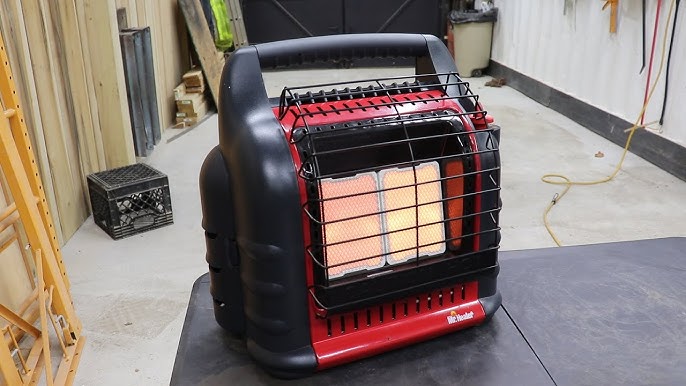
A good Buddy Heater flame is blue and strong. If it’s weak, yellow, or flickering, something’s wrong.
Possible Causes
- Low propane pressure: Common when the cylinder is nearly empty or cold.
- Dirty burner tile: Dust and soot can block the ceramic tile.
- Solution: Clean with a vacuum or soft brush—never water.
- Blocked orifice: The tiny hole the gas passes through can clog.
- Solution: Remove and clean the orifice with compressed air.
Data Table: Flame Colors And What They Mean
| Flame Color | What It Means | Action Needed |
|---|---|---|
| Strong Blue | Normal operation | None |
| Weak Blue | Low gas pressure | Check tank, warm cylinder |
| Yellow/Orange | Poor combustion/dirty burner | Clean burner, check for blockages |
| No Flame | No ignition or severe blockage | Troubleshoot pilot and igniter |
A yellow flame is often a warning sign. If the flame stays yellow after cleaning, stop using the heater and get it checked.
Heater Shuts Off After A Few Minutes
If your Buddy Heater keeps turning off after running briefly, it’s not just annoying—it can signal a safety issue.
Common Causes
- Oxygen depletion sensor activated: Try moving to a larger, more ventilated space.
- Propane supply interruption: A kinked hose or faulty regulator can interrupt gas flow.
- Solution: Check hose for bends or damage; replace if needed.
- Thermocouple issues: As above, if it doesn’t stay heated, gas will shut off.
- Drafts or wind: Strong airflow can blow out the flame or cool the thermocouple.
Practical tip: Never use your Buddy Heater in a completely closed space. Even with the ODS, always allow for some fresh air.

Unusual Smells: Gas Or Burning Odor
A gas smell is serious. Propane is odorized with a chemical that smells like rotten eggs. If you ever notice this, act fast.
What To Do
- Turn off the heater immediately.
- Disconnect the propane cylinder.
- Move the heater outdoors.
- Do not use matches or flames near the heater.
- Check all connections for leaks (see below).
A burning smell can mean dust on the burner or a blocked orifice. Clean the heater before using it again.
Insight: Many people ignore a slight gas smell when connecting a new tank. Always check for leaks with soapy water. Bubbles mean there is a leak that must be fixed before use.
Propane Leaks
Leaks are dangerous and must be addressed immediately.
How To Check For Leaks
- Mix a few drops of dish soap with water.
- Brush the mixture onto the connection points.
- Open the gas valve slightly. If you see bubbles, you have a leak.
Never use a flame to check for leaks.
Causes And Solutions
- Worn O-rings: Replace any old or cracked O-rings.
- Cross-threaded connections: Unscrew and reconnect carefully.
- Damaged hose or regulator: Replace immediately.
When To Call For Professional Help
Most Buddy Heater problems can be fixed at home. However, some issues need an expert.
- Persistent gas smell: If you can’t find the leak, don’t risk it.
- Heater won’t light after all troubleshooting: The control valve or internal parts may be damaged.
- Physical damage: Cracked tiles, broken igniters, or bent parts.
If your heater is under warranty, contact the manufacturer for support.
Maintenance To Prevent Problems
A little maintenance goes a long way. Here’s how to keep your heater reliable.
Regular Cleaning
- Every use: Wipe down the exterior and check for debris.
- Monthly: Clean the pilot tube and burner tile.
- Annually: Check all connections and hoses for wear.
Storage Tips
- Always disconnect the propane cylinder before storing.
- Store in a dry place. Moisture can cause rust and damage sensitive parts.
- Cover the heater to keep out dust and insects.
Annual Safety Check
Before the cold season, do a full check:
- Inspect hoses, O-rings, and connections.
- Test the igniter.
- Clean the burner and pilot area.
Buddy Heater Model Differences
There are several popular Buddy Heater models, including the Little Buddy, Buddy, and Big Buddy. They share many parts, but there are important differences.
Comparison Table: Common Models
| Model | Max Heat Output (BTU/hr) | Fuel Source | Ignition Type | Key Features |
|---|---|---|---|---|
| Little Buddy | 3,800 | 1 lb propane cylinder | Piezo push-button | Compact, no hose needed |
| Buddy | 9,000 | 1 lb or 20 lb tank (with hose) | Piezo push-button | Portable, fold-down handle |
| Big Buddy | 18,000 | 1 lb or 20 lb tank (with hose) | Piezo push-button | Fan option, dual burners |
Non-obvious difference: The Big Buddy model has an internal fan that requires batteries or a power adapter. If your heater isn’t blowing warm air (only radiating), check the fan power source.
High Altitude And Buddy Heaters
If you use your heater in the mountains, you may see problems that don’t happen at lower elevations.
Why It Matters
- Less oxygen means the ODS may trip more often, even in a ventilated tent.
- Lower air pressure can affect propane flow and flame quality.
Tip: Mr. Heater recommends using their products below 7,000 feet. If you live or camp higher, you may need to restart the heater several times or consider a different heating option.
Using Buddy Heaters Safely
Portable propane heaters can be safe if used the right way.
Key Safety Rules
- Always use in a well-ventilated area.
- Never leave the heater unattended.
- Keep flammable objects away from the heater.
- Use only approved hoses and regulators.
- Don’t modify the heater.
Safety Table: Do’s And Don’ts
| Do | Don’t |
|---|---|
| Check for leaks before every use | Use in a closed car or tent |
| Keep heater on a stable surface | Leave heater running overnight unattended |
| Read the owner’s manual | Use with damaged hoses or parts |
Common mistake: Many people use home-made hoses or adapters. Only use parts made for your heater to prevent leaks and carbon monoxide risk.
Troubleshooting Buddy Heater Accessories
Your heater may use extras like hoses, filters, or fans. Problems can come from these, not just the heater.
- Hose leaks: Always check for leaks after installing a new hose.
- Clogged filter: If using a filter, replace it yearly.
- Fan not working: For models with fans, check batteries or adapter.
Troubleshooting Checklist
When your heater acts up, use this quick checklist:
- Is the propane cylinder full and connected correctly?
- Is the igniter working?
- Is the pilot tube clear?
- Is the thermocouple clean and in position?
- Are there any gas smells or leaks?
- Is the heater in a ventilated area?
- Are accessories (hoses, filters, fans) working?
Work through each step before calling for help.
When Replacement Is The Best Option
Sometimes, repair isn’t worth it. If your Buddy Heater is very old, heavily rusted, or has cracks in the ceramic tiles, replacement may be safer. Newer models are more efficient and often have better safety features.
Tip: If you need a new heater, buy from a reputable dealer. Avoid used heaters unless you can inspect them closely.
For more detailed technical information, the official Mr. Heater website has user manuals and support.
Frequently Asked Questions
Why Does My Buddy Heater Shut Off After A Few Minutes?
This often happens if the oxygen depletion sensor is triggered due to low oxygen or poor ventilation. It can also result from a faulty thermocouple or a weak propane supply. Make sure your space is ventilated and check all connections.
Can I Use A Buddy Heater Indoors?
Yes, but always provide ventilation. Open a window slightly and keep the area clear of flammable objects. The heater’s safety features help, but they are not a substitute for safe operation.
Why Is My Buddy Heater Flame Yellow Instead Of Blue?
A yellow flame means poor combustion, often from a dirty burner or low propane pressure. Clean the burner tile and check your propane cylinder. If the problem continues, get the heater serviced.
How Do I Know If There Is A Gas Leak?
Mix soapy water and brush it onto the heater’s connections. If you see bubbles when the gas is on, there is a leak. Turn off the heater and fix the problem before using it again.
What Should I Do If My Buddy Heater Won’t Light?
First, check that the propane cylinder is full and connected. Make sure the igniter is clicking and the pilot tube is clear. Hold the control knob down for at least 30 seconds to heat the thermocouple. If it still won’t light, try a new cylinder or consult a repair service.
A Buddy Heater is a reliable friend during cold weather—if you know how to troubleshoot and maintain it. With these clear steps, tables, and tips, you can solve most problems yourself. Always put safety first and don’t hesitate to ask for expert help when needed.
Stay warm and stay safe!

