

Few appliances in your home have as much impact on daily comfort as your water heater. If you use an Iheat tankless water heater, you know the benefits: endless hot water, energy savings, and compact design. But when something goes wrong, even minor issues can disrupt your routine. Fixing tankless water heater problems is often easier than you think, but many people feel confused by technical terms and hidden settings. This article helps you understand, diagnose, and solve common Iheat tankless water heater issues in simple, clear language. You’ll find practical steps, expert advice, and non-obvious tips to get your system running smoothly again—without wasting time or money.
Understanding Your Iheat Tankless Water Heater
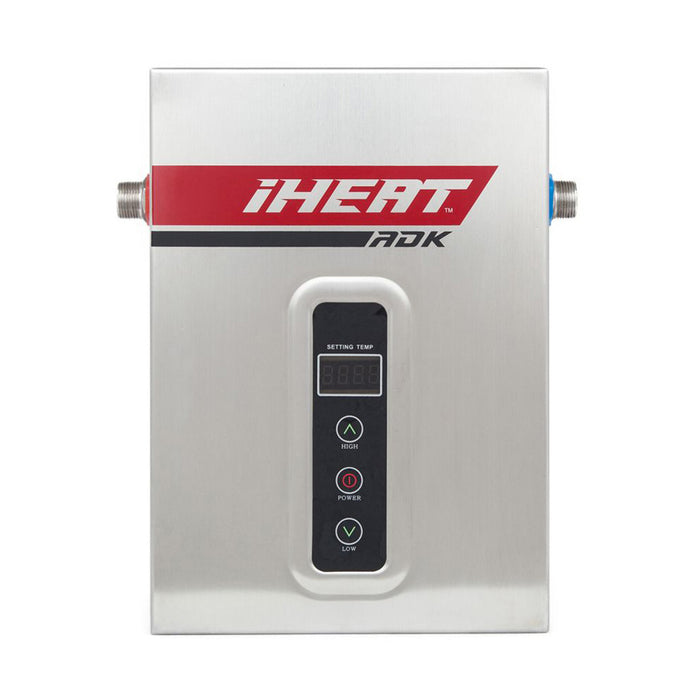
Before troubleshooting, it’s important to know how your Iheat tankless water heater works. Unlike traditional heaters that store hot water, tankless systems heat water only when you need it. Cold water flows into the unit, passes through a heat exchanger, and comes out hot. Sensors and electronic controls manage the process.

36% off Today’s Exclusive Deals
Limited-time Exclusive Deals. Check current discount on Amazon.
Check Price on Amazon As an Amazon Associate I earn from qualifying purchases.Key Features
- Instant heating: No waiting for a tank to refill or reheat
- Energy efficiency: Only heats water when needed
- Compact design: Saves space in your home
- Digital controls: Adjust temperature and monitor performance
Common Models
Iheat offers several models for homes and businesses. Residential models usually handle one or two showers at a time. Commercial models are larger, for restaurants or hotels.
Basic Operation
The process is simple:
- You turn on a hot water tap.
- Water flows into the unit.
- Sensors detect flow.
- The heater turns on and heats the water.
- You get hot water within seconds.
If any part fails, hot water stops or becomes unreliable.
Common Symptoms And What They Mean
Recognizing the most frequent problems can save you time. Here are issues you might face:
No Hot Water
If you get cold water when expecting hot:
- The unit may have lost power.
- Sensors might be faulty.
- There could be a gas supply issue (for gas models).
Fluctuating Temperature
Water gets hot, then cold, then hot again:
- Flow sensors may be dirty or blocked.
- Demand might be too high for the unit’s capacity.
- Temperature setting may be incorrect.
Slow Heating
If hot water takes longer than usual:
- Mineral buildup could be slowing the heat exchanger.
- The unit may be undersized for your needs.
Error Codes
Modern Iheat units display codes to help you understand problems. Each code means something specific. For example:
- E1: Low incoming water pressure
- E2: Overheating
- E3: Sensor failure
Check your manual for code meanings.
Unusual Noises
Rattling or banging sounds can signal:
- Loose parts inside the unit
- Scale buildup in the heat exchanger
- Air in the water lines

Step-by-step Troubleshooting Guide
Solving problems with your Iheat tankless water heater doesn’t require advanced skills. Use these practical steps.
1. Check Power Supply
Most Iheat units use electricity for controls and ignition. If the unit is dead:
- Make sure the breaker hasn’t tripped.
- Check the power cord for damage.
- Confirm the unit is plugged in securely.
2. Inspect Water Supply
Low water pressure can stop heating. Try these steps:
- Open cold water taps to check general pressure.
- Clean inlet filters—these can clog and restrict flow.
- Check for leaks in pipes leading to the heater.
3. Review Error Codes
Error codes give clues. If you see a code, look it up in your manual. Some codes clear automatically after fixing the problem, while others need you to reset the unit.
4. Clean Filters And Heat Exchanger
Mineral deposits from hard water can block sensors and reduce heating power. To clean:
- Turn off power and water supply.
- Remove the inlet filter and rinse it under running water.
- If you have limescale, use a cleaning solution recommended by Iheat.
- Flush the heat exchanger every 6–12 months (see your manual for details).
5. Adjust Temperature Setting
Incorrect settings lead to hot/cold swings. Use the digital control panel:
- Set temperature between 110–120°F for most homes.
- Higher settings can scald; lower settings may feel lukewarm.
6. Examine Gas Supply (for Gas Models)
If your unit runs on gas:
- Check that the gas valve is open.
- Look for kinks or leaks in the gas line.
- Smell for gas—if you detect gas, leave the area and call a professional.
7. Reset The Unit
Some issues clear with a simple reset:
- Turn off the unit using the control panel.
- Wait 30 seconds.
- Turn it back on.
This can clear minor glitches.
8. Inspect Venting
Proper venting is vital for gas units. Blocked vents cause overheating and shutdowns:
- Ensure vents are clear of debris or nests.
- Check for loose or disconnected vent pipes.
9. Test Flow Rate
If temperature swings or shuts off:
- Open one tap at a time to see how the heater responds.
- Iheat units have minimum and maximum flow rates. Too little flow stops heating.
10. Look For Leaks
Water inside the heater can cause electrical shorts or corrosion:
- Inspect inside the unit for moisture.
- Tighten loose connections.
- Replace damaged seals.
Comparison: Iheat Tankless Vs Traditional Water Heaters
Understanding how Iheat tankless heaters differ from regular tank heaters helps you diagnose problems more accurately.
| Feature | Iheat Tankless | Traditional Tank |
|---|---|---|
| Hot Water Supply | Unlimited (on demand) | Limited to tank size |
| Energy Efficiency | High (only heats when needed) | Lower (keeps tank hot) |
| Size | Compact | Bulky |
| Maintenance | Requires regular cleaning | Periodic draining |
| Common Issues | Sensor errors, flow rate | Tank leaks, slow recovery |
Deeper Look: Error Codes And What To Do
Error codes can seem intimidating, but most are easy to fix if you know what they mean.
Common Iheat Error Codes
| Error Code | Meaning | Action |
|---|---|---|
| E1 | Low water pressure | Check supply, clean filter |
| E2 | Overheating | Inspect venting, check temperature setting |
| E3 | Sensor failure | Restart unit, check wiring |
| E4 | Flow sensor error | Clean flow sensor |
| E5 | Ignition problem | Check gas supply, reset unit |
How To Respond
For each code:
- Read the display panel.
- Look up the code in your manual.
- Follow the recommended action.
- If the code persists after you fix the issue and reset, call a technician.
Maintenance Tips For Long-term Performance
Preventing problems is easier than fixing them. Here are strategies to keep your Iheat tankless water heater running well.
Regular Cleaning
- Clean the inlet filter every 6 months.
- Flush the heat exchanger annually.
- Use cleaning solutions for scale if your water is hard.
Monitor Water Quality
Hard water causes more scale buildup. Consider a water softener if you live in a hard water area. This extends your heater’s life and keeps performance high.
Check For Updates
Iheat sometimes updates firmware for digital controls. Check their website for download instructions. Updating can fix bugs and improve efficiency.
Schedule Professional Service
Once a year, have a licensed plumber inspect your unit. They can spot problems before they get serious.

Practical Insights: What Most Owners Miss
Even experienced owners sometimes overlook these points:
- Water flow matters: Tankless heaters need a certain minimum flow to operate. If you use very low-flow faucets, the heater may not turn on.
- Size is crucial: If your heater is too small for your household, you’ll experience temperature drops and shutoffs. Calculate your peak hot water needs before buying.
- Air in the lines: After plumbing work, air trapped in water lines can cause noisy operation and false error codes. Run all taps for a few minutes to clear the air.
When To Call A Professional
Some problems are best handled by experts. If you face these issues, don’t try to fix them yourself:
- Gas leaks: Always call a licensed technician.
- Electrical shorts: If you see sparks or smell burning, shut off power and call for help.
- Persistent error codes: If errors return after you reset and follow basic steps, the control board or sensors may need replacement.
Troubleshooting Flow Rate And Performance
Flow rate is one of the most misunderstood aspects of tankless heaters. If your Iheat unit isn’t keeping up, consider these points:
Calculating Flow Rate
Most residential Iheat units handle 2–3 gallons per minute (GPM). Showers use about 2 GPM, kitchen faucets about 1. 5 GPM.
Example Scenario
If you run two showers and a kitchen tap at once:
- Total demand = 2 + 2 + 1.5 = 5.5 GPM
- If your unit’s max is 3 GPM, you’ll see temperature drops or shutoffs.
Adjusting Usage
- Stagger shower times.
- Upgrade to a higher-capacity model if needed.
Table: Typical Water Usage
| Fixture | Average GPM | Recommendation |
|---|---|---|
| Shower | 2.0 | Limit to one at a time |
| Kitchen Tap | 1.5 | Use separately from shower |
| Washing Machine | 2.0 | Run when not using showers |
| Bathroom Sink | 1.0 | Low impact |
Non-obvious Insights For Troubleshooting
These tips often go unnoticed:
- Digital panels can freeze: If your control panel is unresponsive, unplug the unit for a minute. This usually restores function.
- Sensors get dirty: Even if filters look clean, flow sensors deep inside may have buildup. Cleaning them requires opening the unit—follow safety instructions.
- Winter can reduce performance: Cold incoming water means the heater works harder. You may need to lower your flow rate or raise the temperature setting in winter.
Mistakes To Avoid
Many users make these errors:
- Ignoring error codes: Don’t guess—use the code as a guide.
- Skipping maintenance: Even if hot water seems fine, scale and debris build up over time.
- DIY gas repairs: Never attempt gas line fixes without proper training.
- Choosing the wrong size: Always check your household’s peak hot water needs before buying.
Safety Reminders
Safety comes first. Always:
- Turn off power and water supply before opening the unit.
- Wear gloves when cleaning scale or working with cleaning chemicals.
- Avoid electrical repairs unless you are trained.
Upgrading Or Replacing Your Iheat Unit
If your heater is old or cannot meet your needs, it may be time for a new one. Compare models based on:
- Flow rate: Choose a unit that matches your peak demand.
- Efficiency rating: Look for Energy Star-certified models.
- Warranty: Longer warranties mean more confidence.
Check the official Iheat website for detailed specs and comparisons. For more on tankless water heaters in general, visit Wikipedia.
Frequently Asked Questions
What Does It Mean If My Iheat Water Heater Shows An E2 Error?
The E2 error code means your unit is overheating. This can happen if vents are blocked, if the temperature setting is too high, or if there’s a buildup inside the heat exchanger. First, check for any obstructions in the venting system. Then, review your temperature settings. If the problem continues, flush the heat exchanger to remove scale. If you can’t fix it, call a professional.
How Often Should I Clean My Iheat Tankless Water Heater?
You should clean the inlet filter every six months and flush the heat exchanger at least once a year. If you live in an area with hard water, increase cleaning frequency. Regular maintenance prevents scale buildup and keeps your unit running efficiently.
Why Does My Water Temperature Fluctuate With My Tankless Heater?
Temperature swings are usually caused by inconsistent water flow or an undersized unit. Make sure you aren’t running too many fixtures at once. Clean all filters and sensors to ensure proper operation. If your demand is higher than your unit’s capacity, consider upgrading to a larger model.
Can Iheat Tankless Water Heaters Work With Low-flow Faucets?
Iheat heaters need a minimum flow rate to activate. Low-flow faucets may not trigger the heater. If you use eco faucets, check your unit’s minimum flow requirement. If needed, increase flow or install fixtures that meet the minimum.
Is It Safe To Repair My Iheat Water Heater Myself?
Basic troubleshooting and cleaning are safe for most users. However, do not attempt gas line repairs or electrical fixes unless you are trained. For complex issues, especially with gas units or persistent error codes, always call a licensed technician.
Fixing your Iheat tankless water heater is often straightforward if you follow clear steps and understand how the system works. Regular maintenance and careful attention to error codes will keep your unit running smoothly for years. If you ever feel uncertain, don’t hesitate to reach out to a professional.
With the right approach, you can enjoy reliable, efficient hot water every day.

