

Owning a swimming pool is a luxury, but it comes with its share of challenges—especially when the water is too cold to enjoy. A reliable pool heater can solve this problem, but what happens when the pool heater gas valve stops working? Many pool owners face this issue at some point, leading to frustration and lost swim days. Understanding how to troubleshoot a gas valve is not just for professionals. With the right knowledge and a bit of patience, you can solve common issues and decide when it’s time to call an expert.
This article is your complete guide to pool heater gas valve troubleshooting. Whether your heater isn’t firing up, producing weak heat, or showing error codes, you’ll find clear explanations, step-by-step advice, and practical examples. Let’s get your pool warm again—quickly, safely, and without confusion.

36% off Today’s Exclusive Deals
Limited-time Exclusive Deals. Check current discount on Amazon.
Check Price on Amazon As an Amazon Associate I earn from qualifying purchases.Understanding Pool Heater Gas Valves
A gas valve in a pool heater is a critical component that controls the flow of gas to the burner. When the valve works correctly, it allows just the right amount of gas into the combustion chamber, where it’s ignited to heat the water. If the valve is stuck, blocked, or faulty, your heater may not work at all.
Pool heater gas valves come in two main types:
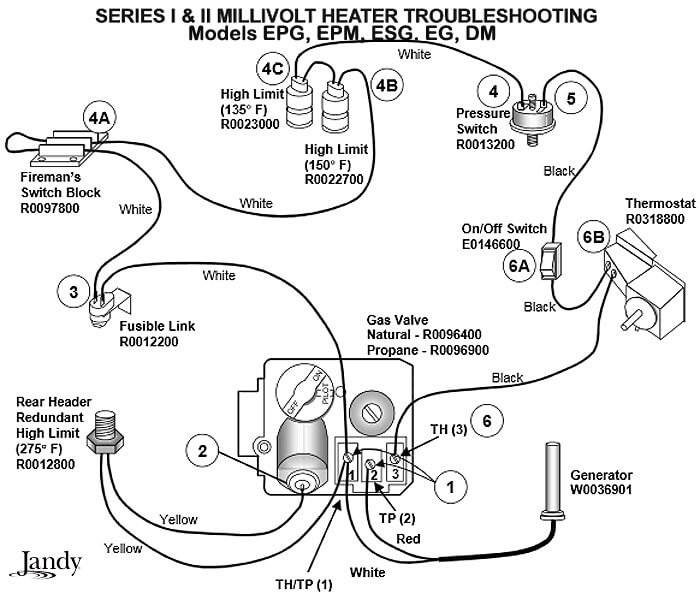
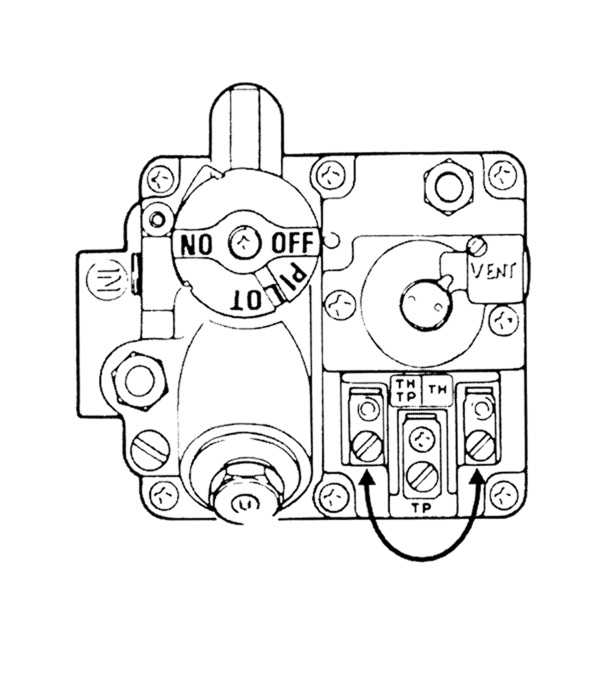
- Millivolt systems: Use a pilot light and thermocouple to open/close the valve.
- Electronic ignition systems: Use sensors and a control board for more precise control.
Recognizing your system type is the first step in troubleshooting.
How A Gas Valve Works
- The thermostat calls for heat.
- The control board or thermocouple checks if it’s safe to open the valve.
- The gas valve opens, allowing gas to flow to the burner.
- The ignition system lights the gas.
- Heated water circulates back into your pool.
If any part of this sequence fails, the pool heater may not function properly. Most gas valve issues involve failure to open, failure to close, or leaks.
Common Signs Of A Gas Valve Problem
Before you start troubleshooting, it’s important to confirm that the gas valve is likely the cause. Here are the most common symptoms:
- Heater won’t ignite—You hear clicking or see the ignitor, but the burner never lights.
- Heater cycles on and off—The heater starts, then quickly shuts down repeatedly.
- No gas smell at the burner—If the heater isn’t firing and you don’t smell gas (when safe to check), the valve may not be opening.
- Error codes—Modern heaters display codes like “IF,” “LO,” or “SENSOR” that can point to valve issues.
- Weak or no heat—The heater runs, but the water doesn’t warm up.
These symptoms can also be caused by other problems (like a dirty filter or faulty thermostat), so careful troubleshooting is essential.

Safety First: Precautions Before Troubleshooting
Gas is dangerous. Even small leaks can cause fire or explosion. Always put safety first:
- Turn off power to the heater at the breaker.
- Shut off the gas supply valve.
- Wait several minutes for any gas to dissipate before opening the heater.
- Use a gas leak detector spray or soapy water to check for leaks after repairs.
- If you ever smell strong gas, evacuate the area and call your gas provider.
Never take risks. If you feel unsure at any step, call a licensed pool technician.
Step-by-step Pool Heater Gas Valve Troubleshooting
Let’s break down the troubleshooting process into clear, manageable steps.
1. Confirm The Problem
Start by making sure the issue isn’t caused by something else.
- Is the pool filter clean and pump running?
- Are water flow and pressure normal?
- Is the thermostat set correctly?
- Is the pilot light (if present) lit?
If these basics check out, move on to the gas valve.
2. Check For Power And Control Signals
A gas valve won’t open without the right signals.
- For millivolt systems: Check for a strong pilot flame and test the thermocouple with a multimeter. A weak or dirty thermocouple won’t generate enough voltage.
- For electronic ignition: Use a multimeter to test for 24V AC at the gas valve terminals when the heater is calling for heat.
If there’s no signal, the problem is likely with the thermostat, control board, or safety switches.
3. Inspect The Gas Supply
- Is the manual gas valve open?
- Is there adequate gas pressure? (A technician can test with a manometer.)
- Are gas lines free of kinks, blockages, or leaks?
- If using propane, is the tank full?
Low gas pressure will prevent the valve from opening or cause weak burner flames.
4. Listen And Feel For Valve Operation
When the heater calls for heat, listen for a click from the gas valve. This means the coil is energized. No sound usually means no power or a faulty coil.
- Place your hand on the valve (be careful, it may be hot) to feel for vibration or movement.
- If you hear or feel nothing, check wiring connections for corrosion or looseness.
5. Test The Gas Valve Coil
The coil (solenoid) inside the valve can fail.
- Turn off power and disconnect the wires from the coil terminals.
- Use a multimeter to check coil resistance (ohms). Compare with manufacturer specs—usually 40-100 ohms.
- Infinite or zero reading means the coil is bad.
6. Check For Blockages Or Sticking
Sometimes debris or corrosion blocks the valve or its orifices.
- Gently tap the valve with a screwdriver handle to free a stuck plunger.
- Remove and inspect the valve if comfortable, looking for obstructions.
- Never use force or tools to pry open a valve—it can cause leaks.
7. Examine The Valve For Leaks
- Mix water and dish soap, brush on valve joints, and look for bubbles.
- Replace any seals or the entire valve if you find leaks.
8. Assess The Control Board And Sensors
The control board may prevent the valve from opening if it detects unsafe conditions.
- Check all wiring connections.
- Test limit switches and sensors for continuity.
- If the board is faulty, replace it only after confirming the valve is not the problem.
9. Replace The Gas Valve (if Necessary)
If the valve fails any of the tests above, replacement is usually the only option.
- Obtain the correct replacement valve (match model numbers exactly).
- Use Teflon tape or pipe dope on threaded joints.
- Test thoroughly for leaks before restarting the heater.
Comparison: Millivolt Vs. Electronic Gas Valves
Knowing your heater’s gas valve type is essential for troubleshooting. Here’s a quick comparison:
| Feature | Millivolt Gas Valve | Electronic Gas Valve |
|---|---|---|
| Ignition Method | Pilot light | Electronic igniter |
| Control Signal | Thermocouple (millivolts) | 24V AC from control board |
| Common Failures | Weak thermocouple, dirty pilot | Bad board, failed sensors |
| Replacement Cost | Lower | Higher |
| Maintenance | Clean pilot, replace thermocouple | Check electronics, update firmware |
Most new heaters use electronic valves. Older models are more likely to use millivolt systems.
Error Codes Related To Gas Valves
Modern pool heaters use error codes to help diagnose issues. Here are some common codes you may see and what they mean:
| Error Code | Possible Cause | What to Check |
|---|---|---|
| IF | Ignition failure | Gas supply, ignitor, valve operation |
| LO | Low temperature or pressure | Flow, thermostat, sensors |
| SENSOR | Faulty sensor detected | Sensors, wiring, control board |
| H5 | High limit exceeded | Thermostat, sensors, gas valve stuck open |
Always check your heater’s manual for model-specific codes.
Real-world Example: Diagnosing A Hayward Pool Heater
Imagine a homeowner with a Hayward H-Series heater. The heater tries to start, clicks several times, but never ignites. Here’s how troubleshooting would go:
- Check basics: Pump is running, filter is clean, thermostat is set high enough.
- Listen for clicks: The gas valve clicks, but no flame appears.
- Test for voltage: Multimeter shows 24V at the gas valve when the heater calls for heat.
- Test for gas: No gas smell at the burner.
- Check gas supply: Manual valve is open, propane tank is full.
- Test coil resistance: Coil shows infinite resistance—it’s open.
- Replace valve: New valve restores operation.
This process avoids guesswork and expensive, unnecessary parts replacement.
Avoiding Common Mistakes In Gas Valve Troubleshooting
Many pool owners and even some technicians make the same errors when working with gas valves. Here’s how to avoid them:
- Skipping basic checks: Always check water flow, power, and thermostat before blaming the gas valve.
- Ignoring safety: Never work on a heater without shutting off gas and power.
- Guessing instead of testing: Use a multimeter and manometer for real data.
- Mixing up wires: Label wires before disconnecting anything.
- Forcing stuck parts: Never pry open a stuck valve—you risk leaks.
- Not leak-testing: Always test with soapy water after repairs.
Taking a methodical approach saves time and keeps your pool safe.
When To Repair Vs. Replace A Gas Valve
Not every gas valve issue requires full replacement. Here’s a quick guide:
- Repair if: The issue is a loose wire, dirty pilot, or replaceable thermocouple.
- Replace if: The coil is open/shorted, the valve leaks, or the body is damaged.
Most repairs are simple if you have the right part. Full valve replacement should be done with extreme care—incorrect installation can be dangerous.
How Much Does Gas Valve Service Cost?
Costs can vary widely by brand, region, and whether you do the work yourself or hire a pro.
| Service Type | DIY Cost | Professional Cost |
|---|---|---|
| Thermocouple Replacement | $10–$30 | $80–$150 |
| Gas Valve Replacement | $80–$200 | $250–$500 |
| Full Heater Service | $0–$50 (cleaning/inspection) | $150–$350 |
DIY can save money, but only if you’re confident and follow safety precautions.
Non-obvious Insights Most Owners Miss
- Intermittent valve problems are common: Sometimes, a gas valve works when cool but fails when hot, or vice versa. Testing both hot and cold can reveal hidden faults.
- Voltage drops matter: Even a small voltage drop in the wiring can prevent the valve from opening. Corroded connectors are often to blame—clean all contacts well.
- Seasonal debris: Insects or spiders sometimes build nests inside gas lines or valves, especially after winter. If your heater worked last season but not this one, inspect for blockages.
- Heater location affects reliability: Heaters installed in damp, unprotected places develop more corrosion and valve failures. If possible, shelter your heater or install a cover.
Understanding these details can save you hours of frustration and help you avoid repeat failures.
Preventative Maintenance For Pool Heater Gas Valves
Regular maintenance keeps your pool heater reliable and extends its life. Here’s what you can do:
- Clean around the heater: Keep debris, leaves, and insects away from the unit.
- Inspect annually: Check connections, pilot assembly, and look for corrosion or leaks.
- Test before swim season: Run the heater and check for proper operation before you need it.
- Lubricate moving parts: If recommended by the manufacturer, use only approved lubricants.
Routine checks can often spot small issues before they become major repairs.
When To Call A Professional
Not all gas valve issues can be fixed by a homeowner. Call a licensed technician if:
- You smell gas and can’t find the leak.
- The valve needs replacement and you’re unsure.
- There are persistent error codes after basic troubleshooting.
- You lack the tools (like a manometer or multimeter).
A professional can diagnose complex problems and ensure your system is safe.
Additional Resources
For more detailed information about pool heater components and troubleshooting, visit the Swimming Pool Heater Wikipedia page. This resource provides technical diagrams and links to manufacturer manuals.
Frequently Asked Questions
What Causes A Pool Heater Gas Valve To Fail?
The most common causes are electrical coil failure, internal corrosion, and blockages from debris or insects. Sometimes, low voltage from control circuits or a faulty thermocouple can prevent the valve from working.
Is It Safe To Replace A Pool Heater Gas Valve Myself?
If you have basic mechanical skills and follow safety steps (shutting off gas and power, checking for leaks), replacing a gas valve is possible. However, incorrect installation can be dangerous. If unsure, always hire a professional.
How Do I Know If My Gas Valve Is Getting Power?
Use a multimeter to test for 24V AC (electronic valves) or millivolts (millivolt systems) at the valve terminals when the heater is calling for heat. No voltage means a problem elsewhere in the system.
Can A Bad Gas Valve Damage My Pool Heater?
A stuck-open valve can cause the heater to overheat, triggering safety shutdowns or damaging other components. Most modern heaters have safety features, but a faulty valve should be fixed immediately.
How Often Should I Maintain My Pool Heater Gas Valve?
Check the gas valve and related components at least once per year before swim season. Clean, inspect for leaks, and test operation. Regular maintenance prevents most common problems.
Keeping your pool heater in top shape isn’t just about comfort—it’s about safety, efficiency, and avoiding expensive repairs. By understanding and troubleshooting your pool heater gas valve, you can enjoy warm swims and peace of mind all year.

