

If your Rheem Performance Platinum water heater is not working as expected, it can quickly disrupt your daily routine. Warm showers, clean dishes, and comfortable living all depend on reliable hot water. When your water heater starts having problems, you might feel frustrated or even overwhelmed. But most issues can be solved with some basic troubleshooting steps. In this guide, you’ll learn how to diagnose common problems, understand error codes, and fix typical faults. With clear instructions and practical advice, you’ll be able to restore your water heater’s performance without needing advanced skills.
Understanding The Rheem Performance Platinum Water Heater
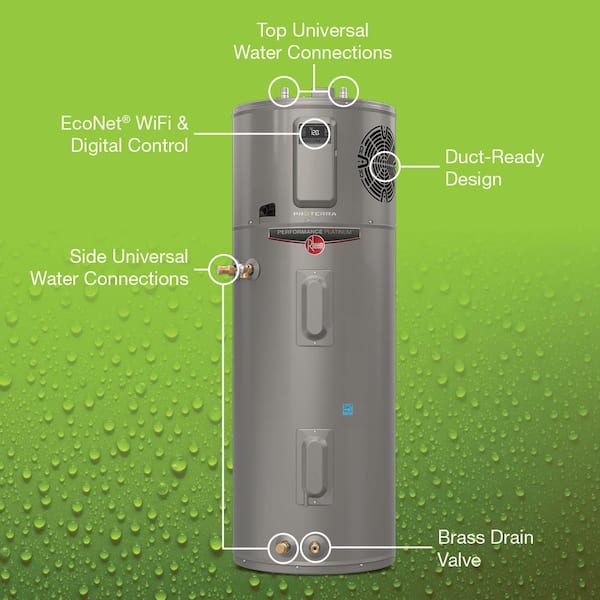
The Rheem Performance Platinum series is popular in American homes because it is efficient, durable, and offers smart features. Models come in both gas and electric types, each with unique controls and sensors. Many units feature EcoNet connectivity, allowing remote monitoring and alerts.

36% off Today’s Exclusive Deals
Limited-time Exclusive Deals. Check current discount on Amazon.
Check Price on Amazon As an Amazon Associate I earn from qualifying purchases.Key features include:
- Self-cleaning: Reduces sediment buildup
- Energy-saving modes: Helps lower utility bills
- Leak detection: Alerts users to potential problems
- High recovery rate: Heats water quickly
Before troubleshooting, it’s helpful to know your model number, fuel type (gas or electric), and whether you have a tankless or tank model. This information is usually found on the unit’s label.
Safety Precautions Before Troubleshooting
Safety should always come first. Water heaters combine water, electricity, and sometimes gas—dangerous elements if handled improperly.
Follow these safety steps:
- Turn off power: For electric models, switch off the circuit breaker. For gas models, set the gas valve to “OFF.”
- Shut off water supply: Close the cold water inlet valve.
- Let the unit cool: Hot water and steam can cause burns.
- Wear gloves and eye protection: Prevent injury from hot surfaces or chemicals.
- Check for gas leaks: If you smell gas, leave the area immediately and call your gas supplier.
If you’re unsure or uncomfortable, contact a licensed technician. Some repairs need special tools or expertise.
Common Symptoms And Quick Diagnosis
You can often identify the problem by observing symptoms. Let’s look at the most frequent issues:
No Hot Water
- Electric model: Could be a tripped breaker, faulty heating element, or thermostat.
- Gas model: Might be a pilot light issue, gas valve fault, or ignition failure.
Water Not Hot Enough
- Thermostat may be set too low.
- Sediment buildup inside the tank.
- Heating element or burner is worn out.
Water Too Hot
- Thermostat set too high.
- Thermostat malfunction.
Leaking Water Heater
- Loose connections, faulty valves, or tank corrosion.
Strange Noises
- Popping, rumbling, or hissing usually means sediment buildup.
Error Codes
Many Rheem Platinum models display error codes on a digital screen or flash lights. Understanding these codes speeds up diagnosis.
Error Codes And What They Mean
Rheem Performance Platinum water heaters often use error codes to pinpoint faults. Here are some common codes and their meanings:
| Error Code | Meaning | Possible Cause |
|---|---|---|
| F08 | Low Water Flow | Clogged filter or valve |
| F12 | Ignition Failure | Gas valve, igniter, or sensor issue |
| E02 | Thermostat Failure | Wiring, thermostat, or control board problem |
| E13 | High Temperature | Thermostat set too high, sensor fault |
| E17 | Leak Detected | Internal leak sensor triggered |
Always check your user manual for model-specific codes. If your display shows an unfamiliar code, search the manual or Rheem’s website.
Step-by-step Troubleshooting For Common Problems
Let’s walk through how to troubleshoot the most frequent issues with Rheem Performance Platinum water heaters. Each step is designed for beginners but includes expert tips.
No Hot Water (electric Models)
- Check the circuit breaker: Ensure it hasn’t tripped. Reset if needed.
- Inspect the thermostat: Set to 120°F–140°F for best results.
- Test heating elements: Use a multimeter to check resistance. Replace if faulty.
- Check wiring: Look for loose or burned wires.
Pro tip: If both heating elements fail, the issue may be with the control board, not the elements themselves.
No Hot Water (gas Models)
- Check the gas supply: Make sure the gas valve is open.
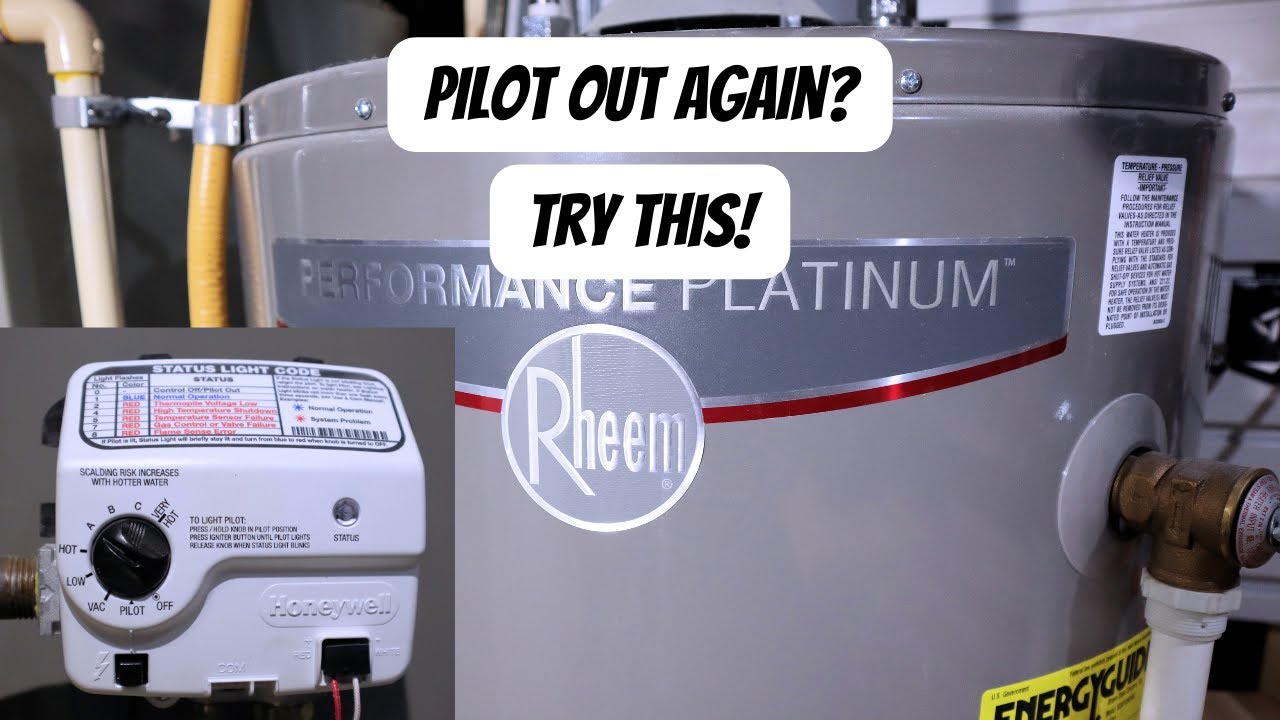
- Inspect pilot light: If off, relight following manual instructions.
- Test thermocouple: If the pilot won’t stay lit, the thermocouple might need replacement.
- Examine ignition system: For electronic models, check for error codes and follow prompts.
Non-obvious insight: If the pilot keeps going out, check for drafts or dirty burner assembly—a dirty burner can cause frequent outages.
Water Not Hot Enough
- Adjust thermostat: Set higher, but not above 140°F.
- Flush tank: Sediment reduces heating efficiency. Drain a few gallons monthly.
- Check dip tube: If broken, cold water mixes with hot, lowering temperature.
Expert tip: Regular tank flushing prolongs element life and improves efficiency.
Water Too Hot
- Lower thermostat: Adjust to 120°F–140°F.
- Test thermostat: If water stays too hot, the thermostat may be stuck or faulty.
Leaking Water Heater
- Check connections: Inspect pipes and valves for loose fittings.
- Inspect pressure relief valve: Replace if leaking.
- Look for tank corrosion: If the tank itself leaks, replacement is usually needed.
Beginner mistake: Ignoring small leaks can lead to major damage. Fix leaks promptly.
Strange Noises
- Flush tank: Sediment causes popping and rumbling.
- Inspect heating element: Scale buildup can make hissing sounds.
Practical insight: Water softeners can reduce sediment but may shorten tank life if overused.
Error Code Troubleshooting
When your unit displays an error code, follow this process:
- Note the code: Write down the exact error.
- Consult the manual: Find the meaning and recommended action.
- Reset the unit: Sometimes turning off and on clears the error.
- Perform repairs: Follow manual or online guidance for fixes.
If the code persists, contact Rheem customer support or a licensed technician.
Basic Maintenance For Rheem Performance Platinum Water Heaters
Proper maintenance keeps your water heater running smoothly and avoids costly repairs. Here are key tasks:
Regular Tank Flushing
Sediment builds up over time, especially in areas with hard water.
- Turn off power/gas and water supply.
- Attach a hose to the drain valve.
- Open the valve and drain several gallons.
- Close valve, refill tank, and restore power/gas.
Flush your tank every 6–12 months.
Inspecting And Replacing Anode Rod
The anode rod prevents tank corrosion. It should be checked every 2 years.
- Turn off water and power/gas.
- Unscrew the rod from the top of the tank.
- Replace if it’s less than ½ inch thick or covered in calcium.
Checking Pressure Relief Valve
This safety device releases excess pressure.
- Lift the valve lever. Water should flow and stop when released.
- If it leaks or doesn’t work, replace immediately.
Cleaning Air Intake And Vents (gas Models)
Blocked vents can lead to poor performance or dangerous conditions.
- Inspect intake screens for dust.
- Use a vacuum or brush to clean.
Digital Controls And Econet System
If your unit uses EcoNet, check for firmware updates and battery replacements. Faulty connections or dead batteries can cause false alerts.
Comparing Rheem Platinum Models
You might wonder how different Rheem Platinum models compare in troubleshooting and maintenance. Here’s a quick overview:
| Model Type | Common Issues | Repair Difficulty | Maintenance Needs |
|---|---|---|---|
| Electric Tank | Heating element, thermostat | Medium | Flush, anode rod |
| Gas Tank | Pilot light, burner, thermocouple | Medium | Flush, vent cleaning |
| Tankless Gas | Error codes, ignition | Hard | Filter cleaning, vent |
| Hybrid Electric | Heat pump, digital controls | Medium | Flush, filter, firmware |
Hybrid and tankless models often need professional help for complex problems, especially those related to digital controls.
When To Call A Professional
Some repairs are best left to experts. Contact a licensed plumber or Rheem technician if you encounter:
- Persistent leaks from the tank
- Repeated error codes despite resets
- Gas smells or suspected carbon monoxide leaks
- Electrical shorts or burned wires
- No hot water after basic troubleshooting
Attempting advanced repairs without training can void your warranty or cause injury.
How To Reset Your Rheem Performance Platinum Water Heater
Resetting the unit is a common fix for minor faults and error codes. Here’s how:
Electric Models
- Turn off power at the breaker.
- Locate the reset button (usually red) on the thermostat.
- Press and hold for 5 seconds.
- Restore power and check operation.
Gas Models
- Set gas valve to “OFF.”
- Wait 5–10 minutes.
- Set to “ON” or “PILOT” and relight as needed.
Some tankless or hybrid models have digital reset options—check your manual.
Non-obvious insight: Frequent resets may signal a deeper issue, such as a faulty thermostat or control board.
Upgrading Or Replacing Parts
If basic troubleshooting doesn’t solve the problem, you may need to replace parts. Common replacements include:
- Heating elements (electric)
- Thermocouple (gas)
- Anode rod
- Pressure relief valve
- Dip tube
Always use genuine Rheem parts for best performance and warranty protection.
Beginner mistake: Choosing cheap, non-branded parts can cause more problems or void your warranty.
Preventing Common Rheem Water Heater Problems
Simple steps can help prevent issues:
- Flush tank regularly: Reduces sediment and improves efficiency.
- Check thermostat settings: Avoid extreme temperatures.
- Inspect for leaks and corrosion: Early detection prevents major repairs.
- Test pressure relief valve: Ensures safety.
- Clean air intake/vents: Prevents blockages and fire risk.
Expert tip: Install a water leak detector under your heater for early warning.
Rheem Customer Support And Warranty
Rheem offers a limited warranty for Performance Platinum models—usually 12 years for tanks, 3–5 years for parts. Register your unit for full coverage.
If you need help, contact Rheem support:
- Phone, email, or online chat
- Provide model and serial number
- Describe the issue clearly
For warranty claims, keep your proof of purchase and service records.
For official troubleshooting resources and manuals, visit the Rheem website.

Frequently Asked Questions
How Do I Flush My Rheem Performance Platinum Water Heater?
To flush your unit, turn off power/gas and water supply. Attach a hose to the drain valve and open it, draining several gallons. Close the valve, refill the tank, and restore power/gas. Flushing removes sediment and improves performance.
What Does The Error Code E13 Mean On My Rheem Water Heater?
E13 indicates high temperature. Check that your thermostat is set correctly (120°F–140°F). If the code persists, the thermostat or sensor might be faulty and need replacement.
Why Does My Water Heater Make Popping Noises?
Popping noises are usually caused by sediment buildup inside the tank. Flushing the tank often solves the problem. Sediment forms from minerals in water and reduces efficiency.
How Often Should I Replace The Anode Rod?
Check your anode rod every 2 years. Replace it if it’s less than ½ inch thick or covered in calcium. A healthy rod prevents tank corrosion.
Can I Repair A Leaking Tank Myself?
If the leak is from a pipe or valve, you can try tightening or replacing it. But if the tank itself leaks, replacement is the only safe option. Attempting to patch a corroded tank is not recommended.
Fixing your Rheem Performance Platinum water heater doesn’t have to be a stressful task. By following clear steps and maintaining your unit regularly, you can avoid most problems and enjoy reliable hot water for years. Remember, safety comes first—if in doubt, call a professional. With the right approach, your water heater will serve you well, keeping your home comfortable and your daily routine running smoothly.

