

Maytag Washer Troubleshooting Spin Cycle
When your Maytag washer refuses to spin, laundry piles up fast and frustration rises. The spin cycle is crucial—it squeezes water from clothes, making drying much faster. If the spin cycle stops working, your washer leaves clothes soggy and heavy. Many Maytag owners face this problem at some point, but the good news is that most spin issues can be fixed with basic troubleshooting.
This article will guide you step by step through common Maytag washer spin cycle problems, explain what really matters in diagnosing them, and offer practical solutions. Whether your machine is making noises, refusing to start spinning, or stopping mid-cycle, you’ll find clear answers here. We’ll also include real-world examples, simple tables to compare symptoms and causes, and actionable tips from years of hands-on experience.

36% off Today’s Exclusive Deals
Limited-time Exclusive Deals. Check current discount on Amazon.
Check Price on Amazon As an Amazon Associate I earn from qualifying purchases.You’ll learn how to check for obvious problems, understand when a part might be failing, and spot mistakes that could lead to bigger repairs. Even if you’re not a technical expert, you’ll find advice that’s easy to follow. Let’s help your Maytag washer spin like new again.
How The Maytag Washer Spin Cycle Works
Before jumping into fixes, it’s important to know how the spin cycle operates. Understanding the basics makes troubleshooting much easier.
During the spin cycle, the washer drum turns at high speed. This rotation uses centrifugal force to push water out of clothes. The water drains through a pump and hose into your home’s plumbing. For all this to work, several parts need to function together:
- Lid switch: Detects if the lid is closed (for safety)
- Drive motor: Powers the drum’s rotation
- Belt or direct drive: Transfers motor power to the drum
- Drain pump: Removes water from the drum
- Control board or timer: Tells each part when to work
If any of these parts fail or become blocked, the spin cycle can stop. Sometimes, the issue is as simple as an unbalanced load or a clogged drain. Other times, it’s electrical or mechanical. The next sections break down how to pinpoint the real cause.
Common Symptoms Of Spin Cycle Failure
Maytag washers can show different signs when something is wrong with the spin cycle. Recognizing these symptoms helps you focus your troubleshooting.
Washer Won’t Spin At All
The drum doesn’t move during the spin cycle. The washer might fill, agitate, and drain, but the spin never starts.
Washer Spins Slowly
The drum turns, but much slower than normal. Clothes come out wetter and heavier than expected.
Washer Stops Mid-spin
The washer begins spinning, then suddenly stops and may display an error code or leave water in the drum.
Washer Makes Unusual Noises
Loud banging, squeaking, or grinding sounds during the spin cycle suggest a mechanical problem.
Washer Leaves Clothes Wet
Even if the spin cycle completes, clothes stay wet and take a long time to dry.
Understanding these signs points you in the right direction for repair.
Quick Checks Before Deeper Troubleshooting
Some spin problems are caused by small, easily fixed issues. Try these quick checks first—many people miss these basics.
- Power supply: Make sure the washer is plugged in and the outlet works. Reset the breaker if needed.
- Washer overloaded: Too many clothes can stop the drum from spinning. Remove some items and try again.
- Unbalanced load: Heavy items on one side can trigger the washer’s safety features. Redistribute clothes evenly.
- Lid not closed: If the lid isn’t shut tightly, the washer won’t spin for safety reasons.
- Spin cycle selected: Double-check that the correct cycle is chosen on the control panel.
These simple steps fix many cases. If the washer still won’t spin, move to the next sections.
Key Parts Involved In The Spin Cycle
Different Maytag models use slightly different designs, but the main spin system parts are similar. Here’s a closer look at each part and what can go wrong.
Lid Switch Assembly
The lid switch is a safety device. It stops the washer from spinning if the lid is open. If the switch is faulty, the machine “thinks” the lid is always open and blocks spinning.
Symptoms of a bad lid switch:
- Washer fills and agitates but won’t spin
- No sound when closing the lid
- Sometimes, a clicking noise is missing when you shut the lid
Drive Motor And Motor Coupler
The drive motor powers the spinning drum. In some models, a motor coupler connects the motor to the transmission. If the motor fails, the washer won’t spin. If the coupler breaks, the motor runs but nothing moves.
Symptoms of motor or coupler problems:
- Washer hums but drum doesn’t turn
- Burning smell or smoke from underneath
- Drum can be spun by hand when off (if coupler is broken)
Drive Belt
Belt-driven models use a drive belt to connect the motor to the drum. Over time, belts stretch, slip, or break.
Symptoms of belt issues:
- Drum doesn’t move during spin cycle
- Squealing or rubbing noise
- Belt looks loose or cracked when checked
Drain Pump
The drain pump removes water from the drum during the spin. If water doesn’t drain, the washer may stop spinning to prevent flooding.
Symptoms of a clogged or broken pump:
- Water remains in the drum after cycle
- Washer stops mid-spin or before spin starts
- Buzzing noise from pump area
Control Board Or Timer
Modern washers use a control board to manage cycles. Older models use a timer. If this part fails, the washer may skip spinning or shut off unexpectedly.
Symptoms of control board/timer problems:
- Cycle doesn’t advance past spin
- Error codes on digital display
- No response to control panel inputs
Table: Comparing Spin Cycle Symptoms And Likely Causes
Here’s a summary to help you quickly match your washer’s symptom to a possible cause.
| Symptom | Possible Cause | Check/Action |
|---|---|---|
| Washer won’t spin at all | Lid switch, motor, control board | Test lid switch, listen for motor, check control panel |
| Drum spins slowly | Belt, overloaded drum, motor | Inspect belt, reduce load, test motor |
| Stops mid-spin | Drain pump, load unbalanced, control board | Check for water, redistribute load, reset cycle |
| Noises during spin | Belt, bearings, foreign objects | Inspect under washer, listen for grinding |
| Clothes too wet | Pump, spin speed, load size | Check drain, repeat spin, adjust load |
Step-by-step Troubleshooting For Maytag Washer Spin Issues
Let’s walk through the most effective steps to find and fix common spin cycle failures.
1. Reset The Washer
Sometimes the control board gets confused. Unplug the washer for one minute, then plug it back in. This simple reset can fix electronic glitches and restore normal operation.
2. Inspect The Lid Switch
Open and close the lid slowly. Listen for a distinct click—this means the switch is engaging. If you hear nothing, use a multimeter to check for continuity (if comfortable). A faulty switch must be replaced.
3. Check The Drive Belt
Unplug the washer and remove the back panel (if safe and possible). Look for a loose, broken, or worn belt. If the belt slips off or feels slack, replace it with a genuine Maytag part.
4. Test The Drain Pump
Select a drain or spin cycle and watch for water draining. If water stays in the drum, inspect the pump for blockages—coins, buttons, or lint can get stuck. Some pumps have a removable filter you can clean.
5. Examine The Motor And Coupler
If the washer makes noise but the drum doesn’t move, the motor or coupler may be the issue. Check for burning smells or visible damage under the washer. Replacing a motor or coupler is more advanced—consider calling a technician if you’re unsure.
6. Look For Error Codes
Many newer Maytag washers display error codes on the control panel. Find your model’s manual or search online for code meanings. Codes like “F7 E1” often mean a motor or speed sensor problem.
7. Balance The Load
Uneven loads can cause the washer to stop spinning. Try removing items, spreading clothes evenly, and restarting the cycle. If your model has a “re-balance” feature, use it.
8. Inspect The Control Board Or Timer
If all else fails and the washer still won’t spin, the electronic control or timer may need replacement. Boards and timers rarely fail compared to switches and pumps, but it does happen—especially after power surges.
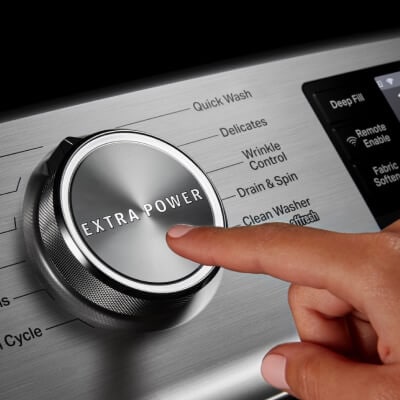
Table: Diy Troubleshooting Steps And Tools Needed
To help you plan repairs, here’s a quick guide to the tools you’ll need for each common fix.
| Step | Tools Needed | Skill Level |
|---|---|---|
| Lid switch check/replacement | Screwdriver, multimeter | Beginner |
| Drive belt inspection | Screwdriver, flashlight | Beginner-Intermediate |
| Drain pump cleaning | Pliers, towel | Beginner |
| Motor/coupler check | Screwdriver, socket wrench | Intermediate |
| Control board/timer | Screwdriver, caution with wiring | Advanced |
When To Call A Professional
Not every spin cycle failure is a DIY job. Here’s when it’s best to call a certified technician:
- Electrical smells or smoke from the washer
- Water leaks from the bottom or back
- Repeated error codes that do not clear with a reset
- Washer under warranty (DIY repairs can void coverage)
- Comfort level: If you’re not sure, it’s safer and sometimes cheaper to get expert help
A good technician can quickly pinpoint issues, especially with motors and control boards. Sometimes, they have diagnostic tools homeowners don’t.
Hidden Causes Beginners Often Miss
Some problems are less obvious but can still cause the spin cycle to fail.
Clogged Drain Hose
Lint, coins, or small socks can block the drain hose. If water backs up, the washer won’t spin. Detach the hose at the back and flush it out with water.
Faulty Door Lock On Front-load Models
Many Maytag front-load washers use a door lock instead of a lid switch. If the lock mechanism fails, the washer won’t spin, even if the door seems closed.
Worn Suspension Rods Or Shock Absorbers
Top-loaders use suspension rods, and front-loaders have shock absorbers to reduce vibration. If these wear out, the washer may shake too much and stop spinning for safety. Inspect for broken or loose supports.
Control Panel Settings
Sometimes, settings like “Rinse & Spin” or “Drain & Spin” are missed. Make sure you’re selecting a cycle that includes spinning.
Inlet Water Problems
If the washer can’t fill with water properly, it may skip the spin cycle. Check water supply valves and screens for blockages.
Table: Common Mistakes To Avoid
Many homeowners make simple errors that slow down repairs. Here’s how to avoid them.
| Mistake | What Happens | How to Avoid |
|---|---|---|
| Ignoring error codes | Misdiagnosis, wasted time | Check codes in manual or online |
| Overloading the washer | Unbalanced, no spin | Follow load size guidelines |
| Not unplugging before repair | Shock risk | Always unplug washer first |
| Using wrong replacement parts | Repeat failures | Order correct Maytag parts |
| Skipping drain hose check | Hidden blockages | Flush hose regularly |
Preventing Spin Cycle Problems
Regular maintenance helps keep your Maytag washer spinning strong. Here are easy tips to prevent future trouble:
- Clean the drain pump filter every few months
- Check and tighten hoses at least once a year
- Don’t overload the drum—follow capacity in your manual
- Wipe the lid/door area to keep switches free of lint or detergent
- Run a cleaning cycle monthly to prevent buildup
It’s also smart to watch for early warning signs: louder-than-normal noises, longer spin times, or error messages. Fixing small issues early avoids bigger repairs later.
How To Find Maytag Washer Model Information
To get the right parts or look up your manual, you’ll need the full model number. This is usually found:
- Inside the lid or door frame
- On the back of the washer
- In the manual or warranty paperwork
Take a photo of the label or write it down before buying parts or calling for service.
Cost Of Common Maytag Spin Cycle Repairs
Repair costs can vary by location and washer age. Here’s a rough guide:
- Lid switch: $20–$50 for parts, $100–$150 with labor
- Drive belt: $15–$35 for parts, $80–$120 with labor
- Drain pump: $40–$80 for parts, $120–$200 with labor
- Motor/coupler: $40–$120 for parts, $180–$300 with labor
- Control board/timer: $120–$250 for parts, $250–$400 with labor
DIY repairs save money, but if your washer is over ten years old, weigh the repair cost against a new machine. For more on repair vs. replace, visit the Consumer Reports Guide.
Real-world Example: Diagnosing A Maytag Top-load Washer
Let’s see how this troubleshooting process works in the real world.
A homeowner notices their Maytag top-load washer isn’t spinning. The drum fills and agitates, but when the spin cycle starts, nothing happens. The washer makes no unusual noises.
- First, they check the lid switch. No click is heard when closing the lid.
- Using a screwdriver, they remove the top panel and test the switch with a multimeter. No continuity—so the switch is bad.
- A new lid switch is ordered for $25, installed with basic tools, and the washer spins perfectly again.
This shows the value of simple checks and how a cheap part can solve a big problem.
The Role Of Error Codes In Modern Maytag Washers
Many newer Maytag washers use digital displays to show error codes. These codes help you narrow down the cause quickly. For example:
- F7 E1: Indicates a motor speed issue
- F5 E3: Door or lid lock not engaging
- F9 E1: Long drain time—often a pump or hose issue
Always consult your washer’s manual for code meanings. If you lose the manual, most are available on the Maytag official website.
Upgrading Or Replacing Instead Of Repairing
If your washer is old, noisy, and breaking down often, consider a new machine. Modern Maytag washers are more efficient, use less water, and have advanced spin features. Before buying, compare:
- Warranty length: New models often include better coverage
- Spin speed: Higher RPM means drier clothes
- Noise levels: New machines are quieter
- Energy use: Save money with Energy Star models
If repairs cost more than half the price of a new washer, replacement often makes sense.
Frequently Asked Questions
Why Does My Maytag Washer Stop Spinning Mid-cycle?
Most often, the washer stops spinning mid-cycle due to an unbalanced load, a blocked drain pump, or a faulty lid switch. Remove some items, redistribute the load, and restart. If the problem continues, check for error codes or blockages.
How Do I Know If The Lid Switch Is Bad?
A bad lid switch often shows no click when the lid is closed, and the washer will fill and agitate but never spin. Use a multimeter to test the switch for continuity. If it fails the test, replace it.
Can I Replace The Drive Belt Myself?
Yes, if you’re comfortable using basic tools. Unplug the washer, remove the back panel, and inspect the belt. If it’s loose or damaged, buy a genuine Maytag replacement and install it according to your manual.
Is It Safe To Run A Washer With A Broken Spin Cycle?
It’s not recommended. Running the washer without a working spin cycle leaves clothes wet and can cause mold, odors, and strain on other parts. Fix the problem before using the washer again.
Where Can I Find Reliable Maytag Washer Repair Guides?
The official Maytag website and repair forums offer step-by-step guides. Also, video tutorials on YouTube can help with visual instructions. Always use your exact model number for the right guide.
With the right approach, most Maytag washer spin cycle problems can be solved quickly and cheaply. Start with simple checks, move on to part replacements if needed, and don’t hesitate to call for help with complex repairs. Regular maintenance and careful use will keep your washer spinning strong for years to come.

