

If you own a Simpson pressure washer, you know how valuable it is for cleaning driveways, decks, cars, and more. But even the best machines can run into problems. When your pressure washer starts acting up, it can be frustrating and confusing.
Luckily, most issues can be fixed with some simple troubleshooting. This guide will help you solve the most common Simpson pressure washer problems, explain the causes, and show you how to get your washer working again quickly. Whether you’re a homeowner or using the washer for business, you’ll find practical advice and clear steps for safe and effective repairs.

36% off Today’s Exclusive Deals
Limited-time Exclusive Deals. Check current discount on Amazon.
Check Price on Amazon As an Amazon Associate I earn from qualifying purchases.Understanding Your Simpson Pressure Washer
Before diving into troubleshooting, it’s helpful to know how your Simpson pressure washer works. Most models use a gas or electric motor to power a high-pressure water pump. Water enters from your hose, is pressurized, and exits through the spray gun. Key parts include the engine or motor, pump, hose, spray gun, nozzle, and unloader valve. Problems can happen anywhere in this system, so identifying the faulty part is the first step.
Common Simpson Pressure Washer Models
Simpson offers a variety of models. Here’s a quick comparison of some popular options:
| Model | Type | PSI | GPM | Best For |
|---|---|---|---|---|
| MegaShot | Gas | 3200 | 2.5 | Home use |
| PowerShot | Gas | 3300 | 2.5 | Heavy-duty |
| Clean Machine | Electric | 2300 | 1.2 | Light tasks |
| ALH Series | Gas | 3600 | 2.5 | Professional |
Knowing your model helps you find the right troubleshooting steps, since some issues are unique to gas or electric units. For example, electric models are typically quieter, lighter, and simpler to start, but they often have lower pressure and require a power source.
Gas models are more powerful and portable, but need regular maintenance and can be harder to start, especially in cold weather.
The way your washer operates can also influence the type of problems you’ll face. For instance, if you work in a dusty area, your air filter and nozzle might clog more often. If you use well water, mineral buildup can occur inside the pump and hoses.
Understanding these details helps you spot potential issues earlier.
Diagnosing Common Problems
Troubleshooting starts with recognizing the symptoms. Here are the most frequent issues:
- No pressure or low pressure
- Washer won’t start
- Water leaks
- Engine problems (gas models)
- Pump issues
- Spray gun problems
Let’s explore each issue in detail and learn how to fix them.
Low Pressure Or No Pressure
This is the most common problem. If your Simpson pressure washer isn’t delivering strong water pressure, follow these steps:
Step 1: Check Water Supply
Low pressure can be caused by a weak water supply. Make sure your hose is fully open and not kinked. The minimum flow should be at least 2 gallons per minute (GPM) for most models.
Sometimes, if you are using a long garden hose or your outdoor faucet is older, water flow might not be strong enough. Try connecting the washer to a different spigot or use a shorter, wider hose. Also, remove any extra attachments like splitters that could reduce flow.
Step 2: Inspect The Nozzle
A clogged nozzle is a frequent cause. Remove the nozzle and clean it with a needle or compressed air. Simpson recommends using only approved nozzle sizes.
If you clean with dirty water, small particles can block the nozzle easily. Even a tiny grain of sand can change the spray pattern or reduce pressure. Always rinse off nozzles after each use and store them in a clean, dry place.
Step 3: Examine The Hose
Look for leaks, kinks, or blockages in the high-pressure hose. Replace damaged hoses. Even a small leak can reduce pressure by 20% or more.
If you notice bulges in the hose, replace it immediately. A burst under pressure can be dangerous. Sometimes, an old hose becomes stiff and is more likely to kink, especially in cold weather.
Step 4: Check The Unloader Valve
The unloader valve controls water flow and pressure. If it’s stuck or faulty, pressure drops. Adjust or replace the valve as needed.
It’s common for the unloader valve to get stuck after months of use, especially if you store your washer outside. Lubricate the valve regularly and exercise it by moving it back and forth to prevent sticking.
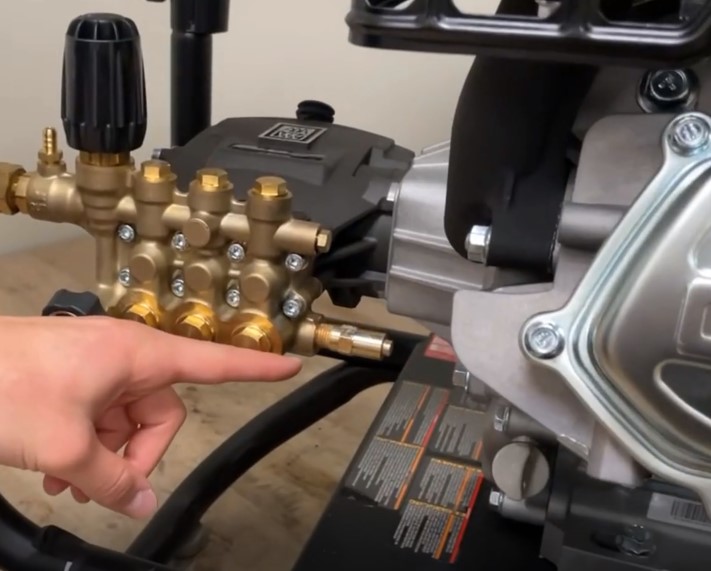
Step 5: Pump Troubles
If the pump is noisy or leaking, it may need new seals or oil. Pumps usually last 300–500 hours if maintained. Refer to your manual for oil type and levels.
A worn pump might also make a rattling noise or vibrate excessively. Always check for proper oil levels and change the oil if it looks milky (which means water contamination).
Example Problem
Suppose your MegaShot washer has low pressure, but water flows normally. You check the nozzle and find it clogged with dirt. After cleaning, pressure returns to normal.
Sometimes, the solution is as simple as cleaning a nozzle or straightening a kinked hose, so always check these easy fixes before replacing parts.
Washer Won’t Start
If your pressure washer won’t start, the solution depends on whether you have a gas or electric model.
Gas Models
- Check fuel level – Always use fresh, clean gasoline. Old fuel causes starting issues.
- Inspect spark plug – Remove and clean or replace if dirty or damaged.
- Check oil level – Low oil may trigger a safety shutoff.
- Prime the engine – Some models need priming before starting.
- Look for a clogged air filter – Clean or replace as needed.
If you stored your washer over the winter without draining fuel, the carburetor might be clogged with varnish. In this case, you may need to clean or rebuild the carburetor. Add a fuel stabilizer if you plan to store the washer for more than a month.
Electric Models
- Verify power supply – Ensure the outlet works and the cord is not damaged.
- Check reset button – Many electric units have a reset on the plug.
- Inspect the trigger switch – Make sure it clicks when pressed.
- Test with another outlet – Sometimes, outlets have low voltage.
If the washer still doesn’t start, try using a heavy-duty extension cord rated for outdoor use. Thin or long extension cords can cause voltage drops and prevent the motor from starting.
Real-life Example
A user with a Clean Machine electric washer found it wouldn’t start. After plugging into a different outlet, it worked perfectly, showing the original outlet was faulty.
Another common mistake is forgetting to turn the power switch “on” at the unit itself, especially if you’re used to only using the wall outlet.

Water Leaks
Leaking water can be messy and reduce performance. Here’s how to fix leaks:
Step 1: Pinpoint The Leak
Common leak locations are the hose connections, pump, and spray gun. Dry everything and run the washer to see where water drips.
Sometimes leaks only appear under pressure. If the leak is slow, wrap a tissue around suspected spots and watch for moisture.
Step 2: Tighten Connections
Loose fittings are the simplest fix. Use a wrench to tighten all hoses and connectors.
Be careful not to overtighten plastic connectors, as they can crack. If you see white mineral buildup, clean it off before reconnecting.
Step 3: Replace O-rings
O-rings seal connections. Over time, they crack or wear out. Simpson sells O-ring kits for easy replacement.
Always keep a spare O-ring kit on hand. Replacing an O-ring takes only minutes and can save a cleaning job from being delayed.
Step 4: Pump Seal Replacement
If leaks come from the pump body, seals may need replacing. This is more advanced and usually requires disassembling the pump.
Professional repair is often best for internal pump leaks, as incorrect assembly can damage the pump.
Step 5: Hose Replacement
A burst hose should be replaced immediately. Using a damaged hose is dangerous.
Modern hoses have a steel mesh layer for strength. If you see fraying or bulges, replace the hose before it fails.
| Leak Location | Common Cause | Recommended Fix |
|---|---|---|
| Hose connection | Loose fitting, worn O-ring | Tighten or replace O-ring |
| Pump | Worn seal | Replace seal |
| Spray gun | Cracked body | Replace gun |
Engine Problems (gas Models)
Gas engines require more maintenance than electric ones. Here are the main issues:
Engine Won’t Start
Check fuel, spark plug, air filter, and oil as described earlier. If all seem fine, check for a blocked carburetor. Clean it if necessary.
If your engine still won’t start, check for a stuck choke or a fuel valve left closed. These simple things are easy to overlook, but they can prevent starting.
Engine Runs Rough
If the engine sputters or stalls, inspect the fuel filter and carburetor. Dirty parts cause poor performance.
Sometimes, water in the fuel can cause engine surging. Drain the fuel tank and refill with fresh gasoline if you suspect contamination.
Engine Overheating
Running your pressure washer for too long without breaks may cause overheating. Avoid running the engine for more than 30–45 minutes at a time.
If you need to clean a large area, take short breaks every 30 minutes to let the engine cool. Keep the engine’s cooling fins clean and free of debris for best airflow.
Common Mistakes
- Using old gasoline
- Ignoring oil changes
- Forgetting to clean air filters
A little maintenance goes a long way. Mark your calendar or set reminders for oil changes and filter cleaning.
Example
A PowerShot user ignored oil changes, resulting in engine damage after 100 hours. Regular maintenance could have prevented this.
Pump Issues
The pump is the heart of your Simpson pressure washer. Problems here can stop the machine from working.
Pump Not Pressurizing
If the pump doesn’t build pressure, check for air in the system. Purge air by running water through the washer before starting the engine.
If you hear a rattling noise, it may mean a valve is stuck or a seal is damaged. Pumps can also lose pressure if the water supply has too much air mixed in—this can happen if the hose connection is loose.
Pump Leaks
As discussed, leaks often come from bad seals. Replace them as needed.
If you see oil leaking from the pump, stop using the washer until you fix it. Running a pump with low oil will quickly cause permanent damage.
Pump Overheating
Pump overheating is common when you leave the washer running without spraying water. Always release pressure every few minutes.
Never let the washer idle for more than 2–3 minutes without spraying water. Heat builds up fast and can warp seals inside the pump.
Pump Oil Problems
Most Simpson pumps require oil changes every 100 hours of use. Low or dirty oil can cause pump failure. Use only recommended oil types.
If you notice the oil is dark or milky, change it immediately. Milky oil means water is leaking into the pump, which can quickly destroy bearings and seals.
| Pump Problem | Possible Cause | Solution |
|---|---|---|
| No pressure | Airlock, clogged nozzle | Purge air, clean nozzle |
| Leak | Damaged seal | Replace seal |
| Overheating | Continuous operation | Turn off or spray water regularly |
Spray Gun Problems
The spray gun is your main control. Problems here can stop cleaning.
Trigger Won’t Pull
If the trigger is stuck, debris may be inside. Disassemble and clean. Lubricate moving parts.
It’s also important to check if the safety lock is engaged. Many guns have a small safety switch to prevent accidental spraying.
Gun Leaks
Leaking at the gun often means a bad O-ring or cracked body. Replace as needed.
If the leak is where the hose connects, try a new O-ring first. If water sprays from the trigger or handle, the gun itself may need replacing.
Poor Spray Pattern
A worn nozzle can cause uneven spray. Replace nozzles every 6–12 months if used often.
Try different nozzles to see if the problem is isolated to one size or type. Always match the nozzle size to your washer’s pressure rating.
Example
A user had a trigger that wouldn’t pull. After cleaning out sand, the gun worked again.
Another person found that a poor spray pattern was due to a damaged nozzle they had accidentally dropped on concrete.
Troubleshooting Tips For Beginners
Here are some insights beginners often miss:
- Air in the system – Always bleed air by running water with the engine off before starting.
- Proper storage – Store the washer in a dry place and drain water after each use. Water left inside can freeze and damage parts.
- Regular maintenance – Change oil, clean filters, and check hoses every few months.
- Use correct nozzle – Each nozzle color indicates a specific spray angle. Using the wrong one can cause cleaning problems or damage.
Many beginners skip the step of running water through the machine before starting it. This simple step can prevent a “vapor lock,” where the pump fills with air instead of water and fails to build pressure.
Cleaning And Maintenance Schedule
Simpson recommends a basic schedule for best performance:
- After each use: Rinse hoses, drain water, wipe down.
- Every 20 hours: Clean nozzle, check O-rings.
- Every 100 hours: Change pump oil, inspect seals.
- Every season: Replace spark plug, inspect air filter, flush fuel system.
Marking these tasks on your calendar or keeping a log can help you remember important maintenance. For heavy users, more frequent checks are needed.
Safety Reminders
Troubleshooting a pressure washer involves water, electricity, and sometimes gasoline. Always follow these safety steps:
- Disconnect power before repairs.
- Wear gloves and safety glasses.
- Don’t run a gas washer indoors (carbon monoxide risk).
- Never point the spray gun at people or animals.
Be careful with high-pressure water—serious injuries can happen if you spray bare skin, especially at close range. Always test the spray away from yourself and others.
When To Call A Professional
Some problems are best left to experts:
- Major engine repairs
- Pump replacement
- Electrical faults in electric models
- Persistent leaks or pressure loss
If your washer is under warranty, contact Simpson support for guidance. Attempting big repairs yourself can void your warranty or cause more damage. Professionals have tools and experience to safely handle complex issues.
Useful Resources
For more detailed guidance, Simpson’s official manuals and customer support are helpful. You can also check Simpson Cleaning Official Site for troubleshooting videos and manuals.
User forums and online videos often have step-by-step guides for specific models. When searching for help, always use your exact model number to get the right advice.

Frequently Asked Questions
What Type Of Oil Should I Use For My Simpson Pressure Washer Pump?
Most Simpson pumps use non-detergent SAE 30 oil. Always check your model’s manual for the exact type. Using the wrong oil can damage the pump.
If you’re not sure, bring your model number to a hardware store or call Simpson support. Never use automotive engine oil in the pump.
How Often Should I Change The Oil In My Pressure Washer Engine And Pump?
Change engine oil every 50 hours and pump oil every 100 hours. If you use your washer heavily, consider changing oils sooner. Always check oil levels before each use.
A good rule: if the oil looks dark or dirty, change it, even if you haven’t reached the hour limit.
Can I Use Hot Water With My Simpson Pressure Washer?
Most Simpson washers are designed for cold water only. Using hot water can damage seals and hoses. Only use hot water if your model is specifically rated for it.
Check the manual for your exact model. Hot water can soften plastic parts and cause them to fail early.
Why Does My Pressure Washer Keep Shutting Off During Use?
Common causes include low oil, overheating, or blocked air filter. Check these parts and allow the washer to cool down if overheated.
If the engine restarts after cooling, it’s likely an overheating or low-oil issue. If it shuts off quickly after starting, check safety switches and oil sensors.
What Is The Best Way To Store My Simpson Pressure Washer In Winter?
Drain all water from the pump, hoses, and gun. Store the washer indoors in a dry place. For extra protection, use pump saver antifreeze solution to prevent freezing damage.
Leaving water inside the pump can crack it if it freezes. Pump saver products are easy to use and add extra security for winter storage.
Pressure washers make tough cleaning tasks easier, but they need care and attention. With these troubleshooting tips, you can solve most problems at home and keep your Simpson pressure washer running smoothly. If you follow regular maintenance and handle repairs safely, your washer will last for years and deliver strong performance every time you use it.

