

If you own a Sub Zero 632 refrigerator, you already know it’s a premium appliance built for performance and longevity. But even the best machines can develop problems—especially complex components like the ice maker. When your Sub Zero 632 ice maker stops producing ice or works unpredictably, it can disrupt your kitchen routine. The good news is, many issues can be fixed without a service call. This guide will help you troubleshoot common ice maker problems, explain what causes them, and show you practical steps to get your ice maker working again.
A reliable ice maker isn’t just a convenience; it’s an essential part of your kitchen, especially if you entertain guests or have a busy household. The more you understand about how your Sub Zero 632 ice maker works, the easier it becomes to spot early warning signs and prevent bigger problems.

36% off Today’s Exclusive Deals
Limited-time Exclusive Deals. Check current discount on Amazon.
Check Price on Amazon As an Amazon Associate I earn from qualifying purchases.With the right knowledge, you can save time and money, avoid frustration, and even extend the life of your refrigerator.
Understanding The Sub Zero 632 Ice Maker
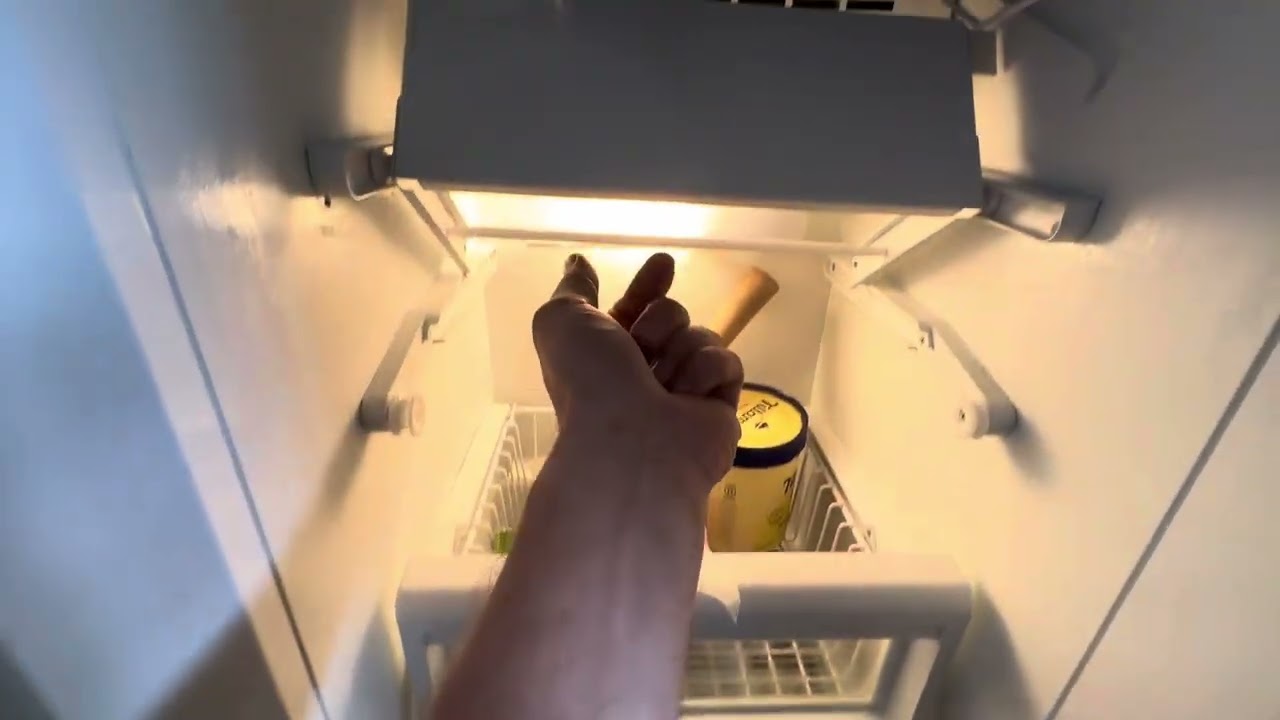
The Sub Zero 632 ice maker is an automatic system built into the freezer section. It’s designed for reliability, but it relies on several components working together: a water supply line, a water inlet valve, an ice mold, a motor, and a heating element. When troubleshooting, it’s important to understand that a failure in any part can impact the entire system.
For example, if the water supply line gets blocked, the ice maker will not receive enough water, even if all other parts are working perfectly. Similarly, a faulty motor will prevent ice cubes from being released, no matter how much ice is formed in the mold.
The ice maker also depends on the freezer’s temperature staying cold enough to freeze water quickly. Even small changes in one component can cause noticeable problems.
Many users overlook the importance of the heating element. This small part briefly warms the ice mold so cubes can be released easily. If the heating element fails, ice cubes can stick and cause jams. Understanding these details makes troubleshooting much easier and helps you identify which part might be causing trouble.
Common Symptoms And What They Mean
Before you dive into repairs, notice the exact symptoms:
- No ice production
- Small or misshaped ice cubes
- Ice tastes or smells bad
- Ice maker is noisy
- Ice jams or won’t dispense
Each symptom points to a different cause. Let’s break down the most frequent problems and how to solve them.
For instance, if you’re getting small or hollow ice cubes, it usually means there isn’t enough water entering the ice mold. Bad-tasting ice, on the other hand, can be a sign that your water filter is overdue for a change, or there are odors in your freezer.
Unusual noise often comes from ice jams or worn-out moving parts. Pinpointing the exact symptom saves time and helps you focus on the right solution.

Step-by-step Troubleshooting Guide
1. Ice Maker Not Making Ice
This is the most common complaint. If your Sub Zero 632 isn’t making ice, follow these checks:
- Check the Ice Maker On/Off Switch
- Make sure the switch is in the “on” position. It’s usually on the side of the ice maker or behind the freezer’s ice bin.
- Sometimes the switch can be accidentally bumped when loading groceries.
- Inspect the Water Supply
- Ensure the water line to the refrigerator is open and not kinked.
- Try dispensing water from the fridge’s water dispenser (if available) to confirm water flow.
- If you have recently moved the refrigerator or done plumbing work, double-check the water line connections. Even a small kink can restrict water flow and stop ice production.
- Test the Water Inlet Valve
- The valve can clog or fail electrically. If you don’t hear the valve activate (a faint humming) when the ice maker cycles, it may be faulty.
- You can sometimes test the valve with a multimeter for electrical continuity, but if you’re not comfortable, it’s safer to call a professional.
- Look for Frozen Fill Tubes
- Sometimes the water line inside the freezer becomes blocked with ice. Warm the area gently with a hair dryer (on low) to clear any ice plug.
- Be careful not to overheat plastic parts. Placing a warm towel over the tube for several minutes can also help.
If you complete these checks and still have no ice, the problem could be with an internal sensor or control board, which usually requires a technician.
2. Ice Cubes Are Small Or Misshaped
If ice cubes are smaller than normal or irregular, consider these issues:
- Low Water Pressure
- Sub Zero recommends at least 20 psi water pressure. Low pressure results in incomplete ice molds.
- If you notice weak water flow from your dispenser, check your home’s water pressure or ask your plumber for help.
- Clogged Water Filter
- Replace the filter every 6 months or as needed. A clogged filter restricts water flow.
- After replacing the filter, flush the system by dispensing several glasses of water to remove air and loose carbon particles.
- Partially Blocked Inlet Valve
- Minerals can clog the valve over time. If cleaning doesn’t help, replacement is needed.
- Hard water can speed up mineral buildup. Consider using a water softener or descaler if you live in an area with hard water.
Sometimes, the shape of the cubes can tell you a lot. Crescent-shaped or hollow cubes are a sign of low water fill. If you see misshaped cubes only occasionally, it could be from freezer temperature fluctuations.
3. Ice Tastes Or Smells Bad
Foul-tasting ice is often due to water supply issues or freezer odors:
- Change the Water Filter
- Old filters allow impurities to pass through.
- If you have recently installed a new filter, run at least two full ice maker cycles and throw away the first batches of ice.
- Clean the Freezer
- Remove old food and wipe surfaces with baking soda and water.
- Pay attention to spills or sticky spots, as these can create strong odors.
- Check for Unsealed Food
- Unwrapped food emits odors that ice absorbs.
- Use airtight containers or bags for all freezer items.
Also, avoid storing strong-smelling foods like fish or onions near the ice bin. The ice can pick up these odors, even if the food is well-wrapped. If the smell persists after cleaning and filter changes, check your home’s water source for unusual tastes.
4. Ice Maker Is Noisy
Some sounds are normal (like the motor or cubes dropping), but excessive noise signals a problem:
- Ice Jams
- Remove the ice bin and check for stuck cubes in the ejector arm or tray.
- Sometimes frost or slushy ice can build up and cause jams. Clear all ice and let the maker cycle through a few batches to reset.
- Loose Parts
- Inspect the ice maker for loose screws or mounting brackets.
- Regular vibration from the compressor can loosen hardware over time. Tighten everything gently but firmly.
- Failing Motor
- A grinding sound often means the motor is worn and should be replaced.
- If the noise started suddenly, check for foreign objects or a misaligned ice bin before replacing any parts.
If the noise is new or different from what you’re used to, it’s worth checking sooner rather than later. Persistent noise can signal a problem that, left unchecked, could lead to bigger repairs.
5. Ice Maker Is Leaking Water
If you find puddles inside or outside the freezer:
- Check the Ice Maker Level
- The ice maker must be installed flat. Use a level to check.
- Even a slight tilt can cause water to spill from the ice mold.
- Inspect Water Lines
- Tighten loose connections and replace cracked tubing.
- Look for moisture or corrosion around fittings, which can indicate a slow leak.
- Overfilling Mold
- If the mold fills with too much water, the inlet valve may be stuck open.
- You might notice oversized cubes or sheets of ice stuck together. Replace the valve if it doesn’t close properly.
Leaks can also come from defrost drain blockages, so check the freezer floor for standing water or ice.
Maintenance Tips To Prevent Issues
Regular care keeps your ice maker running smoothly:
- Replace water filters every 6 months.
- Clean the ice bin monthly.
- Inspect water lines annually for leaks or mineral buildup.
- Defrost the freezer if frost builds up around the ice maker.
- Keep the freezer temperature at 0°F (-18°C) for best ice quality.
Also, check the ice maker after power outages or long vacations. Sometimes, the system needs a reset to resume normal function. Keeping the freezer well-stocked can also help maintain a stable temperature, which benefits ice production.
If you live in an area with frequent power interruptions, consider a surge protector for your refrigerator to safeguard sensitive electronic controls.
When To Call A Professional
While many problems can be fixed at home, some require expert help:
- Electrical issues or wiring problems
- Faulty ice maker modules (internal gears or switches)
- Replacing the water inlet valve
- Persistent leaks after checking all connections
If you’re not comfortable working with water or electricity, or if your efforts don’t resolve the problem, contact a Sub Zero certified technician.
Remember, trying to force or disassemble components without proper tools can cause further damage or void your warranty. Professional technicians have the right training and access to genuine parts.
Comparing Ice Maker Problems
Here’s a quick comparison of symptoms, possible causes, and solutions:
| Symptom | Possible Cause | Quick Solution |
|---|---|---|
| No ice production | Switch off, water supply off, frozen fill tube | Check switch, restore water, thaw tube |
| Small ice cubes | Low pressure, clogged filter | Increase pressure, replace filter |
| Bad-tasting ice | Old filter, freezer odors | Change filter, clean freezer |
| Noise | Ice jam, loose parts | Clear jam, tighten parts |
| Leaking | Unlevel unit, bad valve | Level ice maker, replace valve |
This summary can help you quickly match your symptom to a solution, saving you time.
Replacement Parts And Costs
Sometimes, you need to replace a part. Here’s a look at typical replacement costs:
| Part | Estimated Cost | Difficulty to Replace |
|---|---|---|
| Water Filter | $40 – $60 | Easy |
| Inlet Valve | $70 – $120 | Moderate |
| Ice Maker Assembly | $150 – $250 | Challenging |
| Water Line | $20 – $40 | Easy |
Prices can vary based on your location and whether you use original Sub Zero parts. While some parts, like the water filter, are simple to swap yourself, more complex repairs (like the ice maker assembly) are best left to professionals.
Two Insights Beginners Often Miss
First, the ice maker won’t operate if the freezer temperature rises above 10°F (-12°C). Even a small temperature increase due to a door left open or a blocked vent can stop ice production.
Second, water quality matters more than you think. Hard water or water with sediment can clog the inlet valve and filter quickly. Using a high-quality filter and flushing the water line every few months can prevent many issues.
Another detail: the ice maker doesn’t work instantly after you turn it back on or reset it. It can take several hours for the system to cool down and start a new ice cycle. Patience is key—don’t assume there’s a problem if you don’t see ice right away.
Diy Troubleshooting Example
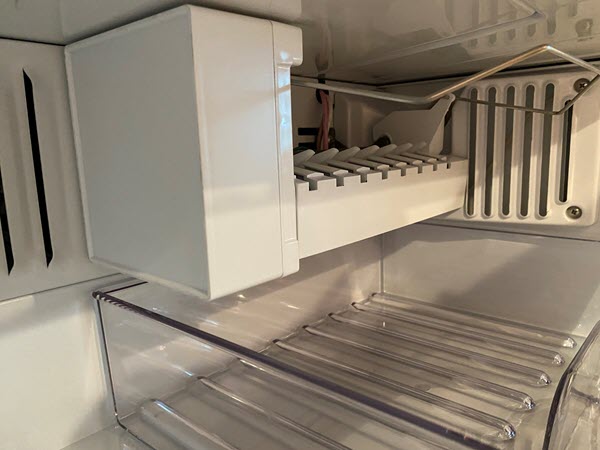
Suppose your Sub Zero 632 stopped making ice. Here’s a practical step-by-step:
- Make sure the ice maker is on.
- Listen for the water inlet valve—if you don’t hear it, check the water line and filter.
- Remove the ice bin and look for jams.
- If still not working, unplug the fridge for 5 minutes, then restore power.
- After these steps, if the problem remains, it’s time for professional help.
Also, check if the freezer door is fully closing and the door gasket is sealing. Air leaks can raise the temperature and disrupt ice production.
Avoiding Common Mistakes
- Don’t force the ice bin out or push it back in incorrectly; misalignment causes jams.
- Don’t use sharp objects to clear ice—this can damage plastic parts.
- Don’t forget to flush the water system after changing the filter.
Another common mistake is forgetting to reinstall the ice bin properly after cleaning. If the bin isn’t seated correctly, the ice maker’s sensors may stop ice production. Always check the manual for the correct installation steps.
Sub Zero Resources
For official guides and parts, visit the Sub Zero official website. Their support pages offer manuals and troubleshooting videos.
You can also find model-specific guides, wiring diagrams, and customer service contacts to help with more difficult repairs.
Frequently Asked Questions
What Temperature Should My Freezer Be For The Ice Maker To Work?
The freezer should be set at 0°F (-18°C) or lower. Higher temperatures can stop ice production.
How Often Should I Change The Water Filter?
Replace the water filter every 6 months or sooner if ice production slows or ice tastes bad.
Why Does My Ice Maker Make Noise?
Some noise is normal, such as the water valve and ice dropping. Grinding, clunking, or continuous buzzing may mean a jam or faulty motor.
Can I Use Generic Parts For Repairs?
It’s best to use Sub Zero certified parts. Generic parts may not fit or perform as well and can void your warranty.
What If My Ice Maker Still Doesn’t Work After Troubleshooting?
If basic troubleshooting fails, call a Sub Zero certified technician. Electrical or complex mechanical issues need expert repair.
A well-maintained Sub Zero 632 ice maker should provide years of reliable service. Routine checks, filter changes, and quick troubleshooting can resolve most issues before they grow. Stay proactive, and you’ll keep your ice maker running smoothly for years to come.

