

Most Dexter dryer issues are fixable with simple checks, basic repairs, or a timely parts replacement.
As a service technician with years of hands-on repair and dozens of Dexter machines under my belt, I wrote this practical Dexter Dryer Troubleshooting guide to help you diagnose and fix common faults fast. This article walks you through clear steps, real-world tips, error code decoding, part checks, and maintenance habits that cut repeat failures. Read on to learn how to troubleshoot your Dexter dryer safely and confidently.

36% off Today’s Exclusive Deals
Limited-time Exclusive Deals. Check current discount on Amazon.
Check Price on Amazon As an Amazon Associate I earn from qualifying purchases.
How Dexter Dryer Troubleshooting Works: The basics and mindset
Dexter Dryer Troubleshooting starts with a clear plan. A good plan narrows the problem fast. Start with safety. Unplug the dryer or shut the circuit off before you touch wiring. Check simple things first. A blown fuse, tripped breaker, or blocked vent often looks like a big problem.
Experience helps. I learned to watch and listen. A rubbing sound points to a drum glide or roller. A dryer that won’t start often has a door switch or thermal fuse issue. Use a process of elimination. Test one system at a time: power, controls, drive, heat, and airflow.
Common fault areas in Dexter Dryer Troubleshooting:
- Power and control board systems
– Start and safety switches - Drum and belt components
- Heating elements and thermostats
- Exhaust and airflow paths

Common Dexter dryer problems and fixes
This section lists frequent symptoms and quick fixes for Dexter Dryer Troubleshooting. Try these first. Many issues resolve with simple steps.
No power or dead dryer
- Check the wall outlet and breaker. Replace a tripped breaker or reset it.
- Test the power cord and terminal block for loose wires.
- Inspect door switch and start switch for continuity.
Dryer runs but no heat
- Check thermal fuse and high-limit thermostat with a multimeter.
- Test heating element or gas burner assembly for continuity or ignition.
- Clean lint from the lint screen and vent path to restore airflow.
Dryer tumbles slowly or not at all
- Inspect belt for wear or breakage. Replace if frayed.
- Check drum rollers and idler pulley for noise and drag.
- Test motor for burnt smell or failure. Replace motor if seized.
Loud noise or banging
- Look for foreign objects inside drum seals or blower wheel.
- Replace worn rollers, glides, or bearings.
- Tighten loose panels or baffles.
Clothes take too long to dry
- Clean vent and ductwork.
- Verify drum seals and airflow are intact.
- Check moisture sensor or thermostat calibration.
Error codes and display messages
- Write down the code. Use the service sheet or manual to decode it.
- Reset the dryer after correcting the root cause.
- Replace sensors or boards only after confirming the fault.
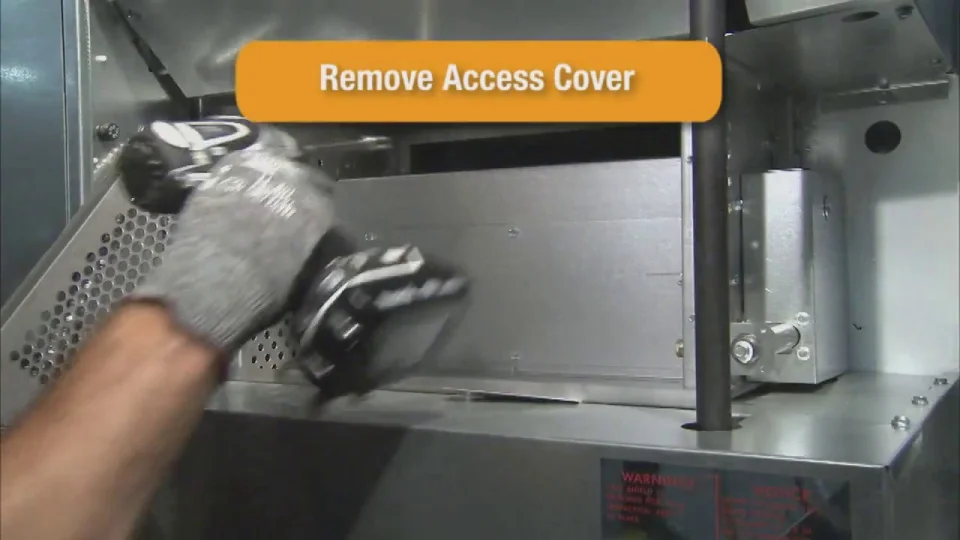
Step-by-step Dexter dryer troubleshooting checklist
Follow this checklist for consistent Dexter Dryer Troubleshooting. Work top to bottom. Test with a multimeter where needed.
- Safety first
- Unplug the dryer or shut power.
- Wear gloves and eye protection.
- Verify power
- Check outlet voltage and breaker.
- Inspect cord and terminal block connections.
- Check door and start switches
- Open and close door while testing continuity.
- Replace faulty switches.
- Test thermal fuses and thermostats
- Remove and test for continuity.
- Replace blown fuses immediately.
- Inspect heating and gas systems
- For electric models, check the element and relays.
- For gas models, inspect the ignitor and gas valve coils.
- Examine mechanical parts
- Check belt, drum rollers, and idler pulley.
- Replace worn or noisy parts.
- Clean airflow path
- Remove lint from lint trap, cabinet, and vent.
- Ensure venting is the correct length and not crushed.
- Run a test cycle
- Restore power and run an empty cycle.
- Note sounds, heat, and any codes.
PAA-style quick questions
- Why won’t my Dexter dryer start? Often a tripped breaker, blown thermal fuse, or faulty door switch stops start-up.
- Is a noisy Dexter dryer safe to run? No. Stop and inspect; noise often means worn parts that can fail catastrophically.

Error codes, parts, and when to replace them
Understanding codes speeds Dexter Dryer Troubleshooting. Codes point to the system, not always to the exact failed part. Treat codes as clues.
Common parts to test and replace
- Thermal fuse: One-time fail-safe. Replace if open.
- High-limit thermostat: Replace if out of range.
- Door switch: Replace if no continuity when closed.
- Drive belt: Replace if worn or snapped.
- Drum rollers and bearings: Replace on wear or squeal.
- Moisture sensor: Clean first, then test for proper response.
- Control board or console: Replace if multiple false errors appear and wiring checks fine.
When to replace a control board
- After checking power, sensors, and wiring.
- When multiple unrelated codes return.
- If visible burn marks or swollen capacitors appear.
Parts lifespan and costs
- Thermal fuse and thermostats are low-cost and common.
- Motors and control boards cost more and take time to swap.
- Factor labor time if you call a tech.
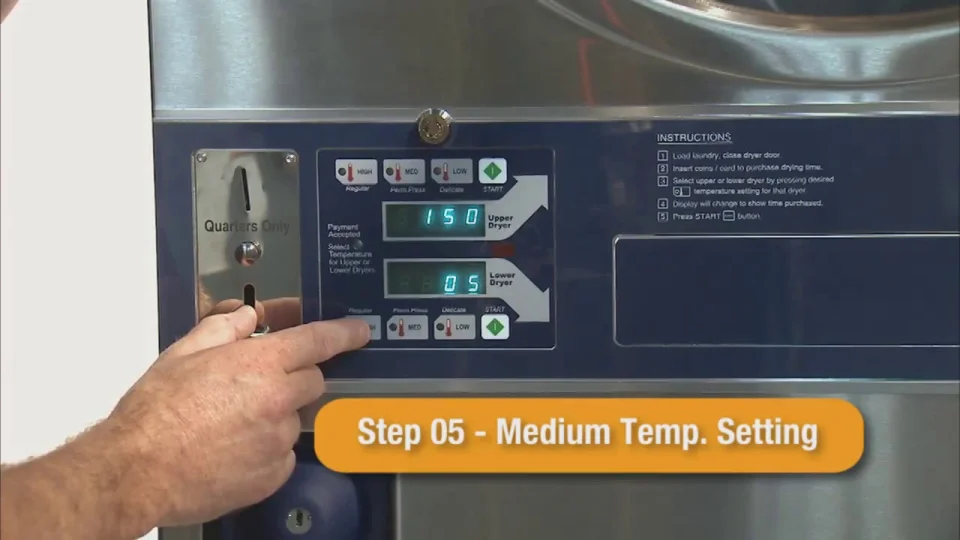
Maintenance to prevent future problems with Dexter dryers
Maintenance reduces service calls and extends machine life. Use this simple plan for Dexter Dryer Troubleshooting prevention.
Regular tasks
- Clean lint trap every load.
- Inspect and vacuum interior lint twice a year.
- Clean and inspect vent and ductwork yearly.
- Check belt and rollers every 12 months.
Seasonal checks
- Ensure outdoor vent hood opens freely.
- Replace vent if crushed or kinked.
- Verify gas line and connectors for leaks on gas models.
Record keeping
- Log repairs, parts changed, and dates.
- Review the log before calling a technician.
Personal tip from experience: I replace belts and rollers together. It saves time and prevents repeat visits. Small investments now avoid big failures later.

Tools, parts, and cost estimates for DIY Dexter Dryer Troubleshooting
A few basic tools go a long way in Dexter Dryer Troubleshooting. Here’s what to have on hand.
Essential tools
- Multimeter to test continuity and voltage.
- Nut drivers and screwdrivers for panels.
- Small vacuum and brush for lint.
- Putty knife or thin tool to remove lint from behind the drum.
Common parts to keep
- Thermal fuse and thermostats.
- Drive belt and roller kit.
- Door switch and start switch.
- Moisture sensor or thermistor.
Expected DIY costs
- Small parts 10 to 40 USD.
- Belts and roller kits 25 to 80 USD.
- Motors or control boards 150 to 400+ USD.
- Professional repair labor varies by region.
Safety and warranty note
- Check warranty before opening the dryer. Self-repair may void coverage.
- For gas models, consider calling a pro for safety-critical parts.
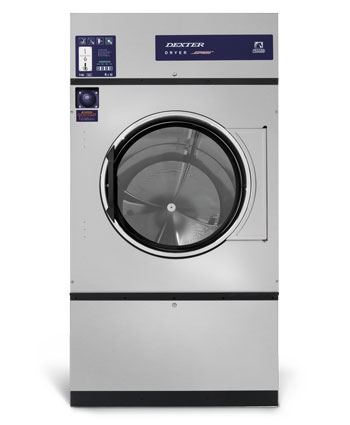
When to call a technician for Dexter Dryer Troubleshooting
Call a pro when safety or complexity rises. Don’t risk gas leaks or electrical hazards.
Call a technician if:
- You smell gas or suspect a leak.
- The motor is burnt or arcing.
- Control board faults persist after basic checks.
- You lack tools or confidence to test electrical parts.
Choose a technician who:
- Has appliance certification and Dexter experience.
- Offers written estimates and parts warranties.
- Provides clear diagnostic steps and receipts.
I once tried to fix a gas ignition issue without testing the gas valve coils properly. The lesson: stop and call a gas-qualified tech when the system is complex or unsafe.

Frequently Asked Questions of Dexter Dryer Troubleshooting
How do I reset my Dexter dryer after an error code?
Unplug the dryer or flip the breaker for one minute, then restore power. If the code returns, follow the code’s diagnosis steps and test the suspected parts.
What does a blown thermal fuse look like and how do I test it?
A blown thermal fuse shows no continuity on a multimeter. Remove the fuse and measure; replace if it reads open.
Can I run a Dexter dryer with a partial vent blockage?
Running with a blocked vent reduces heat and risks overheating. Clean the vent before regular use to prevent damage and long dry times.
How often should I replace the dryer belt and rollers?
Inspect these parts annually. Replace when you see fraying, glazing, or wobble; many techs replace belt and rollers together for reliability.
Are control board failures common in Dexter dryers?
Control board failures are less common than sensor or mechanical faults. Replace the board only after testing power, sensors, and wiring.
How do I know if my Dexter dryer motor is bad?
Signs include burning smell, no spin with power applied, or motor humming without turning. Test motor windings with a multimeter for continuity.
Is it safe to clean the dryer vent myself?
Yes, cleaning the vent is safe if power is off. Use a brush and vacuum. For long or rigid ducts, consider a professional cleaning.
Conclusion
This Dexter Dryer Troubleshooting guide gives clear steps, quick fixes, and the know-how to solve most common dryer problems. Start with safety, test methodically, and use basic tools to fix simple faults. Keep a maintenance routine to prevent repeat failures and track every repair for future reference. Try the checks above this week, and if a problem needs pro help, choose a certified technician. Leave a comment below with your dryer symptom — I’ll help you troubleshoot it.

