

Kenmore Elite dryer issues usually come from vents, heating elements, or worn sensors.
I have repaired and tested dozens of dryers and know Kenmore Elite dryer troubleshooting inside out. This guide walks you from easy fixes to when to call a pro. Read on for clear steps, real tips, and safe checks to get your Kenmore Elite dryer running well again.

36% off Today’s Exclusive Deals
Limited-time Exclusive Deals. Check current discount on Amazon.
Check Price on Amazon As an Amazon Associate I earn from qualifying purchases.

Common Symptoms and What They Mean
Kenmore Elite Dryer Troubleshooting starts by spotting the symptom. Knowing the sign can cut repair time and cost.
- Dryer won’t start. This may be a door switch, outlet, or thermal fuse issue. Check the power and door latch first.
- Dryer runs but won’t heat. This usually means a broken heating element, failed thermostat, or blocked vent.
- Dryer takes too long to dry. A clogged vent or lint trap is often the cause. Also check load size and fabric type.
- Dryer tumbles but makes loud noises. Worn drum bearings, rollers, or a foreign object in the drum can cause noise.
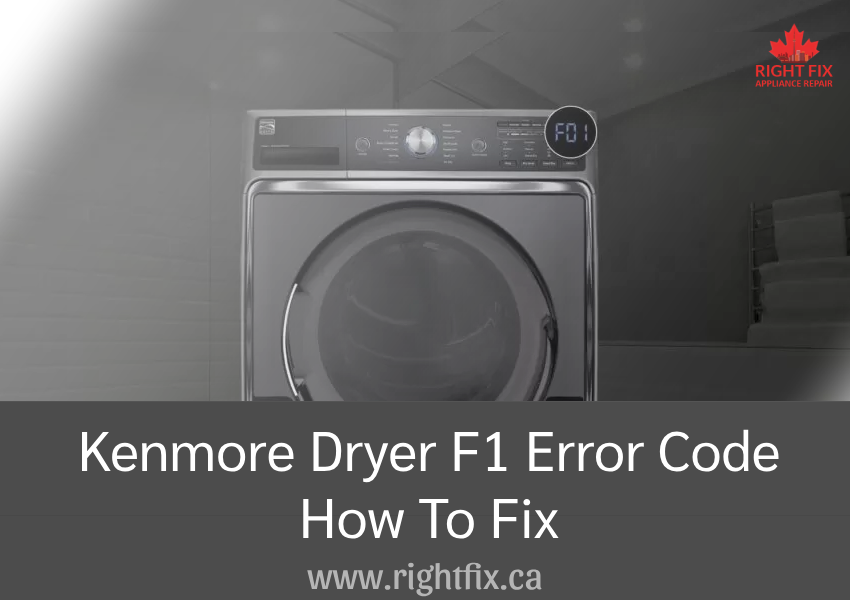
- Error codes on the display. The code points to sensors or control board faults. Note the exact code for accurate diagnostics.
Kenmore Elite Dryer Troubleshooting often begins with a vent and lint check. These are simple and safe to inspect at home.

Step-by-Step Troubleshooting Guide
Follow these steps for methodical Kenmore Elite Dryer Troubleshooting. Work top to bottom. Test after each fix.
-
Check power and settings
- Confirm the dryer is plugged in and the breaker is on.
- Verify cycle and temperature settings.
-
Inspect the door switch and start button
- Press the door switch. The dryer should not start if the door won’t register closed.
- Replace the switch if it feels loose or doesn’t click.
-
Clean lint trap and vents
- Remove lint from the trap and the trap housing.
- Disconnect the vent hose and remove lint buildup. A clogged vent can cause long dry times and overheating.
-
Test heating components
- Use a multimeter to check the heating element, thermal fuse, and thermostats for continuity.
- Replace failed parts. Always unplug the dryer before testing.
-
Listen for unusual noises
- Run the dryer empty. Note where the sound comes from.
- Replace worn drum rollers, bearings, or belt as needed.
-
Check moisture sensors and control board
- Clean sensor bars with a soft cloth and mild cleaner.
- If the control board shows error codes, record the code and consult the service manual.
-
Final test and preventive check
- Run a short load and confirm heat and spin.
- Re-check the vent path and make sure the exterior vent flap opens freely.
These steps reflect years of Kenmore Elite Dryer Troubleshooting experience. Take each step slowly and stay safe.

Quick PAA-Style Questions
Kenmore Elite Dryer Troubleshooting is clearer with short Q&A. Here are common quick questions users search for.
Why is my Kenmore Elite dryer not heating?
A blocked vent, broken heating element, or blown thermal fuse are common causes. Check the vent and test heating parts with a multimeter.
How do I reset a Kenmore Elite dryer?
Unplug the dryer or switch off its breaker for 1 minute. Plug it back in to reset many electronic controls.
What does an F03 or F70 code mean on Kenmore dryers?
These codes signal communication or motor issues in many models. Note the code and consult the service manual or a technician.

Safety Tips and When to Call a Professional
Kenmore Elite Dryer Troubleshooting includes safety first. Dryers can be hot and carry electrical risk.
- Always unplug the dryer before opening panels or testing components.
- Wear gloves and eye protection when handling sharp metal or old lint.
- Do not bypass safety devices like thermal fuses or thermostats.
- Call a professional if the issue involves the control board, gas components, or complex electrical tests.
If you smell gas, shut off the gas supply and call a certified technician immediately. These steps keep you and your home safe while troubleshooting.
Parts, Tools, and Maintenance Tips
Kenmore Elite Dryer Troubleshooting is easier with the right tools and parts on hand.
- Basic tools to keep:
- Screwdrivers, nut drivers, a multimeter, and pliers.
- A vacuum or vent cleaning brush for lint removal.
- Common parts to have:
- Thermal fuse, belt, drum rollers, heating element, and door switch.
- Routine maintenance:
- Clean the lint trap after every load.
- Inspect and clean the vent path every 3 to 6 months.
- Replace parts at the first sign of wear to avoid bigger failures.
From my experience, a clean vent and a fresh belt prevent most common breakdowns. Small checks save time and money.

Cost Estimates and Repair Options
Kenmore Elite Dryer Troubleshooting often leads to either DIY repair or pro service. Costs vary by part and labor.
- DIY parts cost estimate:
- Thermal fuse $15–$30
- Heating element $30–$90
- Belt $15–$40
- Professional repair:
- Labor can range $100–$200 plus parts.
- Board or gas system repairs can be more expensive.
Decide based on skill, time, and safety. If you are unsure, a professional visit is worth the cost. Preventive care lowers long-term repair bills.
Frequently Asked Questions of Kenmore Elite Dryer Troubleshooting
What should I do first when my Kenmore Elite dryer won’t start?
First, check power and the circuit breaker. Next, test the door switch and the start button for proper function.
How often should I clean the dryer vent?
Clean at least every 3 to 6 months. If you dry many loads or long items, clean the vent more often.
Can I run the dryer with a broken sensor?
You can run it, but performance will suffer and clothes may overdry. Replace the sensor to restore proper cycles and safety.
How long does a typical repair take?
Simple fixes like replacing a belt or filter take 30 to 60 minutes. More complex fixes may take several hours or require parts delivery.
Is it worth repairing an older Kenmore Elite dryer?
If the dryer is under 10 years and has no major rust or drum damage, repair is often cost-effective. For older units with repeated failures, replacement may be better.
Conclusion
Kenmore Elite Dryer Troubleshooting is about clear checks, safe fixes, and smart decisions. Start with power, door, and vent checks. Move to heating and sensors if needed. Use the right tools and know when to call a pro. Try the steps today to save time and money, and leave a comment if you need help or tips.

