

Bryant furnace troubleshooting starts with power, thermostat, filter, and error-code checks.
I have worked on many home heating systems and have repaired dozens of Bryant units. This guide explains Bryant Furnace Troubleshooting in clear steps. You will learn how to find common faults, read error signs, perform safe fixes, and know when to call a pro. My advice mixes hands-on tips, real cases, and practical checks so you can act with confidence.

36% off Today’s Exclusive Deals
Limited-time Exclusive Deals. Check current discount on Amazon.
Check Price on Amazon As an Amazon Associate I earn from qualifying purchases.
Understanding Bryant Furnace Troubleshooting
Bryant Furnace Troubleshooting means finding and fixing issues that stop your Bryant furnace from heating properly. This covers ignition, airflow, controls, sensors, and safety parts. It also includes reading LED codes and testing components.
Why this matters:
- A working furnace keeps your home safe and warm.
- Quick checks often prevent costly repairs.
- Knowing basic steps saves time and helps you communicate with technicians.
Key systems to know:
- Combustion and ignition system
- Blower and airflow system
- Control board and thermostat interface
- Safety switches and sensors
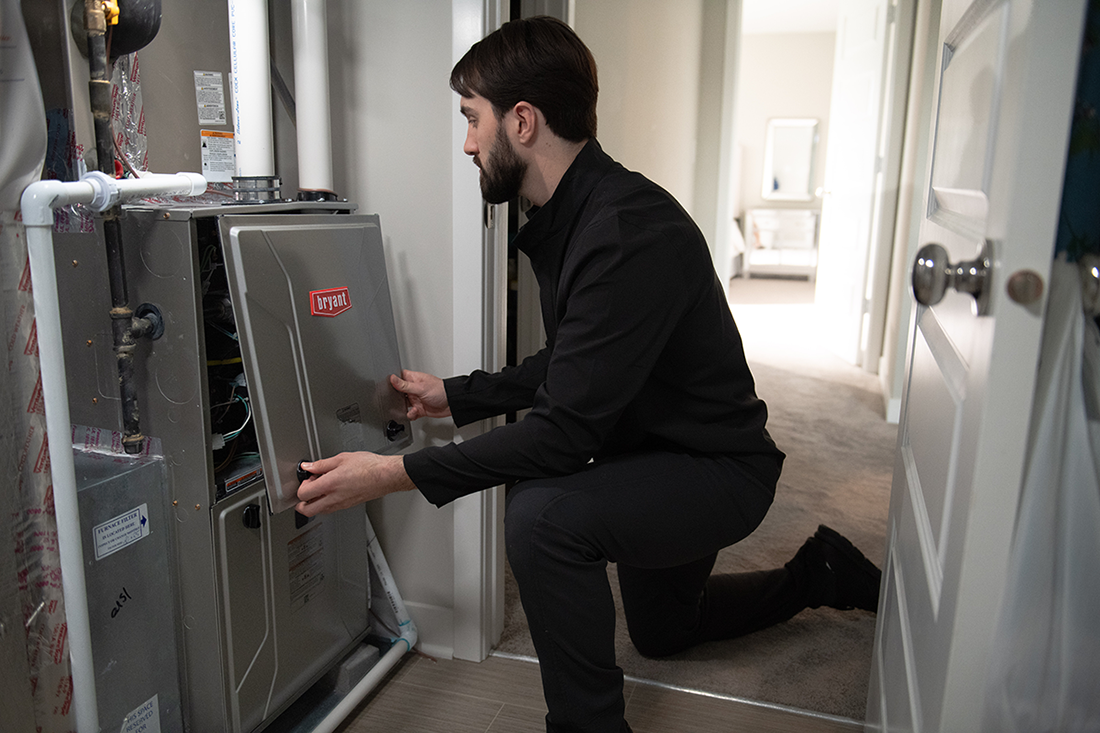
Common Problems in Bryant Furnace Troubleshooting
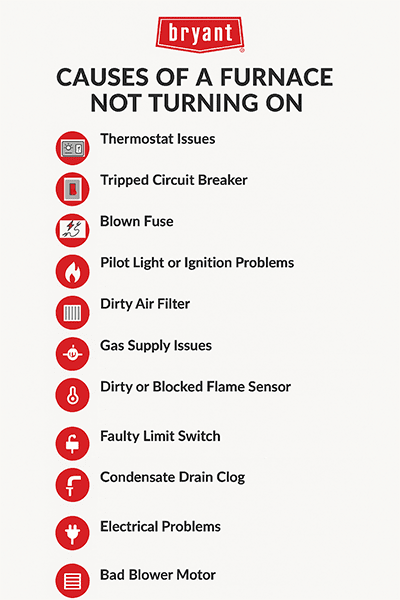
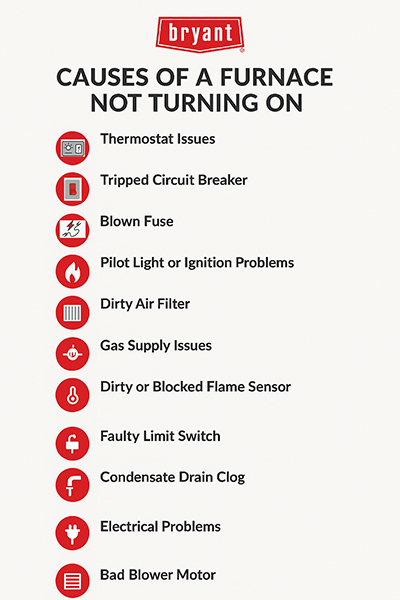
Here are frequent faults you will meet when doing Bryant Furnace Troubleshooting.
Flame or ignition failure
- Furnace tries to start but flames do not light.
- Causes include dirty ignitor, bad gas valve, or pressure switch fault.
No heat or weak heat
- Furnace runs but house stays cold.
- Causes include clogged air filter, closed vents, or blower motor issues.
Short cycling
- Furnace turns on and off quickly.
- Causes include thermostat placement, oversized unit, or limit switch trips.
Strange noises
- Rattles, bangs, or squeals when running.
- Causes include loose panels, motor bearings, or delayed ignition.
Pilot or LED error codes
- Control board flashes codes or shows lockouts.
- Causes vary by code; consult the manual and log the pattern.

Step-by-Step Bryant Furnace Troubleshooting Guide
Follow safe, ordered checks when you troubleshoot a Bryant furnace. Keep steps short and clear.
Safety first
- Turn off power at the switch and breaker before opening panels.
- Shut off gas if you smell gas; leave and call the gas company or a pro.
Basic start checks
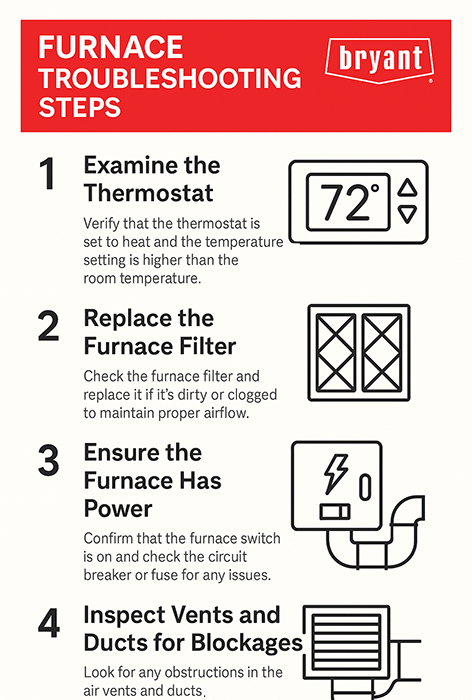
- Verify power and thermostat
- Ensure circuit breaker is on and a furnace switch is up.
- Set thermostat to heat and a temperature above room temp.
- Inspect air filter
- Replace dirty filters. A clogged filter limits airflow and causes many faults.
- Check pilot or ignition
- Newer Bryant furnaces use electronic ignition. Watch for repeated attempts to light.
- Listen and watch
- Note unusual sounds and any LED blink patterns on the control board.
Component tests (simple, non-invasive)
- Blower: Turn fan to ON at thermostat. If blower doesn't run, check power and capacitor.
- Ignitor: If it glows but no flame, suspect gas valve or flame sensor.
- Flame sensor: A dirty sensor can shut flame off. Clean gently with fine steel wool.
When a part seems faulty
- Replace filters and fuses first.
- Use a multimeter only if you know safe testing practices.
- Document error codes and behaviors before calling for parts.
Bryant Furnace Error Codes and LED Patterns
Error codes help diagnose problems fast. Patterns vary by model, but common meanings repeat across Bryant furnaces.
Common LED signs and likely causes:
- One blink repeating: limit switch trip or open sensor.
- Two blinks repeating: pressure switch fault or vent blockage.
- Three blinks repeating: ignition failure or failed flame sense.
- Rapid continuous flashes: normal operation or system busy (check manual).
How to use codes in troubleshooting
- Write down the exact blink count and pause pattern.
- Reset power to try one restart. If code returns, log it again.
- Share the code with a technician for faster diagnosis.
Note: Always confirm codes with the model manual. Some boards use different codes for the same symptom.

Maintenance to Reduce Bryant Furnace Troubleshooting
Good care reduces breakdowns and makes troubleshooting easier.
Routine tasks to do every season
- Replace or clean air filters every 1–3 months.
- Keep vents and returns clear of furniture and dust.
- Clean around the furnace and keep the area dry.
Annual tasks or professional checks
- Annual inspection and tune-up by a licensed HVAC tech.
- Combustion analysis and gas pressure checks.
- Inspect the heat exchanger for cracks or corrosion.
Benefits and limits
- Maintenance improves efficiency and lifespan.
- It cannot fix sudden failures like a failed control board. Those need repair.
When to Call a Professional for Bryant Furnace Troubleshooting
Call a licensed HVAC technician when:
- You smell gas or suspect a leak.
- The furnace won’t light after basic checks.
- You find cracked heat exchangers or electrical burns.
- You are unsure how to test components safely.
What a pro will do
- Run diagnostic tests and read detailed error codes.
- Replace or repair gas valves, control boards, motors, or heat exchangers.
- Provide safety certification and combustion checks.
Personal Experience with Bryant Furnace Troubleshooting
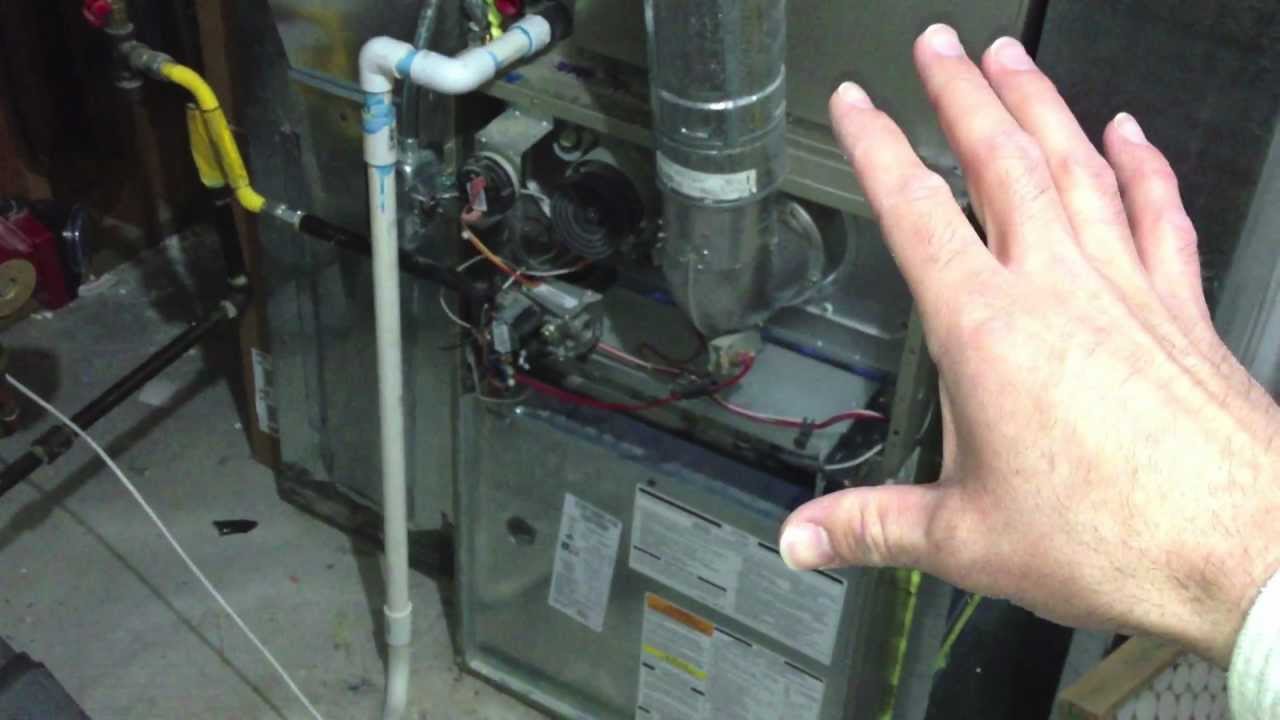
In my HVAC work, I have seen common patterns that help guide quick fixes. One winter a Bryant unit failed to start. The LED blinked three times. After replacing a dirty flame sensor and cleaning the burner, the furnace ran perfectly. I learned to always clean sensors before replacing parts.
Lessons I share
- Log symptoms before touching parts. It saves time.
- Cheap work fades fast. Use quality parts for replacements.
- Communication with homeowners matters. Explain risks and options clearly.
Tools, Parts, and Safety for Bryant Furnace Troubleshooting
Essential tools to have on hand:
- Basic screwdriver set and nut drivers
- Multimeter for voltage and continuity checks
- Flashlight and mirror for small areas
- Replacement air filters and a soft brush
Common spare parts
- 1 to 2 standard air filters
- Flame sensor
- Ignitor (hot surface)
- Condensate trap or float switch (for high-efficiency models)
Safety checklist
- Shut off power and gas when working inside the furnace.
- Use a gas detector or leave windows open if you suspect a leak.
- Wear gloves and eye protection when handling parts.
- If in doubt, stop and call a pro.
People Also Ask
Q: How do I reset my Bryant furnace?
A: Turn the thermostat to OFF, switch off power at the furnace, wait 30 seconds, then restore power and set thermostat back to HEAT. If it still fails, log any LED codes before trying again.
Q: Why does my Bryant furnace keep shutting off?
A: Common reasons include clogged filters, limit switch trips from poor airflow, or a failing flame sensor. Check filters and vents first, then observe error codes.
Q: Can I clean the flame sensor myself?
A: Yes. Turn off power and gas, remove the sensor, and gently clean with fine steel wool or emery cloth. Reinstall carefully and test the furnace.
Frequently Asked Questions of Bryant Furnace Troubleshooting
How do I read my Bryant furnace LED codes?
Read the blink pattern and count the flashes before the pause. Compare the pattern to your model’s manual or note it for a technician.
Is a dirty air filter a common cause of furnace problems?
Yes. A dirty filter restricts airflow, causes short cycling, and reduces heat output. Replace filters every 1–3 months.
What should I do if I smell gas near my furnace?
Leave the home immediately, avoid switches or flames, and call your gas company or emergency services. Do not attempt to fix gas leaks yourself.
How often should a Bryant furnace get serviced?
Have an HVAC pro inspect and tune your furnace once a year. This keeps parts in good shape and catches issues early.
Can I replace furnace parts myself?
You can replace simple parts like filters or sometimes a flame sensor. For gas valves, heat exchangers, or wiring, use a licensed technician.
Conclusion
Bryant Furnace Troubleshooting becomes clear when you follow safe steps, log symptoms, and do regular maintenance. Start with power, thermostat, and filter checks, then use LED codes and simple tests to narrow the fault. If you are unsure or detect gas or heat-exchanger issues, call a licensed professional. Take action now: check your filter, note any LED patterns, and book a tune-up to keep your Bryant furnace running smoothly. Share your experience or questions below to keep the discussion going.

