

Most ABS issues stem from sensors, wiring faults, or low brake fluid and need quick checks.
I have spent years diagnosing and fixing ABS problems on many makes and models. This guide on Abs Brake System Troubleshooting shares clear steps, simple checks, and real-world tips. I blend hands-on experience with plain facts so you can find and fix common ABS faults safely and fast.

36% off Today’s Exclusive Deals
Limited-time Exclusive Deals. Check current discount on Amazon.
Check Price on Amazon As an Amazon Associate I earn from qualifying purchases.
How the ABS works: a simple overview
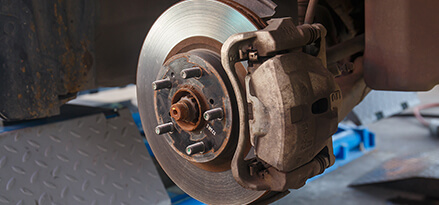
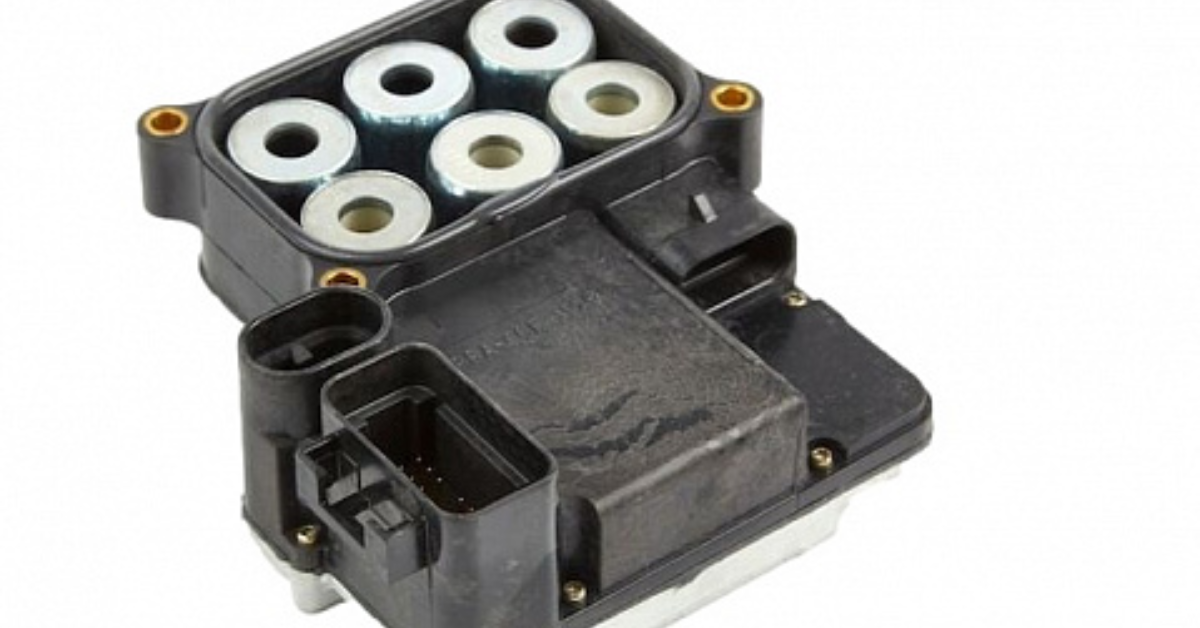
The anti-lock brake system keeps wheels from locking during hard braking. It uses wheel speed sensors, a control module, and a hydraulic unit to modulate brake pressure. When a sensor reads a sudden wheel slow down, the controller pulses the brakes so the wheel keeps rolling. Knowing this flow helps with Abs Brake System Troubleshooting because most faults show in one of these parts.
Common Abs Brake System Troubleshooting problems and causes
Most ABS faults trace to a few repeat items. I list them below with simple checks you can try.
- Wheel speed sensor fault. Sensors get dirty or fail and give bad signals to the ABS module.
- Wiring and connector issues. Corrosion or broken wires often cause intermittent ABS lights.
- Low or contaminated brake fluid. Old fluid can harm valves and sensors.
- Faulty ABS module or pump. These parts wear out or seize and trigger errors.
- Tone ring damage. Missing or broken teeth on the tone ring cause wrong speed readings.
I have seen the wheel sensor and wiring cause 70% of jobs I handled. That makes them a good place to start with Abs Brake System Troubleshooting.

Step-by-step Abs Brake System Troubleshooting
Follow these steps in order. Each step is quick and narrows the fault.
-
Visual check first.
- Look at the ABS light on the dash. Note if it stays on or flashes.
- Inspect wheel sensors and wiring for dirt or breaks.
-
Check basic fluids and brakes.
- Look at brake fluid level and color. Low or dark fluid needs attention.
- Check brake pads and rotors for obvious wear.
-
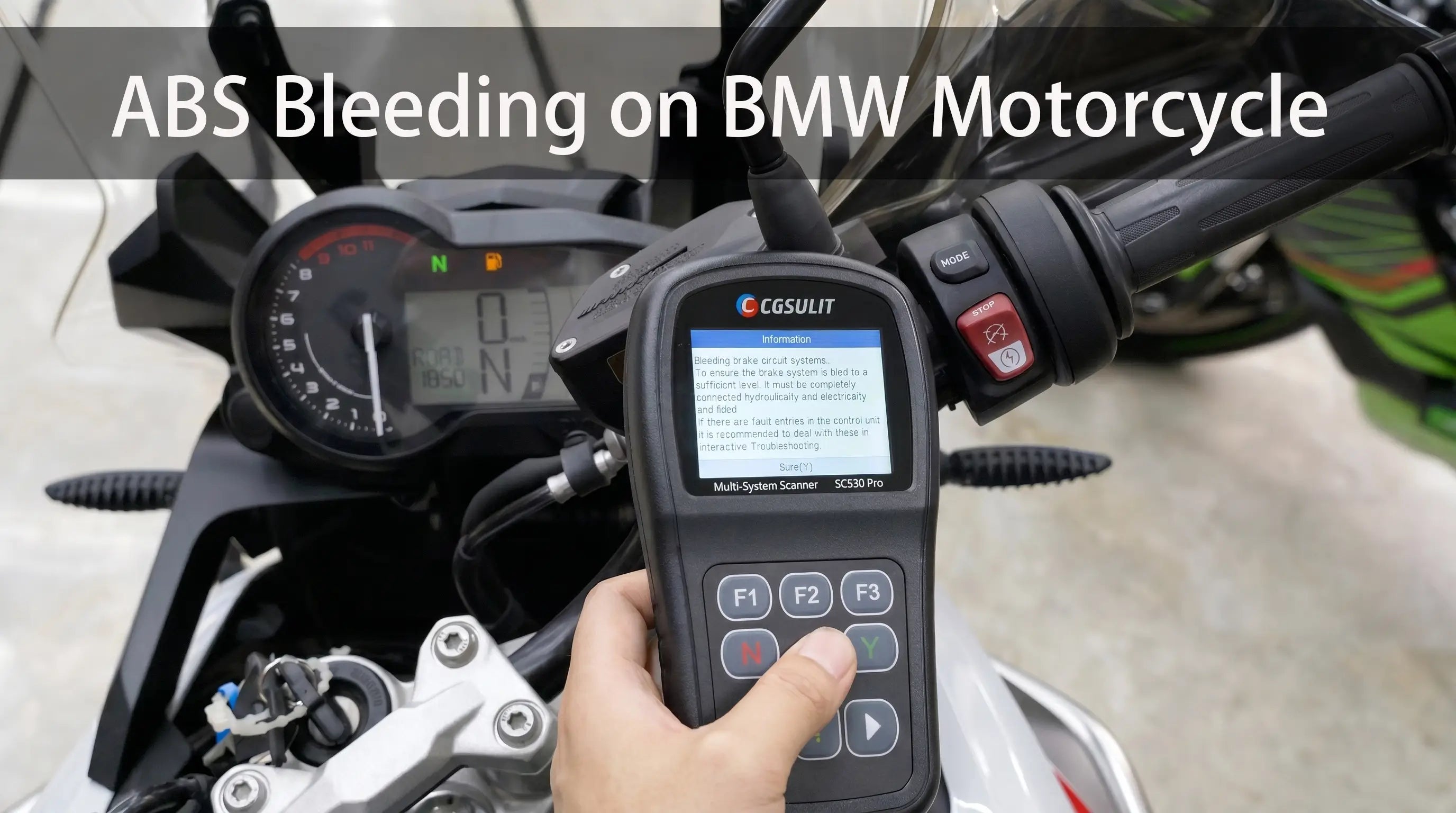
Read codes with a scanner.
- Use an OBD-II scanner that reads ABS codes. Write down the code numbers.
- Clear codes after repair and test drive to confirm the fix.
-
Test wheel speed sensor signals.
- Use a multimeter or scope to check sensor output at each wheel.
- Swap suspected sensor wiring with a good wheel if safe to do so.
-
Inspect tone rings and bearings.
- Spin the wheel and look for damaged or missing teeth on the ring.
- A bad wheel bearing can move the tone ring and give wrong readings.
-
Check ABS module power and ground.
- Verify the ABS module has battery power and a clean ground.
- Clean terminals and retest codes if needed.
-
When to bench-test or replace the module.
- If wiring and sensors are good, the module may fail. Module repair or swap is next.
- Recondition or replace the unit based on cost and availability.
I used this checklist on many cars. It helped me avoid needless part swaps. Keep notes as you go so you can track what you tried.

Tools and diagnostics for Abs Brake System Troubleshooting
You do not need a shop full of gear to find common faults. Here are useful tools and how to use them.
- OBD-II scanner that supports ABS. It makes reading codes fast and clear.
- Digital multimeter. Use it to test sensor resistance and voltage.
- Oscilloscope or advanced scanner. This helps view real sensor waveforms on tricky jobs.
- Basic hand tools and a flashlight. For removing wheels and inspecting sensors.
- Brake fluid tester or simple visual check. It tells if fluid is contaminated.
In my shop, a mid-range scanner and a meter solved most ABS calls. Save time by having the right scanner for your vehicle.

Repair options, costs, and when to call a pro
Small fixes are cheap. Major parts can cost more. Here is a simple guide.
- Sensor replacement is often inexpensive and quick. Parts and labor are usually low cost.
- Wiring repair is labor-based. Costs vary by how deep the harness runs.
- Brake fluid service is affordable and prevents many faults.
- ABS module or pump replacement can be costly. Expect higher parts and labor bills.
- Rebuilt modules or used parts lower cost but may carry risk.
Call a pro if the module needs replacement, or if you lack a scanner. An expert will ensure safety and avoid wasted parts.
Maintenance tips to prevent ABS issues
Regular care keeps the ABS working longer. These tips are simple and effective.
- Check brake fluid level and color every few months. Replace if dark or old.
- Inspect wheel sensors and wiring during tire changes. Clean gently when dirty.
- Have brakes serviced on schedule. Worn parts can hide ABS faults.
- Keep electrical connectors dry and clean. Corrosion hides as odd faults.
- Drive safely and test brakes after any repair. A short test drive confirms fixes.
I learned to clean sensors on every tire rotation. A little care prevented many trips to the shop.
Frequently Asked Questions of Abs Brake System Troubleshooting
What does the ABS light mean?
The ABS light indicates a fault in the anti-lock brake system. It could be a sensor, wiring, fluid, or module issue and needs testing.
Can I drive with the ABS light on?
You can drive but with caution. Your brakes still work, but you lose anti-lock function in a hard stop.
How do I reset the ABS light?
Reset by reading and clearing codes with a scanner after repair. If the fault remains, the light will return.
How long does ABS repair take?
Simple fixes take under an hour. Module replacements and deep wiring jobs can take several hours.
Will replacing a wheel sensor fix the issue?
If the sensor caused the error, replacing it will often fix the problem. Always confirm with a scan or test drive after replacement.
What are common ABS trouble codes to look for?
Codes often point to wheel speed sensor faults, circuit failures, or pump issues. Read the code to know which area to check.
Conclusion
Abs Brake System Troubleshooting is a mix of simple checks and clear steps. Start with visual inspections, then read codes, test sensors, and check wiring. Small fixes often solve the issue, but complex module faults call for professional help. Use the steps here, keep notes, and test after each repair to be sure the ABS works as intended. Try these checks, stay safe, and share your results or questions in the comments.

