

Most RO problems stem from clogged filters, low pressure, or a failing membrane.
I have spent years fixing reverse osmosis systems for homes and small offices. I know common failures and easy fixes. This guide on Ro System Troubleshooting will walk you through causes, tests, fixes, and maintenance. Read on to gain clear steps and simple checks you can do today.

36% off Today’s Exclusive Deals
Limited-time Exclusive Deals. Check current discount on Amazon.
Check Price on Amazon As an Amazon Associate I earn from qualifying purchases.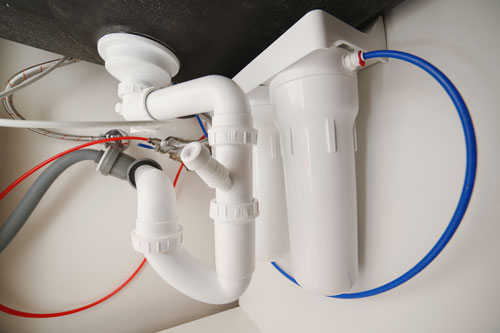
How reverse osmosis systems work
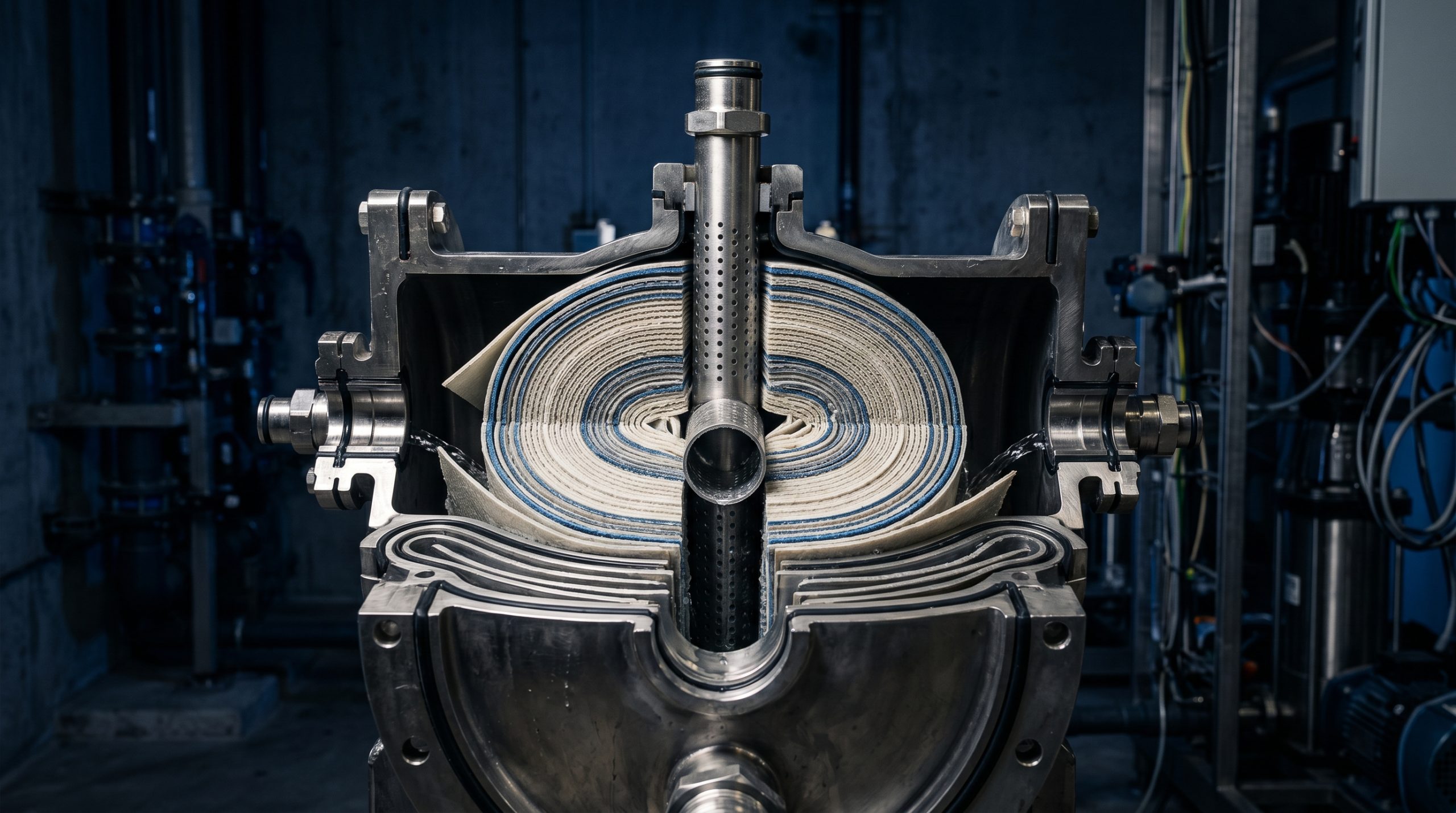
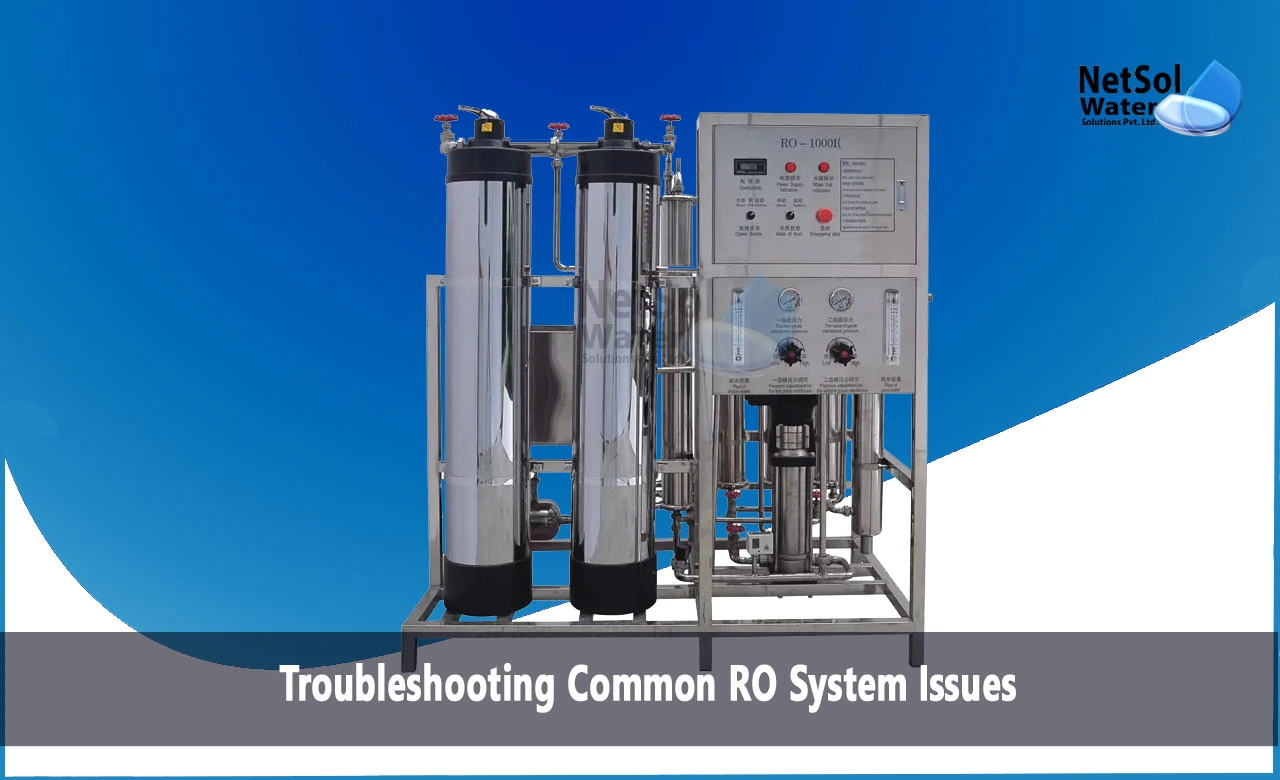
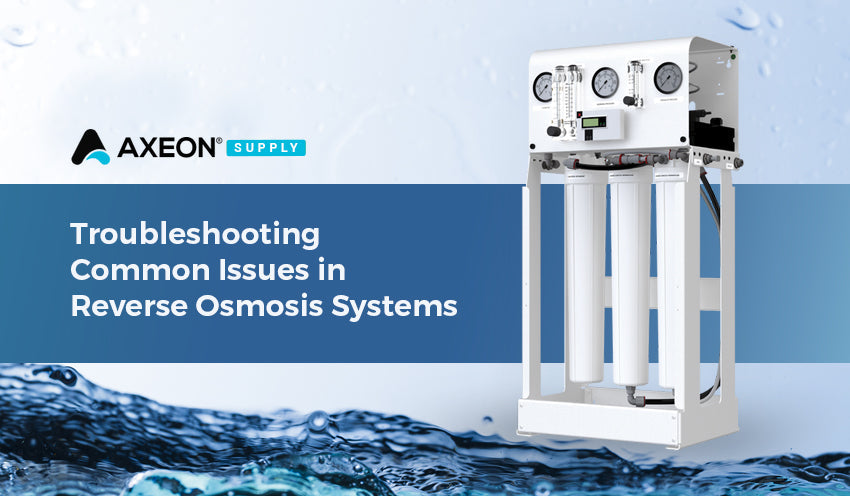
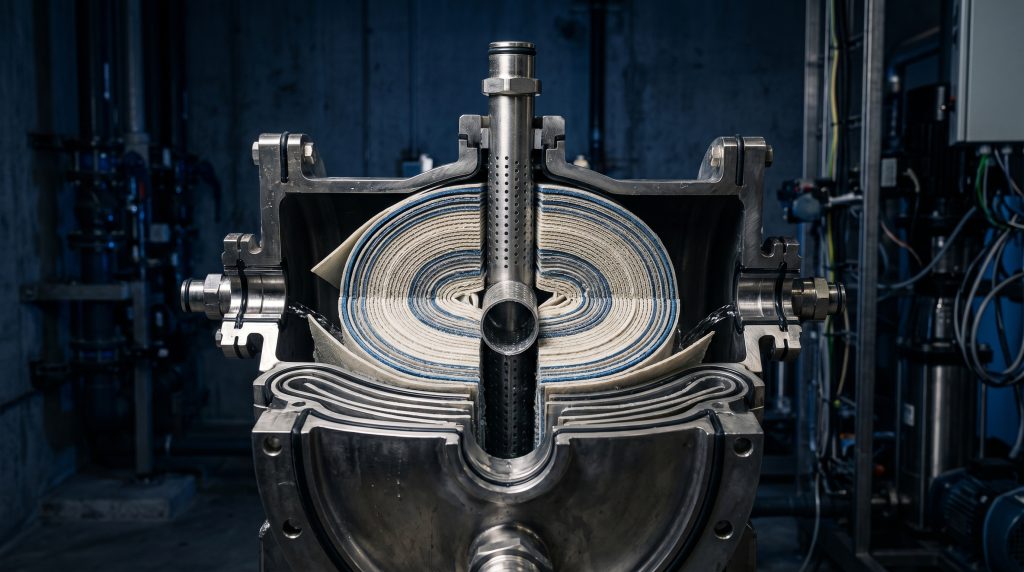
A reverse osmosis system uses pressure to push water through a semipermeable membrane. The membrane blocks contaminants and lets clean water pass. Key parts include a prefilter, RO membrane, postfilter, storage tank, and flow restrictor. Knowing how each part works helps with Ro System Troubleshooting.
Common problems in Ro System Troubleshooting
Here are common issues you will meet when you troubleshoot RO systems.
- Low or no water flow. This often points to low feed pressure or clogged prefilters.
- Cloudy or bad-tasting water. This can mean a worn membrane or expired filters.
- High TDS (total dissolved solids) at the tap. The membrane may be failing.
- Leaks under the sink. Loose fittings, cracked tubing, or a bad tank valve are typical.
- Tank not filling or constant running. The auto-shutoff or float valve may be stuck.
- Strange noises. Air in the lines or a failing pump can cause sounds.
Spotting the symptom makes Ro System Troubleshooting faster and clearer. Start with the simplest checks first.

Step-by-step Ro System Troubleshooting guide
Use these steps for a quick and logical diagnosis.
- Confirm feed water supply. Make sure the cold-water valve is open.
- Check water pressure. Most RO systems need 40–80 psi to work well. Low pressure causes slow flow.
- Inspect prefilters. If they look dark or clogged, replace them. Clogged prefilters choke the membrane.
- Test TDS before and after the membrane. Use a TDS meter to find performance drop.
- Check the membrane. If TDS after the membrane is high, the membrane likely needs replacement.
- Examine tubing and fittings. Tighten connections and replace cracked tubing.
- Test the storage tank pressure. With the tank empty, the pressure should be about 5–7 psi for most systems. Adjust as needed.
- Look at the flow restrictor and check valve. A stuck flow restrictor causes poor rejection. A bad check valve can allow backflow.
- Sanitize the system if you detect biofilm or foul odor. Use a mild bleach solution and flush the system thoroughly.
- Re-test system after any change. Measure flow and TDS again to confirm the fix.
These steps cover most household Ro System Troubleshooting needs. Work slowly and test after each action.
Replacing and maintaining parts
Replace parts on a schedule to avoid surprises. Good maintenance reduces the need for emergency Ro System Troubleshooting.
- Sediment and carbon prefilters: replace every 6–12 months.
- RO membrane: replace every 2–3 years, or sooner if TDS rises.
- Postfilter (carbon): replace every 6–12 months.
- Storage tank bladder: inspect if tank pressure drops or flow slows.
- Tubing and fittings: replace when cracked or discolored.
When installing parts, flush the system well. A flushed membrane performs better. I once delayed a membrane change and lost water quality for weeks. Replace on schedule to avoid that mistake.

Testing, tools, and when to call a pro
Simple tools speed up Ro System Troubleshooting.
- TDS meter for water quality.
- Pressure gauge for feed and tank checks.
- Basic wrench set and tube cutter.
- Replacement filters and tubing on hand.
Call a pro when you see these signs.
- Persistent high TDS after membrane change.
- Complex pump or booster issues.
- Major leaks or water damage risk.
- Systems under warranty where DIY may void coverage.
I call a specialist for high-pressure pumps and electrical booster systems. An expert saves time and prevents costly mistakes.
Preventive maintenance and best practices
A plan prevents many Ro System Troubleshooting calls.
- Set a filter schedule and keep spare parts.
- Test TDS every 3–6 months to catch issues early.
- Keep the area dry and clean to avoid mold and pests.
- Use a pre-softener if your water is very hard. Hard water shortens membrane life.
- Flush new membranes per manufacturer directions before use.
Small habits reduce failures. A short monthly check avoids bigger Ro System Troubleshooting tasks later.
Troubleshooting case studies and real-life examples
I will share two short cases I handled to show practical Ro System Troubleshooting.
Case 1: Slow flow after vacation
- Symptom: Very slow faucet flow after two weeks away.
- Find: Pre-filter was clogged with sediment.
- Fix: Replaced prefilter and flushed system. Flow returned in minutes.
Case 2: High TDS after filter change
- Symptom: TDS rose after owner replaced the membrane.
- Find: Membrane installed backward.
- Fix: Reinstalled correctly and flushed. TDS dropped to normal.
Lessons learned
- Always test after each repair.
- Double-check part orientation and seals.
- Keep a TDS meter and spare filters nearby.
These stories show how simple checks matter for Ro System Troubleshooting.
Frequently Asked Questions of Ro System Troubleshooting
Why is my RO system producing little water?
Low production usually comes from low feed pressure or clogged prefilters. Check the feed valve and change prefilters, then retest.
How do I know if the RO membrane is bad?
A bad membrane shows little TDS reduction and poor taste. Test with a TDS meter and compare feed vs. product water.
Can I sanitize my RO system myself?
Yes. Use a mild bleach or recommended sanitizer and follow manufacturer steps. Rinse thoroughly before use.
What is the correct tank air pressure?
With the tank empty, aim for about 5–7 psi for most household systems. Adjust with a standard pump or gauge.
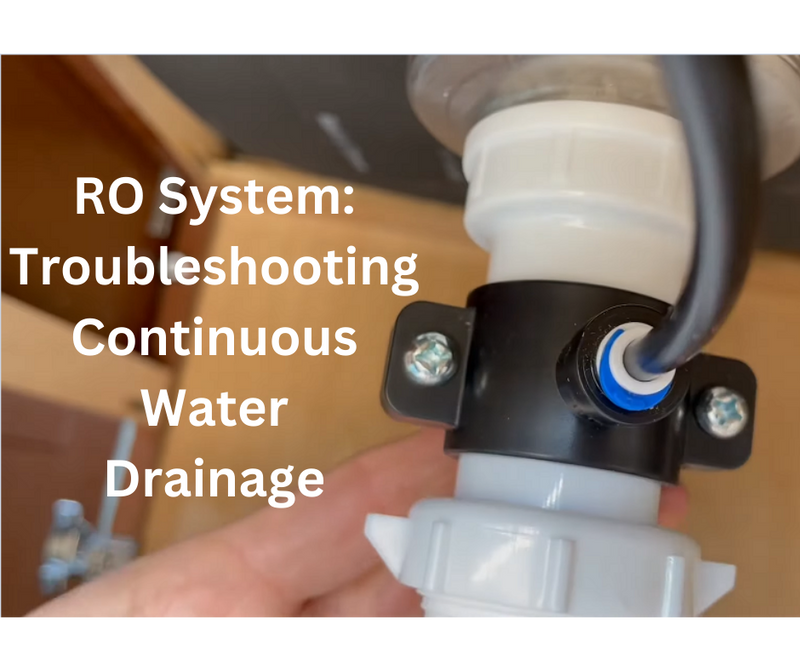
Why does my RO faucet drip or run continuously?
A leaking auto-shutoff valve, stuck float, or bad check valve can cause constant running. Inspect valves and replace faulty parts.
How often should I test water quality?
Test TDS every 3–6 months and after any service. Regular testing makes Ro System Troubleshooting easier and faster.
Conclusion
Ro System Troubleshooting is a set of simple checks and routine tasks. Start with feed pressure, prefilters, and a quick TDS test. Replace parts on schedule and keep basic tools on hand. Small steps prevent big problems. Try the steps here, test your system, and leave a note below if you need help or want troubleshooting tips.

