

Most Toro mower issues come from fuel, spark, air filter, or blade problems.
I’ve worked on hundreds of mowers and know how to fix common faults fast. This detailed guide on Toro Lawn Mower Troubleshooting breaks down causes, step-by-step fixes, maintenance tips, and when to call a pro. Read on for clear, tested advice that saves time and keeps your Toro running clean and strong.

36% off Today’s Exclusive Deals
Limited-time Exclusive Deals. Check current discount on Amazon.
Check Price on Amazon As an Amazon Associate I earn from qualifying purchases.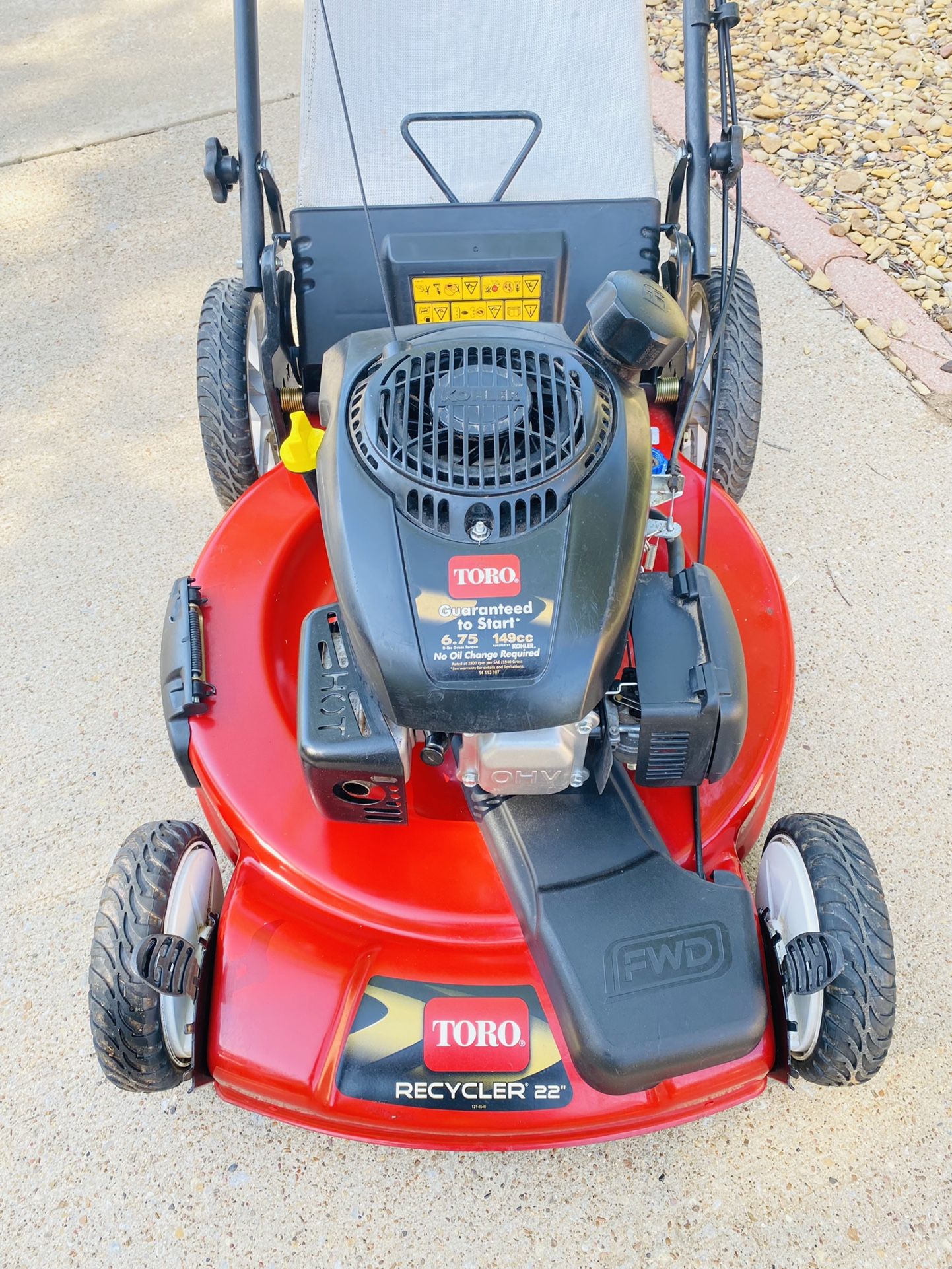
Common Problems and Quick Checks
Start with simple checks. Look for fuel, spark, air flow, and blades. Many problems hide in plain sight. Use these checks before deeper work.
- Check fuel: fresh gas, no water, fuel line not blocked.
- Check spark: remove spark plug, look for gap and spark.
- Check air: air filter clean and dry.
- Check blade: sharp, balanced, and bolted tight.
These quick checks fix most issues and speed up Toro Lawn Mower Troubleshooting. They help you narrow the fault to engine, fuel, or blades. Keep a simple tool kit and gloves handy.
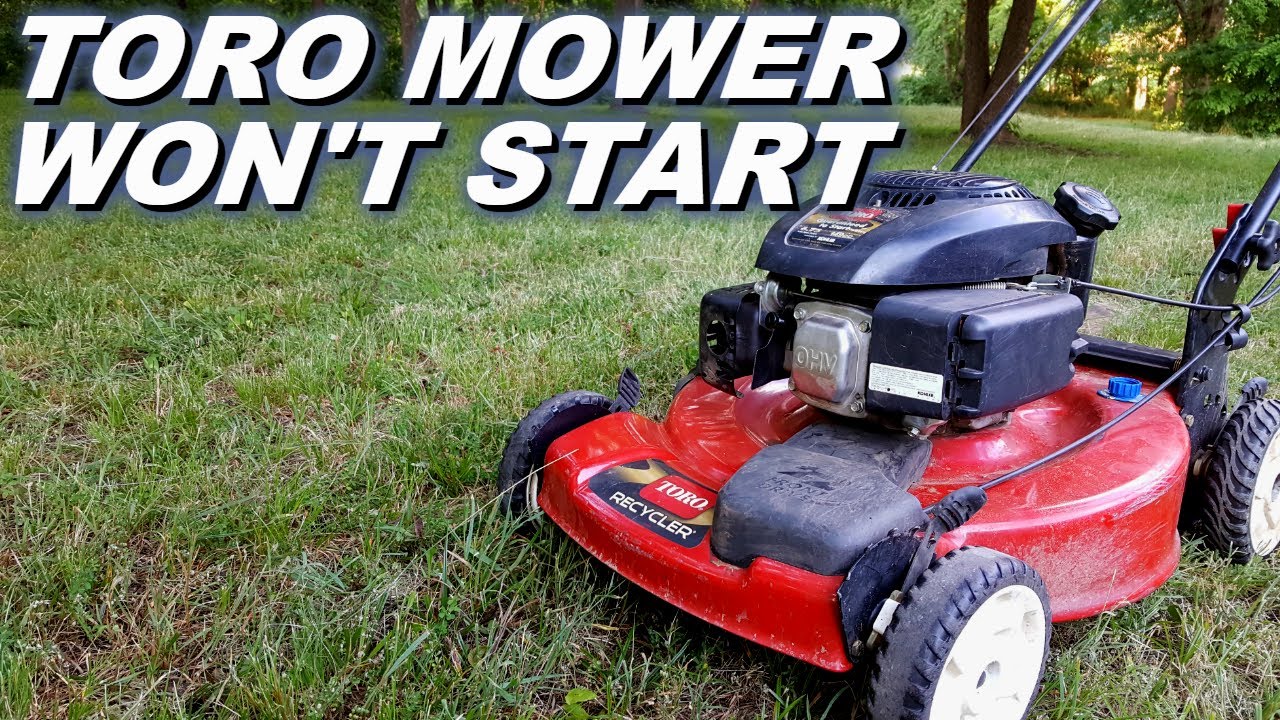
Engine Won't Start — Diagnosis and Fixes
When your engine won’t start, follow a clean process. Start simple. Move to parts only if basics pass.
- Fuel supply
- Replace old gas. Stale fuel gums carburetors.
- Check fuel filter and fuel shutoff valve.
- Spark system
- Test the spark plug. Clean or replace if fouled.
- Inspect ignition coil wire for cracks.
- Air and compression
- Clean or replace the air filter.
- If compression is low, a shop test is best.
Practical example: I once fixed a Toro that would not start by swapping a fouled plug and draining old gas. The job took 20 minutes. That’s typical in Toro Lawn Mower Troubleshooting: start small and work up.
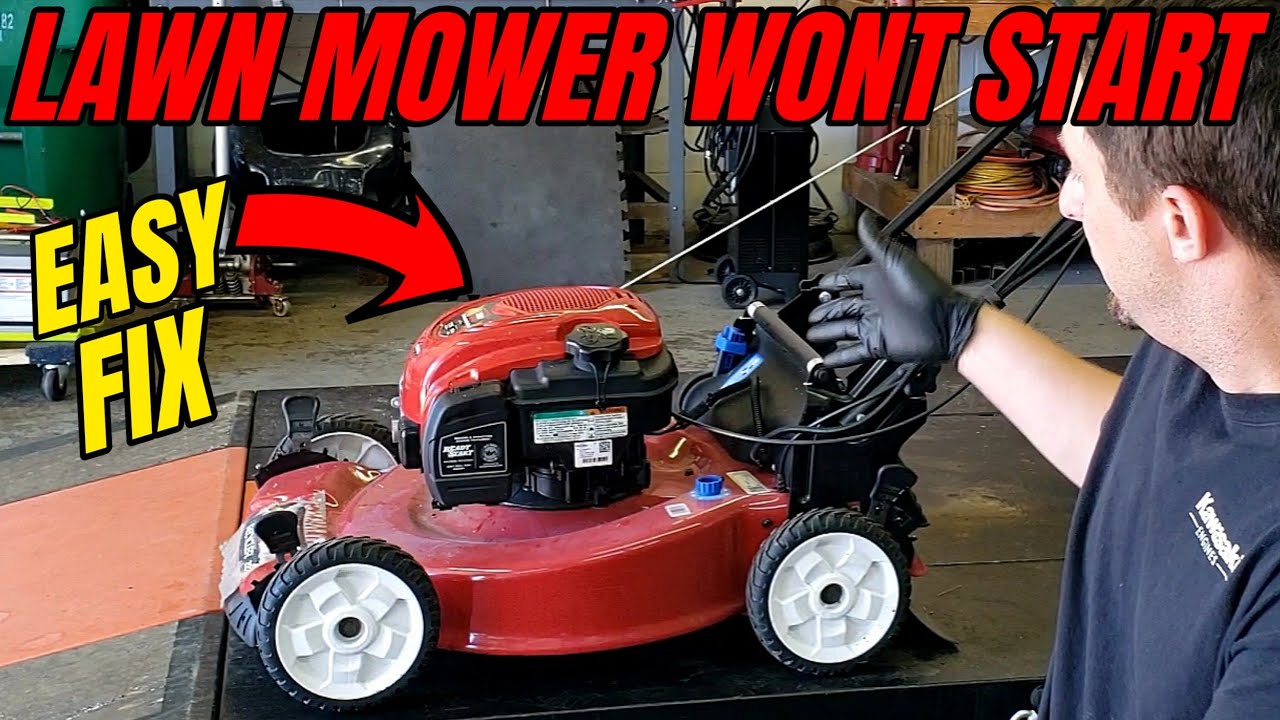
Poor Cutting or Uneven Grass
Uneven cut often comes from dull blades or deck issues. Fixing this improves lawn look and mower life.
- Blades
- Sharpen or replace blades each season or after heavy use.
- Balance blades to cut evenly and reduce vibration.
- Deck and height
- Check deck for dents, rust, or clogs.
- Level the deck and set cutting height per lawn type.
- Grass conditions
- Mow dry grass when possible.
- Don’t remove more than one-third of blade length at once.
A dull blade tears grass. That invites disease. In my work, a simple blade tune-up turned ragged rows into clean stripes. Toro Lawn Mower Troubleshooting here is mostly about blade care.

Mower Stalls, Surges, or Runs Rough
If your mower runs rough, it may have fuel or air problems. Follow steps to isolate the issue.
- Carburetor and fuel system
- Clean the carburetor jets and bowl.
- Replace clogged fuel lines and filters.
- Fuel quality
- Use fresh gas with the proper ethanol content. Avoid old mixed fuels.
- Idle and governor
- Adjust the idle screw per manual.
- Inspect governor linkage for binding or wear.
Real tip: Use carburetor cleaner and compressed air for jets. Take photos of linkages before you move them so you can restore position. This makes Toro Lawn Mower Troubleshooting faster and safer.

Excess Vibration or Noise
Vibration can mean a bent blade or loose part. Noise often gives a clear hint.
- Inspect blades and spindle
- Bent blades cause wobble and vibration.
- Check spindle bearings for wear.
- Check fasteners
- Tighten deck bolts, engine mounts, and blade bolts.
- Look for foreign objects
- Stones and sticks jam the deck and make noise.
A loud knock usually signals a damaged blade or crank issue. Stop and inspect immediately. My rule: never run a mower that vibrates strongly. It can worsen damage fast. Toro Lawn Mower Troubleshooting is about catching these signs early.

Battery, Electric Start, and Drive Issues
For electric start and self-propel models, focus on battery and drive system.
- Battery care
- Charge and test battery voltage. Replace if it fails load test.
- Clean terminals and use dielectric grease.
- Starter and solenoid
- Listen for click. If click but no spin, check connections and solenoid.
- Drive belt and transmission
- Inspect belts for wear and adjust tension.
- Check transmission fluid or cables per manual.
I once tracked a no-crank problem to a corroded ground wire. Clean grounds solve many electric faults. Include battery checks in routine Toro Lawn Mower Troubleshooting.
Preventive Maintenance and Seasonal Care
Good maintenance prevents most problems. Follow a simple schedule.
- Before each use
- Check fuel, oil, and blade condition.
- Remove debris from deck.
- Every 25 hours
- Clean air filter. Replace if needed.
- Check spark plug and points.
- Every 100 hours or annually
- Change oil and replace oil filter.
- Inspect fuel system and carburetor.
- Lubricate fittings and pivot points.
PAA-style question 1: How often should I change the oil on my Toro mower?
Answer: Change oil every 50 to 100 hours or at least once a season for regular use.
PAA-style question 2: Can I use gas with ethanol in my Toro mower?
Answer: Small amounts of ethanol are usually OK. Use fuel with less than 10% ethanol and avoid old fuel.
Consistent care shortens repair time and costs. My experience shows owners who follow this schedule avoid most mid-season failures. Toro Lawn Mower Troubleshooting is easier with good habits.
Parts, Tools, and When to Call a Pro
Know what you can fix and when to get help. Keep basic parts and tools at hand.
- Essential parts to stock
- Spark plugs, air filters, fuel filter, belts, and blades.
- Tools to have
- Socket set, torque wrench, spark tester, carburetor cleaner, and blade balancer.
- When to call a pro
- Low compression, major crank noise, or transmission failure.
- If repairs need specialized tools or safety lifting equipment.
My rule of thumb: fix what you can with clear steps. Call a pro if the job risks safety or warranty. Proper judgement is key in Toro Lawn Mower Troubleshooting.
Quick Troubleshooting Checklist
Use this checklist to find common faults fast.
- Fuel
- Fresh gas and open valve.
- Spark
- Plug shows spark when engine cranked.
- Air
- Air filter clean and free of oil.
- Blades and deck
- Blades sharp, bolts tight, deck clear.
- Battery and belts
- Battery charged, belts intact.
Follow this order to save time and get your mower back to work. Many problems become obvious with a short checklist. Keep it near your shed.
Frequently Asked Questions of Toro Lawn Mower Troubleshooting
Why won’t my Toro mower start after sitting all winter?
Stale gas gums the carburetor and fuel lines. Drain old fuel, add fresh gas, and clean or rebuild the carburetor if needed.
How do I know if the spark plug is bad?
A bad spark plug will look fouled, cracked, or corroded and will not produce spark when tested. Replace it and test the mower again.
My mower is cutting unevenly. What should I check first?
Check blade sharpness and balance, deck level, and tire pressure. Replace or sharpen blades and level the deck for even cuts.
How often should I replace the air filter on my Toro mower?
Replace the air filter every 25 to 50 hours of use or sooner in dusty conditions. A clean filter improves performance and reduces engine wear.
When should I clean or rebuild the carburetor?
Clean the carburetor if the mower stalls, idles poorly, or runs rough after simple fixes. Rebuild if cleaning does not restore proper function.
Conclusion
This guide equips you to diagnose and fix most Toro mower issues. Start with fuel, spark, air, and blades. Use checklists and routine care to prevent problems. If a repair feels unsafe or needs special tools, call a pro. Try one tip today—check your spark plug or blade—and see how much smoother your mower runs. Share your results, ask a question, or subscribe for more maintenance tips.

