

Generac Generator Troubleshooting usually starts with simple checks: battery, fuel, oil, and error messages.
I have spent years working on standby generators and helping homeowners solve system faults. This guide on Generac Generator Troubleshooting walks you through common failures, safe diagnostic steps, practical fixes, and maintenance tips. I write in clear, short steps so you can act fast, avoid costly mistakes, and keep power on when it matters.

36% off Today’s Exclusive Deals
Limited-time Exclusive Deals. Check current discount on Amazon.
Check Price on Amazon As an Amazon Associate I earn from qualifying purchases.
How Generac Generators Work — a quick primer
Generac standby generators sense a power loss and start automatically. They use a transfer switch to move load from grid to generator. The control panel monitors engine, alternator, fuel, and sensors. Understanding this simple flow helps you find faults faster during Generac Generator Troubleshooting.
Common parts to know:
- Control module that shows status and codes.
- Battery and charging system for start power.
- Fuel supply for gas or diesel models.
- Oil and cooling systems for engine health.

Common problems and step-by-step fixes
This section lists frequent failures and clear steps to fix them during Generac Generator Troubleshooting.
No-start or won’t crank
- Check the battery voltage and terminals. Clean and tighten connections.
- Verify fuel is available and valve is open for liquid-fuel models.
- Look at the control screen for startup or battery warnings.
- Try a manual start per the owner manual if safe.
Engine starts but shuts down
- Check oil level and low-oil shutdown switch.
- Look for over-temp warnings; inspect air flow and coolant if applicable.
- Verify fuel pressure and filter condition.
Won’t transfer to generator power
- Inspect the automatic transfer switch for fault lights.
- Ensure the controller shows “Ready” or “Standby.”
- Confirm there is no load imbalance or stuck breaker in the main panel.
Low or no output
- Test with a known load or multimeter at the load terminals.
- Inspect the alternator and connections.
- Check for overload conditions; reduce load and test again.
Unusual noises, smoke, or smells
- Stop the generator and inspect for oil leaks, burned wiring, or fuel smell.
- Do not run the unit until a full inspection is done.
Fuel-related problems
- For propane or natural gas, check supply pressure and regulator.
- For diesel, drain water separators, and replace clogged filters.
These steps cover most homeowner needs for Generac Generator Troubleshooting. If a step is unclear, consult the manual or a pro.
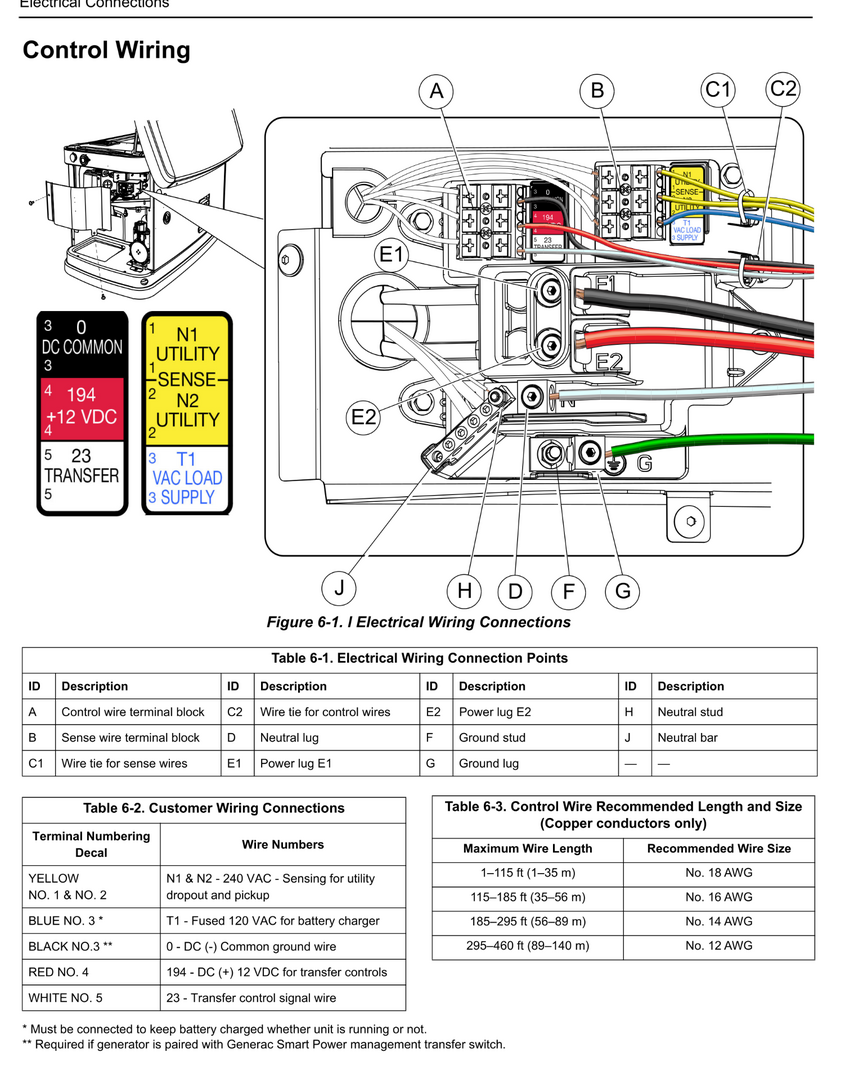
Diagnostic checklist: a safe and simple workflow
Follow this short list when you begin Generac Generator Troubleshooting. Use safety gear and shut power where required.
- Visual inspection
- Look for loose wires, leaks, or rodents in the enclosure.
- Control panel readout
- Note codes, warnings, and the operating hours.
- Battery and starter
- Measure voltage; clean terminals.
- Fuel and oil
- Confirm levels and valve positions.
- Test run
- Do a manual exercise if safe. Watch gauges and listen for odd sounds.
- Load test
- Apply a known load and confirm steady output.
This checklist gets you from basic to deeper checks quickly. Write down findings for reference.

Error messages and control panel signs
Generac controllers display warnings or faults. Many codes point to the same few causes: low oil, battery charge, sensor faults, or alternator issues.
How to approach messages
- Note the exact text or code.
- Check the manual for that code; the manual gives model-specific steps.
- If the message says low oil or low battery, treat it immediately.
- For sensor or alternator faults, log operating hours and consider a technician if the fix is not basic.
Common diagnostic actions
- Replace or top off oil and filters.
- Charge or replace battery and check the charger.
- Tighten alternator and wiring connections.
Keeping a photo of the control screen helps techs diagnose remotely. Use the information you gather during Generac Generator Troubleshooting to speed repairs.

Routine maintenance to prevent most problems
Regular service reduces faults and gives peace of mind. A simple routine prevents many Generac Generator Troubleshooting cases.
Monthly or every run
- Inspect the unit for leaks or debris.
- Check battery terminals for corrosion.
Every 6 months or 100 hours
- Change oil and filter if recommended.
- Replace fuel filters and inspect air filter.
- Run a load test and exercise the transfer switch.
Annual service
- Full tune-up by a certified tech.
- Test the cooling system and alternator output.
- Check and replace the battery if weak.
Keep a maintenance log. A small record saves time and money when troubleshooting or during warranty work.

When to call a professional
Some issues require trained help. Call a certified technician when you see any of these during Generac Generator Troubleshooting.
- Persistent fault codes after basic checks.
- Fuel system repairs for natural gas or propane lines.
- Engine rebuilds, alternator replacement, or major electrical work.
- Any smoke, fire, or repeated overheat events.
I once tried a DIY alternator repair and had to call a pro after hours of work. Save time and risk by calling a technician for major parts or systems beyond routine checks.

Tools and parts to keep on hand
Having basic tools and parts speeds up Generac Generator Troubleshooting and lowers downtime.
Essential tools
- Multimeter for voltage and continuity checks.
- Wrenches and socket set for battery and wiring.
- Fuel siphon and oil drain pan.
Consumable parts
- Battery or battery terminals.
- Oil, oil filter, and air filters.
- Fuel filters and spare fuses.
A compact kit with these items covers most simple fixes. Replace parts with OEM or approved equivalents for best results.

PAA-style quick questions
These short answers match common searches around Generac Generator Troubleshooting.
How do I reset my Generac generator?
- Most models have a reset or “stop/start” sequence on the control panel. Turn the unit off, wait a minute, and try a manual start per the manual.
Why won’t my Generac start after a power outage?
- Check battery charge, fuel supply, and control panel messages. A weak battery or empty fuel tank is the top cause.
How often should I run maintenance on my generator?
- Basic checks monthly and a full service annually are the best habits to prevent faults and reduce Generac Generator Troubleshooting needs.
Frequently Asked Questions of Generac Generator Troubleshooting
How do I check the battery on my Generac generator?
Measure the battery voltage with a multimeter. A healthy battery reads around 12.6 volts at rest; below 12 volts often causes start issues.
What causes a Generac generator to stall under load?
Stalling under load is often fuel starvation, low oil, or an overloaded circuit. Reduce load and check fuel and oil right away.
Can I reset error codes myself?
You can clear some codes by fixing the issue and restarting the unit. Persistent or repeating codes need a technician to diagnose the root cause.
How long does a Generac generator battery last?
A battery can last 3 to 5 years depending on climate and maintenance. Cold and heat shorten battery life, so check it regularly.
Is it safe to run my generator in the rain?
Standby generators are weather-resistant but keep clearances and vents free. Never run portable generators indoors and follow the manual for safety clearances.
How often should I change oil on my Generac?
Change oil per the owner manual, often every 100 hours or every 6 to 12 months for standby units, depending on use and environment.
What should I do if the transfer switch fails?
Isolate the switch and avoid manual load transfers if you are unsure. Contact a licensed electrician or Generac service to inspect and repair the transfer switch.
My personal experience and lessons learned
I helped a neighbor whose Generac failed during a storm. The starter cranked but the unit shut down immediately. Quick checks showed a weak battery and a clogged fuel line. Replacing the battery and fuel filter fixed it. Lesson: small items cause big outages. Keep batteries charged and filters fresh.
Common mistakes I see:
- Skipping the manual and guessing fixes.
- Running without a proper load test.
- Ignoring early warning lights.
Simple care saves hours and expense later.
Closing tips for safe troubleshooting
- Always disconnect power and follow lockout-tagout for electrical work.
- Photograph panels and codes before making changes.
- Use OEM parts and follow torque specs for critical connections.
Conclusion
Generac Generator Troubleshooting is mostly about steady checks, safe steps, and timely maintenance. Start with battery, fuel, oil, and control messages. Use the checklists and tips here to resolve most issues quickly and know when to call a pro. Take action now: inspect your unit, log its status, and schedule routine service to avoid the next outage. If this helped, subscribe for more how-to guides or leave a comment with your generator issue.

