

Most common issues are cooling, transmission, and electrical faults that need step-by-step diagnosis.
I have worked on dozens of SUVs and spent many hours troubleshooting Ford models. This guide dives into 2006 Ford Escape troubleshooting with clear steps, real tips, and repair ideas you can follow. I will walk you through likely causes, how to test systems, and practical fixes. Read on to get confident diagnosing and repairing your Escape.

36% off Today’s Exclusive Deals
Limited-time Exclusive Deals. Check current discount on Amazon.
Check Price on Amazon As an Amazon Associate I earn from qualifying purchases.
Common problems and how to approach 2006 Ford Escape troubleshooting
Start with a clear plan. Check symptoms, gather tools, and isolate systems one at a time. For the 2006 Ford Escape troubleshooting, common symptom groups include engine misfires, overheating, transmission slipping, electrical gremlins, and strange noises. Use visual checks, simple tests, and OBD-II scanning to narrow the cause before replacing parts.
A basic approach:
- Observe and write down when the problem happens, speed, and temperature.
- Scan for codes even if the Check Engine Light is off.
- Test the easy parts first like fuses, battery, and hoses.
- Work from simple to complex to save time and money.
Engine and drivetrain issues: diagnosis and fixes
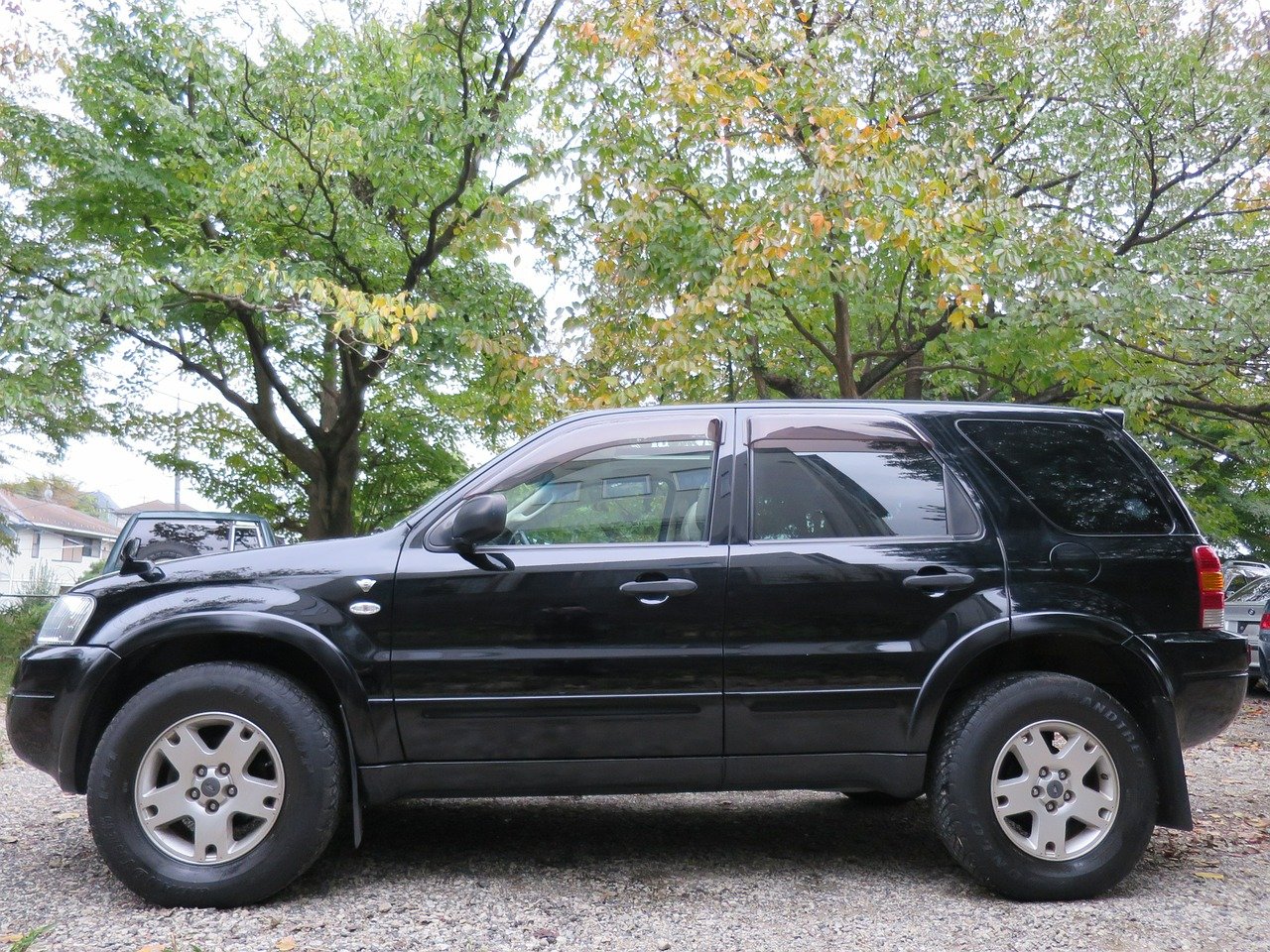
Engine problems are a frequent part of 2006 Ford Escape troubleshooting. Misfires, rough idle, and loss of power are common complaints. Causes include bad spark plugs, failing coil packs, clogged fuel injectors, and vacuum leaks.
Diagnostic steps:
- Read OBD-II codes and note misfire or fuel trim codes.
- Inspect spark plugs and ignition coils visually. Replace if fouled or cracked.
- Use a vacuum gauge to find leaks at hoses and intake gaskets.
- Check fuel pressure to rule out pump or regulator issues.
Practical fixes I recommend from experience:
- Replace plugs and coils in sets rather than one-by-one. That often fixes misfires.
- Clean throttle body and intake passages if idle is rough.
- Replace the PCV valve and intake gaskets if vacuum leaks persist.
Cooling system and overheating troubleshooting
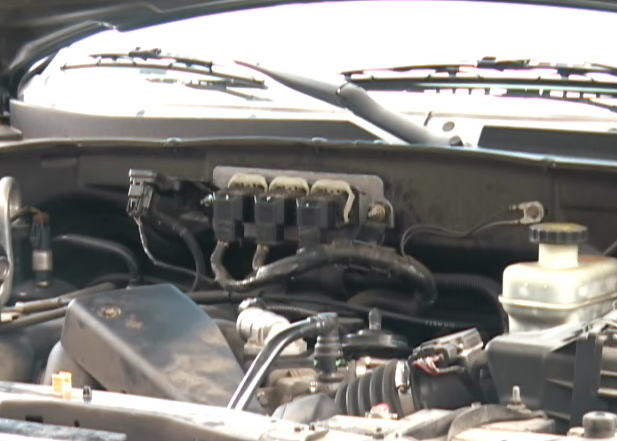
Overheating is a major theme for 2006 Ford Escape troubleshooting. The cooling system must be checked fully. Common failures include failing thermostats, bad water pumps, clogged radiators, and collapsed coolant hoses.
Check these items in order:
- Coolant level and condition. Low or dirty coolant needs service.
- Thermostat operation. A stuck thermostat causes quick overheating.
- Radiator cap pressure. A bad cap can cause boil-over and air in the system.
- Water pump for leaks or wobble. Replace if bearings are noisy or leaking.
Tips from hands-on work:
- Use a pressure tester to find leaks and to test radiator cap performance.
- Flush the cooling system if you inherit old or rusty coolant.
- Replace thermostat and upper hose as a pair when age is unknown.

Transmission and AWD troubleshooting
Transmission complaints are common in the 2006 Ford Escape. Symptoms include slipping, rough shifts, and delayed engagement. For AWD models, transfer case and actuator issues can add complexity.
Steps for transmission and AWD:
- Scan for transmission-related codes using a scan tool that reads TCM codes.
- Check transmission fluid level and color. Burnt smell or dark fluid signals trouble.
- Inspect for external leaks at pan and cooler lines.
- For shifting issues, test valve body solenoids and pressure using a professional scan tool or shop help.
When to seek professional help:
- If you detect metal in the fluid, or if the transmission slips under load, get a specialist to inspect internal damage.
- AWD actuator failures often require replacement or recalibration at a shop.

Electrical system and common gremlins
Electrical faults are a frequent part of 2006 Ford Escape troubleshooting. Problems range from weak starts to random sensor failures. The powertrain control module, ground points, and connectors often play a role.
Quick checks:
- Test battery voltage and alternator output. Replace a weak battery.
- Inspect fuses and relays. Replace any corroded parts.
- Clean and tighten battery terminals and chassis grounds.
- Wiggle connectors while running to find intermittent faults.
On my own vehicles, I found loose grounds cause odd sensor errors. Tightening a ground cured multiple codes at once. Always secure grounds and clean corrosion.

Brakes, suspension, and steering concerns
Brakes and suspension issues don’t always sound like engine problems but they can affect safety. For 2006 Ford Escape troubleshooting, common items include worn pads, warped rotors, leaking shocks, and noisy wheel bearings.
Checklist for brakes and suspension:
- Inspect brake pad thickness and rotor condition. Replace if worn or warped.
- Check brake fluid level and contamination. Flush if old or dirty.
- Test shocks by pushing on corners; vehicle should settle quickly.
- Listen for grinding or humming at speed to find bad wheel bearings.
Simple maintenance often prevents trouble. I once avoided a costly hub failure by changing pads early and noticing a subtle bearing hum.

Diagnostic tools, codes, and useful tests
Having the right tools makes 2006 Ford Escape troubleshooting simpler. An OBD-II scanner, a multimeter, a fuel pressure gauge, and basic hand tools get you far.
Important tests and codes:
- Read and clear trouble codes. Note freeze frame data.
- Use live data to watch sensors like MAF, O2, and coolant temp.
- Common OBD-II codes for this model relate to misfires (P0300–P0304), oxygen sensors (P0130–P0167), and transmission solenoids (P0740–P0760).
- Perform a smoke test to find vacuum leaks when you suspect intake leaks.
PAA-style questions:
- Why does my 2006 Ford Escape overheat when idling? Tight radiators, weak fans, or a failing thermostat often cause that symptom.
- What causes rough idle in a 2006 Escape? Dirty throttle body, bad ignition components, or vacuum leaks often cause rough idle.
- How do I read transmission codes? Use a scanner with TCM support and follow live data to confirm solenoid operation.
Maintenance schedule and preventive tips
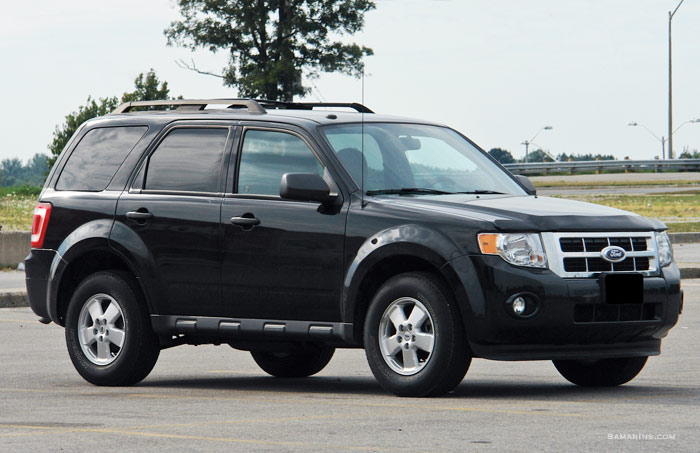
A regular plan reduces the need for deep 2006 Ford Escape troubleshooting. Follow a simple schedule and replace wear items before they fail.
Key maintenance steps:
- Change engine oil and filter every 3,000–5,000 miles with quality oil.
- Replace spark plugs and inspect ignition coils every 60,000 miles.
- Flush coolant and inspect hoses every 50,000 miles.
- Service transmission fluid and filter per service interval or sooner if towing.
From experience, owners who keep up with fluids and filters see fewer electrical and drivetrain issues. A small investment in maintenance saves big repair bills.
Personal notes, common mistakes, and lessons learned
I have fixed many 2006 Ford Escape issues. Here are real lessons that help when troubleshooting.
Lessons and mistakes to avoid:
- Don’t replace parts based on guesswork. Diagnose first.
- Don’t ignore minor warning signs like a slight vibration or odd smell.
- Remember that a cheap battery or loose ground can mimic serious faults.
- Use OEM or quality aftermarket parts for sensors and electrical components.
One case I recall: a vehicle with a limp mode had a corroded connector at the transmission. Replacing the connector fixed it in under an hour and saved hundreds.
Related concepts: recalls, TSBs, and service bulletins
When doing 2006 Ford Escape troubleshooting, check for recalls and technical service bulletins (TSBs). TSBs often provide exact tests and fixes for known issues.
How to use them:
- Search TSBs for your VIN or engine/transmission combination.
- Use TSB procedures to save time and follow proven fixes.
- If a recall relates to safety items, contact a dealer for a free repair.
TSBs can point you directly to common failure modes and the correct parts to replace.
Frequently Asked Questions of 2006 Ford Escape Troubleshooting
Why does my 2006 Ford Escape lose power while driving?
Loss of power can stem from clogged fuel filter, failing fuel pump, bad MAF sensor, or ignition problems. Scan for codes and test fuel pressure to narrow the cause.
How do I stop a 2006 Ford Escape from overheating?
Check coolant level, thermostat, radiator fan operation, and water pump. A pressure test and thermostat swap often solve the issue.
What causes the check engine light to come on intermittently?
Intermittent CELs often come from loose gas caps, bad connectors, or failing sensors that send sporadic signals. Read codes and inspect connectors for damage or corrosion.
How often should I change the transmission fluid on a 2006 Escape?
Follow the owner’s manual, but many experts recommend a fluid change every 30,000–60,000 miles for best longevity. If you tow or drive in harsh conditions, service more often.
Can I drive my Escape with a misfire code?
Short trips with a mild misfire may be okay, but prolonged driving risks catalytic converter damage and reduced safety. Diagnose and repair soon.
My Escape stalls at idle. What should I check first?
Start with the idle air control system, throttle body cleanliness, and vacuum leaks. Also test ignition components and fuel delivery.
How do I find a vacuum leak on my Escape?
Use a smoke machine or spray carb cleaner around intake gaskets and hoses while the engine runs to find changes in idle. Listen and watch for idle changes.
What are signs of a failing water pump in a 2006 Escape?
Coolant leaks under the vehicle, grinding noise from the front of the engine, and overheating are key signs. Replace when bearings or seals fail.
Is it worth repairing a high-mileage 2006 Ford Escape?
If the frame and body are sound and repairs are limited to routine items, it can be worth fixing. Consider repair cost versus vehicle value and future reliability.
Why does my AWD system light up or not engage?
Faulty sensors, transfer case actuator faults, or low fluid in the transfer case can stop AWD engagement. Scan for codes and check fluid and actuator operation.
Conclusion
2006 Ford Escape troubleshooting is a methodical process of observing symptoms, scanning for codes, and testing components one system at a time. Start with simple checks like fluids, battery, and connectors before moving to complex parts. Use tools and TSB guidance, and keep up with regular maintenance to prevent common failures. Take action now: run a basic scan, note symptoms, and tackle one repair at a time. If you found this helpful, try these tests on your Escape, subscribe for updates, or leave a comment about your experience.

