

Three Phase Motor Troubleshooting helps you find and fix motor faults fast and safely.
I have over a decade of hands-on experience in motor maintenance and repair, and this guide on Three Phase Motor Troubleshooting brings that field knowledge to your toolbox. You will get clear, practical steps, proven tests, and real-life tips to diagnose electrical, mechanical, and control issues in three phase motors. Read on to learn how to spot symptoms, run safe tests, interpret results, and prevent repeat failures with confidence.

36% off Today’s Exclusive Deals
Limited-time Exclusive Deals. Check current discount on Amazon.
Check Price on Amazon As an Amazon Associate I earn from qualifying purchases.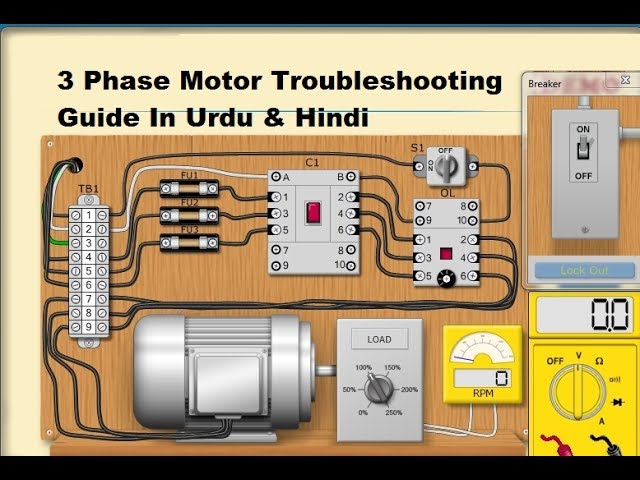
What is a Three Phase Motor and why troubleshooting matters
Three phase motors convert electrical power into mechanical power. They run cleaner and smoother than single-phase motors. These motors power pumps, fans, compressors, conveyors, and heavy machines. Three Phase Motor Troubleshooting keeps systems running and reduces costly downtime.
Key facts:
- Most three phase motors are induction motors. They have stator windings and a rotor.
- Proper diagnosis saves parts, time, and energy.
- Troubleshooting identifies electrical, mechanical, and control faults quickly.

Source: waterwelljournal.com
Common symptoms and likely causes
Recognizing symptoms speeds diagnosis during Three Phase Motor Troubleshooting. Each symptom points to a set of likely causes.
Typical symptoms and causes:
- Motor won't start
- Blown fuses, starter failure, control wiring fault, or phase loss.
- Motor hums but does not turn
- Rotor locked, low supply voltage, or starter capacitor (on special designs).
- Overheating or tripping thermal overload
- Overload, poor ventilation, contaminated windings, or high ambient temperature.
- Excess vibration or noise
- Misalignment, bearing wear, loose mountings, or bent shaft.
- Unbalanced currents or high current in one phase
- Supply imbalance, shorted turns, or motor winding damage.
When you see a symptom, start with the safest, simplest checks first. This reduces risk and narrows the problem quickly.

Tools, safety, and preparation for troubleshooting
Safety is the top rule for Three Phase Motor Troubleshooting. Use the right tools and follow clear steps.
Essential tools:
- Insulation resistance tester (megger)
- Digital multimeter (true-RMS)
- Clamp ammeter
- Motor circuit analyzer or phase rotation meter
- Vibration meter and stroboscope for complex faults
- Basic hand tools and thermal camera for hot-spot checks
Safety and prep:
- Lock out and tag out the power before touching wiring.
- Verify absence of voltage with a meter.
- Wear safety glasses, gloves, and hearing protection.
- Follow manufacturer data and nameplate ratings.
- Keep clear records of readings and actions.
A calm, methodical approach improves safety and speeds Three Phase Motor Troubleshooting.
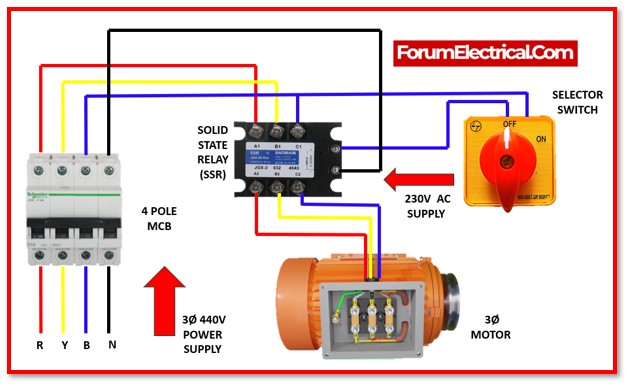
Step-by-step Three Phase Motor Troubleshooting process
Follow these ordered steps when troubleshooting a three phase motor. They reduce guesswork and focus effort on the real fault.
-
Visual and mechanical check
- Inspect for loose bolts, damaged couplings, burnt paint, oil leaks, and foreign objects.
- Check fan guards and ventilation.
-
Confirm supply and control
- Verify supply voltage at the starter is within nameplate range.
- Check fuses, circuit breakers, contactors, overload relays, and control circuits.
-
Measure phase rotation and balance
- Confirm correct phase rotation; reversed rotation can damage driven equipment.
- Measure voltage between phases and look for imbalance over 3–5%.
-
Check currents and compare phases
- Use a clamp ammeter to measure running current on each phase.
- Large current differences suggest supply or winding faults.
-
Insulation resistance test
- Use a megger to test stator insulation to ground and between phases.
- Typical new motor values: >1 megohm per kV of rated voltage. Follow manufacturer specs.
-
Winding and resistance checks
- Measure DC resistance between each pair of windings.
- Ratios should be near equal. Large differences imply shorted turns or damage.
-
Rotor and bearing evaluation
- Check bearing play and lubrication.
- Look for rotor bar faults with current signature analysis or slip tests.
-
No-load and blocked-rotor tests (when safe)
- No-load run shows mechanical drag and ventilation issues.
- Blocked-rotor test helps detect rotor bar and starting torque problems.
-
Analyze protection devices
- Confirm overloads and thermal switches are set correctly.
- Check phase-loss and ground-fault protection functionality.
-
Document findings and repair plan
- Record voltages, currents, insulation values, and steps taken.
- Replace or repair components based on evidence.
I once followed these steps on a pump motor that tripped daily. Simple voltage checks showed 15% supply imbalance. Fixing a loose utility connection stopped the tripping and saved a costly rewind. Practical checks like these prevent unnecessary motor teardown.

Diagnostic tests and interpreting results
Accurate readings guide good Three Phase Motor Troubleshooting. Below are common tests and how to read them.
Insulation resistance (megger)
- Good: values typically high and stable after a minute.
- Warning: low values or rising trend indicate moisture, contamination, or degraded insulation.
Phase voltage and imbalance
- Measure line-to-line voltages.
- Imbalance over 3–5% can cause overheating and increased current.
Phase current checks
- Running currents should match motor nameplate or be within tolerance.
- One phase high and others low indicates supply or winding issues.
Winding resistance
- Compare resistances of all three windings.
- A difference greater than a few percent suggests internal damage.
Vibration and noise
- High vibration at certain speeds hints at imbalance, misalignment, or resonance.
- Bearing noise is distinct from electrical noise; use a stethoscope or vibration meter.
Phase rotation
- Incorrect rotation may not damage the motor but can harm driven equipment.
Interpreting combined results reduces false calls and avoids unnecessary repairs. If insulation is poor and currents are high, the motor needs rewind or replacement. If insulation is fine but currents are uneven, suspect supply or control faults.
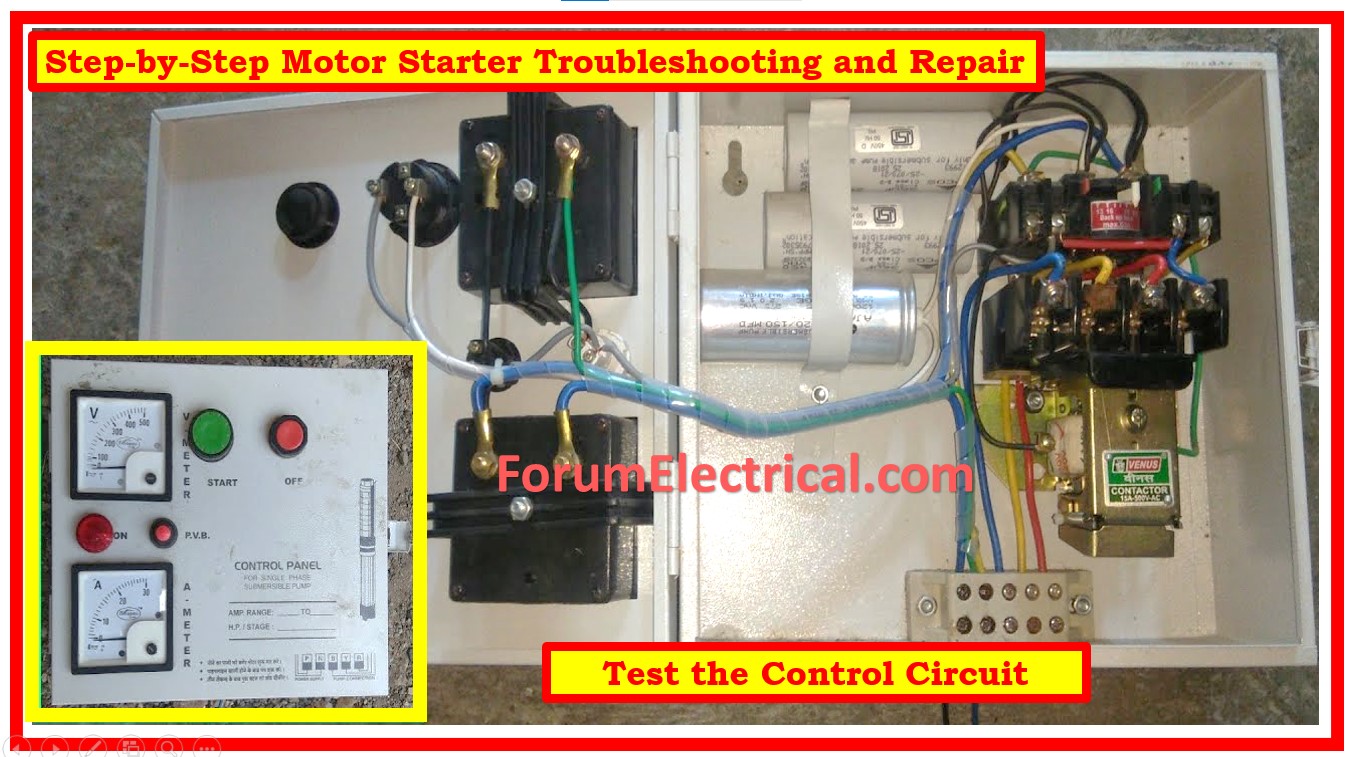
Preventive maintenance and best practices
Good preventive care reduces the need for Three Phase Motor Troubleshooting. Simple routines extend motor life and reliability.
Maintenance checklist:
- Clean ventilation paths and fans monthly in dusty areas.
- Lubricate bearings per manufacturer schedule.
- Tighten connections and inspect terminals quarterly.
- Monitor current and vibration regularly and trend readings.
- Replace worn belts, couplings, and seals promptly.
Recordkeeping:
- Keep a log of tests, repairs, and parts replaced.
- Trend data helps predict future failures and plan downtime.
I track currents and vibration for critical motors. A small rise in vibration alerted me to a coupling misalignment before bearings failed. That early catch saved days of downtime.
Common mistakes and troubleshooting pitfalls
Avoid these frequent errors during Three Phase Motor Troubleshooting to save time and prevent repeat problems.
Mistakes to avoid:
- Rushing to rewind a motor without checking supply conditions.
- Ignoring simple visual checks and control wiring.
- Using the wrong test voltages on insulation tests.
- Skipping lockout/tagout to save time.
- Replacing parts without documenting measurements.
Tip: Always verify power quality and starter health before condemning a motor. Many motors are replaced unnecessarily when the root cause is upstream.
Frequently Asked Questions of Three Phase Motor Troubleshooting
What is the first check for a motor that won't start?
Check power supply and control devices first: fuses, breakers, contactors, and phase presence. A quick voltage check often reveals the issue.
How much insulation resistance is acceptable?
Acceptable values depend on motor size and voltage, but higher is better. Follow manufacturer limits; generally, more than a few megohms is safe.
Can phase imbalance damage my motor?
Yes. Phase imbalance causes extra heating and reduces motor life. Keep imbalance under 3–5% when possible.
How do I test for a shorted rotor bar?
Use a current signature analysis or blocked-rotor test. A sudden torque drop or specific harmonic in current suggests a rotor bar fault.
When should I rewind versus replace a motor?
Consider rewind for medium to large motors if repair cost is less than replacement and efficiency remains acceptable. For small motors, replacement is often more cost effective.
Is it safe to run a motor with one phase open?
No. Single-phasing causes overheating and high current in remaining phases. Stop and fix the fault immediately.
How often should I perform preventive tests?
Critical motors: monthly to quarterly for current and vibration. Less critical: semi-annually or annually, depending on environment.
Conclusion
This Three Phase Motor Troubleshooting guide gives you clear steps to find, test, and fix common motor problems. Start with safe visual checks, confirm supply and rotation, use proper tools for insulation and current tests, and document everything. Keep preventive maintenance regular to reduce failures. Take action today: apply one inspection tip from this guide, record the result, and set a follow-up plan to improve motor reliability. Share your experience or ask a question below to keep the conversation going.

