

Most Dodge Ram transmission issues stem from fluid problems, sensors, or wear in the valve body.
I have spent years diagnosing and fixing trucks, and this guide on Dodge Ram Transmission Troubleshooting packs clear steps, real tips, and simple checks you can use today. You will learn how to spot symptoms, read codes, do safe DIY checks, and decide when to see a pro. This is practical, expert-backed advice for owners and DIYers who want reliable results from Dodge Ram Transmission Troubleshooting.

36% off Today’s Exclusive Deals
Limited-time Exclusive Deals. Check current discount on Amazon.
Check Price on Amazon As an Amazon Associate I earn from qualifying purchases.
Common Dodge Ram transmission problems and how they start
Transmission trouble can show up slowly or all at once. Many Dodge Ram transmission problems begin with small signs. Catching them early saves money and time.
- Fluid leaks. Low fluid is a top cause of trouble. Leaks let pumps starve and parts overheat.
- Burnt fluid. Dark, smell-of-burnt-fluid means internal wear or slipping.
- Hard shifts or delayed engagement. These often point to solenoid, valve body, or fluid issues.
- Slipping gears. Worn clutches or low fluid cause this feeling of losing drive.
- Overheating. Can be from towing with bad cooler, blocked cooler lines, or low fluid.
- Torque converter shudder. Vibrations at certain speeds often mean converter problems.
- Electronic faults. Faulty sensors or wiring can trigger limp mode or odd shifting.
I’ve seen a dozen Rams with the same start point: a small leak ignored until the gearbox is damaged. Early checks are worth it.
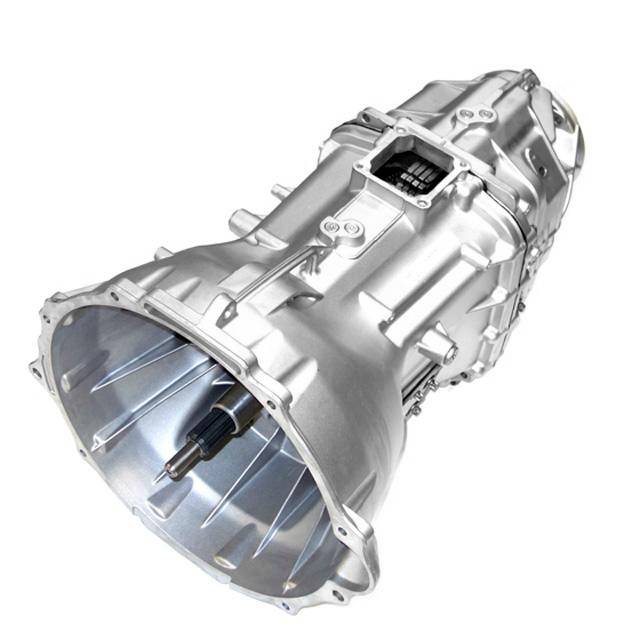
Symptoms: What to watch for in your Dodge Ram transmission
Symptoms tell the story. Watch for sounds, feelings, and dashboard lights. Record what you see before you dig deeper.
- Strange noises. Clunking, whining, or grinding when shifting.
- Check engine light or transmission warning. Codes often store more detail.
- Slow or no movement when in Drive or Reverse. This is a major red flag.
- Shudder or vibration during acceleration. Usually torque converter or clutch related.
- Gear hunting or slipping under load. Feels like RPMs climb without speed increase.
- Fluid on the ground. Color and smell tell a lot.
Write notes. Note speed, RPM, gear, and load when symptoms show. That helps any mechanic.

Basic Dodge Ram Transmission Troubleshooting steps you can do at home
Start simple. Safe basic checks often find the cause. These steps help narrow issues before you spend money.
- Check transmission fluid level and color.
- Warm the truck, park on level ground, and follow the manual for the dipstick or fill plug check.
- Healthy fluid is clear red and smells faintly sweet.
- Look for leaks.
- Inspect under the truck, cooler lines, pan gasket, and seals.
- Scan for codes.
- Use an OBD2 scanner that reads transmission codes. Save codes and freeze-frame data.
- Test drive with notes.
- Note when shifts happen, if there is a delay, and if revs climb without speed.
- Check electrical connectors and wiring.
- Look for loose plugs at the transmission and broken wires.
- Inspect the transmission cooler and lines.
- Blocked cooling lowers life span. Clean or replace if clogged.
I once found a Dodge Ram that only needed a loose ground wire re-seated. It saved the owner a four-figure bill. Small steps matter.
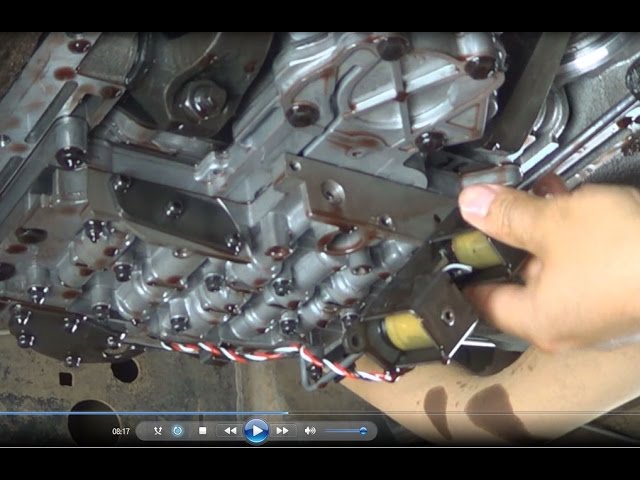
How to read codes and use scan tools for Dodge Ram Transmission Troubleshooting
Codes point you to the subsystem that failed. You do not always need to fix parts. Often you fix wiring or fluid first.
- Use a scanner that reads manufacturer transmission codes.
- Note stored codes, pending codes, and freeze-frame data.
- Pay attention to PIDs such as shift time, line pressure, and converter lockup.
- If you get a solenoid code, test the solenoid circuit before replacing the solenoid.
- For communication errors, check CAN bus wiring and grounds.
A good scan saved me hours once. The code showed a pressure sensor glitch, which turned out to be a frayed wire. Fix the small things first.
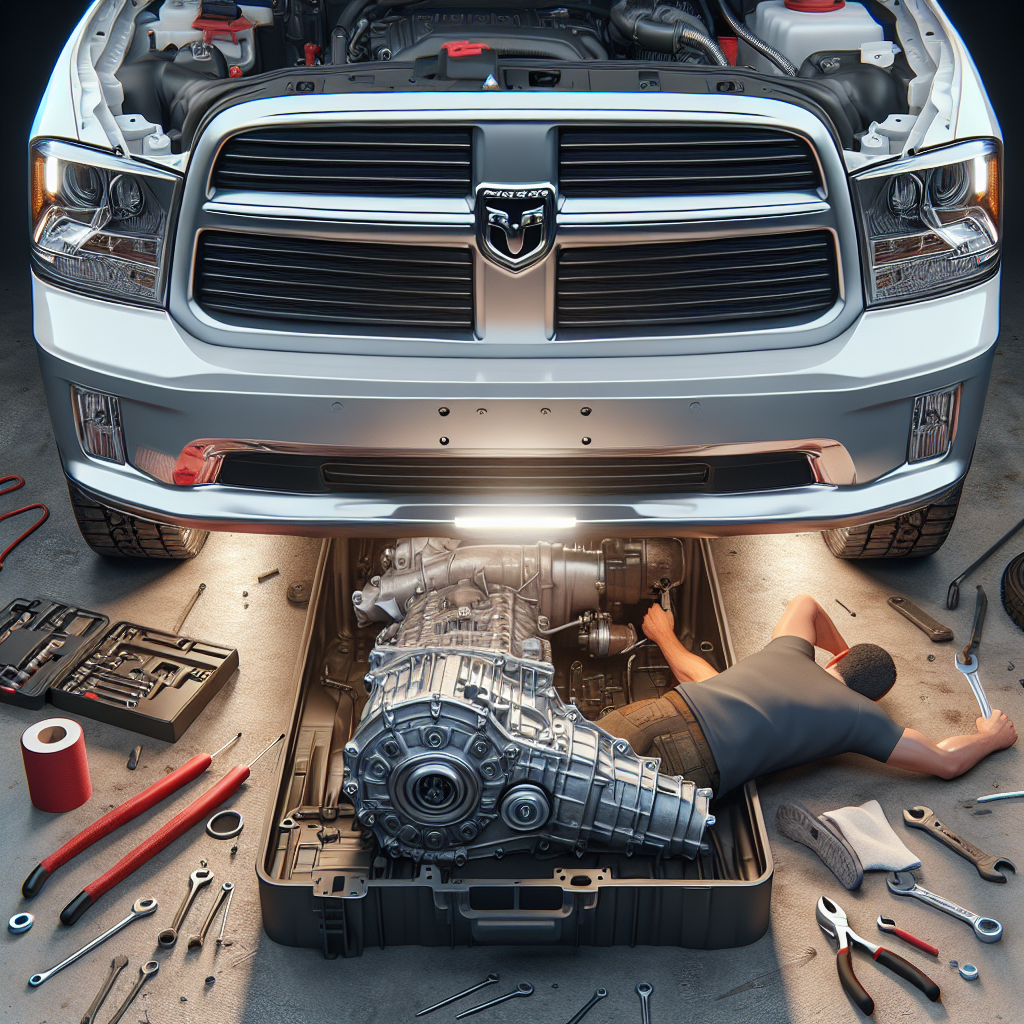
Common fixes and repair options for Dodge Ram Transmission Troubleshooting
Not all fixes cost the same. Know the options and likely price ranges. Choices depend on age, mileage, and symptoms.
- Fluid and filter service
- Best first step for many problems. Cost is low and often resolves slipping or rough shifts.
- Solenoid pack replacement
- Solenoids fail and cause poor shifting. Moderate cost.
- Valve body rebuild or replacement
- Needed for internal hydraulic issues. More costly but effective.
- Torque converter replacement
- Required for shudder or lockup failure. Medium to high cost.
- Rebuild or replace transmission
- For severe wear or internal failure. High cost but sometimes needed.
- Fix electrical faults
- Wiring repairs, connector cleaning, and module resets are cost-effective.
I advise trying fluid service and scanning first. I have seen many trucks fixed by service and a single solenoid swap rather than a full rebuild.

Maintenance and prevention for longer transmission life
Preventive care works. Simple habits extend the transmission life on a Dodge Ram.
- Change fluid and filter per manual or after heavy towing.
- Use the correct fluid type specified for your Ram.
- Install an auxiliary cooler when towing heavy loads.
- Avoid aggressive shifting and hard launches.
- Fix leaks fast and keep fluid at the right level.
- Keep engine and transmission mounts in good condition.
A friend towed heavy loads without an extra cooler and ruined a transmission by 80k miles. A cooler can save thousands.

When to visit a transmission shop or dealer
Some jobs need a pro. Knowing when to go saves time and money.
- No movement or severe slipping under light load.
- Major internal noise, grinding, or metal in fluid.
- Repeated codes after basic repairs or hard-to-diagnose electrical faults.
- Need for full rebuild or replacement.
- Warranty work or complex PCM/TCM reprogramming.
Choose a shop experienced with Dodge Ram trucks. Ask about warranty on parts and labor.

Costs, timelines, and realistic expectations
Be realistic about costs and time. Here are rough ranges and what to expect.
- Fluid and filter service: low cost, same day.
- Solenoid or sensor replacement: moderate cost, 1 day to 3 days.
- Valve body work: moderate to high cost, 1 to 5 days.
- Torque converter: high cost, 2 to 5 days.
- Full rebuild or replacement: very high cost, several days to weeks.
Get multiple quotes. Ask the shop to show codes, parts, and test data. That builds trust.
Personal tips, mistakes to avoid, and real-world advice
I have worked on many Rams. Here are hard-earned tips.
- Don’t ignore a tiny fluid puddle. It grows into a big problem.
- Always scan before parts swap. Codes narrow the issue.
- Keep a maintenance log. It helps when troubleshooting recurring faults.
- Avoid cheap generic fluid if the manual calls for a specific spec.
- Ask the shop to road-test with you. You will see if the fix works.
- Avoid over-tightening pan bolts. That warps pans and causes leaks.
One mistake I made early was replacing a valve body without checking the torque converter. I wasted money. Learn from that.
Related concepts and further reading topics
Learn these topics to improve your troubleshooting skills.
- Transmission line pressure testing
- Solenoid electrical testing and resistance checks
- Torque converter stall speed and shudder diagnosis
- PCM and TCM re-flash and software updates
- Cooling system and transmission cooler design
These help you make informed choices and speak confidently with shops.
Frequently Asked Questions of Dodge Ram Transmission Troubleshooting
What causes delayed engagement in a Dodge Ram transmission?
Delayed engagement often comes from low fluid, contaminated fluid, or a weak pump. It can also be caused by a failing pressure sensor or worn clutches.
How often should I change transmission fluid in a Dodge Ram?
Follow the owner’s manual, but many owners change fluid every 60,000 miles or sooner if towing. Change sooner if fluid looks dark or smells burnt.
Can I drive my Dodge Ram with a slipping transmission?
You can drive short distances, but avoid heavy loads. Driving long-term with slipping causes more damage and higher repair costs.
Are rebuilds better than replacement for Dodge Ram transmissions?
Rebuilds can be cost-effective when done right and when core damage is not extreme. New or remanufactured units offer reliability but cost more.
How do I know if my torque converter is bad?
Symptoms include shuddering during acceleration, slipping at highway speeds, and unusual noises. A scan and pressure tests help confirm it.
Conclusion
You now have a clear path for Dodge Ram Transmission Troubleshooting. Start with fluid, check for leaks, scan for codes, and do simple checks before replacing parts. Keep maintenance up and tow smart to avoid trouble. If problems persist, choose a trusted shop with Dodge experience. Take action now: check your fluid, scan for codes, or book a pro inspection. Share your experience or questions below to help others.

