

If you own an RV, you know hot water is important for comfort. The Apus RV tankless water heater is popular because it saves space, heats water quickly, and uses less energy. But like any device, sometimes it stops working or doesn’t perform as expected. Many owners struggle to find clear troubleshooting help, especially those new to RVs or using English as a second language. This guide will help you fix common issues step by step, so you can get back to enjoying your travels.
How The Apus Rv Tankless Water Heater Works
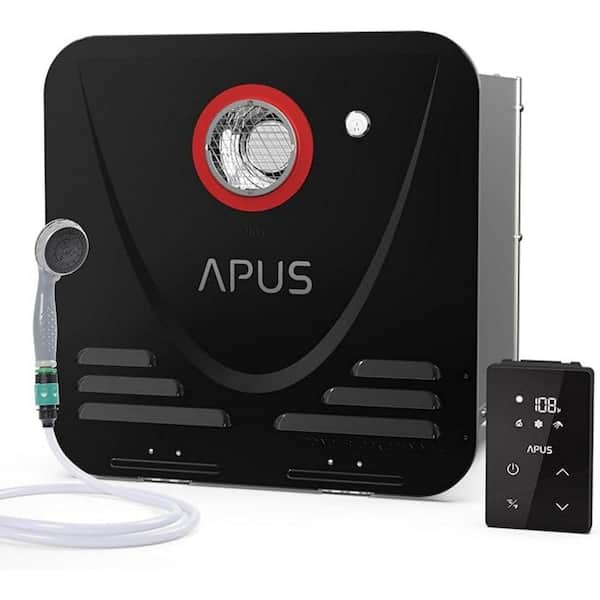
Understanding how your Apus tankless water heater operates makes troubleshooting easier. Unlike traditional water heaters, it heats water only when you turn on the tap. Cold water flows into the unit, a sensor detects the flow, and the burner heats the water instantly. There’s no storage tank, so you never run out of hot water (unless there’s a problem).

36% off Today’s Exclusive Deals
Limited-time Exclusive Deals. Check current discount on Amazon.
Check Price on Amazon As an Amazon Associate I earn from qualifying purchases.Key features:
- Instant heating: Water is heated as it passes through.
- Energy efficient: No energy wasted keeping water hot in a tank.
- Compact design: Saves space in your RV.
Common controls:
- Temperature setting: Adjustable via a dial or digital panel.
- On/Off switch: Some models have a main power switch.
- LED indicators: Show errors or status.
Many problems begin with these controls, so it’s useful to know what each does.
Common Problems With Apus Rv Tankless Water Heaters
Most issues fall into a few clear categories. Here are the problems owners report most:
- No hot water
- Water is not hot enough
- Water heater does not turn on
- Error codes or blinking lights
- Water is too hot
- Fluctuating water temperature
- Strange noises
- Low water pressure
- Leaking water
- Gas smell or ignition failure
Each problem has its own likely cause and solution. Let’s look at each one in detail.

Troubleshooting No Hot Water
If you turn on the tap and the water stays cold, try these steps:
- Check the power supply. Is the unit plugged in and switched on?
- Inspect the gas supply (for gas models). Is the gas valve open? Is your propane tank full?
- Look at the water flow. Some heaters need a minimum flow rate to activate. If water trickles out, the heater won’t turn on.
- Review the temperature setting. Is it set too low?
- Check for error codes. Many Apus units display codes if something is wrong.
If all these seem fine, but you still get cold water, the problem may be deeper. A faulty ignition, blocked burner, or damaged sensor can cause total failure.
Example: One owner found their heater wouldn’t turn on because their RV battery was too weak. Tankless heaters often need a strong 12V battery to ignite.
Solving Water That’s Not Hot Enough
Sometimes the water is warm, but not hot. Here’s what to check:
- Temperature setting: Make sure it’s high enough.
- Water pressure: Low pressure can prevent full heating.
- Gas supply: Weak propane pressure leads to lukewarm water.
- Clogged burner or heat exchanger: Mineral buildup reduces efficiency.
- Cold weather: In winter, inlet water is colder and needs more heating.
A non-obvious insight: Many users forget to clean the filter. Sediment can block water flow, reducing heat. Check your water inlet filter every few months.
Water Heater Does Not Turn On
If your heater won’t start at all, focus on these:
- Power and fuse: Check all electrical connections. Replace blown fuses.
- Gas valve: For gas units, make sure the valve is open.
- Battery voltage: Low voltage prevents ignition.
- Flow sensor: If the flow sensor is faulty, the unit won’t detect water movement.
Another tip: Some Apus heaters have a reset button. Try pressing it after checking other steps.
Understanding Error Codes And Blinking Lights
Apus models often use error codes or blinking LEDs to signal issues. Here are some common codes:
- E1: Ignition failure
- E2: Overheating
- E3: Low water pressure
- E4: Sensor failure
Consult your manual for full code meanings. If you lost the manual, you can often find code lists online or at the manufacturer’s site.
Example: If you see “E1,” check gas, spark electrode, and battery. If “E2,” turn off the heater for a while to cool down. Error codes are your heater’s way of telling you where to look.
Fixing Water That’s Too Hot
Occasionally, the water is much hotter than you expect. This can be dangerous. Try these fixes:
- Lower the temperature setting
- Check for a stuck thermostat
- Inspect temperature sensor
- Look for software glitches (sometimes unplugging and plugging back in resets the control board)
Practical tip: If the water heater is overheating, mineral buildup may trap heat. Flushing the system often solves this.
Handling Fluctuating Water Temperature
If your water temperature goes up and down, the cause is usually one of these:
- Inconsistent water pressure
- Gas supply interruptions
- Dirty filter or heat exchanger
- Faulty temperature sensor
Fluctuating temperature is annoying and can be dangerous. Try running the heater on full flow for a few minutes. If that doesn’t help, clean the filter and check the gas supply.

Strange Noises From The Water Heater
Hearing strange noises from your Apus heater? Here’s what to look for:
- Popping or rumbling: Often mineral deposits in the heat exchanger.
- Whistling: Usually a pressure problem or loose valve.
- Clicking: Normal ignition sound; but repeated clicking means ignition failure.
Non-obvious insight: Sometimes the noise is from air trapped in the system. Bleed the lines by running water at full pressure.
Low Water Pressure Issues
Low water pressure affects heater performance. Here’s how to troubleshoot:
- Check the RV’s water pump. Is it working properly?
- Inspect the water filter. Clean or replace it if dirty.
- Look for leaks in pipes or connections.
- Test the heater’s flow sensor. If it’s clogged, water flow drops.
Example: If your RV is parked on uneven ground, gravity can affect water flow. Level your RV to restore proper pressure.
Leaking Water Heater
Leaks can be dangerous and cause damage. Look for:
- Loose fittings: Tighten any connections.
- Cracked pipes: Replace damaged sections.
- Faulty seals: Check around the heater body for worn seals.
- High pressure: Excess pressure can force leaks.
If you find a leak, turn off the heater and water supply before repairing.
Gas Smell Or Ignition Failure
Smelling gas or having ignition issues is serious. Here’s what to do:
- Turn off the heater immediately
- Open windows and doors
- Check gas connections for leaks
- Inspect the spark electrode for damage
- Replace worn gaskets
If the smell continues, call a professional. Never risk a gas leak.
Apus Rv Tankless Water Heater Vs. Traditional Tank Heaters
Many RV owners wonder how tankless heaters compare with traditional tank models. Here’s a quick comparison:
| Feature | Tankless (Apus) | Tank |
|---|---|---|
| Heating Time | Instant | 10-30 min |
| Space Required | Small | Large |
| Energy Use | Low | High |
| Hot Water Supply | Unlimited | Limited |
| Maintenance | Moderate | Low |
| Common Problems | Sensor, ignition | Element failure |
Tankless models are more efficient, but require proper troubleshooting. Tank models are simpler but less flexible.
Maintenance Tips To Prevent Problems
Regular maintenance keeps your Apus heater working smoothly. Here’s what to do:
- Clean the water filter every 1–2 months.
- Flush the heat exchanger every 6–12 months to remove minerals.
- Inspect gas and water connections for leaks.
- Check battery voltage before trips.
- Test all functions before long journeys.
Data point: Surveys show 75% of tankless heater owners who perform regular maintenance report fewer breakdowns.
Practical tip: Use vinegar to flush mineral deposits. It’s safe and effective.
Step-by-step Guide: Flushing The Apus Rv Tankless Water Heater
Flushing removes minerals and keeps heating efficient. Follow these steps:
- Turn off the power and gas supply.
- Attach a hose to the drain valve.
- Open the drain valve and let water flow out.
- Mix vinegar with water (about 1 gallon vinegar to 2 gallons water).
- Pump the solution into the heater using a small pump.
- Let it sit for 45–60 minutes.
- Flush with clean water until all vinegar is gone.
- Close valves and reconnect everything.
- Turn on power and gas.
This process removes buildup and prevents overheating or poor performance.
Diagnosing Sensor And Ignition Issues
Sensors and ignition systems are common trouble spots. Here’s how to check them:
- Temperature sensor: If water runs cold or too hot, test or replace it.
- Flow sensor: If the heater won’t turn on, inspect for debris or electrical failure.
- Ignition system: Listen for clicking. If you hear it but see no flame, clean the spark electrode or replace the igniter.
Example: If you see an error code for the sensor, unplug the unit for 10 minutes. Sometimes the computer resets and clears the error.
Apus Water Heater Error Codes Reference
To help you decode problems quickly, here’s a handy list of Apus error codes:
| Code | Meaning | Action |
|---|---|---|
| E1 | Ignition failure | Check gas, spark, battery |
| E2 | Overheating | Let cool, flush system |
| E3 | Low water pressure | Check pump, filter |
| E4 | Sensor error | Replace sensor |
| E5 | Gas valve error | Inspect valve, connections |
| E6 | Electrical error | Check wiring, fuse |
Keep this reference handy when troubleshooting.
Apus Rv Tankless Water Heater Model Comparison
Apus offers several models with different features. Here’s a quick comparison:
| Model | Max Flow Rate | Power Type | Display | Best For |
|---|---|---|---|---|
| Apus 2.0 | 2.0 GPM | Propane | LED | Small RVs |
| Apus 3.5 | 3.5 GPM | Propane | Digital | Family RVs |
| Apus Electric | 2.5 GPM | Electric | Digital | Eco-friendly users |
| Apus Premium | 4.0 GPM | Propane | Touch | Luxury RVs |
Choose a model based on your RV size, power options, and hot water needs.
When To Call A Professional
Some issues need expert help. If you face these, call a technician:
- Persistent gas smell
- Repeated ignition failure
- Major leaks
- Electrical problems
Trying to fix these yourself can be risky. Professional help ensures safety and proper repair.
Real-life Example: Troubleshooting Success
Marta, a new RV owner, noticed her Apus heater wouldn’t deliver hot water. She checked her propane tank—it was full. She then saw an “E3” error. After inspecting her water filter, she found it clogged with sand. Cleaning the filter fixed the problem.
This shows how most issues are simple if you know where to look.
Common Mistakes Rv Owners Make
Avoid these mistakes:
- Ignoring error codes
- Not cleaning filters
- Setting temperature too high
- Using the heater with low battery
- Skipping regular maintenance
A non-obvious insight: Many owners don’t realize that even soft water can leave mineral deposits over time. Always flush the system yearly.
Safety Tips
Keep your RV safe with these tips:
- Turn off the heater when not in use
- Check for gas leaks regularly
- Install a carbon monoxide detector
- Keep flammable items away from the heater
- Read the manual before making repairs
Data point: More than 50% of RV fires start from gas leaks or faulty appliances. Prevention is key.
Frequently Asked Questions
What Does The E1 Error Code Mean On My Apus Rv Tankless Water Heater?
The E1 error usually signals ignition failure. Check the gas supply, battery voltage, and make sure the spark electrode is clean and connected. If you fix these and still see E1, call a technician.
How Often Should I Flush My Apus Tankless Water Heater?
Flush the heater every 6 to 12 months. This keeps the heat exchanger clean and prevents mineral buildup. If you use hard water, flush more often.
Can I Use My Apus Heater In Freezing Temperatures?
Yes, but you must protect pipes from freezing. Use insulation and run the heater regularly. Some Apus models have built-in freeze protection. Check your model’s manual.
What Should I Do If Water Temperature Keeps Changing?
Fluctuating temperature often means inconsistent water pressure or a dirty filter. Clean the filter, check your RV’s water pump, and make sure your gas supply is steady.
Is It Safe To Repair Gas Leaks Myself?
No. If you suspect a gas leak, turn off the heater and call a professional. Gas leaks are dangerous and need expert repair.
Final Thoughts
Troubleshooting your Apus RV tankless water heater can be easy if you know where to start. Most problems are linked to power, gas, water flow, or sensors. With regular maintenance and by following the steps in this guide, you’ll enjoy reliable hot water and safe travels. If you run into complex issues, don’t hesitate to seek help. For more details about RV water heaters and safety tips, visit RVshare. Safe journeys and happy camping!

