

If your RV is your home on wheels, the water heater is what makes it feel truly comfortable. The Suburban Advantage RV tank water heater is a popular choice for reliable hot water. But sometimes, even the best equipment runs into trouble. When your water heater stops working or acts strange, it can ruin your trip and leave you cold. Learning how to troubleshoot problems can save you time, money, and stress. Here’s a practical guide to diagnosing and fixing the most common issues with Suburban Advantage RV tank water heaters.
Understanding Your Suburban Advantage Rv Tank Water Heater
Before diving into troubleshooting, it’s helpful to know how your water heater works. The Suburban Advantage model uses a propane gas burner and/or electric heating element to heat water stored in a tank. It has safety controls, thermostats, a pressure relief valve, and an ignition system. Most models hold between 6–12 gallons. Hot water is delivered to sinks and showers as needed.

36% off Today’s Exclusive Deals
Limited-time Exclusive Deals. Check current discount on Amazon.
Check Price on Amazon As an Amazon Associate I earn from qualifying purchases.Knowing whether your water heater runs on propane, electricity, or both is crucial. Many problems are specific to one power source. For example, propane heaters may struggle with ignition, while electric models can have issues with heating elements.
Common Symptoms Of Water Heater Problems
When your Suburban water heater fails, you’ll notice clear signs. Here are the most frequent symptoms:
- No hot water: Water stays cold even after running for several minutes.
- Water heater won’t turn on: The unit seems dead; no indicator lights.
- Strange noises: Popping, whistling, or rumbling sounds come from the tank.
- Water smells bad: Rotten egg or sulfur odor from hot water taps.
- Leaks: Water pooling under the heater or inside the RV.
- Low hot water pressure: Hot water flows slowly compared to cold.
Each symptom points to different causes. We’ll break down troubleshooting steps for each below.
Diagnosing No Hot Water
If you’re getting only cold water, start with these checks:
- Check Power Source: Is your heater set to propane or electric? Make sure the switch is in the correct position.
- Inspect Circuit Breaker or Fuse: For electric heaters, check your RV’s breaker panel. If the breaker is tripped or the fuse is blown, reset or replace it.
- Test Propane Supply: For gas models, ensure your propane tank isn’t empty and the valve is open.
- Look for Indicator Lights: Many heaters have lights showing power or ignition status. If lights are off, the problem is likely electrical.
If all sources are working and you still have no hot water, move on to deeper checks.
Troubleshooting Propane Ignition Problems
Gas-powered models may struggle to ignite. Here’s how to troubleshoot:
- Listen for Clicks: When you turn on the heater, listen for a clicking sound. This is the igniter sparking. No clicks mean the igniter isn’t working.
- Check the Gas Valve: Make sure the valve is fully open. Partial opening can starve the burner.
- Inspect for Air in the Line: If you just refilled propane or reconnected the tank, air may be present. Run a stove burner for a minute to clear air.
- Check the Burner Assembly: Remove the access panel and inspect for dirt or spider webs. These can block gas flow. Clean gently with compressed air.
- Look at the Electrode: The igniter electrode should be close to the burner and free of corrosion. If corroded, clean or replace it.
Example: Igniter Failure
Suppose you hear no clicks and see no flame. After checking the gas supply, you open the access panel and see the igniter wire is loose. Reconnecting it restores the clicking and allows ignition.
Solving Electric Heating Element Issues
Electric-powered heaters rely on a heating element inside the tank. If the element fails, water stays cold.
- Turn Off Power: Always disconnect power before touching electrical parts.
- Test the Heating Element: Use a multimeter. Set to Ohms, touch leads to the element terminals. A normal reading is between 10–20 Ohms. Zero or infinite means it’s bad.
- Check the Thermostat: The thermostat controls water temperature. If stuck or faulty, it won’t allow heating.
- Inspect Wiring: Look for burnt, loose, or corroded wires. Repair or replace as needed.
Replacing a failed heating element is a common fix. New elements cost around $20–$40 and can be installed with basic tools.
Addressing Water Leaks
Leaks are a serious problem. They can damage your RV and waste water. Most leaks come from:
- Pressure relief valve: Designed to vent excess pressure. If it leaks constantly, it may be faulty or the tank pressure is too high.
- Tank corrosion: Over time, tanks can rust and develop pinhole leaks.
- Loose fittings: Connections where pipes meet the tank may loosen.
Inspecting For Leaks
- Check Under the Heater: Look for puddles or dampness.
- Inspect Pressure Relief Valve: Open the valve briefly to clear debris. If it continues leaking, replace the valve.
- Check Fittings: Tighten connections with a wrench. Use plumber’s tape if needed.
Example: Valve Replacement
If your pressure relief valve drips constantly, replacing it takes 15–20 minutes and costs $10–$15.
Fixing Bad Smells Or Strange Noises
Hot water with a rotten egg smell is usually caused by bacteria reacting with the anode rod. Popping or rumbling noises often mean mineral buildup inside the tank.
Smell Solution
- Turn Off Heater and Drain Tank: Let the tank cool, open the drain valve.
- Remove Anode Rod: Unscrew and inspect. If heavily corroded, replace it.
- Flush with Vinegar: Add a few gallons of white vinegar, fill with water, and let sit for a few hours. Drain and flush again.
Noise Solution
- Flush the Tank: Sediment can build up in areas with hard water. Drain and flush with clean water.
- Inspect for Damage: If noises continue after flushing, the heating element may be covered in mineral deposits. Remove and clean or replace.
Checking Low Hot Water Pressure
Low pressure can mean a clog or buildup in pipes or the heater.
- Inspect Hot Water Lines: Look for kinks or blockages.
- Clean the Tank: Sediment can clog the outlet.
- Check the Screen Filter: Some models have a screen at the tank outlet. Clean it gently.

Comparison: Propane Vs Electric Troubleshooting
Here’s a quick overview of differences between propane and electric models:
| Problem | Propane Model | Electric Model |
|---|---|---|
| No Hot Water | Check gas supply, igniter, burner | Check breaker, element, thermostat |
| Strange Noises | Flush tank, check burner | Flush tank, check element |
| Leaks | Check valve, tank, fittings | Check valve, tank, fittings |
Step-by-step Troubleshooting Guide
Follow these steps to systematically identify and fix problems:
- Identify the Symptom: What is happening? No hot water, leaks, smells, etc.
- Check Power Supply: Is power reaching the heater? Check fuses, breakers, and switches.
- Inspect Gas/Electric Source: Is propane flowing? Is the electric element working?
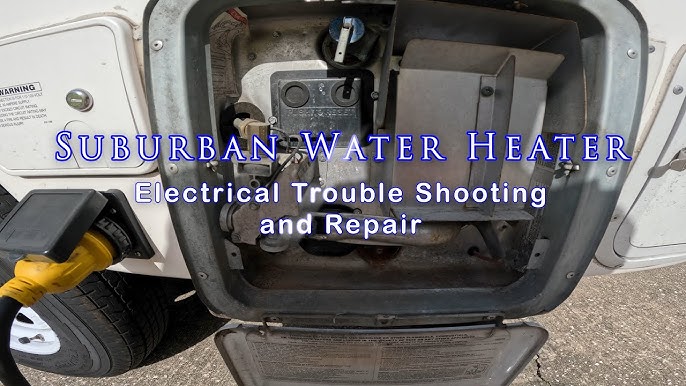
- Look for Visible Issues: Remove the access panel and check for loose wires, dirt, corrosion, or leaks.
- Test Key Components: Use a multimeter for electrical parts. For propane, check for flame and ignition.
- Flush and Clean: Regular maintenance prevents many issues. Drain and flush the tank every 6–12 months.
- Replace Parts as Needed: Most fixes involve replacing the igniter, heating element, anode rod, or pressure valve.
Maintenance Tips To Prevent Problems
Regular maintenance keeps your Suburban Advantage heater running longer. Here are some tips:
- Flush the tank twice a year: This removes sediment and helps prevent strange noises or low pressure.
- Replace the anode rod yearly: This prevents corrosion and bad smells.
- Inspect valves and fittings: Check for leaks every season.
- Test electrical parts: Use a multimeter during routine checks.
- Clean burner assembly: For propane models, keep the burner free of dirt and spider webs.
Common Mistakes In Troubleshooting
Even experienced RV owners make mistakes. Avoid these:
- Ignoring safety steps: Always turn off power and gas before repairs.
- Skipping tank draining: Never remove the heating element or anode rod without draining the tank.
- Using wrong parts: Only use Suburban-approved replacements.
- Over-tightening fittings: This can crack threads or damage seals.
- Neglecting regular maintenance: Most problems come from lack of cleaning.
Data: Suburban Water Heater Reliability
Suburban Advantage heaters are among the most reliable, with an average lifespan of 6–10 years if maintained well. According to manufacturer data, over 80% of failures are caused by sediment, corrosion, or neglected maintenance.
| Issue | Percentage of Failures |
|---|---|
| Sediment buildup | 35% |
| Corrosion/anode rod issues | 27% |
| Electrical faults | 18% |
| Ignition problems | 12% |
| Other | 8% |
When To Call A Professional
Some problems are best handled by trained technicians:
- Tank leaks: Replacing a tank is complex and often requires special tools.
- Complex electrical issues: If you’re unsure, don’t risk shock or damage.
- Gas leaks: If you smell propane, turn everything off and call for help.
Professional help costs more but saves you from dangerous mistakes.
Useful Resources
For more details, visit the official manufacturer site. Manuals and parts guides are available for free download. You can also check RV Repair Club for in-depth maintenance videos and expert tips.
Frequently Asked Questions
What Should I Do If My Suburban Water Heater Won’t Ignite?
First, check that the propane tank has fuel and the valve is open. Listen for the igniter clicking. If there’s no sound, inspect the igniter wire and electrode for loose connections or corrosion. Clean the burner assembly and try again. If ignition still fails, the igniter or control board may need replacement.
How Often Should I Replace The Anode Rod?
You should replace the anode rod every 12 months or sooner if it’s heavily corroded. This rod protects the tank from rust and extends its life. Check the rod during each maintenance flush.
Can I Use Both Electric And Propane Modes At The Same Time?
Yes, most Suburban Advantage heaters allow you to use both power modes together. This speeds up water heating, especially when multiple people need hot water. Always check your RV’s manual for specific instructions.
What Causes Low Hot Water Pressure In My Rv?
Low pressure is usually caused by sediment buildup, clogged pipes, or a dirty outlet screen. Flush the tank and clean filters. If pressure remains low, inspect for kinks in the hot water line.
Is It Safe To Repair The Water Heater Myself?
Most minor repairs, like replacing the anode rod or heating element, are safe if you follow safety steps: turn off power and gas, drain the tank, and use the right tools. For tank leaks, gas leaks, or complex electrical faults, call a professional.
Keeping your Suburban Advantage RV tank water heater running smoothly is all about smart troubleshooting and regular care. With these steps, you can solve most common problems yourself and enjoy reliable hot water wherever your travels take you.

