

Most Moultrie trail camera issues stem from batteries, SD cards, or incorrect settings.
I’ve worked with Moultrie trail cameras for years and fixed every common fault you can imagine. This guide walks through Moultrie Trail Camera Troubleshooting step by step. You will learn how to identify the root cause, fix it fast, and prevent repeat problems. Read on for clear checks, real-world tips, and an easy checklist to get your camera back to work.

36% off Today’s Exclusive Deals
Limited-time Exclusive Deals. Check current discount on Amazon.
Check Price on Amazon As an Amazon Associate I earn from qualifying purchases.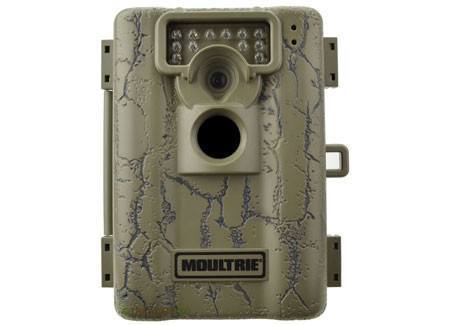
Why Moultrie Trail Camera Troubleshooting matters
Trail cameras sit in the field and face weather, critters, and time. Small faults cause missed photos and wasted batteries. Good Moultrie Trail Camera Troubleshooting saves data and time. It helps you get sharp images, reliable triggers, and longer battery life.
Common benefits of proper troubleshooting
- Fewer missed events in the field.
- Longer battery and card life.
- Cleaner data with fewer corrupt files.
- Better placement and image quality.
My experience: I once lost two weeks of photos to a dirty SD slot. A few checks would have saved them. Learn from that and run quick checks often.
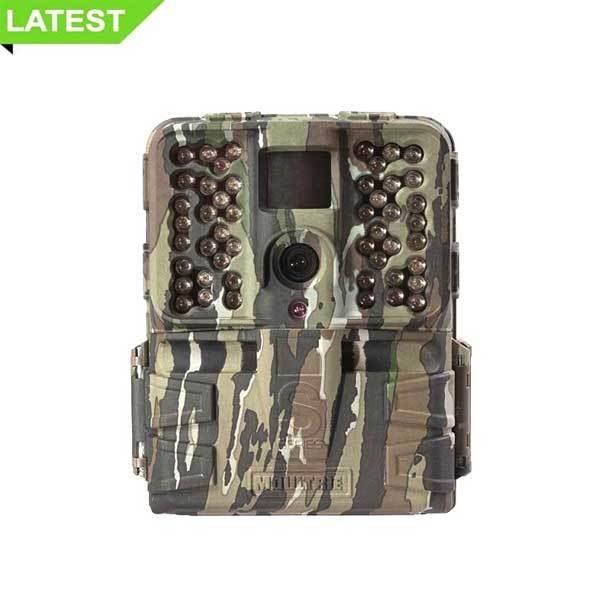
Common problems and quick signs
Most issues fall into a few groups. Spot the signs and you will narrow the fix quickly.
Common issues
- No power: camera won’t turn on or shuts off fast.
- Not recording: images or video missing, or blank files.
- Poor image quality: blurry or overexposed shots.
- False triggers: constant photos with no wildlife.
- No connectivity: Moultrie Mobile or cellular features not working.
Signs to note
- LED behavior at power up.
- Error messages on the screen.
- Corrupted files on the SD card.
- Unusual battery drain.
Batteries and power troubleshooting
Power is the top cause of faults for Moultrie Trail Camera Troubleshooting. Batteries fail fast in cold or when cheap cells are used.
Steps to check power
- Use fresh, name-brand alkaline or lithium batteries.
- Re-seat batteries and check polarity.
- Try an external 6V power source if supported.
- Inspect battery compartment for corrosion or leaks.
Tips from the field
- Lithium batteries last longer in cold weather.
- Remove batteries between seasons to avoid corrosion.
- If the camera dies quickly, test with a new set and monitor run time.

SD card and storage fixes
SD cards cause many data loss and file corruption problems. Good Moultrie Trail Camera Troubleshooting always starts with the card.
SD card checklist
- Use a high-quality Class 10 or UHS-I card from a trusted brand.
- Format the card in the camera before first use.
- Replace cards older than two seasons or with errors.
- Avoid cards larger than the camera supports (check manual).
How to recover from corruption
- Copy files off the card immediately.
- Reformat the card in the camera.
- Run a file recovery tool only if files are important.
Settings, modes, and configuration
Wrong settings often look like hardware failure. Always confirm your camera settings when troubleshooting.
Key settings to confirm
- Date and time are correct.
- Trigger mode: photo, video, or both.
- Trigger interval and sensitivity.
- IR flash mode: low glow or no glow.
- Resolution and file type limits.
Real example
I once had a camera set to a long trigger interval. It appeared to miss deer but it was just waiting to rearm. A quick menu check fixed it.
detection problems”
style=”max-width: 100%; height: auto; border: 2px solid black; border-radius: 10px; display: block; margin: 0 auto;”
loading=”lazy”
/>
Image quality and detection problems
Blurry or black photos hurt data quality. Many detection problems are easy to fix.
Check for these causes
- Dirty lens: wipe with a soft cloth.
- Poor focus: check lens and distance settings.
- Sensitivity too low or too high.
- Wrong placement: too close to paths or facing the sun.
How to test
- Walk in front of the camera and trigger it to confirm detection and picture clarity.
- Check IR illumination range at night.
Placement, mounting, and environmental issues
Where you mount the camera matters. Bad placement can cause false triggers or no detection.
Placement tips
- Mount at knee height for deer, chest height for coyotes.
- Face a game trail at a slight angle.
- Avoid direct sun or reflective surfaces.
- Use a tree strap or security box to reduce movement.
Weather-proofing and critters
- Use dielectric grease on contacts if in wet areas.
- Secure the camera to reduce animal tampering.
Firmware, software, and connectivity
Outdated firmware or app issues can break features. Moultrie Trail Camera Troubleshooting includes software checks.
Steps to update and connect
- Check firmware version in settings and update when available.
- Use the official app for Moultrie Mobile cameras.
- Reboot the camera after firmware updates.
- For cellular models, confirm SIM plan and signal strength.
Connectivity tips
- Move the camera to a spot with better signal for initial setup.
- Use local Wi‑Fi or phone hotspot for updates if needed.
Step-by-step troubleshooting checklist
Use this quick checklist in the field. Follow in order to save time.
Field checklist
- Power: Replace batteries with fresh set and check polarity.
- SD card: Remove, test in a computer, and reformat in camera.
- Settings: Confirm date/time, trigger mode, and sensitivity.
- Lens and housing: Clean lens and check seals.
- Mounting: Confirm angle, height, and stability.
- Firmware: Update if the camera shows a newer version.
- Connectivity: Verify SIM, signal, or app pairing if applicable.
- Test: Walk test during day and night.
Maintenance and long-term care
Routine care prevents many issues in Moultrie Trail Camera Troubleshooting.
Simple maintenance tasks
- Check batteries and SD cards each visit.
- Clean lens and PIR window monthly.
- Inspect seals and screws for rust.
- Store in a dry, cool place in offseason.
Personal tip
I tag each camera with the install date and next check date. It keeps me on schedule and reduces surprises.
When to contact Moultrie support or replace the camera
Some issues need professional help. Know when to escalate.
Signs to contact support
- Persistent boot or firmware errors.
- Hardware faults like a dead PCB after battery changes.
- Cellular activation or account problems.
When to replace
- Repeated hardware failure.
- Camera is older than its expected field life and repairs cost nearly as much as a replacement.
Frequently Asked Questions of Moultrie Trail Camera Troubleshooting
Why won’t my Moultrie camera turn on?
Check batteries first. Ensure they are fresh, correctly seated, and not corroded. If batteries are good, inspect the battery contacts and try a power reset.
How do I stop my camera from taking too many false photos?
Lower motion sensitivity and change trigger interval. Reposition the camera away from moving branches, heat sources, or reflective surfaces.
Why are my photos blank or corrupted?
This often points to a failing SD card or formatting issue. Copy files, reformat the card in the camera, and try a new high-quality card.
How do I improve night photos on a Moultrie camera?
Clean the lens and PIR window. Use the correct flash mode and ensure the subject is within the IR range for the model.
My Moultrie Mobile camera won’t upload. What should I check?
Confirm cellular signal and active data plan. Reboot the camera and check for firmware updates or app account issues.
Can weather damage a Moultrie trail camera?
Yes. Heavy rain, freezing cycles, and heat can damage seals and electronics. Use weatherproof housings and check seals regularly.
Conclusion
Fixing a Moultrie trail camera usually comes down to simple checks: power, SD card, settings, and placement. Run the checklist, update firmware, and do basic maintenance to prevent most problems. Start applying these steps on your next site visit and you should see more reliable photos and longer run times. Share your experience, ask a question below, or subscribe for more field tips.

