

Most problems are battery or line-feed related and are fixable with simple checks.
I’ve worked on dozens of cordless trimmers and I can walk you through clear, tested Ryobi 40v String Trimmer Troubleshooting steps. This guide breaks down common faults, easy fixes, and safe checks you can do at home. Read on to learn fast diagnostics, maintenance tips, and when to call a pro for your Ryobi 40v String Trimmer Troubleshooting needs.

36% off Today’s Exclusive Deals
Limited-time Exclusive Deals. Check current discount on Amazon.
Check Price on Amazon As an Amazon Associate I earn from qualifying purchases.
Understanding Ryobi 40v String Trimmer Troubleshooting
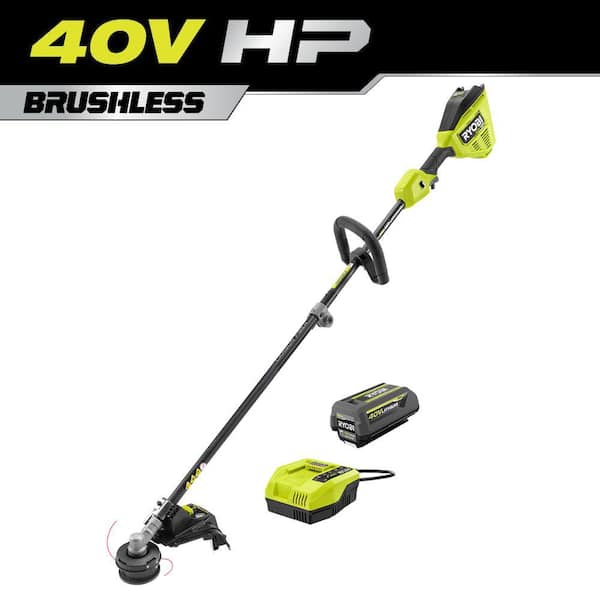
The Ryobi 40v string trimmer is a cordless tool with a brushless or brushed motor, a 40V lithium battery, and a cutting head that uses nylon line. Ryobi 40v String Trimmer Troubleshooting begins with knowing parts: battery, charger, switch, motor, spool, feed mechanism, and gearbox. When something fails, simple tests narrow the cause fast.
I will explain each system, give step-by-step checks, and share tips from real repairs. Expect plain language, clear steps, and practical examples you can try today.

Common Problems and Fast Diagnoses
Here are common symptoms and quick causes for Ryobi 40v String Trimmer Troubleshooting.
- Trimmer will not turn on
- Cause: dead battery, faulty switch, or loose connection.
- Weak power or bogging under load
- Cause: low battery, clogged air path, or motor issue.
- Line not feeding
- Cause: spool jam, wrong line size, or damaged feed head.
- Bump feed not working
- Cause: worn pawls, broken spring, or debris in head.
- Excessive vibration or noise
- Cause: bent shaft, loose guard, or unbalanced spool.
These quick diagnoses help you decide which detailed tests to run next.

Step-by-Step Ryobi 40v String Trimmer Troubleshooting Guide
Follow a clear order to save time. Start with power, then feed, then motor.
- Check the battery and charger
- Ensure battery is charged and snaps fully into the tool.
- Try a second battery or test the battery on another Ryobi tool.
- Inspect basic connections
- Remove battery and check the terminals for dirt or corrosion.
- Wiggle the switch and wiring harness for obvious damage.
- Test the switch and safety interlocks
- Press the trigger and safety in different sequences to confirm operation.
- If safe, listen for any motor hum when you pull the trigger.
- Examine the cutting head
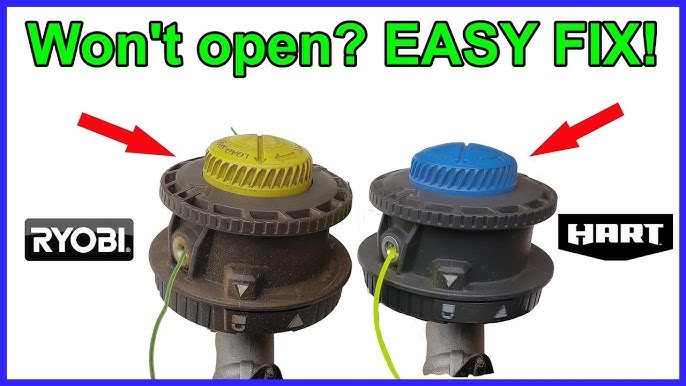
- Remove the spool and inspect for jammed line or knots.
- Check spool fit and line diameter—use recommended sizes only.
- Run a motor load test
- With battery installed, run the trimmer in an open area and watch RPM and sound.
- If it sputters under load, try a fully charged battery and clean the head.
Do these steps in order to isolate the issue with minimal parts changes.
Battery and Charging Issues
Battery problems are the most common area in Ryobi 40v String Trimmer Troubleshooting.
- Signs of battery trouble
- Rapid charge loss, charger LED errors, battery gets hot.
- Quick checks
- Use another battery to confirm tool operation.
- Clean battery contacts with a dry cloth.
- Charger LED meaning
- Solid green often means charged. Flashing or red may indicate fault.
- When to replace
- If runtime drops sharply or battery fails multiple chargers, replace the battery.
Personal note: I once replaced a battery on a trimmer that only had 10 minutes of run time. After replacement, performance returned to normal and the tool ran full cycles.
Line Feed, Spool, and Cutting Head Problems
Problems with the line feed often look like mechanical jams. These are simple to fix.
- Common spool issues
- Line wound wrong way, too short, or tangled.
- How to reload line
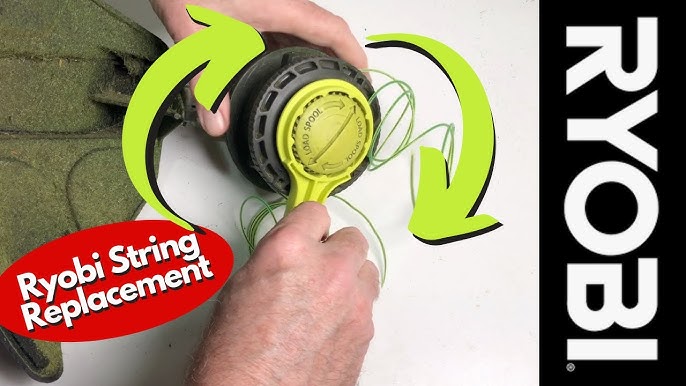
- Remove the spool, wind the line neatly in the groove, follow the arrow, and secure ends in notches.
- Bump head tips
- Clean head of debris; replace worn pawls and spring if bump feed fails.
- Line type and size
- Use the line size recommended by Ryobi for your model to avoid jams.
Tip from my experience: Take photos of the spool orientation before removing it. That saved time and prevented reinstall mistakes when I repaired a friend’s trimmer.

Motor, Switch, and Wiring Troubleshooting
If the battery and head are fine, inspect the motor and wiring.
- Motor hum but no spin
- Possible seized gearbox or stripped gears. Check shaft for free rotation.
- Intermittent power
- Look for frayed wires, loose connectors, or a worn trigger switch.
- Testing continuity
- Use a multimeter to test switch and wiring for continuity when activated.
- Overheating or burning smell
- Stop use immediately. Overheating can mean shorted windings or a failing motor.
I have opened several Ryobi trimmers. Often a loose connector at the motor caused intermittent issues. Secure connectors early in the troubleshooting process.

Maintenance, Parts, and When to Replace
Routine care reduces most Ryobi 40v String Trimmer Troubleshooting needs.
- Routine maintenance
- Clean the cutting head and guard after each use.
- Check and tighten screws and bolts monthly.
- Store battery in a cool, dry place.
- Parts to keep on hand
- Spare spool, cutting line, spare battery, pawls and springs, and a small tool kit.
- When to replace parts
- Replace spool when housing cracks. Replace motor or gearbox if grinding or internal damage is evident.
- When to call a professional
- If you find burned windings, a cracked gearbox, or wiring you cannot safely repair.
I once tried to fix a melted gearbox myself. I learned to stop and contact a pro for complex internal damage. It saved time and money.
People Also Ask — Quick Ryobi 40v String Trimmer Troubleshooting Questions
How do I reset my Ryobi 40v trimmer?
Remove the battery for 30 seconds, reinsert it, and try the trigger sequence again. This simple reset often clears electronic hiccups.
Why does my trimmer die under load?
A weak battery or clogged cutting head usually causes loss of power under load. Try a fresh battery and clean the head.
Can I use any 40V Ryobi battery?
Most Ryobi 40V batteries fit, but check compatibility for your model. Using the correct battery ensures proper fit and safety.

Frequently Asked Questions of Ryobi 40v String Trimmer Troubleshooting
What if my Ryobi 40v string trimmer won’t start?
First test with a known-good battery and fully charge it. If it still won’t start, inspect the switch and wiring for damage.
How do I fix the bump feed on my Ryobi trimmer?
Remove the head and clean out debris. Replace worn pawls or springs if cleaning does not restore action.
Why is my trimmer making a grinding noise?
Grinding usually means gear or shaft damage inside the gearbox. Stop using it and inspect the gearbox for broken teeth.
How long should a 40V battery run on a trimmer?
Run time varies with battery capacity and workload; typical sessions last 30–60 minutes on a full charge. Heavy use shortens runtime.
Is it safe to open the trimmer motor housing?
You can inspect external parts safely. For internal motor repairs, consult a certified technician to avoid damage or voiding warranty.
Conclusion
Ryobi 40v String Trimmer Troubleshooting is mostly about checking power, feed, and simple mechanical issues first. Start with the battery and charger, then move to the head, then the motor. Small fixes like cleaning the spool, replacing a worn spring, or tightening connectors solve most problems.
Try the steps above, keep basic spare parts, and learn one repair at a time. If a repair needs special tools or reveals severe damage, seek professional service. If this guide helped, leave a comment, share your fix, or subscribe for more hands-on tips.

