

Solenoid Valve Troubleshooting fixes cause, symptoms, and repair steps to restore reliable valve function.
I have worked with valves on factory floors and in field repairs for years. I will walk you through Solenoid Valve Troubleshooting with clear, practical steps. You will learn how solenoid valves work, common faults, quick tests, safety checks, and when to replace a valve. This guide blends hands-on tips, industry best practices, and simple diagnostics so you can troubleshoot with confidence.

36% off Today’s Exclusive Deals
Limited-time Exclusive Deals. Check current discount on Amazon.
Check Price on Amazon As an Amazon Associate I earn from qualifying purchases.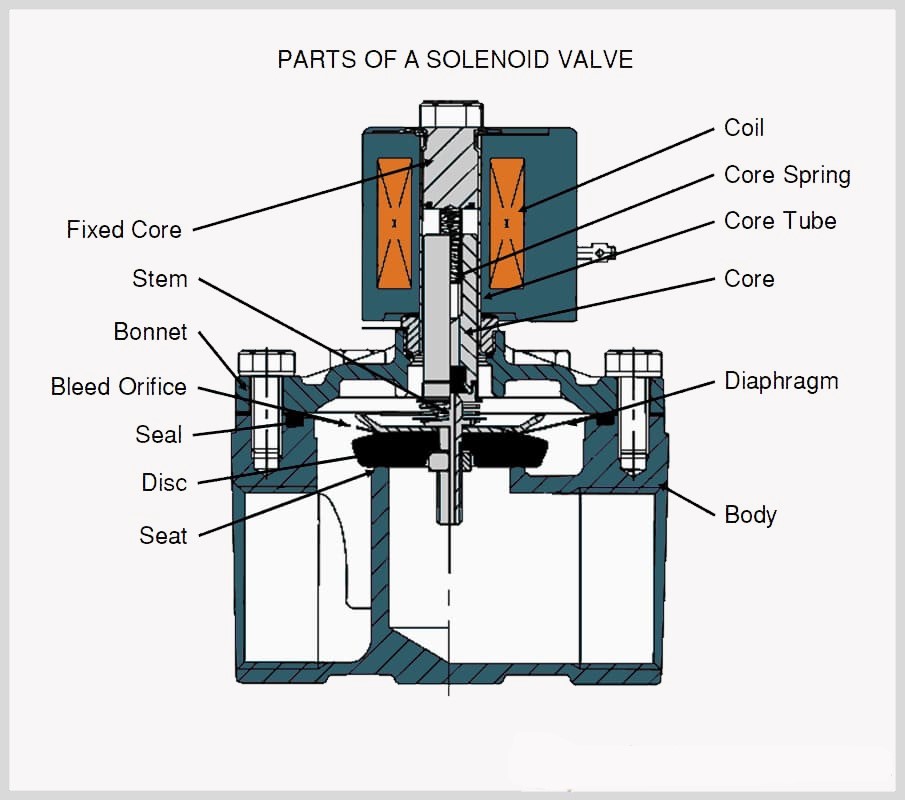
How solenoid valves work: a quick, clear overview
Solenoid valves use an electric coil to move a plunger. The plunger opens or closes a passage for fluid or gas. This makes the valve fast and precise. Knowing this helps with Solenoid Valve Troubleshooting.

Troubleshooting basics: where to start
Start with safety. Cut power and relieve system pressure before you touch the valve. Check the obvious first: power, wiring, and visible damage. A simple approach saves time and prevents mistakes.
Common quick checks for Solenoid Valve Troubleshooting
- Verify voltage at the coil with a meter. A wrong voltage is a common cause.
- Listen for a click when power is applied. No click often means coil or wiring issues.
- Inspect the valve body for leaks or corrosion. Physical damage can block operation.
- Check the pilot lines on pilot-operated valves. Blocked pilots stop the valve from shifting.
Practical tip from experience: always keep a small voltmeter and a set of spare coils and seals in your toolbox. These let you fix most faults on-site.

Common problems and how to fix them
Problem: No power to coil
- Symptoms: No click, valve stuck.
- Fix: Check fuses, breakers, and wiring. Replace damaged wires. Confirm correct supply voltage.
Problem: Burned or open coil
- Symptoms: Burn smell, no continuity on coil.
- Fix: Replace the coil. Check for short circuits upstream. Use the correct coil voltage rating.
Problem: Stuck plunger or debris
- Symptoms: Valve will not move, intermittent operation.
- Fix: Remove the valve, clean the plunger and seat. Replace seals if worn.
Problem: Pilot line blockage
- Symptoms: Pilot-operated valve does not shift under load.
- Fix: Clean pilot orifices and lines. Use filtered air or fluid to clear blockages.
Problem: Wrong valve size or configuration
- Symptoms: Poor flow, cavitation, or noisy operation.
- Fix: Verify system requirements. Replace with the correct valve size or type.
Problem: Coils overheating
- Symptoms: Coil gets hot quickly, life shortens.
- Fix: Check duty cycle and ambient temperature. Switch to a duty-rated coil or add cooling.
Practical note: Many valves fail because of dirt in the fluid. Always install proper filtration and strainers.

Step-by-step diagnostic checklist
Follow this order to save time when doing Solenoid Valve Troubleshooting:
- Safety first: isolate power and release pressure.
- Visual scan: look for leaks, corrosion, burned parts.
- Electrical check: measure coil voltage and continuity.
- Manual operation: if the valve has a manual plunger, try moving it.
- Functional test: apply power and observe movement and sound.
- Flow test: verify inlet and outlet pressures and flow rate.
- Disassemble if needed: inspect plunger, seals, springs, and orifices.
- Reassembly and test: replace worn parts, reassemble carefully, and retest.
This order avoids unnecessary disassembly. It also helps identify if the issue is electrical, mechanical, or fluid-related.

Tools, parts, and safety essentials
Essential tools for Solenoid Valve Troubleshooting
- Multimeter for voltage and continuity checks.
- Small pick set for cleaning orifices.
- Clean cloths and solvent for removing deposits.
- Torque wrench for proper reassembly.
- Spare seals, O-rings, and coils to swap quickly.
Safety practices
- Always lock out and tag out power.
- Relieve trapped pressure before servicing.
- Use protective gloves and eye protection.
- Follow manufacturer torque specs to avoid leaks.
From my experience, having the right spare parts cuts downtime. I once fixed a line in under 30 minutes because I carried the right o-ring and a spare coil.

Preventive maintenance to avoid failures
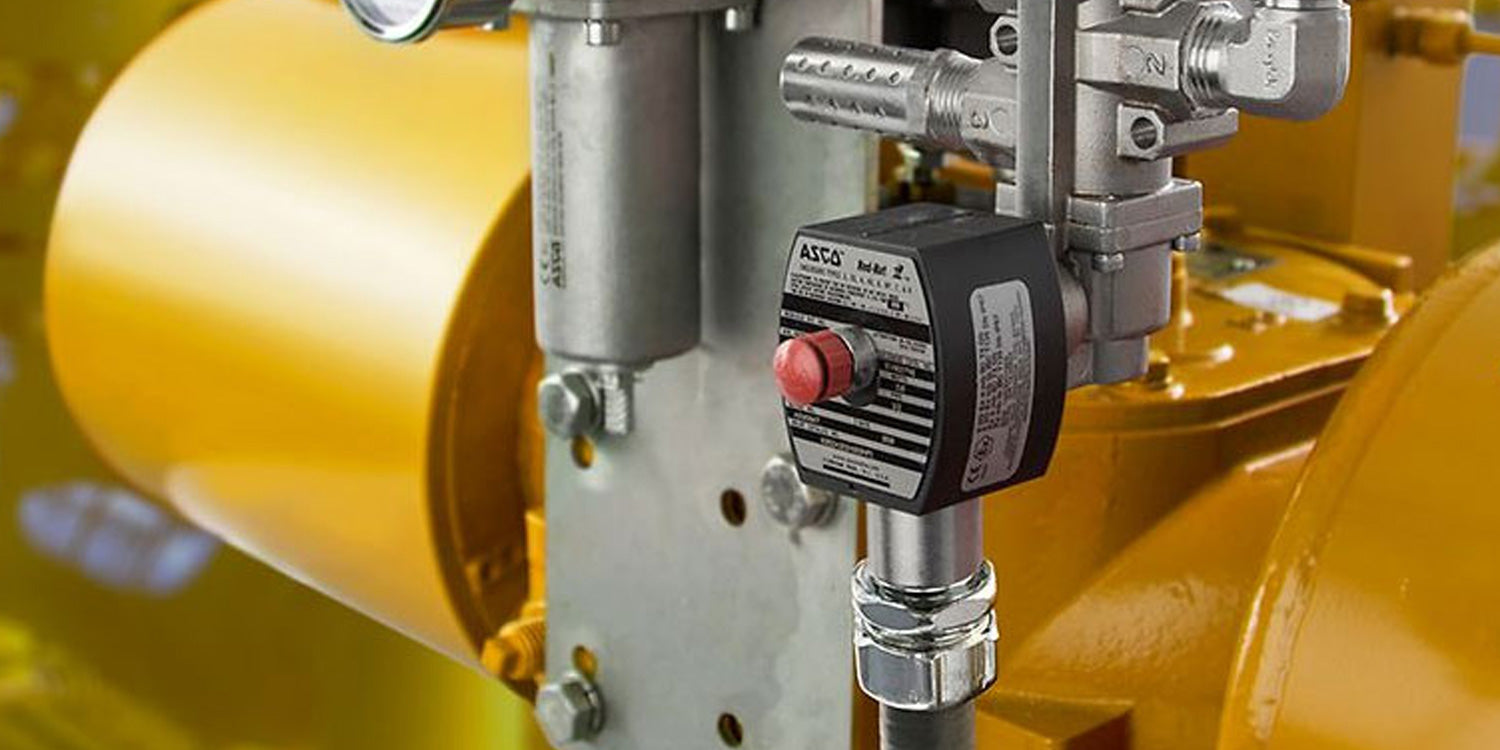
A steady preventive plan reduces breakdowns and aids Solenoid Valve Troubleshooting later. Schedule these simple tasks:
- Monthly visual checks for leaks and corrosion.
- Clean strainers and filters every 1–3 months.
- Cycle test valves under load quarterly.
- Replace seals and coils per manufacturer intervals or at first sign of wear.
- Record failures and repairs to spot trends.
Good maintenance lowers emergency calls and extends valve life. Treat valves like small machines that need regular care.
Cost and replacement considerations
When to repair versus replace
- Repair if the issue is a worn seal, coil, or dirt buildup. Repairs are cheaper and faster.
- Replace if the valve body is corroded, warped, or if repeated failures occur.
- Consider replacement when downtime costs exceed the valve cost.
Budget tips
- Keep a parts kit for common valves to limit downtime.
- Buy OEM or high-quality replacement coils and seals.
- Factor labor and system downtime into the replacement decision.
I’ve seen cheap replacements fail quickly. Spending a bit more on quality parts pays off in reliability.

Advanced issues and when to call a professional
Complex situations that may need a pro
- System-wide pressure instability linked to multiple valves.
- Control logic issues beyond basic wiring, such as PLC integration.
- Specialty fluids causing chemical attack on seals.
- High-pressure, high-temperature systems with safety implications.
When you call a pro
- If troubleshooting requires complex instrumentation.
- If the valve is critical to safety or product quality.
- If internal actuator or spool damage is suspected.
A technician can perform flow bench tests, vibration analysis, and deep diagnostics that are costly or unsafe for non-pros.
PAA-style quick questions
What causes a solenoid valve to click but not open?
- The coil may energize but the plunger or pilot line is blocked. Clean the valve and check pilot orifices for debris.
How do I test a solenoid valve coil?
- Turn off power and disconnect the coil. Use a multimeter to check continuity. Compare resistance to the spec in the manual.
Can a low voltage cause intermittent valve operation?
- Yes. Low or fluctuating voltage can make the coil weak and cause intermittent movement. Confirm stable correct supply voltage.
Does fluid contamination affect solenoid valves?
- Absolutely. Dirt and particles can jam the plunger or block pilot ports. Good filtration prevents most issues.
How long do solenoid valves typically last?
- Life varies by duty cycle and environment. With proper maintenance, many valves run years. Heavy use or poor fluid quality shortens life.
Frequently Asked Questions of Solenoid Valve Troubleshooting
What is the first thing to check when a solenoid valve stops working?
Always check power and wiring first. Measure voltage at the coil to confirm correct supply. Then move to mechanical checks.
How can I tell if the coil is bad?
Use a multimeter to test coil continuity. A burned smell or visible damage also indicates a bad coil.
How often should I clean solenoid valves?
Clean strainers and pilot lines every 1–3 months. Full valve inspection is good every 6–12 months depending on use.
Can I run a solenoid valve continuously?
Some coils are rated for continuous duty, and some are not. Check the coil’s duty rating before running continuously.
Is it safe to replace seals and coils myself?
Yes for many valves, if you follow safety steps. Isolate power and pressure and follow the manual. For high-risk systems, use a trained technician.
Conclusion
Solenoid Valve Troubleshooting is a practical skill you can learn fast. Start with safety, check power and wiring, then move to mechanical and fluid checks. Use the step-by-step checklist and keep basic tools and spare parts on hand. Regular maintenance cuts downtime and prevents most faults. Try the simple tests outlined here next time a valve acts up, and consider professional help for complex or high-risk systems. If this guide helped, subscribe for more troubleshooting tips or leave a comment with your valve problem.

