

Most Suntouch thermostat issues stem from wiring, power, or sensor faults that are often fixable.
I have worked with floor-heat controls and written guides for homeowners and installers. This article covers Suntouch Thermostat Troubleshooting in clear steps. You will find causes, easy fixes, advanced diagnostics, and real-world tips. Read on to learn practical solutions and avoid common mistakes with Suntouch Thermostat Troubleshooting.

36% off Today’s Exclusive Deals
Limited-time Exclusive Deals. Check current discount on Amazon.
Check Price on Amazon As an Amazon Associate I earn from qualifying purchases.
How Suntouch Thermostats Work
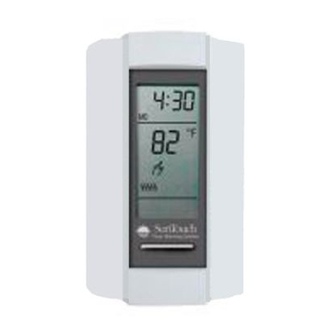
Suntouch thermostats control electric floor heating systems. They read a floor or air sensor and switch power to heating cables. Most models use a relay or contactor to control current. The thermostat maintains a set temperature by cycling power on and off.
Knowing how your unit works helps with troubleshooting. The thermostat needs stable line power and an intact sensor to function. If either fails, the thermostat will show errors or not heat. Suntouch Thermostat Troubleshooting starts with checking power and the sensor.

Common Problems and Root Causes
Here are the frequent issues seen during Suntouch Thermostat Troubleshooting:
- No power or blank display
- Faulty circuit breaker, blown fuse, or loose wiring can cut power.
- Heater not turning on despite display showing heat
- Bad relay, wiring to heating cable, or tripped GFCI may be at fault.
- Erratic temperature readings or short cycles
- Sensor issues, wrong sensor type, or poor placement cause bad readings.
- Error codes or blinking lights
- Sensor open/short or internal fault triggers codes.
- GFCI trips when thermostat energizes
- Damaged heating cable or ground fault in the circuit.
Each of these causes guides the next troubleshooting step. Keep a methodical approach. Document what you test and the results to avoid repeating steps.
Step-by-Step Troubleshooting Guide
Follow these steps for practical Suntouch Thermostat Troubleshooting. Work safely. Turn off power at the breaker before touching wiring.
- Verify basic power
- Check the circuit breaker and fuses feeding the thermostat.
- Inspect wiring connections at the thermostat terminal block.
- Use a non-contact voltage tester to confirm live wires at the panel.
- Inspect the thermostat display and LEDs
- A blank screen often means no line voltage or a failed transformer in low-voltage models.
- Error codes usually map to sensor faults or internal issues in the manual.
- Test the sensor
- Remove sensor from thermostat and measure resistance with a multimeter.
- Typical 10K NTC sensors read around 10 kΩ at 77°F (25°C); check your model spec.
- Replace the sensor if resistance is open or out of range.
- Check relay and output
- Listen for clicking when thermostat calls for heat.
- Measure voltage at the heat output when it’s supposed to be on.
- If voltage is present but no heat, inspect the cable and connections.
- Inspect the heating cable and GFCI
- Check for continuity of the heating circuit with a multimeter.
- Test insulation-to-ground for leakage; a low resistance indicates a fault and possible replacement.
- Reset and firmware checks
- Some models can be reset to factory defaults to clear glitches.
- Verify firmware notes in the manual if the device supports updates.
If each step looks good and the problem persists, proceed to advanced checks or call a licensed electrician. Keep notes of voltages and resistance values as proof of what you tested.

Advanced Diagnostics and Tools
For deeper Suntouch Thermostat Troubleshooting you need the right tools. These tests are for experienced DIYers or pros.
- Essential tools
- Multimeter for voltage, continuity, and resistance checks.
- Insulation resistance tester (megger) for cable leakage testing.
- Non-contact voltage tester for safe presence checks.
- Clamp meter to measure current if needed.
- Advanced tests
- Perform a megger test on heating cable to identify ground faults.
- Use an ohmmeter to confirm sensor curves across a temperature range.
- Swap a suspected faulty thermostat with a known good unit to isolate problems.
- Safety and code
- Follow local electrical codes and shut power before work.
- GFCI-protected circuits require careful reset and ground-fault testing.
Advanced diagnostics often reveal subtle issues that basic checks miss. If you are unsure, stop and consult a licensed technician.

When to Call a Professional
Suntouch Thermostat Troubleshooting can often be DIY, but some cases need a pro.
- Call a pro if:
- You find a ground fault in the heating cable.
- The thermostat shows internal failure codes that do not clear.
- You are uncomfortable working with line voltage.
- The GFCI trips repeatedly after cable repairs.
- What a pro will do
- Isolate the fault with specialized testers.
- Replace heating cable sections if needed.
- Repair or replace the thermostat and verify code compliance.
Hiring a licensed electrician reduces risk. I once found a hidden splice that caused intermittent tripping; a pro diagnosed it with a megger. That saved a full floor replacement.

Maintenance Tips to Prevent Problems
Regular checks cut down on Suntouch Thermostat Troubleshooting later. Do these simple tasks seasonally.
- Inspect connections
- Tighten terminal screws and look for corrosion.
- Test sensors
- Measure sensor resistance yearly and compare to expected values.
- Run a functional test
- Turn on the heating for a short cycle and verify floor warmth and proper cycling.
- Protect GFCI
- Place the GFCI in an accessible location and test monthly.
- Document settings and wiring
- Keep a photo and notes of wiring and thermostat model for future reference.
Small checks keep your system reliable. My best tip is to label wires and keep the manual with photos of the wiring. It saves time during troubleshooting.
Common Mistakes and How to Avoid Them
Avoid these pitfalls during Suntouch Thermostat Troubleshooting.
- Guessing without measuring
- Always test voltage and resistance before swapping parts.
- Using the wrong sensor type
- Confirm sensor model and resistance curve in the manual.
- Ignoring GFCI signs
- Repeated trips mean a real fault, not a nuisance issue.
- Overlooking mechanical damage
- Flooring renovations sometimes crush or nick cables.
Learn from mistakes. When I misread a sensor spec years ago, it caused hours of chasing false errors. Verifying specs first saved me time on later jobs.
PAA-style Questions (People Also Ask)
Q: How do I reset my Suntouch thermostat?
A: Most models have a reset in the settings or power-cycle method. Turn off breaker for 30 seconds, restore power, and check the display.
Q: What does a blank Suntouch thermostat display mean?
A: A blank display usually points to no line power, a blown fuse, or a failed internal transformer. Check breakers and wiring first.
Q: How do I test the floor sensor?
A: Remove the sensor and measure resistance with a multimeter. Compare the value to the thermostat manual’s expected resistance at room temperature.
Q: Why does the GFCI trip when I turn on heat?
A: A ground fault in the heating cable or cable damage often causes GFCI trips. Run an insulation resistance test to confirm.
Q: Can I replace the thermostat myself?
A: If you are comfortable with basic wiring and follow safety steps, yes. For ground faults or cable replacement, hire a licensed electrician.
Frequently Asked Questions of Suntouch Thermostat Troubleshooting
What should I check first when my Suntouch thermostat is not working?
Check the circuit breaker, fuses, and mains wiring. A blank display usually means no power.
How do I know if the floor sensor is bad?
Measure sensor resistance with a multimeter and compare to expected values. Open or wildly incorrect readings indicate a bad sensor.
Why does the thermostat show error codes?
Error codes often point to sensor open/short or internal errors. Consult the manual for code meanings and follow the troubleshooting steps.
Is a tripping GFCI always a sign of cable failure?
Not always. It can be a faulty connection, moisture, or damaged cable. Use insulation testing to pinpoint the issue.
How often should I test my Suntouch thermostat and system?
Do a basic functional test every season and a deeper inspection annually. Regular checks help avoid emergency repairs.
Can environmental factors cause thermostat issues?
Yes. Moisture, extreme cold during storage, and mechanical damage to cables or sensors can cause problems. Keep components dry and protected.
Will firmware updates fix thermostat glitches?
Some models benefit from firmware updates. Check the manual or manufacturer notes on update procedures and benefits.
Conclusion
Suntouch Thermostat Troubleshooting becomes simple when you follow a clear process. Start with power and sensor checks, use basic tools, and move to advanced testing only when needed. Keep records, test regularly, and call a licensed pro for cable faults or complex electrical issues. Take action today: test your thermostat, label wiring, and note sensor values. If this guide helped, leave a comment, subscribe for updates, or share your troubleshooting story.

