

Many RV owners love the freedom their vehicle gives them—until something doesn’t work. One common headache is when the Suburban Advantage RV tank water heater refuses to ignite. Hot water is essential for showers, washing dishes, and overall comfort. When your heater won’t start, frustration builds quickly. But this issue is rarely mysterious; most problems have clear causes and solutions. This guide walks you through why your Suburban Advantage water heater won’t ignite, how to fix it, and what mistakes to avoid. Whether you’re parked at a campground or prepping for a trip, you’ll learn how to troubleshoot with confidence.
How The Suburban Advantage Rv Tank Water Heater Works
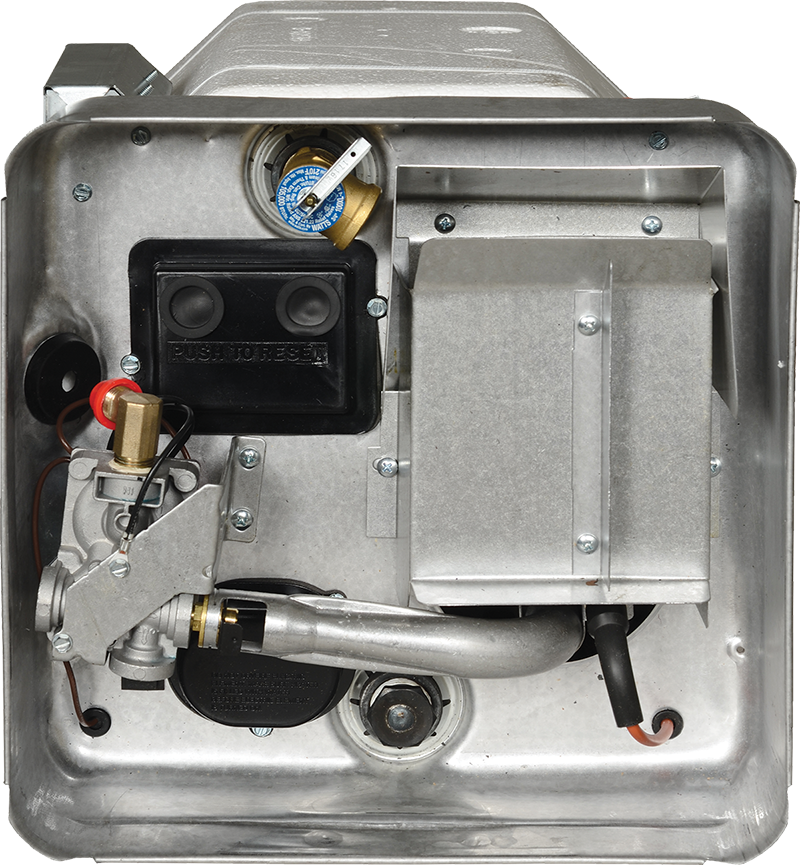
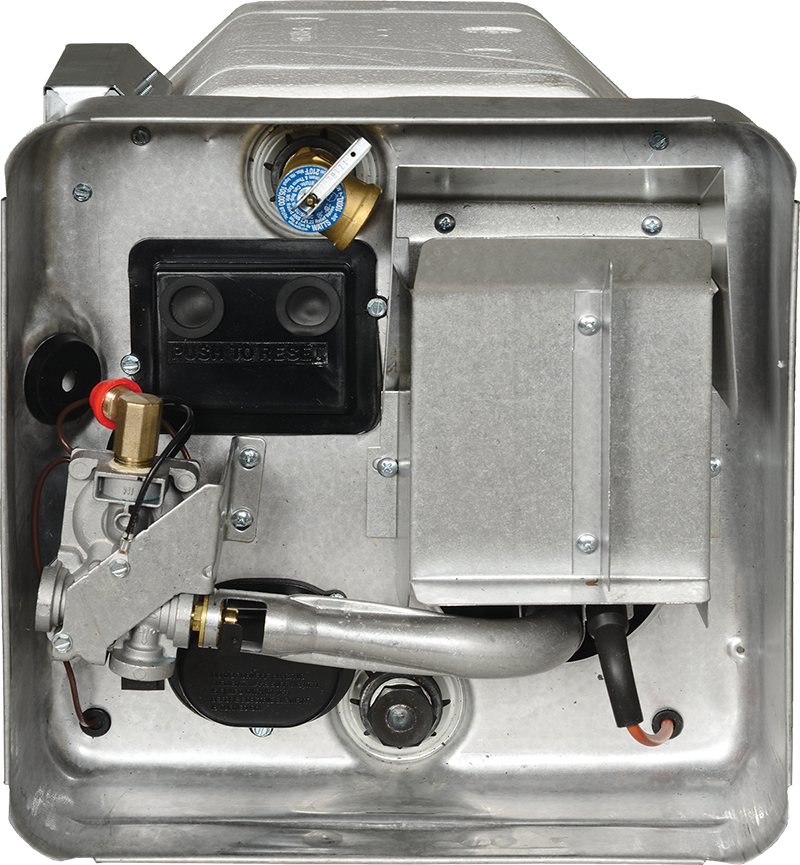
Understanding the basics helps you solve problems faster. The Suburban Advantage water heater uses propane gas and sometimes electricity to heat water. It has a tank, usually 6 or 10 gallons, where water is stored. When you turn on the heater, it tries to ignite a pilot light or direct burner using a spark igniter. This process relies on several parts working together:

36% off Today’s Exclusive Deals
Limited-time Exclusive Deals. Check current discount on Amazon.
Check Price on Amazon As an Amazon Associate I earn from qualifying purchases.- Gas valve: Controls gas flow to the burner.
- Igniter: Creates the spark that lights the gas.
- Thermostat: Tells the system when to heat.
- Control board: Coordinates the ignition process.
- Safety sensors: Prevent operation if there’s a problem.
If just one part fails, the heater won’t ignite. Knowing these basics helps you recognize what’s normal and what needs attention.
Common Reasons The Water Heater Won’t Ignite
Several issues can prevent ignition. Below are the most frequent causes, with practical tips to help you spot each one.
1. Propane Supply Issues
Your heater needs a steady flow of propane gas. If propane is empty or blocked, the system can’t ignite. Check these:
- Is the propane tank full?
- Are the valves open?
- Are there kinks or leaks in the gas line?
- Did you recently refill the tank (sometimes air gets trapped)?
A simple way to check: Open the stove in your RV. If it lights, propane is flowing. If not, focus on the gas supply first.
2. Igniter Or Spark Electrode Failure
The spark igniter produces a small electric spark to light the gas. If it’s dirty, damaged, or misaligned, the heater won’t ignite.
- Listen for a clicking sound when trying to start. No click means no spark.
- Inspect the igniter for carbon buildup or corrosion.
- Check the electrode gap (usually 1/8 inch).
Cleaning the igniter often restores function. If not, replacement may be needed.
3. Faulty Control Board
The control board acts as the brain. It sends signals to the gas valve and igniter. If it fails, the heater won’t start.
- Sometimes, a control board can be reset by turning the heater off and on.
- Look for signs of damage, like burnt spots or loose wires.
Control board issues are harder to diagnose. If everything else looks normal, consider swapping the board.
4. Thermostat And Sensor Problems
The thermostat tells the heater when to turn on. Sensors ensure safe operation, shutting down the heater if temperatures are too high or if there’s no flame detected.
- If the thermostat is broken, the heater won’t receive the “on” signal.
- Flame sensors detect if the burner is lit. If dirty, they might falsely signal no flame.
A faulty sensor often causes the heater to try and fail to ignite repeatedly.
5. Electrical Power Problems
Even propane heaters need electricity for ignition and controls.
- Check if your RV battery is charged.
- Make sure the heater’s fuse hasn’t blown.
- Look for loose or corroded wires.
A weak battery can cause slow or failed ignition, especially in cold weather.
6. Airflow And Exhaust Blockages
Blocked vents or exhaust can prevent ignition or cause unsafe operation.
- Inspect the intake and exhaust vents for debris, insect nests, or obstructions.
- Make sure the area around the heater is clear.
Proper airflow is essential for safe and reliable operation.
7. User Error Or Settings
Sometimes, the problem is simple—wrong settings, switches not turned on, or unfamiliar controls.
- Double-check that the heater is set to the correct mode (gas/electric).
- Ensure all switches are “on.”
- Confirm the thermostat is set high enough for heating.
Many new RV owners overlook these basic steps.
Step-by-step Troubleshooting Guide
Let’s break down how to solve ignition problems using practical steps. Start with the simplest checks and move to more technical ones.
- Check Propane: Verify tank levels, valves, and lines. Test another propane appliance.
- Inspect Igniter: Listen for a spark. Clean the electrode if dirty. Adjust the gap if needed.
- Test Electrical Power: Check battery voltage (should be at least 12V). Inspect fuses and wiring.
- Review Settings: Confirm switches and thermostat positions.
- Examine Control Board: Look for obvious signs of damage. Try resetting the unit.
- Clean Vents: Remove any blockages from intake/exhaust.
- Check Sensors: Clean flame sensor. Replace if still faulty.
Most problems can be solved in these steps. If your heater still won’t ignite, it may need professional repair.
Comparing Suburban Advantage And Other Rv Water Heaters
Understanding how the Suburban Advantage model compares to others can help you know what to expect. Here’s a comparison of key features:
| Feature | Suburban Advantage | Atwood | Girard (Tankless) |
|---|---|---|---|
| Ignition Method | Electronic spark | Manual/Electronic | Electronic |
| Tank Capacity | 6–10 gallons | 6–10 gallons | None (Tankless) |
| Common Issues | Igniter, propane, sensors | Thermocouple, gas valve | Flow sensors, electronics |
| Typical Repair Cost | $100–$300 | $80–$250 | $200–$400 |
Suburban Advantage heaters are known for reliability but require regular maintenance. Compared to tankless models, they are less prone to electrical failures but more sensitive to propane and vent issues.

Key Data: Failure Rates And Causes
Let’s look at some actual statistics on RV water heater problems. According to industry surveys:
| Problem Type | Percentage |
|---|---|
| Igniter failure | 38% |
| Propane supply issue | 24% |
| Control board malfunction | 18% |
| Sensor/thermostat failure | 11% |
| User error/settings | 9% |
This data shows igniter problems are most common, followed by propane supply issues. User error, while less frequent, is still a notable cause.
Practical Tips For Preventing Future Problems
Prevention is easier than repair. Keep your Suburban Advantage heater in top shape with these tips:
- Clean the igniter and flame sensor every season.
- Check propane lines for leaks or kinks monthly.
- Keep vents clear of debris, especially after long storage.
- Test all switches and settings before each trip.
- Use your heater regularly to prevent parts from sticking or corroding.
A little maintenance goes a long way. Many problems happen after months of inactivity or neglect.
Mistakes To Avoid When Troubleshooting
Some common mistakes can make the problem worse or lead to safety risks. Here are pitfalls to watch out for:
- Never try to fix gas lines unless you’re qualified.
- Don’t ignore a strong propane smell—turn everything off and ventilate.
- Avoid forcing switches or controls; this can cause further damage.
- Don’t skip basic checks (like battery voltage).
- Never block intake/exhaust vents.
If unsure, consult a technician. Safety should always come first.
When To Call A Professional
Some issues are beyond simple fixes. If you notice any of the following, it’s best to seek expert help:
- Persistent ignition failure after basic troubleshooting.
- Signs of electrical damage or burnt components.
- Gas smells or suspected leaks.
- Heater operates but produces no hot water.
- Repeated fuse blows or electrical shorts.
Professional repair shops have the tools and training to fix complex problems and ensure safety.
Example Scenario: Diagnosing A Real Problem
Let’s look at a real-life example. An RV owner notices their Suburban Advantage heater won’t ignite after winter storage. Here’s how they solved it:
- Checked propane—tank was full, stove worked.
- Listened for the igniter—no clicking sound.
- Opened the heater compartment—found igniter covered in spider webs.
- Cleaned the igniter electrode and adjusted gap.
- Heater ignited and worked normally.
This shows how simple maintenance can solve what looks like a major issue.
Suburban Advantage Water Heater Model Comparison
Some Suburban models have small differences. Here’s a quick comparison of features:
| Model | Ignition | Tank Size | Common Issue |
|---|---|---|---|
| SW6D | Electronic | 6 gallons | Igniter |
| SW10P | Pilot light | 10 gallons | Pilot assembly |
| SW6DE | Electronic/gas | 6 gallons | Sensor |
Identify your exact model to use the right troubleshooting steps, especially for ignition and sensor differences.
Frequently Asked Questions
Why Does My Suburban Advantage Water Heater Click But Not Ignite?
The clicking sound means the igniter is working, but gas may not be reaching the burner. Check the propane supply and ensure the gas valve is open. Also, inspect the igniter electrode for dirt or misalignment.
Can I Use My Water Heater On Electric If Gas Ignition Fails?
Most Suburban Advantage heaters have a dual-mode feature. If the gas side fails, you can switch to electric heating if your RV is plugged into shore power. However, electric heating is slower and uses more energy.
How Often Should I Clean The Igniter And Vents?
Clean the igniter electrode and air vents at least once per season. If you use the RV often or store it in areas with insects, check more frequently. This prevents buildup that can block ignition.
Is It Safe To Troubleshoot Propane Issues Myself?
Basic checks like confirming tank levels and valves are safe. But repairing gas lines or fixing leaks should be done only by certified technicians. If you smell gas or suspect a leak, turn off everything and seek help.
What Is The Average Repair Cost For Suburban Advantage Water Heater Ignition Problems?
Most minor repairs, like cleaning or replacing the igniter, cost $50–$150. Control board replacement or sensor repairs may run up to $300. Professional diagnostics can add to the cost, but prevent unsafe DIY fixes. For more info, see the official Suburban RV site.
Getting your Suburban Advantage RV tank water heater to ignite isn’t difficult if you know where to look. Most problems are simple, and regular maintenance keeps your system reliable. With these steps and tips, you can enjoy hot water wherever your RV takes you. If you run into complex or dangerous issues, don’t hesitate to call a pro—your comfort and safety are worth it.

