

Quick fix: Diagnose voltage, current, insulation, and mechanical faults to repair 3 Phase Electric Motor issues.
I have spent years troubleshooting industrial motors and training teams to spot faults fast. This guide on 3 Phase Electric Motor Troubleshooting brings clear steps, real-world tips, and safety rules. You will learn how to read symptoms, run tests, interpret results, and decide when to repair or replace. I write as someone who has opened control panels at midnight, traced wiring errors, and saved machines from costly downtime.

36% off Today’s Exclusive Deals
Limited-time Exclusive Deals. Check current discount on Amazon.
Check Price on Amazon As an Amazon Associate I earn from qualifying purchases.
Common symptoms and causes of 3 Phase Electric Motor Troubleshooting
Motors can trip, hum, run hot, or refuse to start. These symptoms tell a story about electrical or mechanical issues. Common causes include phase loss, unbalanced voltage, bad bearings, rotor problems, and winding faults. Knowing common causes speeds up 3 Phase Electric Motor Troubleshooting and cuts repair time.
Safety and tools for 3 Phase Electric Motor Troubleshooting
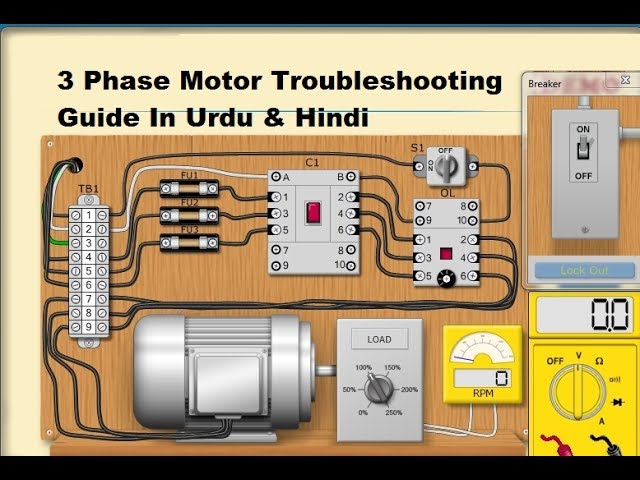
Safety comes first when handling 3 Phase Electric Motor Troubleshooting. Always lock out and tag out power before opening panels. Use insulated tools, a true-RMS clamp meter, multimeter, megohmmeter (insulation tester), and a phase rotation tester. Wear gloves, eye protection, and follow manufacturer warnings.
Step-by-step 3 Phase Electric Motor Troubleshooting process
Follow a clear sequence to find root causes quickly. Keep notes and photos as you go.
- Visual and mechanical check
- Inspect for loose covers, burnt smells, oil leaks, and damaged fans.
- Spin the rotor by hand if safe to feel roughness or binding.
- Power and control check
- Verify supply voltage and phase rotation at the motor terminals.
- Check motor starter contacts, overload relays, and fuses.
- Electrical tests
- Measure line-to-line and line-to-ground voltages.
- Check phase currents with a clamp meter for imbalance.
- Insulation and winding tests
- Use a megohmmeter to test winding insulation resistance.
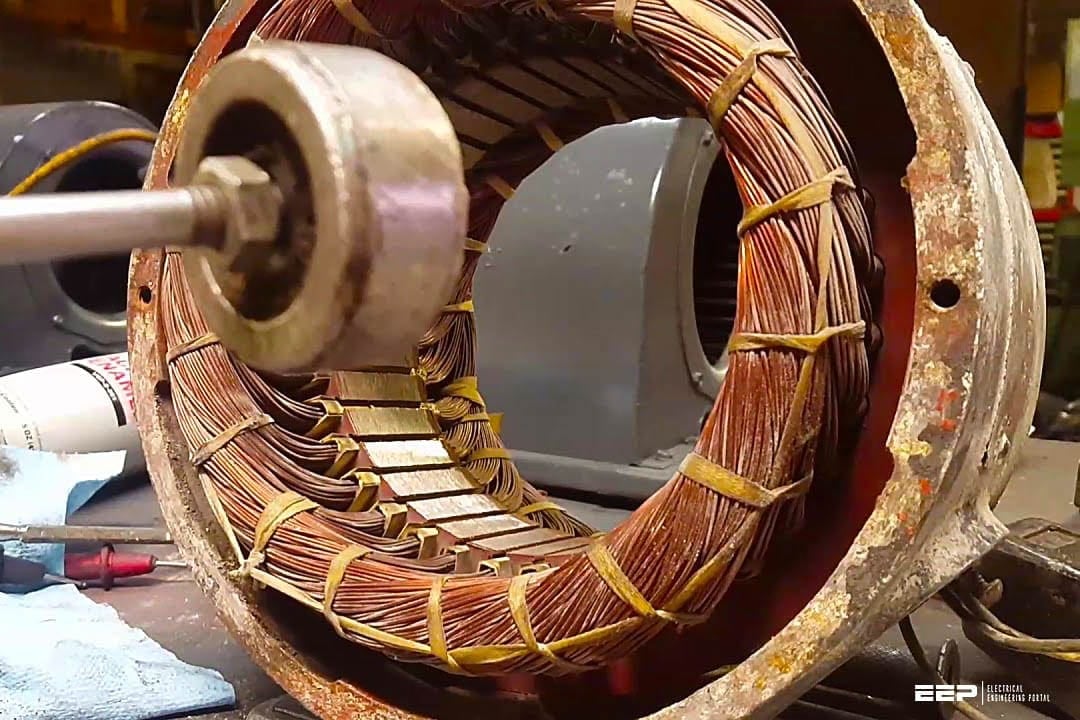
- Perform a winding resistance check and compare phases.
- Mechanical and load checks
- Inspect couplings, pulleys, and belts for misalignment.
- Confirm the driven load is not jammed or overloaded.
This ordered approach makes 3 Phase Electric Motor Troubleshooting repeatable and safe.

Key tests and how to interpret results for 3 Phase Electric Motor Troubleshooting
Run these tests to pinpoint faults.
- Voltage measurement
- Balanced line voltages should be within about 5% across phases. Large differences mean supply or transformer issues.
- Current measurement
- Phase currents should be similar under steady load. One low or zero phase current suggests an open winding or faulty contact.
- Insulation resistance
- Readings below 1 MΩ often mean poor insulation and need cleaning, baking, or rewind.
- Winding resistance
- Compare phase-to-phase values. Significant mismatch indicates shorted turns or bad connections.
- Surge or hipot tests
- Use only if you have training. These tests reveal turn-to-turn shorts or breakdowns in insulation.
Knowing how to read these results is central to reliable 3 Phase Electric Motor Troubleshooting.

Common faults, causes, and fixes in 3 Phase Electric Motor Troubleshooting
Below are typical problems and practical fixes based on field experience.
- Single phasing
– Cause: blown fuse or open contact.- Fix: repair supply or replace starter components and retest.
- Overheating
- Cause: overloaded motor, poor ventilation, or low voltage.
- Fix: check load, improve cooling, verify supply voltage.
- Bearing failure
- Cause: lubrication issues or contamination.
- Fix: replace bearings, set proper lubrication schedule.
- Vibration
- Cause: imbalance or misalignment.
- Fix: correct alignment, trim balance, tighten mounts.
- Insulation breakdown
- Cause: age, moisture, or contamination.
- Fix: dry windings, clean, or perform rewind if needed.
These fixes reflect lessons from real shop floor repairs and help reduce repeat failures.

Preventive maintenance and best practices for 3 Phase Electric Motor Troubleshooting
A good maintenance plan reduces troubleshooting need.
- Regular inspections
- Check terminals, junction boxes, and cooling paths monthly.
- Periodic testing
- Run insulation and winding checks annually or as duty requires.
- Lubrication schedule
- Follow OEM grease intervals and amounts.
- Condition monitoring
- Use vibration, temperature, and current trends to catch faults early.
- Document repairs
- Keep logs of tests, actions, and parts replaced.
I once saved a plant from repeated motor failures by introducing monthly insulation tests. That simple change cut unscheduled downtime in half.

When to repair, rewind, or replace during 3 Phase Electric Motor Troubleshooting
Deciding repair vs replace affects budget and uptime.
- Repair onsite
- Minor faults like loose connections, starter replacements, or bearing swaps are fast and low cost.
- Rewind
- Rewind if insulation is badly damaged but mechanical parts are sound. Rewind can restore life but costs time and money.
- Replace
- Replace when motors are old, inefficient, or damaged beyond economical repair.
Factor in downtime cost, motor criticality, and energy efficiency when deciding. I recommend getting quotes and lead times early in the troubleshooting process.

Real-world tips, mistakes to avoid, and personal lessons for 3 Phase Electric Motor Troubleshooting
Practical tips from field work help you avoid common traps.
- Always measure before you swap parts. I once replaced a starter only to find the supply fuse was blown.
- Label wires and take photos before disconnecting. Rewiring mistakes add hours.
- Don’t ignore small temperature rises. They often precede big failures.
- Test under load when safe. No-load tests can miss intermittent faults.
- Use manufacturer torque specs on terminal screws and bearings.
These habits save time and money and make 3 Phase Electric Motor Troubleshooting more effective.

PAA-style quick questions about 3 Phase Electric Motor Troubleshooting
Q: How fast can I diagnose a simple phase loss?
A: With a clamp meter and voltage check, you can often identify phase loss in 10–15 minutes. Confirm by inspecting the starter and fuses.
Q: What insulation resistance value is acceptable?
A: For many motors, above 1 MΩ is a reasonable minimum for older motors, while new motors should measure much higher. Always reference OEM guidance.
Q: Can I run a motor with slightly unbalanced voltage?
A: Small unbalance under 5% is tolerable short-term, but prolonged unbalance increases heating and reduces life. Fix imbalances quickly.
Q: Is a megohmmeter safe for all motors?
A: Megger tests are safe when used correctly, but follow procedures and dry windings first. Avoid on electronics or sensitive controls.
Q: When should I call a motor shop?
A: Call when insulation tests fail badly, bearings are seized, or when rewind is needed. Specialist shops have tools and experience for complex repairs.
Frequently Asked Questions of 3 Phase Electric Motor Troubleshooting
What causes a motor to hum but not start?
A humming motor often indicates lack of starting torque due to phase loss, faulty capacitor on single-phase start designs, or seized bearings. Check supply, starter, and rotor freedom.
How do I test for a shorted winding?
Use a winding resistance test and compare phases. Large mismatches or very low resistance suggest shorted turns and possible rewind.
Can vibration damage a motor quickly?
Yes. Severe vibration can damage bearings, loosen mounts, and break windings within hours. Address imbalance and misalignment promptly.
What is the role of thermal overload relays?
Thermal overload relays protect motors from sustained overcurrent. They trip when current causes harmful heating, preventing winding damage.
How often should I measure insulation resistance?
Measure insulation resistance at least annually for stable motors, and more often in harsh environments or critical applications. Trending values is most useful.
Is phase rotation important for 3 phase motors?
Yes. Wrong phase rotation reverses motor direction and can damage driven equipment. Always verify rotation during commissioning.
Can low voltage cause overheating?
Yes. Low voltage increases current and heating under load, which can overheat and damage the motor. Correct supply voltage to rated levels.
Conclusion
This guide gives a clear path for 3 Phase Electric Motor Troubleshooting. Start with safety, follow structured tests, and use simple tools to find root causes. Apply preventive care to reduce future issues, and know when to call specialists or replace equipment. Take one action today: add a basic insulation and current check to your maintenance list to catch faults early. Share your experiences or questions below and subscribe for more practical motor troubleshooting tips.

