

Lanair Waste Oil Heater Troubleshooting
For many businesses, a Lanair waste oil heater is not just a piece of equipment—it’s a cost-saving solution that transforms used oil into valuable heat. But when your heater stops working, it can turn from a money-saver into a source of frustration, especially during cold months. Knowing how to troubleshoot common problems quickly can make the difference between a warm workspace and lost productivity. In this guide, you’ll find practical steps, clear explanations, and expert tips to help you restore your Lanair heater to reliable operation.
Understanding Your Lanair Waste Oil Heater
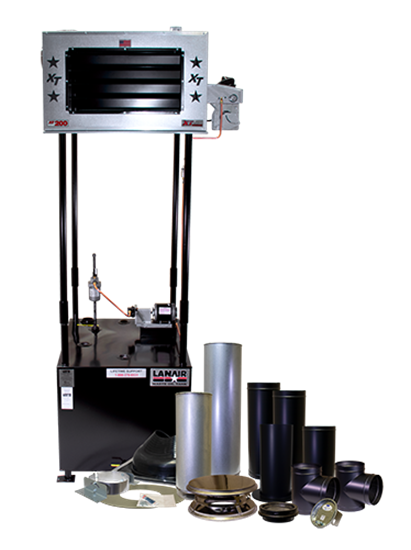
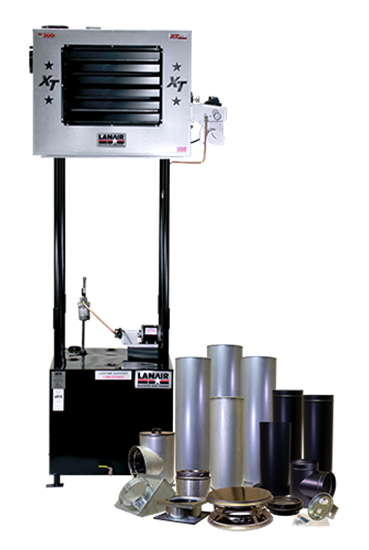
Before jumping into troubleshooting, it’s important to know the basics. Lanair waste oil heaters use used motor oil, transmission fluid, or similar oils as fuel. They’re popular in auto shops, farms, and warehouses because they cut both heating costs and oil disposal fees. The main parts include a burner assembly, fuel pump, nozzle, air compressor, ignition system, and heat exchanger. Knowing these parts will help you follow the troubleshooting steps.

36% off Today’s Exclusive Deals
Limited-time Exclusive Deals. Check current discount on Amazon.
Check Price on Amazon As an Amazon Associate I earn from qualifying purchases.A Lanair system also has safety controls, thermostats, and sometimes a digital display for error codes. Each part must work together smoothly for reliable heating.
Common Problems And Quick Checks
When your Lanair heater acts up, the issue often falls into a few main categories. Here’s a quick overview of the most frequent problems:
- Heater won’t start
- Burner goes out after ignition
- Weak or no flame
- Visible smoke or soot
- Unusual noises
- Poor heat output
Let’s break down each issue, what typically causes it, and how to get your heater running again.
Heater Won’t Start
A heater that won’t start at all can be caused by several things. Start with these easy checks:
- Power supply: Is the heater plugged in and switched on? Check for blown fuses or tripped breakers.
- Thermostat setting: Make sure the thermostat is set higher than room temperature.
- Safety switches: Check if the safety reset button has tripped, often located near the burner.
- Fuel supply: Is there enough used oil in the tank? Thicker oils in cold weather can also clog the line.
- Control board: Look for error lights or codes on the display, if equipped.
If all these are fine, move to the ignition system and fuel delivery.
Example
A mechanic shop in Minnesota found their heater wouldn’t start on a cold morning. After checking power and thermostat settings, they discovered a tripped safety switch, likely from a brief power outage overnight. Resetting the switch restored operation.
Non-obvious insight: Lanair heaters may not start if the oil is too cold and thick. Pre-warming the oil tank or using a tank heater in winter can prevent this problem.
Burner Lights But Goes Out
If your heater starts but shuts off soon after, focus on safety controls and air/fuel delivery:
- Blocked air intake: Dirty air filters or blocked vents limit combustion air.
- Flame sensor: A dirty or faulty flame sensor can shut down the burner even when the flame is present.
- Fuel line restrictions: Clogged filters or lines restrict oil flow.
- Draft issues: Chimney blockages or improper draft can cause the burner to trip.
What To Do
- Inspect and clean the air filter.
- Check the flame sensor for soot and clean gently.
- Examine the oil filter and replace if dirty.
- Inspect the chimney for blockages.
Tip: Use a mirror to check inside the vent pipe for soot buildup.
Non-obvious insight: Lanair heaters have a vacuum switch that detects airflow. If the exhaust fan is weak or dirty, the switch may shut off the burner for safety.
Weak Or No Flame
A weak or absent flame means poor combustion. Possible causes:
- Dirty nozzle: Oil nozzles clog easily and must be cleaned or replaced regularly.
- Low air pressure: The compressor may be weak or leaking.
- Wrong oil viscosity: Very thick or contaminated oil won’t atomize well.
- Fuel pump issues: Weak pumps can’t deliver enough oil.
Step-by-step Solution
- Remove and clean the nozzle with solvent.
- Test air pressure at the burner (check manual for correct PSI).
- If using heavy oil, blend with lighter waste oil.
- Check for air leaks in the compressor hose.
Practical tip: Avoid using brake fluid or synthetic oils—these can gum up the system and cause weak flames.
Smoke Or Soot Problems
If you see black smoke from the exhaust or soot on walls, your heater is not burning cleanly. This is more than a mess—it can be a fire risk.
Usual causes:
- Improper air/fuel mix: Too much oil or too little air.
- Clogged heat exchanger: Restricts exhaust flow.
- Incorrect nozzle size: Oversized nozzles flood the burner.
Fixing The Problem
- Adjust the air band on the burner to allow more air.
- Clean the heat exchanger tubes with a wire brush.
- Check for the correct nozzle size per the owner’s manual.
Non-obvious insight: Some operators overlook the need to clean the heat exchanger yearly. Even thin layers of soot can reduce efficiency and increase smoke.
Unusual Noises
Strange noises can be a warning sign:
- Popping or banging: Air in the fuel line or delayed ignition.
- Whining: Failing fuel pump or compressor.
- Vibration: Loose burner assembly or mounting.
What To Check
- Bleed the fuel line to remove air.
- Tighten all burner mount bolts.
- Replace noisy pumps or compressors.
Example: A shop reported a loud banging at startup. It turned out the ignition electrodes were out of alignment, causing delayed ignition.
Poor Heat Output
If your heater runs but doesn’t heat well, check these:
- Dirty heat exchanger: Reduces heat transfer.
- Insufficient fuel: Tank may be low or oil too thick.
- Thermostat issues: Faulty or poorly located thermostat.
Steps
- Clean the heat exchanger.
- Confirm oil level and condition.
- Test thermostat with a thermometer.
Lanair Heater Troubleshooting Table
The table below summarizes common issues, their causes, and recommended actions.
| Problem | Likely Cause | Action |
|---|---|---|
| Heater won’t start | No power, tripped safety, empty tank | Check power, reset safety, refill oil |
| Burner shuts off | Dirty sensor, blocked vent, fuel restriction | Clean sensor, clear vent, replace filter |
| Weak flame | Dirty nozzle, low air, thick oil | Clean/replace nozzle, check compressor, blend oil |
| Smoke/soot | Wrong air/fuel mix, dirty exchanger | Adjust air, clean exchanger |
| Noisy operation | Air in line, loose parts, failing pump | Bleed line, tighten bolts, replace part |
| Poor heat | Dirty exchanger, low oil, thermostat | Clean exchanger, refill tank, test thermostat |
Detailed Steps For Key Troubleshooting Tasks
Some Lanair waste oil heater troubleshooting steps require more detail. Here’s how to safely perform the most common tasks.
Cleaning The Nozzle
- Turn off the power and allow the heater to cool.
- Remove the burner cover.
- Unscrew the nozzle assembly.
- Soak the nozzle in solvent (never poke with wire).
- Dry thoroughly and reinstall.
Tip: Replace the nozzle annually even if it looks clean—small deposits can affect spray pattern.
Checking And Cleaning The Flame Sensor
- Locate the flame sensor (usually near the burner).
- Gently remove and clean with fine steel wool or emery cloth.
- Wipe off residue with a clean cloth.
- Reinstall and reconnect.
Oil Filter Maintenance
- Shut off oil supply.
- Remove the filter housing and old filter.
- Inspect for sludge or water.
- Install a new filter and reassemble.
Practical tip: Change the filter every season or after burning 1,000 gallons.
When To Call A Professional
While many issues can be fixed with simple tools, some require a trained technician. Call for service if:
- You smell raw fuel or see leaks near the burner.
- The heater trips safety controls repeatedly.
- You can’t achieve a clean, steady flame after cleaning.
- Control board shows persistent error codes.
Lanair-certified technicians have the right tools and replacement parts, which helps prevent bigger problems.
Lanair Error Codes Explained
Many newer Lanair heaters have a display panel that shows error codes. Understanding these codes can save you time:
- E01: Ignition failure—check electrodes and fuel.
- E02: Flame lost—inspect flame sensor and air intake.
- E03: Overheat—clean heat exchanger, check thermostat.
- E04: Fuel supply—check tank and lines.
Refer to your owner’s manual for a full list. If codes persist, reset the control board by turning off power for 30 seconds.
Maintenance Tips To Prevent Problems
Regular upkeep reduces breakdowns and extends heater life. Here’s a simple schedule:
- Daily: Check oil level, watch for leaks.
- Weekly: Inspect air filters, check for soot.
- Monthly: Clean burner assembly, check nozzle.
- Annually: Deep clean heat exchanger, replace nozzle and oil filter, inspect vent pipe.
Example: A shop that followed this schedule cut unplanned downtime by 80% in one winter.
What Oil Can You Burn?
Lanair heaters are versatile, but not all oils are equal. Approved fuels:
- Used motor oil
- Used transmission fluid
- #2 fuel oil
Avoid: Brake fluid, synthetic oils, gasoline, or any flammable solvents. These can damage your heater or cause unsafe operation.
Non-obvious insight: Mixing small amounts of transmission fluid with motor oil can help keep the fuel line cleaner, but never exceed manufacturer limits.
Safety First
Never overlook safety when troubleshooting a Lanair waste oil heater. Always:
- Turn off power before opening panels.
- Allow the heater to cool before cleaning.
- Keep a fire extinguisher nearby.
- Ensure good ventilation.
If you’re unsure, ask for help or contact Lanair support.
Key Differences: Lanair Vs. Other Waste Oil Heaters
It’s helpful to know how Lanair compares to other brands. Here’s a quick comparison.
| Feature | Lanair | Other Brands |
|---|---|---|
| Fuel Flexibility | High (multiple oil types) | Varies (some restrict fuel types) |
| Parts Availability | Good (US-based support) | Mixed (some imported parts) |
| Maintenance Needs | Moderate (annual service) | Some need more frequent cleaning |
| Error Diagnostics | Clear error codes | Some use indicator lights only |
Tip: Lanair’s extensive US dealer network makes it easier to get replacement parts and support compared to some lesser-known brands.

Real-world Example: Troubleshooting In Action
Consider a small auto garage in Ohio. Their Lanair heater began to smoke and trip off every few hours. The owner cleaned the air filter, but the problem returned. After checking the troubleshooting guide, he found heavy soot in the heat exchanger.
A thorough cleaning restored proper operation, and the heater ran cleanly for the rest of the season.
Key takeaway: Most Lanair heater problems are caused by dirt, soot, or improper maintenance—not major mechanical failures.
Useful Resources
For more in-depth guides and manuals, visit the official Lanair Technical Support page. Here, you’ll find downloadable manuals, videos, and troubleshooting charts.
Frequently Asked Questions
Why Does My Lanair Waste Oil Heater Keep Shutting Off?
Frequent shutdowns are usually caused by a dirty flame sensor, blocked vents, or fuel flow issues. Clean the sensor, check for vent blockages, and replace the oil filter. If the problem continues, check the error codes on the control panel.
What Oils Are Safe To Use In A Lanair Waste Oil Heater?
Use only used motor oil, transmission fluid, or approved #2 fuel oil. Never burn brake fluid, solvents, or gasoline, as these can damage the unit and create safety hazards.
How Often Should I Clean The Heat Exchanger?
Clean the heat exchanger at least once per heating season, or more often if you burn high-mileage oil or notice soot buildup. Regular cleaning keeps the heater efficient and safe.
My Heater Makes A Loud Bang When Starting. What Causes This?
A loud bang often means delayed ignition, usually from misaligned electrodes or air in the fuel line. Check electrode spacing and bleed the fuel line to remove air.
Can I Troubleshoot My Lanair Heater Myself, Or Do I Need A Technician?
You can handle basic tasks like cleaning the nozzle, filter, and heat exchanger. For fuel leaks, electrical problems, or persistent error codes, it’s best to call a qualified Lanair technician.
Keeping your Lanair waste oil heater in top shape means regular checks, quick troubleshooting, and proper maintenance. With the steps in this guide, you’ll minimize downtime, keep your workspace warm, and get the most from your investment. Remember: Most problems have simple solutions if you act early and follow safe practices.

