

A backyard pool is a joy—until it stops heating. If you own a Hayward Pool Heater H Series, you probably know the satisfaction of a warm swim, and the frustration when things go wrong. This article is your complete, practical guide to troubleshooting issues with Hayward’s H Series pool heaters. Whether your heater won’t start, throws error codes, or just isn’t heating well, you’ll find step-by-step advice, key tips, and clear explanations below. Let’s get your pool warm and your heater working again.
Understanding The Hayward H Series Pool Heater
The Hayward H Series is a popular line of gas-fired pool heaters found in many homes across the US. These heaters are known for their energy efficiency, digital controls, and reliability. There are several models, such as the H200, H250, H300, H350, and H400, with the number indicating the heater’s BTU (British Thermal Unit) rating.

36% off Today’s Exclusive Deals
Limited-time Exclusive Deals. Check current discount on Amazon.
Check Price on Amazon As an Amazon Associate I earn from qualifying purchases.Most H Series heaters use natural gas or propane. They feature electronic ignition, a digital display, and safety mechanisms to prevent overheating or unsafe operation. Newer versions (H-Series Low NOx) also produce lower emissions.
Key Features Of The H Series
- Digital control panel for easy operation
- Cupro-nickel heat exchanger for durability
- Forced draft system to prevent outside weather from affecting performance
- Diagnostic LED lights for easier troubleshooting
Understanding how your specific model works is the first step to effective troubleshooting. Always check your user manual for details about your heater’s controls and display.
Common Problems With Hayward H Series Pool Heaters
Most heater problems show up in a few ways: the unit won’t start, the water stays cold, error codes appear, or there are odd sounds or smells. Below are the most common issues owners face:
- Heater won’t ignite or start
- Heater ignites but shuts off quickly
- Heater runs but does not heat water enough
- Error codes on the display
- Unusual noises or smells
- Water leaks
Recognizing the symptoms helps you narrow down the possible causes. Let’s break down each problem and what typically triggers it.
Quick Reference Table: Common Problems And Likely Causes
| Problem | Possible Cause | Initial Action |
|---|---|---|
| Heater won’t start | No power, bad fuse, tripped breaker, gas valve issue | Check power/gas supply |
| Water not heating | Low gas pressure, dirty filter, faulty thermostat | Clean filter, check thermostat |
| Error code appears | Sensor, safety switch, or ignition failure | Read code, follow manual |
| Leaking water | Damaged heat exchanger, loose fittings | Inspect for leaks |
Step-by-step Troubleshooting Process
1. Check The Basics First
Before digging into advanced fixes, always look at the simple things:
- Power Supply: Is the heater plugged in? Is the circuit breaker on? Are fuses blown?
- Gas Supply: For gas models, is the gas valve open? Is there enough propane or natural gas?
- Water Flow: Is the pool pump running? Is the filter clean? Low flow can prevent the heater from starting.
- Thermostat Settings: Is the set temperature higher than the current pool water temperature?
More than half of service calls are due to a tripped breaker, closed valve, or clogged filter. Double-check these first.
2. Reading The Display And Error Codes
Modern H Series heaters have a digital display that shows the current status and error codes. These codes are your best friend for troubleshooting.
Common error codes:
- IF (Ignition Failure): Heater tried to ignite but failed.
- LO (Water Flow or Pressure Switch): Not enough water flow.
- AO (Air Flow Switch): Problem with air flow.
- HS (High Limit Switch): Heater sensed unsafe temperature.
Find the meaning of your error code in the user manual or on the inside panel of the heater. If you do not have the manual, you can find them on the Hayward official website.
3. Heater Won’t Start Or Ignite
This is the most common problem. Here’s what to check:
- Power: Make sure the heater is plugged in and the breaker is not tripped.
- Control Panel: Is the display on? If not, check for blown fuses or bad wiring.
- Thermostat: Set the desired temperature higher than the pool water.
- Safety Switches: The H Series has several safety switches (pressure, high limit, rollout, etc.). If any are open, the heater won’t start.
- Gas Supply: For gas models, ensure the gas valve is open. If you smell gas, turn off the heater and call a professional immediately.
Non-obvious tip: If you recently replaced the pool pump or filter, air trapped in the plumbing can prevent the heater from firing. “Bleed” the system by opening the air relief valve on your filter.
4. Heater Starts But Shuts Off
If your heater ignites but turns off soon after, possible causes include:
- Dirty filter or low water flow: The pressure switch senses low flow and shuts the heater off.
- Faulty sensors: High limit or temperature sensors may be bad.
- Clogged heat exchanger: Scale or debris can cause overheating.
Experience-based insight: Pool owners often overlook flow issues. Even a slightly dirty filter can drop flow enough to trip the pressure switch. Clean the filter and check for closed valves.
5. Heater Runs, But Water Stays Cold
When the heater is on but the pool stays chilly, look for these problems:
- Thermostat set too low
- Bypass valve open (water not passing through heater)
- Gas supply too low (for gas heaters)
- Dirty or blocked heat exchanger
Practical tip: Check the heater exhaust. If it’s warm but the pool is still cold, the water may be bypassing the heater. Look for open bypass valves or plumbing errors.
6. Error Codes And What They Mean
Each error code points to a specific problem. Here’s a quick guide to the most common codes:
| Error Code | Meaning | Possible Fix |
|---|---|---|
| IF | Ignition Failure | Check gas, igniter, flame sensor |
| LO | Low Water Flow | Clean filter, check pump |
| AO | Air Flow Switch | Check blower, air passages |
| HS | High Limit Switch | Check heat exchanger, sensors |
| SB | Shorted Sensor | Replace sensor |
Non-obvious insight: Some error codes can be triggered by wiring problems, not just failed sensors. Before replacing parts, check for loose or corroded wire connections.
7. Unusual Noises Or Smells
Heaters should run fairly quietly. Strange sounds or smells often mean something’s wrong:
- Rumbling or popping: Usually caused by scale build-up inside the heat exchanger. Flush the unit with a descaling solution.
- Burning smell: Could be a sign of electrical issues or overheating. Turn off the heater and inspect for melted wires or soot.
- Gas smell: Turn off the heater immediately and call a gas professional. Do not attempt to fix gas leaks yourself.
8. Water Leaks
A leaking heater can cause serious damage. Common leak sources include:
- Loose plumbing connections
- Corroded heat exchanger
- Damaged gaskets or seals
Check all visible fittings and hoses. If the leak is inside the heat exchanger, replacement may be needed.
Advanced Troubleshooting Tips
If basic checks don’t solve the problem, it’s time to look deeper.
Testing Safety Switches And Sensors
The H Series has several safety devices:
- Pressure switch: Detects if water is flowing.
- High limit switch: Shuts off heater if temperature is too high.
- Rollout switch: Detects dangerous flame rollout.
- Thermal fuse: Prevents overheating.
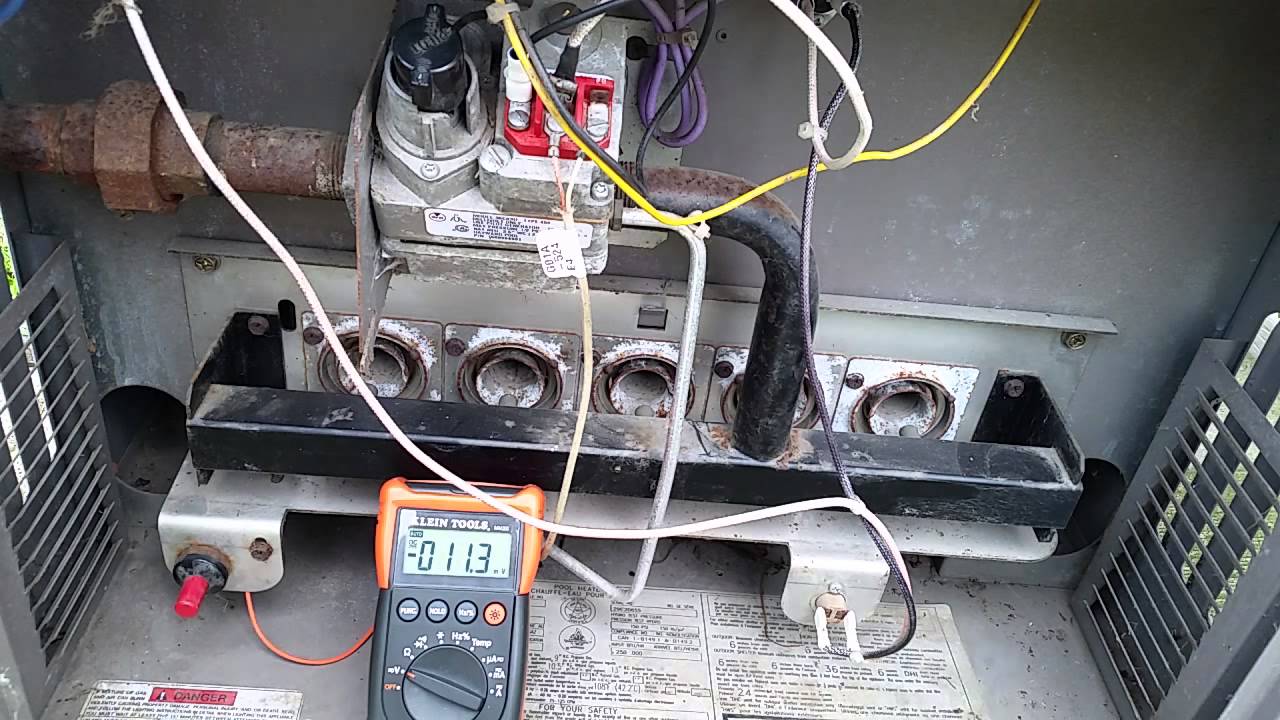
You can test most switches with a multimeter for continuity. If a switch is open when it should be closed, replace it.
Checking The Ignition System
Ignition failures are often caused by:
- Dirty or cracked igniter
- Faulty flame sensor
- Bad control board
Remove the igniter and flame sensor. Clean them gently with a soft cloth. If they are cracked or heavily corroded, replace them.
Diagnosing Gas Valve And Burner Issues
If you have verified power, sensors, and ignition, but the heater still does not fire, the gas valve or burners may be the issue.
- Gas valve: Listen for a “click” when the heater tries to start. No click means the valve isn’t opening. This could be a control board issue or a bad valve.
- Burners: Rust or debris can block the burners. Remove and clean them.
Caution: Gas work is dangerous. If you are unsure, call a licensed technician.
Decoding Less Common Error Codes
Some error codes are less common, but knowing them can save hours:
- CE: Communication error between the display and main board.
- AO: Air flow switch problem (may be a blocked vent).
- BD: Board diagnostic failure.
For rare codes, always check the latest Hayward technical documentation.
Preventive Maintenance For Long-term Reliability
Regular maintenance reduces breakdowns and extends heater life. Simple steps:
- Clean or backwash the pool filter weekly.
- Inspect the heater’s air vents for obstructions.
- Flush the heat exchanger with descaling solution yearly.
- Check all plumbing connections for leaks.
- Test safety switches every season.
- Keep rodents and insects out of the heater cabinet.
A little care goes a long way. Ignoring maintenance is the top cause of early heater failure.
Maintenance Schedule Overview
| Task | Frequency | Notes |
|---|---|---|
| Clean pool filter | Weekly | Critical for water flow |
| Flush heat exchanger | Yearly | Removes scale |
| Check gas supply | Start of season | Look for leaks |
| Inspect wiring | Every 6 months | Look for corrosion |
| Test safety switches | Yearly | Replace if faulty |
When To Call A Professional
While many issues can be fixed by a handy pool owner, some require a trained technician:
- Gas leaks
- Electrical failures
- Control board replacement
- Internal water leaks (heat exchanger)
Attempting DIY repairs on gas or high-voltage parts can be dangerous and may void your warranty. If you are unsure, it’s safer to call a Hayward-certified technician.

Cost Of Common Repairs
Knowing what repairs might cost helps you decide whether to fix or replace. Costs vary by region and part, but here’s a general guide:
- Igniter replacement: $75–$150 (parts and labor)
- Flame sensor: $50–$120
- Control board: $250–$500
- Heat exchanger replacement: $800–$1,500
- Pressure switch: $80–$200
If your heater is over 10 years old and needs major repairs, consider replacing it with a newer, more efficient model.
Avoiding Common Owner Mistakes
Many heater problems come from simple mistakes. Here are some to avoid:
- Running the heater with a dirty filter: Low flow will trip safety switches.
- Setting the thermostat too low: The heater won’t start if the set temperature isn’t higher than the current water temperature.
- Ignoring small leaks: Even minor leaks can cause big damage over time.
- Skipping yearly maintenance: Scale and debris build-up will shorten your heater’s life.
- Trying to fix gas or electric issues without proper knowledge: This is dangerous and can void your warranty.
Non-obvious advice: After any repair, always clear error codes by turning the power off and on. Some codes “stick” until the system resets.
Upgrades And Replacements: When It’s Time
If your H Series heater is over a decade old, or if you need frequent repairs, upgrading may save money long-term. Newer Hayward models offer:
- Higher energy efficiency
- Quieter operation
- Better digital diagnostics
- Lower emissions (Low NOx models)
Modern heaters can reduce your gas bill by 15–20% compared to older units.
Frequently Asked Questions
Why Does My Hayward H Series Heater Keep Showing The “lo” Code?
The LO code means low water flow. This is usually caused by a dirty pool filter, closed valves, or a failing pump. Clean the filter, check all valves are open, and ensure the pump is running well. If the code remains, the pressure switch or wiring may be faulty.
How Often Should I Flush The Heat Exchanger In My Hayward Heater?
For most pool owners, once per year is enough. If you have hard water, consider flushing every 6 months. This prevents scale build-up, which can reduce heating efficiency and cause overheating errors.
Can I Reset My Hayward H Series Heater Myself?
Yes, you can reset the heater by turning off the power at the breaker for 30 seconds and then turning it back on. This clears most error codes. However, if the problem remains, further troubleshooting or repair is needed.
What Is The Lifespan Of A Hayward H Series Pool Heater?
With proper maintenance, a Hayward H Series heater typically lasts 7–12 years. Regular cleaning, annual inspection, and fixing small issues early will extend its life. Hard water or lack of care can shorten its lifespan.
Is It Safe To Repair Gas Leaks Or Electrical Faults Myself?
No. Gas leaks and electrical faults are dangerous. Always call a licensed professional for these repairs. DIY attempts can lead to injury, fire, or voiding your warranty.
A well-maintained Hayward H Series pool heater is a reliable source of comfort and relaxation. With the troubleshooting steps, maintenance advice, and repair tips above, you can solve most problems or know when to call in an expert. Take care of your heater, and it will take care of your pool for many years to come.

