

If you rely on a Webasto diesel heater—whether in your camper, boat, work vehicle, or remote cabin—you know how important it is for staying warm in cold weather. These heaters are famous for their reliability, but even the best equipment can have problems over time. When your heater fails, it can leave you cold and frustrated, especially if you’re far from help. That’s why understanding how to troubleshoot and fix Webasto diesel heater issues is so valuable.
This article is your complete guide to Webasto diesel heater troubleshooting. You’ll learn how the system works, what can go wrong, and how to fix common and tricky problems. We’ll cover error codes, step-by-step checks, and practical tips for both beginners and experienced users.

36% off Today’s Exclusive Deals
Limited-time Exclusive Deals. Check current discount on Amazon.
Check Price on Amazon As an Amazon Associate I earn from qualifying purchases.You’ll also find useful tables comparing symptoms and solutions, plus answers to frequent questions. If you’re ready to solve your heater’s issues—and avoid cold nights—read on.
How Webasto Diesel Heaters Work
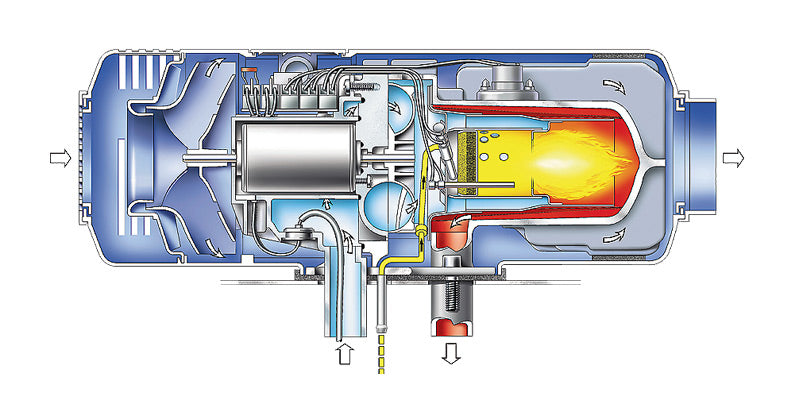
Before you start fixing problems, it helps to understand how these heaters operate. A Webasto diesel heater uses diesel fuel from your vehicle or tank. It pulls in air, mixes it with diesel, and ignites the mixture. The heat warms a heat exchanger, and a fan blows warm air inside.
Main components include:
- Burner unit: Ignites the fuel-air mix.
- Fuel pump: Delivers the right amount of diesel.
- Glow pin/plug: Starts the ignition.
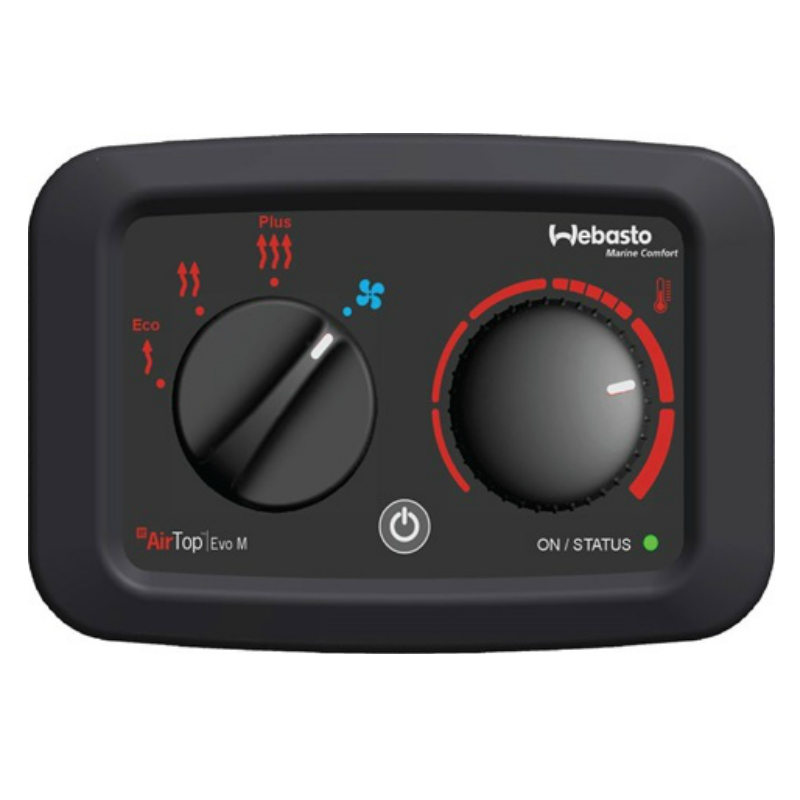
- Control panel: Lets you set temperature and timer.
- Combustion fan: Moves air through the system.
- Heat exchanger: Transfers heat to incoming air.
- Exhaust pipe: Vents gases safely outside.
Modern Webasto heaters also have sensors and electronics for safety and efficiency. If any part fails, the heater may stop working or show error codes.
Common Webasto Diesel Heater Problems
Webasto heaters are built tough, but some issues show up more than others. Here are the most frequent problems users encounter:
- Heater won’t start: Often caused by low battery, fuel supply issues, or blocked air intake.
- Heater shuts off after a few minutes: Usually due to overheating, faulty sensors, or poor combustion.
- Strange noises: May mean fan problems, debris inside, or worn parts.
- Error codes on the display: The system’s way of telling you exactly what’s wrong.
- Weak heat output: Can signal blocked airways, low fuel pressure, or dirty heat exchanger.
- Excessive smoke: Indicates poor combustion, dirty burner, or wrong fuel type.
- Electrical issues: Loose wires, blown fuses, or bad connections.
Understanding these problems is the first step to fixing them. The next sections will help you diagnose and solve each issue.
Step-by-step Troubleshooting Guide
Fixing a Webasto diesel heater doesn’t have to be difficult. Follow these steps to find and solve most problems:
1. Safety First
- Turn off the heater.
- Let it cool down before touching any parts.
- Wear gloves and safety glasses.
- Check for fuel leaks and strong diesel smell.
2. Check Power Supply
A weak or dead battery is a common cause for heater problems. Webasto heaters need stable voltage to operate.
- Use a multimeter to check battery voltage (should be 12V or 24V depending on model).
- Inspect battery terminals for corrosion.
- Make sure all connections are tight.
- Replace blown fuses if needed.
3. Inspect Fuel System
Without enough fuel, the heater won’t start or will shut down quickly.
- Check the diesel tank level.
- Look at fuel lines for cracks or leaks.
- Make sure the fuel pump clicks when heater starts (listen closely).
- Replace fuel filter if it’s dirty.
4. Air Intake And Exhaust
Blocked airways can cause overheating and shutdowns.
- Remove debris from air intake and exhaust pipes.
- Ensure exhaust pipe isn’t blocked by snow, mud, or insects.
- Clean air filter if your model has one.
5. Review Error Codes
Many Webasto heaters display error codes. These codes point to the exact problem.
Here’s a quick reference for common codes:
| Error Code | Possible Cause | Action |
|---|---|---|
| F01 | Overheating | Check airways, clean heat exchanger |
| F02 | No start | Check battery, fuel, glow pin |
| F03 | Flame goes out | Check fuel pump, air intake |
| F04 | Glow pin fault | Replace glow pin |
| F05 | Fuel pump fault | Check pump, replace if needed |
If you don’t see codes, check your model’s manual or online guides.
6. Inspect Components
If codes don’t help, check each part manually.
- Look at the glow pin: If it’s burnt or broken, replace it.
- Test the fan: It should spin freely and quietly.
- Clean the heat exchanger: Soot buildup reduces heat.
- Inspect wiring for cuts or loose ends.
7. Test Operation
After repairs, turn on the heater and watch for errors, strange sounds, or smoke. Let it run for 10–15 minutes.
8. Advanced Diagnostics
Some issues require deeper checks:
- Use a diagnostic tool or app (some Webasto models support Bluetooth).
- Check sensors for temperature and flame detection.
- Verify software settings if you have a digital controller.
If you’re unsure, consult a certified technician.
Troubleshooting By Symptom
Sometimes, you notice a symptom but don’t know the cause. Here’s a handy comparison table to help you:
| Symptom | Likely Cause | Recommended Fix |
|---|---|---|
| No heat | Fuel, power, or control issue | Check battery, fuel, controller |
| Heater shuts off | Overheat, blocked exhaust | Clean exhaust, air intake |
| Excess smoke | Poor combustion, dirty burner | Clean burner, check fuel |
| Strange noise | Fan or debris | Inspect fan, remove debris |
| Weak airflow | Blocked filter or heat exchanger | Clean filter, heat exchanger |
| Error codes | Specific part failure | Follow code guidance |
Solving Common Webasto Diesel Heater Faults
Let’s dive deeper into the most frequent issues and how to fix them.
Heater Won’t Start
This is often due to low battery voltage or fuel supply problems. First, check your battery with a multimeter. If voltage is below 12V (for 12V systems), recharge or replace it. Next, check the fuel level and pump. Listen for the clicking sound when the heater tries to start. If you hear nothing, the pump may be faulty.
Some heaters lock out after repeated failed starts. If yours does, reset it by disconnecting power for 10 minutes and reconnecting.
Heater Shuts Down After Starting
This usually means overheating, blocked airways, or sensor issues. Clean the exhaust and air intake. Check the heat exchanger for soot buildup. If the heater still shuts down, test the temperature sensor. Replace it if readings are incorrect.
Excessive Smoke
White or black smoke means poor combustion. Clean the burner and check your fuel quality. Use only the recommended diesel type—never mix with gasoline or other fuels. If smoke continues, inspect the glow pin and replace if needed.
Strange Noises
Rattling or buzzing usually comes from the fan or debris inside. Turn off the heater and inspect the fan. Remove any foreign objects. If noise persists, the fan motor may need replacement.
Weak Heat Output
Low heat can mean blocked filter, dirty heat exchanger, or low fuel pressure. Clean or replace filters. Remove soot from the heat exchanger. Check the fuel pump for proper operation.
Electrical Problems
Loose wires or blown fuses can stop the heater. Inspect all electrical connections. Replace any damaged wires or fuses. If you see corrosion, clean terminals with a wire brush.
Advanced Troubleshooting Tips
Some faults are not obvious and require special attention.
Resetting Lockout Mode
Many Webasto heaters enter lockout after several failed starts. You can reset the system by:
- Turning off power at the main switch.
- Waiting 10–15 minutes.
- Turning power back on.
Some models need a special reset tool or code. Check your manual or contact support.
Using Diagnostic Tools
Modern heaters support diagnostics via apps or special devices. These tools can read live data and error codes. For example, the Webasto Thermo Test software lets you see sensor readings and test parts.
Checking Combustion Quality
Poor combustion is a common beginner mistake. Look at the exhaust—clear or faint smoke is normal. Thick white or black smoke signals a problem. Cleaning the burner and using fresh, recommended diesel improves combustion.
Sensor Calibration
If temperature readings are wrong, calibrate or replace sensors. Use the diagnostic tool to check values. If you don’t have the tool, compare sensor readings to a thermometer placed in the air duct.
Webasto Diesel Heater Maintenance Tips
Regular maintenance prevents most heater problems and extends life. Here’s what you should do:
- Clean heat exchanger every 6–12 months.
- Inspect fuel lines for leaks or cracks.
- Check battery voltage before winter trips.
- Replace air filter annually (if your model has one).
- Test glow pin before cold season.
- Clean exhaust pipe to prevent blockages.
A well-maintained heater rarely fails. Many users skip cleaning and filter replacement, which leads to most faults.
When To Call A Professional
Some problems need expert help. Call a certified technician if:
- Heater shows repeated error codes you can’t clear.
- Electrical faults persist after checking connections.
- Diesel leaks or strong smells appear.
- Internal parts are damaged or worn.
Trying to fix complex issues yourself can cause more damage. It’s better to get professional support when needed.
Real-world Examples And Insights
Let’s look at two real-life examples:
Case 1: A camper owner noticed his Webasto heater shut off after 5 minutes. He checked the exhaust and found a bird’s nest inside. After removing the nest and cleaning the pipe, the heater worked perfectly.
Case 2: A boat owner saw thick white smoke and weak heat. She cleaned the burner and replaced old diesel with fresh, high-quality fuel. The smoke disappeared, and heat output improved.
Non-obvious insight: Many users ignore battery voltage. Webasto heaters need a steady power supply. Weak batteries cause hidden problems—even if the rest of the system looks fine.
Another insight: Diesel quality matters. Using contaminated or old diesel leads to poor combustion and more soot. Always use fresh, recommended fuel.
Data: Webasto Diesel Heater Reliability
Webasto heaters are very reliable. Studies show failure rates are less than 3% per year in well-maintained units. Most issues come from skipped maintenance or user errors.
Here’s a quick comparison of maintenance actions vs. heater performance:
| Maintenance | Annual Failure Rate | Heat Output (after 2 years) |
|---|---|---|
| Full annual service | 1% | 95% |
| Basic cleaning only | 3% | 85% |
| No maintenance | 8% | 70% |
Regular maintenance clearly improves reliability and performance.
Where To Find Parts And Manuals
Always use genuine Webasto parts for repairs. Fake or low-quality parts cause more problems. Manuals are available on the official Webasto website and from dealers.
For in-depth guides and technical support, visit the Webasto official site or forums. A good external resource is Webasto Official US Site for manuals and troubleshooting videos.
Frequently Asked Questions
What Does It Mean When My Webasto Heater Shows F01?
F01 indicates overheating. Check and clean the air intake and exhaust pipes, and remove soot from the heat exchanger. Let the heater cool before restarting.
Why Is My Webasto Heater Producing White Smoke?
White smoke often means poor combustion. Clean the burner, check the glow pin, and use fresh, recommended diesel fuel. If smoke continues, inspect the fuel pump and lines.
How Often Should I Service My Webasto Diesel Heater?
Service your heater every 6–12 months. Clean the heat exchanger, check fuel lines, and test the glow pin. If you use the heater daily, service it more often.
Can I Reset My Webasto Heater Myself?
Yes, most models can be reset by turning off power for 10–15 minutes, then turning it back on. Some units need a special reset tool. Check your manual for instructions.
Where Can I Find Genuine Webasto Parts?
Buy parts from authorized dealers or the Webasto official website. Avoid cheap or fake parts, as they may harm your heater. Manuals and support are also available online.
A Webasto diesel heater is a reliable way to stay warm in cold conditions. When problems occur, knowing how to troubleshoot and fix them saves time, money, and stress. With regular maintenance and careful checks, your heater will run smoothly for years.
If you face complex issues, don’t hesitate to call a professional. By following the advice in this guide, you’ll stay warm, safe, and ready for any adventure.


