

When a commercial kitchen relies on a Hatco booster heater, every minute of downtime can mean dishware isn’t being sanitized properly. This can slow down operations and even create health code risks. Booster heaters are designed to raise water temperature—usually for dishwashers—to ensure effective cleaning.
But, like any equipment, they sometimes fail. The good news? Many common Hatco booster heater issues can be solved quickly if you know what to look for.

36% off Today’s Exclusive Deals
Limited-time Exclusive Deals. Check current discount on Amazon.
Check Price on Amazon As an Amazon Associate I earn from qualifying purchases.This guide walks you through Hatco booster heater troubleshooting step by step. Whether you’re a kitchen manager, maintenance technician, or an owner looking to keep operations running, you’ll find practical advice, real-world examples, and actionable steps. We’ll cover how booster heaters work, typical failure points, diagnostic strategies, and tips for avoiding costly downtime.
Understanding Hatco Booster Heaters
Before you start troubleshooting, it helps to know the basics of how booster heaters function and why they’re so crucial in food service. A booster heater is a specialized water heater that raises incoming water—typically from 120°F to the National Sanitation Foundation (NSF) required 180°F. This temperature is necessary for proper sanitization in commercial dishwashers.
Hatco booster heaters come in various sizes, typically ranging from 3 kW to 24 kW for electric models. They’re known for their reliability, but a few key components are prone to wear or failure:
- Heating elements: Transfer electric energy into heat.
- Thermostats: Control water temperature.
- High-limit switches: Safety devices that cut power if temperature gets too high.
- Contactors/relays: Electrical switches controlling the heater’s power.
- Fuses and circuit breakers: Protect against electrical overloads.
- Tank and insulation: Hold and maintain hot water.
Understanding the basics helps you pinpoint where problems might start.
Common Signs Your Hatco Booster Heater Has A Problem
Identifying early warning signs can prevent bigger issues later. Here are the most frequent symptoms of trouble:
- Water is not hot enough: Dishes come out not sanitized, or water feels lukewarm.
- Heater does not turn on: No indicator lights, and the unit is cold.
- Heater trips the breaker: You need to reset the circuit often.
- Water is too hot: Steam or scalding water comes from the dishwasher.
- Leaks: Water around or under the unit.
- Unusual noises: Popping, banging, or hissing sounds.
Each symptom points to different possible causes. Next, let’s break down how to diagnose and solve these issues.
Step-by-step Troubleshooting Guide
1. Water Not Hot Enough
This is the most common complaint with booster heaters. Here’s how to track down the root cause:
A. Check Incoming Water Temperature
Hatco booster heaters are designed to raise the temperature of incoming water, not heat it from cold. If your incoming water is below 120°F, the unit may not reach 180°F at the output.
- Use a thermometer to check the water entering the booster.
- If it’s too low, check your primary water heater.
B. Inspect The Thermostat Setting
Locate the thermostat dial (usually under an access panel). It should be set to 180°F. If it’s set lower, adjust it. Some units have digital displays; follow the manufacturer’s instructions for adjustment.
C. Test The Heating Elements
A faulty heating element means the unit won’t heat water properly. Signs include:
- No heat at all, or very slow heating.
- Visible damage or breaks in the element.
To test:
- Turn off power at the breaker.
- Remove the access cover.
- Use a multimeter to check for continuity across the element terminals.
If the element is open (no continuity), replace it.
D. Look At The High-limit Switch
The high-limit switch is a safety device that can trip if water gets too hot. Once tripped, it must be reset manually.
- Find the red reset button (usually under the access cover).
- Press to reset.
- If it trips again soon, there may be a deeper problem (like a stuck thermostat).
2. Heater Will Not Turn On
No power? Here’s what to check:
A. Power Supply Issues
- Is the unit plugged in and the breaker on?
- Check for blown fuses or tripped circuit breakers.
- Inspect for loose or burned wires.
B. Faulty Contactor Or Relay
A failed contactor means the heating elements won’t receive power. You might hear a soft “click” when the unit should turn on—if not, suspect the contactor.
- With power off, check for burned or melted contacts.
- Replace if necessary.
C. Failed On/off Switch Or Indicator Light
Sometimes the switch or indicator is the culprit, not the heater itself. Test with a multimeter and replace as needed.
3. Water Too Hot
If you notice steam or dangerously hot water, act quickly:
A. Thermostat Malfunction
A stuck or failed thermostat can let the heater run uncontrollably. Test by lowering the thermostat setting and seeing if temperature drops.
B. High-limit Switch Failure
If the high-limit switch does not cut power at the setpoint, replace it immediately. This is a critical safety risk.
4. Heater Trips Breaker Or Blows Fuse
Electrical overloads are serious:
A. Check For Shorted Heating Element
A heating element that is shorted internally can draw too much current. Test with a multimeter for continuity to ground. Replace if faulty.
B. Look For Wiring Issues
Burned, loose, or shorted wires can cause breaker trips. Inspect all visible wiring. Tighten or replace as needed.
C. Oversized Circuit Load
If the booster heater shares a circuit with other heavy equipment, it may overload. Ideally, the booster heater should have its own dedicated circuit.
5. Leaks Or Water Around The Unit
Leaks can damage the unit and surrounding area:
A. Check Plumbing Connections
Loose or corroded fittings are common sources of leaks. Tighten or replace as needed.
B. Inspect The Tank
Small cracks or rust spots can develop over time, especially if water is hard or maintenance is lacking.
- If the tank itself leaks, replacement is usually the only option.
C. Pressure Relief Valve
If the pressure relief valve is leaking, it may be doing its job. However, constant leaking suggests high pressure or a faulty valve.
6. Strange Noises
Unusual sounds often mean mineral buildup or air in the system.
- Popping or rumbling: Indicates scale buildup on the heating elements. Flush or descale the tank.
- Hissing: Could mean a small leak onto a hot surface.
- Banging: Water hammer in the supply line—install water hammer arrestors if needed.
Practical Troubleshooting Examples
Let’s look at a few real-world scenarios:
Example 1: Dishwasher Fails Health Inspection
A restaurant manager notices dishes aren’t coming out hot enough. The health inspector finds rinse water at 140°F instead of 180°F. The incoming water is only 105°F due to a failed primary water heater. Solution: Fix the main heater—once incoming water is restored to 120°F, the booster heater works as designed.
Example 2: Unit Trips Breaker Every Few Days
A maintenance tech finds the breaker for the booster heater keeps tripping. After opening the unit, they spot a burned wire at the heating element terminal. The wire is replaced and properly tightened, solving the problem.
Example 3: Leaking Tank Causes Shutdown
Kitchen staff see water under the booster heater. On inspection, the technician finds a pinhole leak in the tank caused by years of scale buildup. The unit is replaced, and a water softener is installed to prevent future problems.
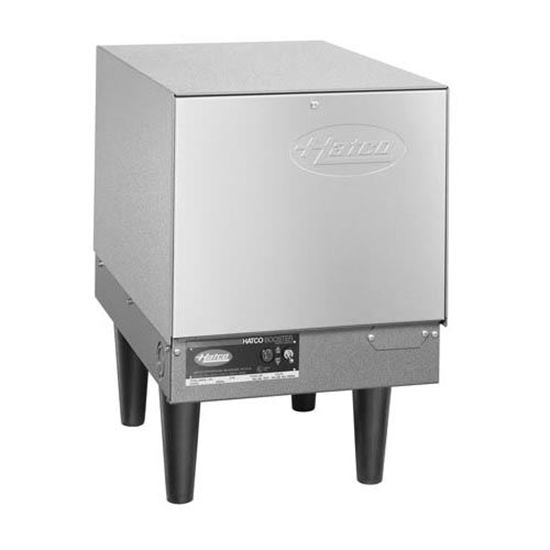
Comparison: Electric Vs. Gas Booster Heaters
While most Hatco booster heaters are electric, it’s helpful to see how they stack up to gas models for context.
| Feature | Electric Booster Heater | Gas Booster Heater |
|---|---|---|
| Heating Speed | Faster for small to medium loads | Faster for large, continuous loads |
| Installation | Requires only electrical hookup | Needs venting, gas line, electrical |
| Maintenance | Less frequent, fewer moving parts | Requires regular burner cleaning |
| Operating Cost | Higher in regions with expensive electricity | Lower if natural gas is cheap |
| Typical Hatco Model | Electric only | N/A |
Key Preventive Maintenance Tips
Staying ahead of problems can save time and money. Here’s what every kitchen should do:
- Check water temperature weekly: Use a thermometer at the dishwasher rinse to confirm 180°F is reached.
- Inspect for leaks: Look around the unit and connections monthly.
- Flush tank regularly: Hard water causes scale—flush and descale at least every six months.
- Test the high-limit switch: Ensure it trips and resets properly.
- Tighten electrical connections: Vibration can loosen terminals—check them during routine inspections.
- Clean air vents: If your booster heater has cooling vents, keep them free of dust.
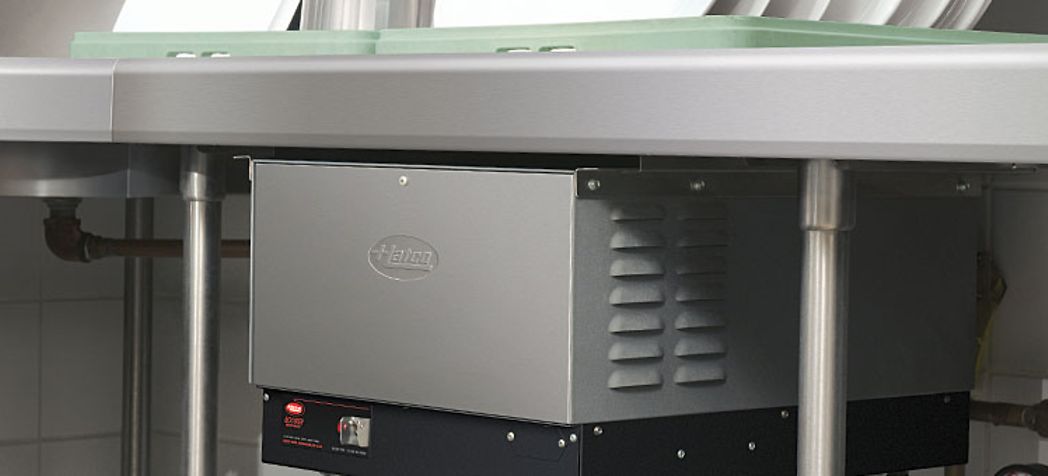
Table: Common Problems And Likely Causes
Here’s a quick reference to match symptoms with probable issues:
| Symptom | Possible Cause | Action |
|---|---|---|
| Water not hot enough | Low incoming temp, failed element, tripped high-limit | Check source temp, test elements, reset switch |
| No power | Tripped breaker, blown fuse, bad contactor | Reset, replace fuse, test contactor |
| Breaker trips | Shorted element, wiring problem | Test and replace element, inspect wiring |
| Leaks | Loose fitting, cracked tank, faulty valve | Tighten, replace tank, change valve |
| Strange noises | Scale buildup, air in system | Flush tank, bleed air |
When To Call A Professional
Some issues are best handled by trained technicians. Call a professional if:
- You’re not comfortable working with electricity or plumbing.
- The tank is leaking—replacement requires specialized skills.
- The heater needs rewiring or major parts replaced.
- High-limit switches keep tripping even after resets.
A specialist can also test controls, calibrate thermostats, and ensure the unit meets local codes.
Non-obvious Insights And Expert Tips
Over years of working with commercial kitchens, a few insights stand out:
- Water quality matters more than you think: Hard water shortens heater life. Installing a water softener can double the lifespan of elements and tanks.
- Don’t ignore minor leaks: Even a few drops can lead to major corrosion inside the unit. Address leaks immediately.
- Keep a service log: Write down dates of maintenance, part replacements, and temperature checks. This record helps spot patterns and keeps you compliant with health regulations.
- Check voltage during troubleshooting: Many Hatco issues are caused by low voltage or unstable supply. Measure at the unit’s terminals to confirm you’re getting what’s needed.
- Know your model number: Different Hatco models have unique parts. Always have your serial and model number handy when ordering replacements or calling for help.
Table: Typical Hatco Booster Heater Error Codes
Many newer Hatco models have digital controls with error codes. Here are some examples:
| Error Code | Meaning | What to Do |
|---|---|---|
| E01 | High-limit switch tripped | Reset switch, check for overheating |
| E02 | Thermostat failure | Replace thermostat |
| E03 | Heating element open | Test and replace element |
| E04 | Low water level | Check supply, inspect for leaks |
| E05 | Sensor error | Check wiring, replace sensor |
Always consult your unit’s manual for model-specific codes and solutions.
Frequently Asked Questions
What Is The Most Common Cause Of Hatco Booster Heater Failure?
The most frequent cause is heating element failure due to scale buildup from hard water. Another common issue is the tripping of the high-limit switch, especially if the thermostat malfunctions or incoming water is too cold.
How Often Should A Hatco Booster Heater Be Serviced?
You should perform basic checks—like water temperature and leak inspection—monthly. Full descaling and electrical inspections are recommended every six months, or more often if water is hard.
Can I Replace A Heating Element Myself?
If you’re comfortable working with electricity and can safely turn off all power, you can replace the heating element. However, always follow the manufacturer’s instructions and local codes. When in doubt, call a professional.
Why Does My Hatco Booster Heater Make Popping Noises?
Popping or rumbling usually means mineral scale buildup on the heating elements. Flushing and descaling the tank typically solves this problem. Regular maintenance helps prevent it.
Where Can I Find Official Hatco Parts And Manuals?
Always use genuine Hatco parts for repairs. Manuals and parts can be found on the Hatco official website for your specific model.
Keeping your Hatco booster heater running smoothly means fewer headaches and no interruptions to your dishwashing cycle. With regular checks and this troubleshooting guide, most issues can be solved before they turn into major repairs. Remember—staying proactive is the best way to keep your kitchen running efficiently and safely.

