

Hydraulic system troubleshooting finds faults in fluid power systems to restore safe, efficient operation.
I have spent over a decade diagnosing and fixing hydraulic systems in shops and field sites. This guide brings hands-on experience, clear steps, and practical tips for hydraulic system troubleshooting. You will learn what to check first, how to read symptoms, which tools to use, and how to prevent repeats. Read on to gain clear, usable skills for real-world repairs and maintenance.

36% off Today’s Exclusive Deals
Limited-time Exclusive Deals. Check current discount on Amazon.
Check Price on Amazon As an Amazon Associate I earn from qualifying purchases.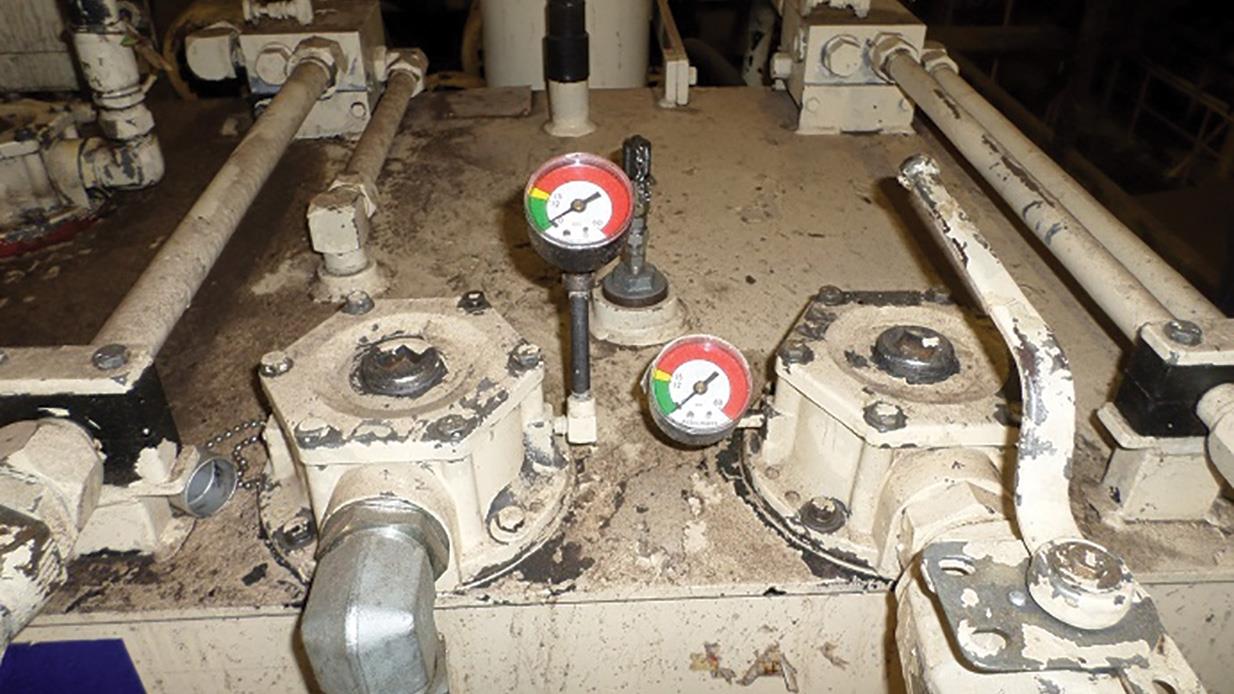
What is hydraulic system troubleshooting?
Hydraulic system troubleshooting is the method of finding and fixing faults in systems that use fluid to transmit power. It covers pumps, valves, actuators, reservoirs, filters, hoses, and the fluid itself. Troubleshooting aims to restore performance and safety. It also prevents damage and downtime by finding root causes rather than just symptoms.
Why it matters:
- Hydraulic systems are used in machines that lift, press, steer, and move heavy loads.
- Small faults can cause big failures and costly repairs.
- Good troubleshooting saves time, parts, and money.
Basic terms to know:
- Pressure: the force of fluid in the system.
- Flow: the volume of fluid moving per time unit.
- Contamination: particles or water in the fluid that harm parts.
- Cavitation: vapor bubbles that damage pumps and cause noise.
Hydraulic system troubleshooting appears simple at first. The right method and tools make it fast and reliable. If you want to fix leaks, slow motion, or weird noises, this guide gives clear steps and checks.
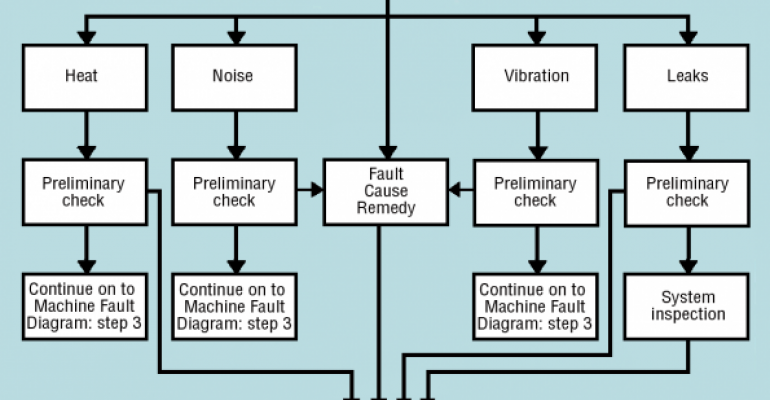
Common hydraulic system problems and their causes
Below are frequent issues and what usually causes them. Each listing includes quick checks and fixes.
Leaks
- Cause: damaged seals, loose fittings, cracked hoses, or worn components.
- Check: visual inspection, feel for wetness, use clean cloth.
- Fix: tighten fittings, replace seals or hoses, clean mating surfaces.
Slow or weak movement
- Cause: low flow from pump, clogged filter, internal leakage in valves or cylinders.
- Check: measure flow rate, inspect filters, watch for external seepage.
- Fix: clean or replace filters, test pump output, repair or replace leaking components.
Pressure loss or fluctuations
- Cause: relief valve set wrong, pump wear, air in system, leak.
- Check: read pressure gauges at ports, watch for drops under load.
- Fix: adjust relief settings, bleed air, repair leaks, replace worn pump.
Overheating
- Cause: excessive flow through bypass, dirty oil, failed cooler, high ambient temperature.
- Check: monitor oil temperature, inspect cooler and lines, sample fluid condition.
- Fix: clean or replace cooler, change fluid, reduce duty cycle if needed.
Noise and vibration
- Cause: cavitation, air in fluid, worn pump, misalignment.
- Check: listen at pump and lines, look for foamy fluid, check suction conditions.
- Fix: ensure proper suction head, replace pump if damaged, tighten mounts.
Contamination
- Cause: dirty environment, poor maintenance, breached seals.
- Check: particle counts, fluid clarity, filter condition.
- Fix: flush system, change filter and fluid, improve sealing and housekeeping.
Sticking or slow valves
- Cause: varnish or debris, worn spools, improper pressure.
- Check: cycle valves manually, test response times.
- Fix: clean valve, replace cartridge, verify control signals.
These causes come up in most hydraulic system troubleshooting jobs. Start with the simplest checks and work toward complex tests. This saves time and avoids needless part swaps.

Step-by-step diagnostic process for hydraulic system troubleshooting
A clear path reduces errors. Follow these steps in order.
- Safety first
- Lock out power.
- Relieve system pressure.
- Wear eye and hand protection.
- Gather basic info
- Ask what changed before failure.
- Note machine behavior, sounds, and time of day.
- Visual and smell check
- Look for wet spots, cracks, or damaged hoses.
- Smell fluid for burning or contamination.
- Check fluid level and condition
- Low level causes cavitation and pump wear.
- Discolored, milky, or gritty oil signals contamination or water.
- Inspect filters and breathers
- Clogged filters reduce flow and cause overheating.
- Replace element and check differential pressure.
- Test pressure and flow
- Use a pressure gauge at test ports.
- Measure flow at the pump and actuator.
- Isolate components
- Bypass valves or disconnect sections to find the faulty area.
- Test pump independently when safe.
- Check electrical and control systems
- Verify solenoid operation, wiring, and control signals.
- Look for PLC faults or sensor errors.
- Listen and feel
- Hand-feel for excessive heat on hoses.
- Use a stethoscope to locate valve or pump noise.
- Document and repair
- Record readings before changing parts.
- Replace parts based on evidence, not just suspicion.
- Test under load after repair
- Run the system slowly at first.
- Monitor pressure, temperature, and leaks.
Common tools for these steps include pressure gauges, flow meters, thermometer, digital multimeter, and a basic hand tool set. Good records help solve repeat issues faster.

Preventive maintenance and best practices
Routine care cuts failures. Use a simple plan you can follow.
Daily checks
- Visual inspection for leaks or loose parts.
- Check fluid level and temperature.
Weekly or monthly tasks
- Replace breathers if dirty.
- Inspect hoses, clamps, and mounts.
Quarterly or annual tasks
- Change fluid and filter according to hours or condition.
- Sample oil for particle counts and water content.
Best practices
- Keep the reservoir clean and covered.
- Use the correct fluid viscosity and additives.
- Match filter ratings to system needs.
- Train operators on soft-start and load limits.
- Keep spare critical parts on hand.
A steady program reduces the need for hydraulic system troubleshooting and extends the life of components.
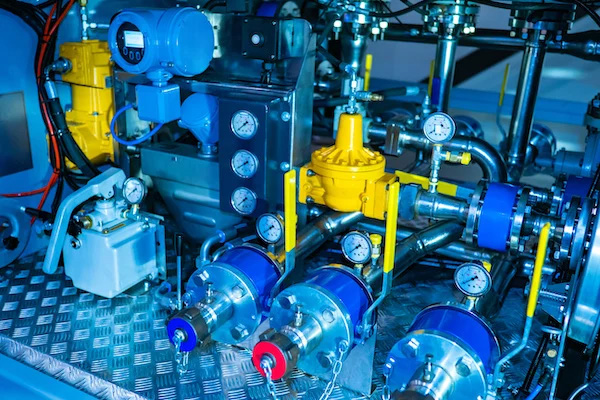
Tools and test equipment for hydraulic system troubleshooting
Use the right gear. Here are essential tools.
- Pressure gauges with proper range and fitting.
- Portable flow meter for pumps and actuators.
- Thermal camera or infrared thermometer to find hot spots.
- Particle counter or simple filter patch kit for contamination checks.
- Digital multimeter for electrical checks.
- Hose and fitting tools to tighten and replace lines safely.
Advanced tools
- Portable data logger to track pressure and temperature over time.
- Vibration analyzer for pump and motor issues.
- Particle analysis lab service for detailed contamination reports.
Good tools make hydraulic system troubleshooting faster and more accurate.

Real-world examples and personal experience
I once fixed a loader that had jerky boom motion. The machine had no visible leak. I followed the diagnostic steps. I found a clogged pressure-compensated flow divider. After cleaning and replacing the filter, motion smoothed. The owner saved thousands compared to replacing major components.
Lessons learned
- Start with simple checks. Many calls were a low fluid level or a plugged breather.
- Document settings before change. I once lost track of relief settings and caused repeated failures.
- Keep clean fluid. Contamination has been the hidden cause in about 60% of my field repairs.
Common mistakes to avoid
- Replacing parts without data.
- Ignoring the reservoir and breathers.
- Overlooking operator changes or new attachments.
These stories show practical value of a methodical approach to hydraulic system troubleshooting.
Troubleshooting checklist and quick reference
Use this quick checklist on site.
- Is the system powered off and safe?
- Is fluid level correct and fluid clean?
- Are there visible leaks or damaged hoses?
- Are filters clean or clogged?
- Do pressure and flow meet specs at the pump?
- Are temperatures within normal range?
- Is air or cavitation present at the pump suction?
- Are electrical controls and solenoids working?
- Have new attachments or loads been added recently?
- After fixes, run test under real load and monitor.
Keep this list on your phone or clipboard during inspections. It speeds up hydraulic system troubleshooting.
Related concepts and advanced topics
Understanding related areas helps diagnose complex issues.
Servo and proportional valves
- These control flow precisely and can fail electrically or hydraulically.
Hydrostatic drives
- Troubleshooting needs both hydraulic and mechanical checks.
Filtration technology
- Filter beta ratios and absolute ratings affect contamination control.
System design factors
- Poor layout, undersized hoses, and inadequate reservoir capacity cause recurring faults.
Control integration
- PLC errors, sensor drift, and software updates can affect hydraulic response.
Safety standards and codes
- Follow local and industry safety rules for testing and repairs.
Knowing these topics improves the success of hydraulic system troubleshooting.
Frequently Asked Questions of Hydraulic System Troubleshooting
What is the first step in hydraulic system troubleshooting?
Always ensure safety by isolating power and relieving system pressure. Then perform a visual inspection for leaks, damage, and fluid condition.
Can I fix a hydraulic leak myself?
Small external leaks at fittings can be tightened by trained personnel. For seals, hoses, or internal leaks, professional repair is safer and more reliable.
How often should hydraulic fluid be changed?
Change intervals vary, but check fluid condition regularly and replace based on hours, contamination levels, or manufacturer guidance. Sampling helps set the right schedule.
How do I know if my pump is failing?
Signs include low pressure, metal particles in fluid, excessive noise, and heat. Pressure and flow tests confirm pump health.
What causes sudden loss of hydraulic power?
Common causes are a tripped relief valve, pump failure, severe leak, or contamination blocking flow. Systematic pressure and flow checks locate the fault.
Conclusion
Hydraulic system troubleshooting is a practical skill. Use a safe, step-by-step process to find root causes. Start with simple checks. Measure pressure and flow. Keep fluid clean and follow a maintenance plan. With the right tools and habits you can cut downtime and avoid costly repairs.
Take action: review your maintenance routine today, make a small checklist from this guide, and try the key diagnostic steps on your next issue. Share your experiences or ask a question below to get tailored advice.

