

Most Honda Civic AC problems stem from low refrigerant, faulty blower, or simple electrical faults.
I’ve spent years diagnosing and fixing car climate systems, and this Honda Civic Ac Troubleshooting guide brings clear steps, real tips, and safety notes so you can find and fix AC issues fast. Read on for practical checks, common causes, cost ranges, and when to call a pro.

36% off Today’s Exclusive Deals
Limited-time Exclusive Deals. Check current discount on Amazon.
Check Price on Amazon As an Amazon Associate I earn from qualifying purchases.

Common Honda Civic AC Problems and Causes
Honda Civic Ac Troubleshooting starts with spotting symptoms. A no-cool cabin, weak airflow, strange smells, or unusual noises can point to different parts of the system. Knowing the likely causes helps you target the right tests.
Common symptoms and likely causes
- No cold air: low refrigerant, failed compressor clutch, or blocked condenser.
- Weak airflow: clogged cabin filter, failing blower motor, or fan resistor issue.
- Warm only at idle: failing compressor, low refrigerant, or bad condenser airflow.
- Strange smells: mold in evaporator or clogged drain causing mildew.
- Clicking or grinding noises: worn compressor or debris in the compressor clutch.
Why these problems happen
- Refrigerant leaks are common on older hoses, o-rings, and service ports.
- Electrical faults include blown fuses, bad relays, or damaged wiring.
- Mechanical wear affects compressors, blower motors, and blend door actuators.
- Lack of maintenance allows filters and condensers to clog, reducing performance.
My experience: I’ve seen many Civic AC issues solved by replacing a cabin filter or topping refrigerant instead of expensive parts. That’s why Honda Civic Ac Troubleshooting often starts with simple checks.

Step-by-Step Honda Civic AC Troubleshooting Guide
Follow these steps in order. They are low-risk and quick to do. Use simple tools first before moving to advanced diagnostics.
- Confirm the symptom
- Turn the AC to the coldest setting and high fan.
- Note airflow strength, temperature, and any noises or smells.
- Check cabin airflow and filters
- Inspect and replace the cabin air filter if dirty.
- Verify vents open and the blower works on all speeds.
- Inspect fuses and relays
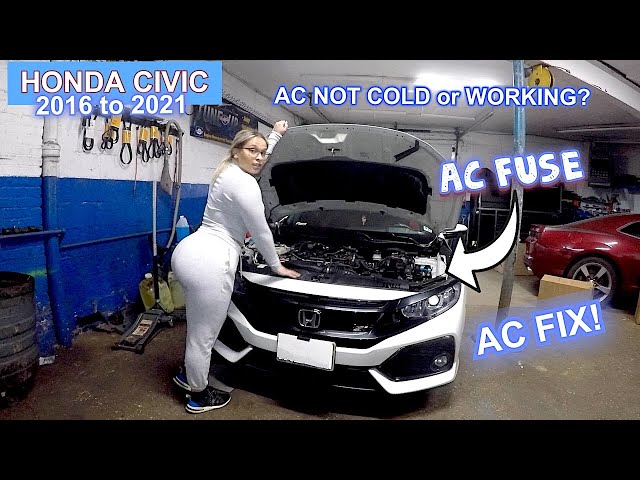
- Locate the fuse box and check AC-related fuses.
- Swap or test the AC relay if the compressor won’t engage.
- Look under the hood
- Check the condenser for debris and the radiator fan operation.
- Inspect AC lines and hose fittings for oil residue that signals leaks.
- Test compressor engagement
- With engine running and AC on, watch the compressor clutch.
- If clutch doesn’t engage but power is present, the clutch or low refrigerant may be the issue.
- Measure refrigerant pressure (advanced tool)
- Use AC gauges designed for R-134a systems to read high and low side pressures.
- Low pressure with no heavy frost may mean a leak. High low-side pressure indicates restriction or bad compressor.
- Perform a leak check
- Use UV dye or an electronic leak detector to find refrigerant leaks.
- Inspect O-rings, hose crimps, and service ports carefully.
- Check the blower motor and resistor
- If blower works only on one speed, the resistor pack can be faulty.
- If blower is silent, test for 12V at the motor.
- Inspect blend door actuators
- If heat mixes with cold air unpredictably, a failing actuator or control unit may be at fault.
- Consider the evap and condenser
– A clogged evaporator or blocked condenser reduces cooling a lot.
- Clean the condenser and inspect the evaporator if accessible.
Safety notes
- Handling refrigerant requires certified equipment and sometimes certification. Avoid venting refrigerant to the air.
- Always disconnect the battery before working on electrical components.
People also ask
- How do I know if the compressor is dead? A dead compressor usually won’t engage the clutch and you’ll get warm air at all speeds.
- Can low coolant affect AC? Engine coolant doesn’t directly affect AC cooling, but engine overheating can reduce AC performance.
This ordered approach keeps Honda Civic Ac Troubleshooting logical and safe. Start simple. Replace filters and check fuses before using gauges or charging refrigerant.

Tools, Parts, and Estimated Costs for Honda Civic Ac Troubleshooting
Typical tools you’ll need
- Basic hand tools: screwdrivers, pliers, socket set.
- Multimeter for electrical checks.
- AC manifold gauge set and vacuum pump for refrigerant service (for certified users).
- UV dye kit or electronic leak detector.
Common parts and rough costs
- Cabin air filter: $10 to $30.
- Fuses and relays: $2 to $25.
- Blower motor: $50 to $200.
- AC compressor: $300 to $800 plus labor.
- Condenser: $150 to $400.
- Refrigerant recharge (R-134a): $50 to $150 depending on leak repair.
My note: Simple parts are cheap. Most Honda Civic Ac Troubleshooting issues cost little when they’re filters, fuses, or relays, and escalate if compressors or condensers need replacement.

When to DIY and When to Visit a Professional
DIY is fine for:
- Replacing the cabin filter.
- Checking and replacing fuses and relays.
- Cleaning the condenser and clearing debris.
- Diagnosing blower motor issues.
Call a professional when:
- You must handle refrigerant charging or recovery.
- You detect leaks that need brazing or major hose replacement.
- The compressor or evaporator needs replacing.
- Electrical diagnostics require module-level testing.
Why pros matter
- Certified shops have recovery machines and leak-testing equipment.
- They follow environmental rules for refrigerant handling.
- Warranty and liability protection when major parts are replaced.
Honda Civic Ac Troubleshooting can save money when you do basic checks. But refrigerant service and compressor swaps are best left to trained technicians.
Preventive Maintenance Tips to Avoid AC Breakdowns
Regular upkeep reduces common failures. Try these easy habits.
- Replace the cabin air filter every 12,000 to 15,000 miles or yearly.
- Wash the condenser area when you wash the car to keep airflow clear.
- Run the AC for a few minutes each week, even in winter, to keep seals lubricated.
- Inspect hoses and visible fittings at oil change intervals for signs of oil or leaks.
- Have a professional AC inspection every 2–3 years to check pressures and system health.
I once prevented a compressor failure by swapping a dirty cabin filter and cleaning the condenser during a routine oil change. Small steps like that make Honda Civic Ac Troubleshooting low-effort and high-impact.

Frequently Asked Questions of Honda Civic Ac Troubleshooting
What should I check first if my Civic AC blows warm air?
Check the cabin air filter, then fuses and relays. If those are fine, inspect condenser airflow and compressor engagement.
Can I recharge my Honda Civic AC myself?
You can recharge small amounts using a DIY kit, but leak diagnosis and proper evacuation need professional tools and certification for safety and legality.
How long does an AC compressor last in a Civic?
A well-maintained AC compressor can last 8–12 years. Damage from low refrigerant or debris can shorten that lifespan.
Why does AC cool at speed but not at idle?
This often means low refrigerant, poor condenser airflow, or a weak compressor that struggles at low RPMs.
Is a hissing noise from AC bad?
Hissing can indicate a refrigerant leak or low pressure. Inspect lines and fittings for oil residue and get a leak test if needed.
How much does a professional AC recharge cost?
Typical recharge costs range from $100 to $200 when done by a shop, depending on region and whether a leak repair is required.
Wrap up and next steps
You now have a practical Honda Civic Ac Troubleshooting plan: start with filters, fuses, and airflow, then move to compressor and refrigerant checks. Small fixes often solve big problems and keep costs low. Try the easy checks first, keep safety in mind, and call a certified technician for refrigerant work or major repairs. If this guide helped, leave a comment, share your AC story, or subscribe for more hands-on car tips.

