

Automotive AC troubleshooting usually starts with checking airflow, refrigerant level, and electrical faults.
I have spent years diagnosing and fixing car AC systems. This guide on Automotive AC Troubleshooting walks you through the why, the how, and the safe fixes. You will learn clear steps, simple tests, common causes, and when to call a pro. Expect practical tips from hands-on experience and easy language you can use today.

36% off Today’s Exclusive Deals
Limited-time Exclusive Deals. Check current discount on Amazon.
Check Price on Amazon As an Amazon Associate I earn from qualifying purchases.
How Automotive AC Systems Work — Quick Overview
An AC system cools cabin air by moving refrigerant through a set of parts. Key parts include the compressor, condenser, evaporator, expansion valve, drier/accumulator, and blower fan. The compressor pumps refrigerant. The condenser cools it. The evaporator absorbs heat from cabin air. Fans and controls move cool air inside.
Common control parts are the thermostat, pressure switches, and blend doors. Knowing basic flow helps with Automotive AC Troubleshooting. When one part fails, symptoms show up as low airflow, no cold air, or strange noises. This section sets the stage for simple tests and targeted repairs.
Common Symptoms and What They Often Mean
Cars show a few repeat signs when AC fails. Recognizing them saves time and money.
- Weak or warm airflow. Often low refrigerant or clogged cabin filter.
- No air at all. Could be a broken blower motor or fuse.
- Hissing or bubbling noise. Often a refrigerant leak.
- Compressor not engaging. Could be electrical, clutch, or low refrigerant.
- Bad smells. Usually mold in the evaporator or a dirty cabin filter.
Each symptom points to a small set of likely causes. Use this as a quick map during Automotive AC Troubleshooting. Keep notes as you test. They speed diagnosis.
Tools and Safety for Automotive AC Troubleshooting
Use basic tools for initial checks and proper gear for deeper work.
- Tools to start: basic socket set, multimeter, screwdrivers, flashlight, and pressure gauge.
- For refrigerant work: manifold gauge set, refrigerant scale, and leak detector.
- Safety gear: gloves, eye protection, and R134a-aware respirator if needed.
Never open the A/C system without the right gear and training. Refrigerant can harm you and the environment. If you must recover or recharge refrigerant, follow local laws. These rules matter in serious Automotive AC Troubleshooting.
Step-By-Step Troubleshooting Checklist
Follow these steps in order. They help avoid wasted effort.
- Visual check and cabin filter
- Look for blocked vents, leaves, or a dirty cabin filter. Replace the filter if dirty.
- Check fuses and relays
- Inspect the AC fuse and compressor relay. Swap relays to test if needed.
- Verify blower operation
- Turn blower through all speeds. If it fails, test for voltage at the motor.
- Test compressor clutch
- With engine running and AC on, watch if the clutch engages. If not, test voltage at clutch coil.
- Measure pressures
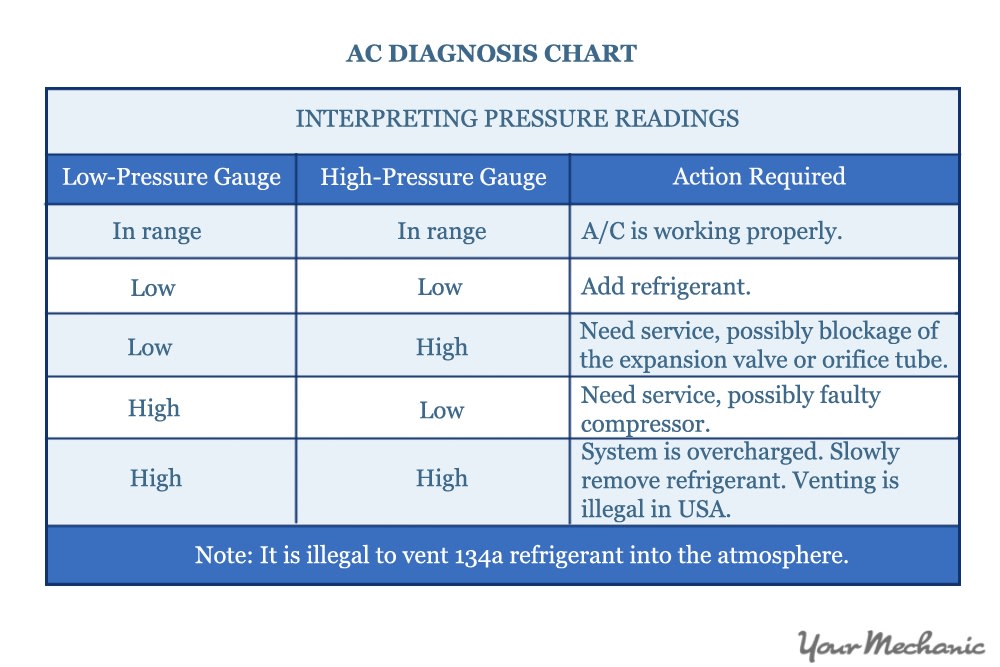
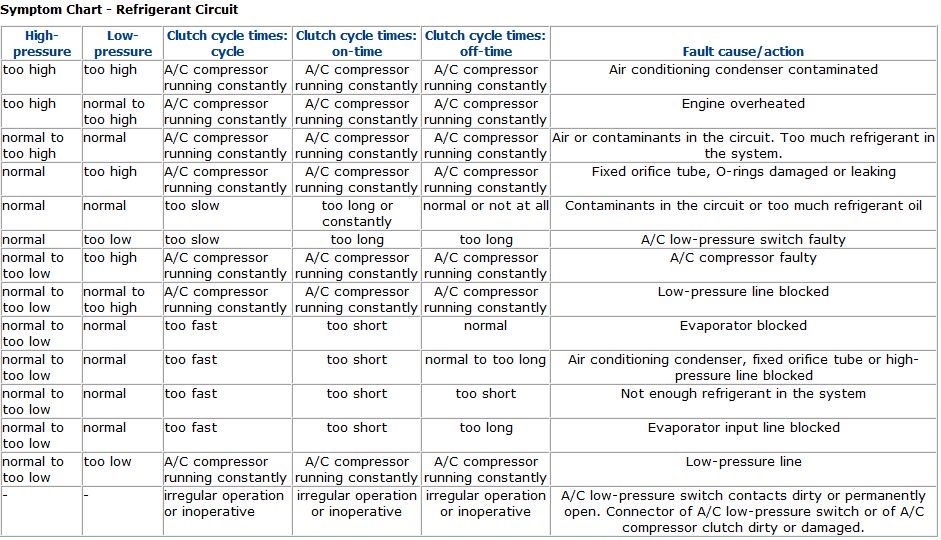
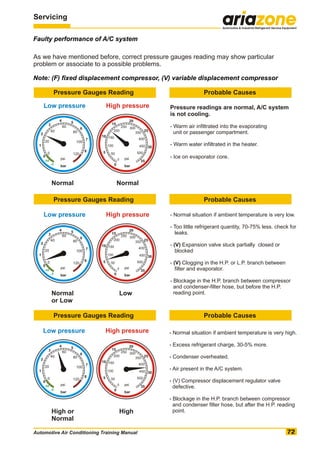
- Use gauges to read high and low side pressures. Normal idle pressures vary by temp, but very low low-side suggests low refrigerant.
- Check for leaks
- Use a leak detector or UV dye to find oil or refrigerant loss.
- Inspect condenser and cooling fans
- Bent fins or broken fans reduce cooling. Clear debris and test fan operation.
Repeat tests after each fix. This checklist structures Automotive AC Troubleshooting and narrows down the fault.

DIY Fixes You Can Try Safely
Try simple fixes before paying high shop fees. Only do refrigerant recharges if legal and you know how.
- Replace cabin filter. This often restores airflow and reduces odor.
- Clear debris from condenser. A few minutes can help cooling efficiency.
- Tighten loose electrical connectors. Corrosion or loose wires cause many failures.
- Swap a faulty relay. Relays are cheap and easy to test.
- Recharge refrigerant after confirming no major leaks. Use correct type and follow instructions.
If the compressor clutch or evaporator is faulty, call a shop. Complex work needs tools and training. These DIY steps are the most effective start to Automotive AC Troubleshooting.

When to Call a Professional
Some problems need an AC tech. Call a pro if you see any of these:
- Signs of a major refrigerant leak or you cannot find a leak.
- Compressor noise, seized compressor, or burned wiring.
- High-pressure readings or a faulty expansion valve.
- Air smells like mildew after filter change; evaporator clean may be needed.
- You lack tools or legal clearance to handle refrigerant.
A certified technician has recovery machines, vacuum pumps, and leak test gear. Calling early can prevent more damage and higher repair bills. Good shops also give warranties on parts and labor. This makes professional help a wise choice in deeper Automotive AC Troubleshooting.

Preventive Maintenance to Avoid Trouble
Small steps keep your AC reliable and save money over time.
- Run the AC monthly, even in winter, for 10 minutes to keep seals lubricated.
- Replace cabin filter every 12,000–15,000 miles or when dirty.
- Clean condenser fins and remove debris during oil changes.
- Check belts and hoses for wear to avoid sudden failures.
- Have a pro inspect system every 2–3 years for leaks and performance.
Routine care reduces many common failures. Preventive work makes future Automotive AC Troubleshooting rare and simple.
PAA-Style Questions (People Also Ask)
What causes an AC to blow warm air in a car?
Low refrigerant, a failed compressor, clogged condenser, or blend door issues often cause warm airflow. Check pressures and airflow first.
How do I check if my AC compressor is working?
Turn the AC on and watch the compressor clutch; it should engage. If not, test for power at the clutch and inspect the relay and pressure switches.
Can I recharge my car AC myself?
You can if you have correct tools, knowledge, and local legal permission. Always test for leaks before charging and follow safety rules.
Is a hissing sound always a refrigerant leak?
Hissing often points to a small leak or pressure equalization. Use a detector or dye to confirm, since other valves can also make noise.
How much does professional AC repair usually cost?
Minor fixes like filters or relays are low cost. Compressor or evaporator work can be several hundred to over a thousand dollars. Get a written estimate.
Personal Experience, Tips, and Mistakes to Avoid
I once chased a low-cool problem for hours before spotting a crushed suction hose under the hood. The fix was simple and cheap. That taught me to always start with a visual check.
Tips from the field:
- Label connectors before unplugging them. It saves time.
- Keep a small kit in the car: spare fuses, a pocket multimeter, and a flashlight.
- Note ambient temperature when testing, since AC performance changes with heat.
Common mistakes to avoid:
- Recharging refrigerant without finding leaks first.
- Ignoring odd sounds until the compressor fails.
- Trying to repair sealed components without training.
These lessons speed real-world Automotive AC Troubleshooting and cut repair costs.
Frequently Asked Questions of Automotive Ac Troubleshooting
What is the first thing to check if my AC is not cooling?
Start with the cabin filter, fuses, and blower operation. These are easy to inspect and often fix the issue.
How do I know if the AC compressor is bad?
Look for a clutch that won't engage, loud grinding noise, or metal shavings in the system oil. A failed compressor usually needs replacement.
Can low refrigerant cause the compressor to not engage?
Yes. Low refrigerant triggers pressure switches that stop the compressor to protect the system. Refill only after checking for leaks.
Why does my AC blow cold sometimes and warm other times?
Intermittent cooling can stem from low refrigerant, a weak compressor clutch, thermal expansion valve issues, or electrical faults. Diagnose with pressure checks and inspection.
How often should I get my car AC serviced?
A basic check every 2–3 years is good. Service more often if you notice reduced cooling, noises, or strange smells.
Conclusion
Automotive AC Troubleshooting is about careful checks, simple tests, and smart decisions. Start with visual and electrical checks, test pressures, and address small fixes first. Use proper tools, mind safety, and call a pro for sealed-system work or major parts. Apply the tips here to save time and money, and keep your ride cool and reliable. Try the checklist on your next AC issue, subscribe for more auto tips, or leave a comment with your AC question.

