

Most Pulsar generator faults stem from fuel, battery, or routine maintenance issues that are easy to find and fix.
I’ve worked with portable and standby generators for over a decade, and I use that hands-on experience to guide clear, safe Pulsar Generator Troubleshooting. This article breaks down how a Pulsar generator works, the most common faults, step-by-step fixes, tools you need, and when to call a pro. Read on to get practical checks, safety tips, and real-world advice that will help you diagnose and repair most Pulsar generator problems quickly and confidently.

36% off Today’s Exclusive Deals
Limited-time Exclusive Deals. Check current discount on Amazon.
Check Price on Amazon As an Amazon Associate I earn from qualifying purchases.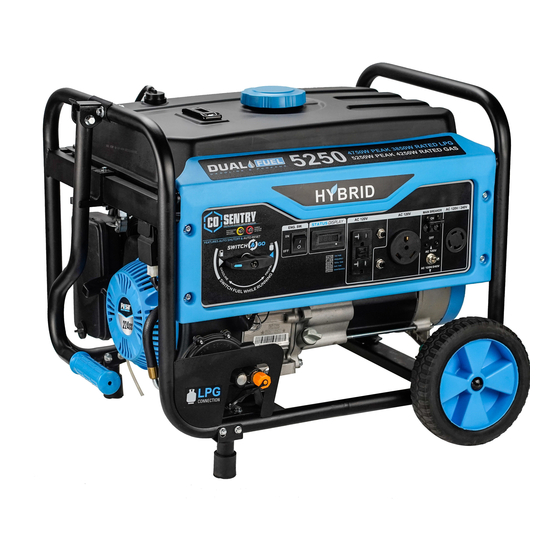
How a Pulsar Generator Works and why troubleshooting matters
A Pulsar generator converts fuel into electric power using an engine and an alternator. The engine spins the alternator. The alternator produces AC power. A control panel manages output and protections. Understanding this flow helps with Pulsar Generator Troubleshooting. When one link fails, the unit may not start or may run poorly. Simple checks usually find the issue fast.

Common problems with Pulsar generators and likely causes
A list of common signs to watch for makes troubleshooting faster. The most frequent issues are simple to spot.
- Unit won’t start. This often means empty fuel, a dead battery, a clogged carburetor, or a bad spark plug.
- Starts then stalls. Could be bad fuel, a dirty air filter, or a faulty fuel valve.
- Low or unstable output. May be due to poor connections, worn brushes, or voltage regulator issues.
- Oil or low-oil shutdowns. Caused by low oil, wrong oil type, or a faulty oil sensor.
- Overload trips. Too many devices or a short circuit on the load side.
Each of these signs points to a small set of possible causes. Use a methodical approach to narrow it down quickly.

Step-by-step Pulsar Generator Troubleshooting guide
Follow safe, ordered steps. Turn off the generator and let it cool before touching the engine or fuel system. Wear eye and hand protection.
-
Safety and prep
- Move the generator to a well-ventilated area.
- Disconnect all loads.
- Turn off the fuel valve before any fuel work.
-
Check fuel and fuel system
- Ensure the tank has fresh gasoline. Old fuel causes varnish and clogs.
- Smell the fuel. A sour or varnished smell means stale gas.
- Inspect the fuel line for cracks or blockages.
- Drain and replace fuel if it’s older than 30 days.
-
Inspect battery and starting system
- Test battery voltage with a meter. Less than 12.4V may not crank reliably.
- Clean terminals and tighten connections.
- If it’s a recoil start, ensure the pull rope and recoil spring function smoothly.
-
Spark plug and ignition
- Remove the spark plug and inspect the tip.
- Clean or replace if fouled, cracked, or worn.
- Check spark with a spark tester. If no spark, inspect ignition coil and wiring.
-
Air filter and intake
- A dirty air filter reduces power and causes stalling.
- Clean foam filters with soap and water; replace paper filters as needed.
- Ensure intake screen is clear.
-
Carburetor and fuel delivery
- Symptoms like rough idle and stalling often mean carburetor issues.
- Start with a fuel system cleaner and fresh gas.
- For persistent trouble, clean jets and float bowl or rebuild the carburetor.
-
Oil level and sensors
- Check oil level while the generator is level.
- Use the oil type recommended by Pulsar for your model.
- Replace faulty oil sensors if the engine shuts down despite correct oil.
-
Electrical output checks
- Use a multimeter to check AC output voltage without load.
- Test under load to confirm stable voltage near rated output.
- Inspect power outlets and wiring for loose or burnt connections.
-
Overload and transfer switch issues
- Reset overload protector once you reduce loads.
- For transfer switch faults, test switch contacts and wiring.
- Ensure the generator is not connected to the grid unless proper transfer switch is used.
-
Final run test
- Run the generator with a controlled load.
- Listen for odd noises and watch for smoke or smells.
- Monitor voltage and frequency for stability.
This ordered approach makes Pulsar Generator Troubleshooting easier and safer.

Tools and spare parts you should keep on hand
Being prepared speeds up repairs and reduces downtime. Keep this kit ready.
- Basic tools:
- Socket set, wrenches, screwdrivers, pliers, adjustable wrench
- Multimeter for voltage and continuity checks
- Spark tester and compression gauge
- Maintenance parts:
- Spare spark plugs
- Replacement air and fuel filters
- Fuel stabilizer and small container of fresh gas
- Small carburetor rebuild kit
- Engine oil in correct grade
- Safety gear:
- Gloves, safety glasses, rags, and a small fire extinguisher
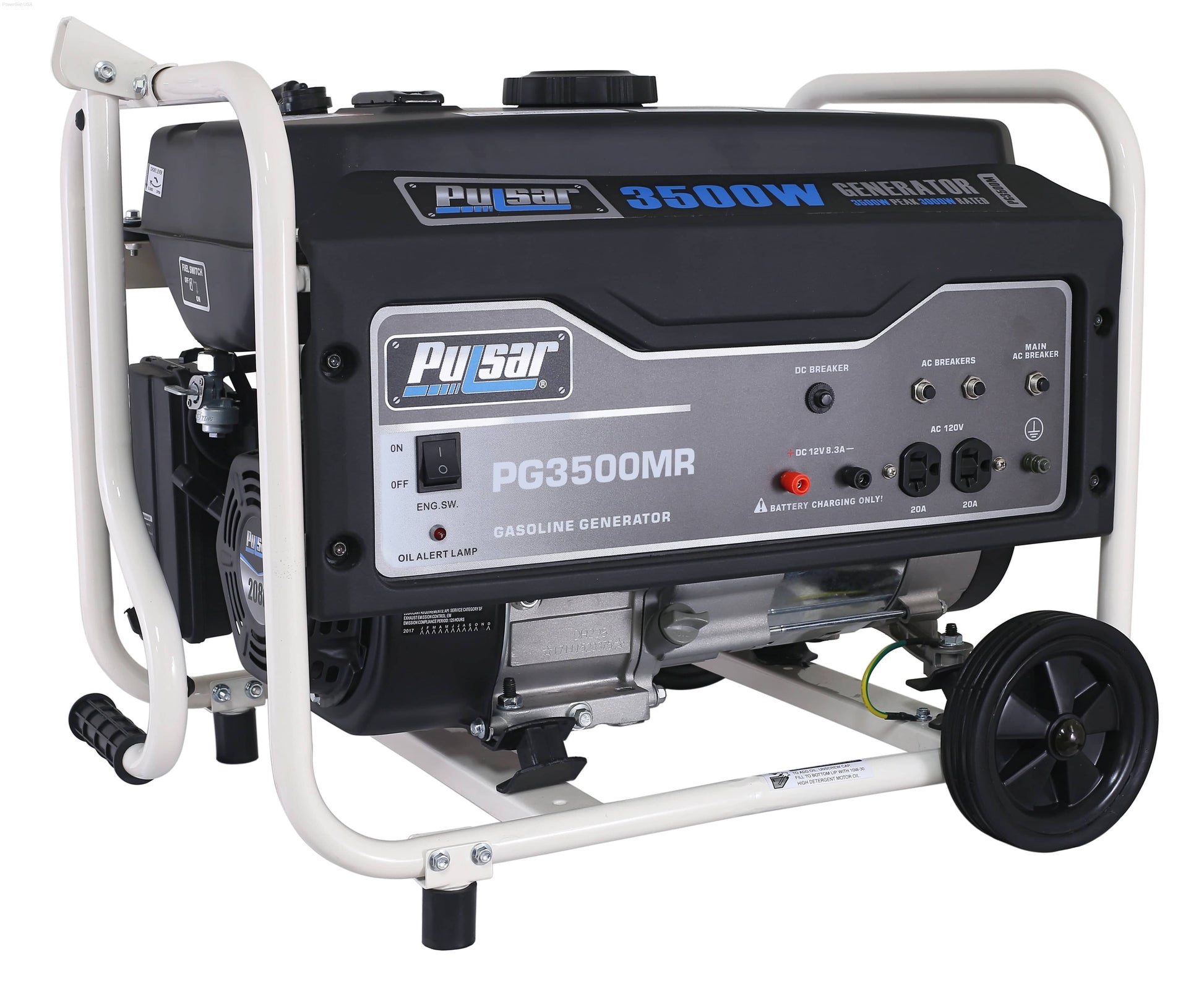
Having these items makes common Pulsar Generator Troubleshooting tasks quick and clean.
Preventive maintenance to avoid common failures
Regular care keeps your generator reliable. A short maintenance routine beats many breakdowns.
- After every use:
- Wipe down the unit and inspect for leaks.
- Run the engine for a few minutes to warm the oil.
- Monthly:
- Check fuel and oil levels.
- Clean the air filter if used often in dusty areas.
- Every 6 months:
- Change the oil and oil filter if applicable.
- Replace the fuel filter and inspect hoses.
- Test battery and charging system.
- Long-term storage:
- Add fuel stabilizer or drain fuel.
- Fog the engine if storing for months.
- Store in a dry, covered spot.
These steps reduce the need for frantic Pulsar Generator Troubleshooting during outages.
Advanced diagnostics and when to call a technician
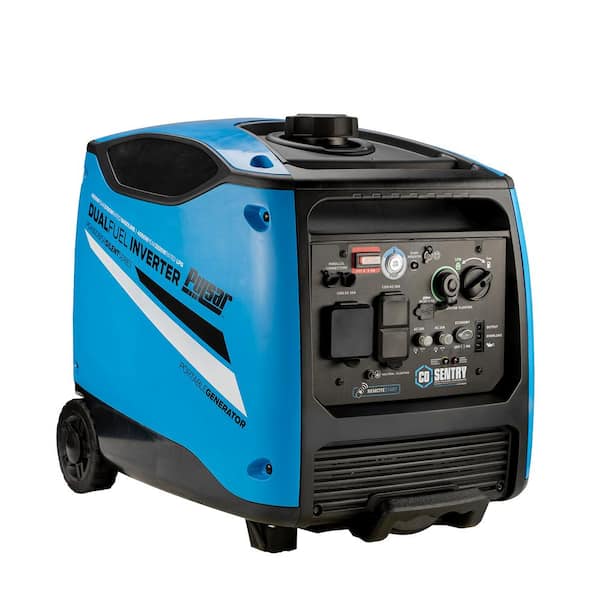
Some problems need deeper tools or factory knowledge. Know your limits.
- Use a compression test if the engine loses power despite good fuel and spark. Low compression points to worn rings or valve issues.
- If the alternator or AVR (automatic voltage regulator) fails, specialized replacement may be required.
- Electronic control issues or intermittent electrical faults are often best handled by a certified technician.
- If your unit is under warranty, contact Pulsar support rather than doing major repairs yourself.
Call a pro if you see heavy smoke, metal in the oil, or internal engine damage signs. These are not DIY fixes.

Personal experience, tips, and mistakes to avoid
I’ve repaired dozens of small generators. Here are lessons I learned the hard way.
- Lesson: Old gas is the silent killer. I fixed many no-starts by draining stale fuel. Now I label the last fill date.
- Tip: Keep a small jug of fresh gas for emergency testing. It saves time and guesswork during Pulsar Generator Troubleshooting.
- Mistake to avoid: Tightening everything blindly. Overtightening fittings causes stripped threads and more leaks.
- Tip: Log maintenance dates and notes on a sticker on the unit. It helps when you hand the unit to a tech or buy a used one.
These practical tips cut troubleshooting time and help you avoid repeat issues.
Frequently Asked Questions of Pulsar Generator Troubleshooting
Why won’t my Pulsar generator start?
Check fuel, battery voltage, spark plug, and fuel valve. Old fuel or a fouled plug are common causes and are easy to fix.
Why does my Pulsar generator lose power under load?
Most often it’s stale fuel, a clogged air filter, or low compression. Test fuel quality and filters first, then inspect internal engine health.
How often should I change the oil in my Pulsar generator?
Change oil after the first 20 hours, then every 50 to 100 hours depending on use. More frequent changes are needed in dusty or heavy-load conditions.
Can I run my Pulsar generator indoors?
No. Generators emit carbon monoxide. Always run your Pulsar generator outdoors in a well-ventilated area and away from windows or vents.
When should I rebuild the carburetor or call a technician?
If fuel cleaning and a rebuild kit do not restore smooth running, or if you lack the tools, call a technician. Carburetor jets and float issues can need precise tuning.
How do I test the output of my Pulsar generator?
Use a multimeter to measure AC voltage at the outlets with no load and then with a known load. Stable voltage near the rated output indicates healthy performance.
Conclusion
Pulsar Generator Troubleshooting becomes straightforward with a clear plan, the right tools, and a calm approach. Check fuel, battery, spark, and filters first. Keep up with basic maintenance and carry small spare parts. If advanced electrical or engine faults appear, call a qualified technician or use warranty support. Start applying these checks today to keep your generator ready when you need it. If this guide helped, try the troubleshooting steps on your unit, subscribe for more tips, or leave a comment with your issue and I’ll help troubleshoot further.

