

Most Chevy Aveo issues stem from simple maintenance, battery, sensor, or fuel-system problems.
I have worked on small cars and helped many owners with Chevy Aveo troubleshooting. This guide explains step-by-step checks, causes, fixes, and real-world tips so you can diagnose and repair common Aveo faults. Read on for clear, practical advice on Chevy Aveo troubleshooting that saves time and money.

36% off Today’s Exclusive Deals
Limited-time Exclusive Deals. Check current discount on Amazon.
Check Price on Amazon As an Amazon Associate I earn from qualifying purchases.
Common Chevy Aveo Problems
The most frequent Chevy Aveo troubleshooting topics are starting trouble, rough idle, check engine lights, and transmission slipping. These faults are often simple to find with basic tools. Older Aveos also show wear in brakes, suspension, and cooling parts. Knowing the typical failures helps you diagnose faster and avoid unnecessary repairs.
- Battery and starter failures: weak batteries and corroded terminals.
- Check Engine Light (CEL): faulty O2 sensors, MAF, or vacuum leaks.
- Rough idle and stalling: spark plugs, ignition coils, or clogged injectors.
- Transmission issues: slipping or delayed shifts in automatic models.
- Overheating: failing thermostat, low coolant, or radiator blockages.

Diagnostic Steps for Chevy Aveo Troubleshooting
Start with simple checks. A quick look can rule out the most common causes.
- Visual inspection: scan for leaks, loose hoses, and corrosion.
- Battery test: check voltage and load capacity with a meter.
- Scan for codes: use an OBD-II reader to pull trouble codes.
- Live data: inspect sensor readings like engine temp and O2 volts.
- Road test: note symptoms, RPM behavior, and shift timing.
Keep notes of code numbers and symptoms. These details speed up troubleshooting and help when consulting a mechanic or parts store.
Battery, Starting, and Charging Issues
Many Chevy Aveo troubleshooting cases begin with a no-start. Weak batteries, bad ground straps, and corroded terminals are common culprits. Test resting voltage; healthy batteries read about 12.6 volts. Under load, voltage should not drop below 10 volts.
- Clean battery terminals and cable ends.
- Test starter draw and alternator output if the battery is good.
- Replace batteries older than 4–5 years or showing low capacity.
- Check ground connections at the engine block and chassis.
From my experience, a cheap battery clamp cleaning often fixes a no-start and prevents repeated shop visits.
Engine Performance, Stalling, and Misfires
Chevy Aveo troubleshooting for engine issues usually focuses on ignition and fuel. Misfires often point to worn spark plugs or failing ignition coils. A clogged fuel filter or weak fuel pump can cause hard starts and loss of power.
- Inspect and replace spark plugs on schedule.
- Test ignition coils and swap coils between cylinders to isolate a bad one.
- Check fuel pressure for pump issues or a clogged injector.
- Look for vacuum leaks at intake gaskets and hoses.
I once traced a steady misfire to a cracked ignition coil boot on a 2006 Aveo. Swapping the coil with another cylinder made the problem jump, confirming the faulty coil.
Electrical, Sensors, and Warning Lights
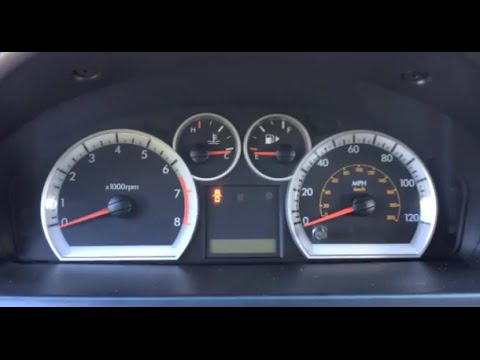
Modern Chevy Aveos rely on sensors to run well. The OBD-II codes guide you to the troubled sensor. Common sensor issues include oxygen sensors, MAP/MAF sensors, and coolant temperature sensors.
- Read CEL codes and note freeze-frame data.
- Clean MAF sensors with electronics cleaner when dirty.
- Replace O2 sensors if they show slow response or out-of-range values.
- Test coolant sensor resistance at cold and warm temps.
Sensor fixes often restore fuel economy and smooth idle. Always clear codes after repair and re-check to ensure the issue is resolved.

Transmission and Shifting Problems
Though less common, Chevy Aveo troubleshooting for the transmission can save a costly rebuild. Slipping, harsh shifts, or failure to engage often come from low fluid, old fluid, or internal wear.
- Check transmission fluid level and color. Burnt smell suggests trouble.
- Flush and replace fluid at recommended intervals if dirty.
- Inspect transmission mount and linkage for wear or misadjustment.
- Consider a professional scan for solenoid faults or pressure issues.
If shifting problems persist after fluid service, seek a transmission specialist for pressure tests. Early action often avoids full replacement.

Brakes, Suspension, and Ride Issues
Safety items like brakes and suspension need routine checks. Squeals, pulling, or vibration are common prompts for Chevy Aveo troubleshooting.
- Inspect brake pad thickness and rotor condition.
- Check brake fluid level and look for leaks.
- Examine shocks, struts, and sway bar links for wear.
- Align wheels if steering drifts or tires wear unevenly.
A quick brake pad change or shock swap can transform the driving feel and restore confidence.

Maintenance and Preventive Tips for Chevy Aveo Troubleshooting
Good maintenance stops many trips to the shop. Regular checks reduce surprise failures and improve safety.
- Follow the service schedule for oil, filters, and spark plugs.
- Replace coolant and brake fluid on recommended intervals.
- Keep tires inflated and rotated every 5,000–7,000 miles.
- Use quality parts to avoid repeat failures.
I recommend keeping a simple log of service dates and parts replaced. It helps with future troubleshooting and increases resale value.

Tools, Parts, and When to Visit a Mechanic
A small set of tools covers most Chevy Aveo troubleshooting tasks. But some jobs need a shop.
- Basic tools: socket set, multimeter, OBD-II scanner, and pliers.
- Consumable parts: filters, spark plugs, ignition coils, and belts.
- When to go to a pro: transmission work, major engine repairs, or complex electrical faults.
- Get a written estimate and ask about warranties before major repairs.
If a repair feels beyond your skills or needs specialized equipment, booking a reputable local mechanic is the safest step.
Troubleshooting Checklist
Use this checklist to guide your Chevy Aveo troubleshooting and keep the process organized.
- Check battery voltage and terminals.
- Read OBD-II codes and record them.
- Inspect air and fuel filters.
- Look for vacuum leaks and loose hoses.
- Test ignition components and swap coils to confirm.
- Check transmission fluid condition and level.
- Verify coolant levels and thermostat operation.
- Road test and note exact symptoms and conditions.
Keep this list in your glovebox or phone for quick use during roadside checks.
Frequently Asked Questions of Chevy Aveo Troubleshooting
What should I check first if my Aveo won't start?
Start with the battery: check voltage, terminals, and fuses. If the battery is good, scan for codes and listen for the fuel pump prime.
Why is my Aveo running rough and losing power?
Common causes include bad spark plugs, failing ignition coils, or fuel delivery issues. Pulling engine codes and checking fuel pressure will help pinpoint the problem.
How often should I replace spark plugs on a Chevy Aveo?
Replace spark plugs every 30,000 to 60,000 miles depending on type and condition. Inspect them sooner if you notice misfires or poor fuel economy.
Can a bad oxygen sensor trigger the check engine light?
Yes, a failing O2 sensor commonly triggers the check engine light and can cause poor fuel economy. Replacing a slow or out-of-range sensor usually clears related codes.
When should I see a mechanic for transmission problems?
See a mechanic if you notice slipping, burning smell, or delayed engagement after checking fluid levels. These signs may indicate internal wear needing professional diagnostics.
Is it safe to drive with a check engine light on?
It depends on the light. A steady light often allows cautious driving to a shop, but a flashing light indicates severe misfire and should be addressed immediately. Have codes read to decide next steps.
How do I find vacuum leaks on my Aveo?
Listen for hissing sounds and inspect hoses for cracks or loose clamps. You can also use carb cleaner or propane around the intake while the engine runs to spot changes in RPM.
Conclusion
This Chevy Aveo troubleshooting guide gives clear steps to diagnose and fix common issues. Use the checklist, simple tools, and OBD-II data to narrow problems quickly. Start with easy fixes, keep good records, and get professional help when needed. Try these steps on your Aveo, leave a comment with your results, or subscribe for more car repair guides.

