

Most outboard motor issues stem from fuel, spark, or electrical faults—check fuel and spark first.
I have decades of hands-on experience diagnosing and repairing boats. This guide on Outboard Motor Troubleshooting breaks problems into clear steps you can follow. Read on to learn how to find the fault, fix common failures, and avoid repeat issues with practical tips from real service work.

36% off Today’s Exclusive Deals
Limited-time Exclusive Deals. Check current discount on Amazon.
Check Price on Amazon As an Amazon Associate I earn from qualifying purchases.
Understanding Outboard Motor Basics
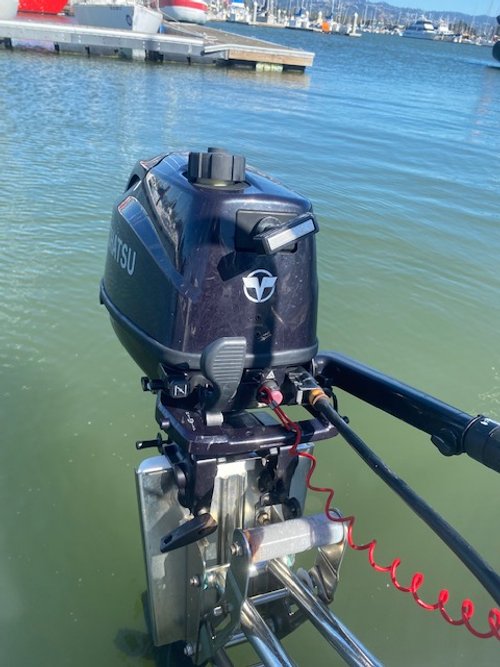
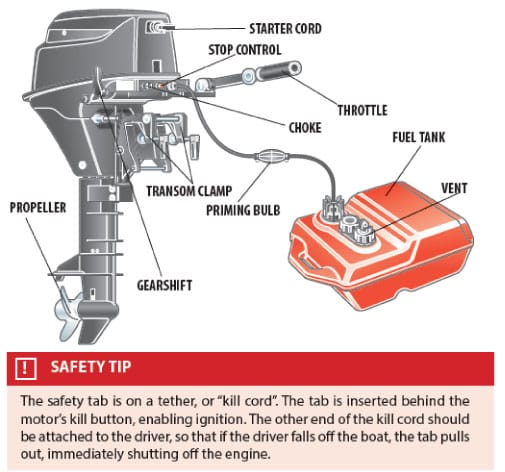
Outboard Motor Troubleshooting starts with knowing the engine parts. An outboard has a fuel system, ignition system, cooling system, and lower unit. Each system can fail in ways that cause no start, poor power, overheating, or leaks.
Simple checks often find the problem. Learn basic terms like carburetor, fuel pump, spark plug, impeller, and gearcase. Knowing parts makes troubleshooting faster and safer.
Common Problems and Their Causes
Outboard Motor Troubleshooting focuses on frequent failures. Below are common symptoms and likely causes.
- Engine won’t start
- Empty tank, stale fuel, clogged filter, dead battery, or bad spark plugs.
- Engine starts then dies or rough idle
- Water in fuel, blocked fuel lines, carburetor issues, or incorrect idle mix.
- Overheating
- Worn impeller, blocked cooling passages, or low coolant flow.
- Loss of power or poor acceleration
- Fuel restriction, bad compression, prop damage, or fouled spark plugs.
- Charging or electrical failure
- Faulty stator, bad regulator/rectifier, or corroded wiring.
- Excessive vibration or noise
- Bent prop, cavitation, or failing motor mounts.
- Gearcase leaks or grinding gears
- Damaged seals, water in gear oil, or worn gears.
Each of these fits into a system to check. Triage quickly by isolating fuel, spark, electrical, cooling, and mechanical systems.
Step-by-Step Outboard Motor Troubleshooting Checklist
Follow this checklist to find problems fast. Work methodically and keep notes.
- Safety first
- Put the engine in neutral and disconnect battery when working on electrical parts. Wear gloves and eye protection.
- Visual inspection
- Look for loose wires, cracked hoses, fuel leaks, and corrosion.
- Fuel system check
- Confirm fresh fuel. Replace inline filters. Siphon a small sample to check for water or varnish.
- Spark and ignition
- Remove spark plugs and inspect. Check for spark with a spark tester. Replace weak or fouled plugs.
- Battery and starting system
- Test battery voltage and connections. Clean terminals and confirm starter engages.
- Compression test
- Use a gauge to check cylinders. Low compression points to internal wear or head gasket issues.
- Cooling system test
- Inspect water pickup, impeller, and thermostat. Check for an even telltale stream or thermal distress.
- Prop and lower unit
- Inspect prop for dings and shaft straightness. Check gear oil for water contamination.
- Electrical charging test
- Measure charging voltage at battery with engine running. Low charge suggests stator or regulator problems.
- Road-test and verify fix
- Test on the water or with a safe load. Listen and watch for return of the original symptom.
Repeat checks if problems persist. Always replace suspect parts rather than chasing marginal readings.
Tools, Parts, and Safety for Troubleshooting
Good tools make Outboard Motor Troubleshooting easier and safer.
- Essential tools
- Spark tester, compression gauge, multimeter, fuel pressure gauge, impeller tool, and prop wrench.
- Replacement parts to carry
- Spark plugs, fuel filter, impeller, fuses, and a basic hose kit.
- Safety gear and tips
- Eye protection, gloves, fire extinguisher, and a kill switch lanyard. Work in a ventilated area when running the engine.
I learned early to keep spares on the boat. A spare spark plug and fuel filter once saved a weekend trip.

Diagnostic Tests and What Results Mean
Targeted tests narrow down faults fast. Here are simple diagnostics and what they reveal.
- No spark on plug
- Ignition coil, pickup, CDI box, or kill switch issue.
- Poor fuel flow under load
- Clogged filter, failing pump, or collapsed primer bulb.
- Low compression reading
- Piston rings, valves, or head gasket problems.
- Overheating with poor water stream
- Bad impeller, blocked passages, or thermostat stuck closed.
- Gear oil milky or smelling like fuel
- Water intrusion or fuel leak into gearcase.
Record numbers when you test. That helps if you call a mechanic or order parts.

Maintenance to Prevent Future Problems
Routine care reduces the need for Outboard Motor Troubleshooting. Follow a seasonal checklist.
- After each run
- Flush cooling system with fresh water and inspect for leaks.
- Monthly or 50-hour checks
- Change lower unit oil, inspect prop, and check fuel filters.
- Annually or 100-hour service
- Replace impeller, inspect fuel lines, check fuel tank vents, and service carburetors or fuel injectors.
- Winterize for storage
- Stabilize fuel, fog cylinders, and remove battery or keep it on a tender charger.
From my experience, a neglected impeller and stale fuel cause half of startup problems.

When to Repair Yourself and When to Call a Pro
Do basic Outboard Motor Troubleshooting yourself. Replace plugs, filters, impellers, and clean carburetors at home. More complex work needs pro help.
- DIY-friendly tasks
- Spark plug change, filter swaps, impeller replacement, and simple electrical checks.
- Call a technician for
- Gearcase overhauls, major electrical diagnostics, crank or piston issues, and fuel injection calibration.
If you lack tools or are unsure, get a quote first. A wrong repair can cost more than the service call.

People Also Ask
Why won’t my outboard start after sitting all winter?
Stale fuel and varnish in the carb or fuel pump often block fuel flow. Replace the fuel, clean filters, and check for drained fuel lines.
How do I know if my impeller is bad?
A failing impeller reduces or stops water flow and causes overheating. Inspect the impeller for cracks, missing fins, or soft rubber.
Can a bad prop cause engine problems?
Yes. A bent or damaged prop can reduce efficiency, cause vibration, and lead to poor acceleration or overheating.
Frequently Asked Questions of Outboard Motor Troubleshooting
What is the first thing to check when an outboard won’t start?
Check fuel level, fuel quality, and the kill switch. Then inspect spark plugs for spark and condition.
How do I check for water in my fuel?
Siphon a small sample into a clear container and look for separation or droplets. Water sinks and fuel floats, making it visible.
How often should I change the impeller?
Inspect annually and replace every 1–3 years depending on hours and conditions. Saltwater use usually means more frequent changes.
Why does my outboard overheat at idle but cool at speed?
Restricted cooling passages or marginal impeller performance can drop flow at low RPMs. Clean cooling passages and inspect the impeller.
Is it safe to run an outboard without the cowling?
Running briefly for diagnostic checks can be done with care, but avoid extended runs. Cowling protects wiring and reduces risk from moving parts.
What does milky gear oil mean?
Milky oil indicates water contamination in the lower unit. This needs prompt service to prevent gear damage.
How do I prevent corrosion on electrical parts?
Use dielectric grease on terminals, apply corrosion inhibitor, and keep connections dry. Regular inspection prevents surprises.
Conclusion
Outboard Motor Troubleshooting becomes manageable with a clear plan. Start with fuel, spark, and battery checks, then move to cooling and mechanics. Use simple tests, keep basic spare parts, and do regular maintenance to avoid most problems. If a repair is beyond your tools or comfort, hire a pro to prevent costly mistakes. Try the checklist on your next problem, subscribe for updates, or leave a comment with your own troubleshooting story.

