

Most Ryobi line trimmer issues stem from battery, spool, or air/fuel problems that need simple fixes.
I have repaired dozens of yard tools and trained technicians on small engine care, so I know Ryobi line trimmer troubleshooting inside out. This guide walks you through clear diagnoses, step-by-step fixes, and tips to keep your trimmer running strong. Expect practical checks, safety notes, and real-life tricks that save time and money.

36% off Today’s Exclusive Deals
Limited-time Exclusive Deals. Check current discount on Amazon.
Check Price on Amazon As an Amazon Associate I earn from qualifying purchases.
Common problems and quick causes
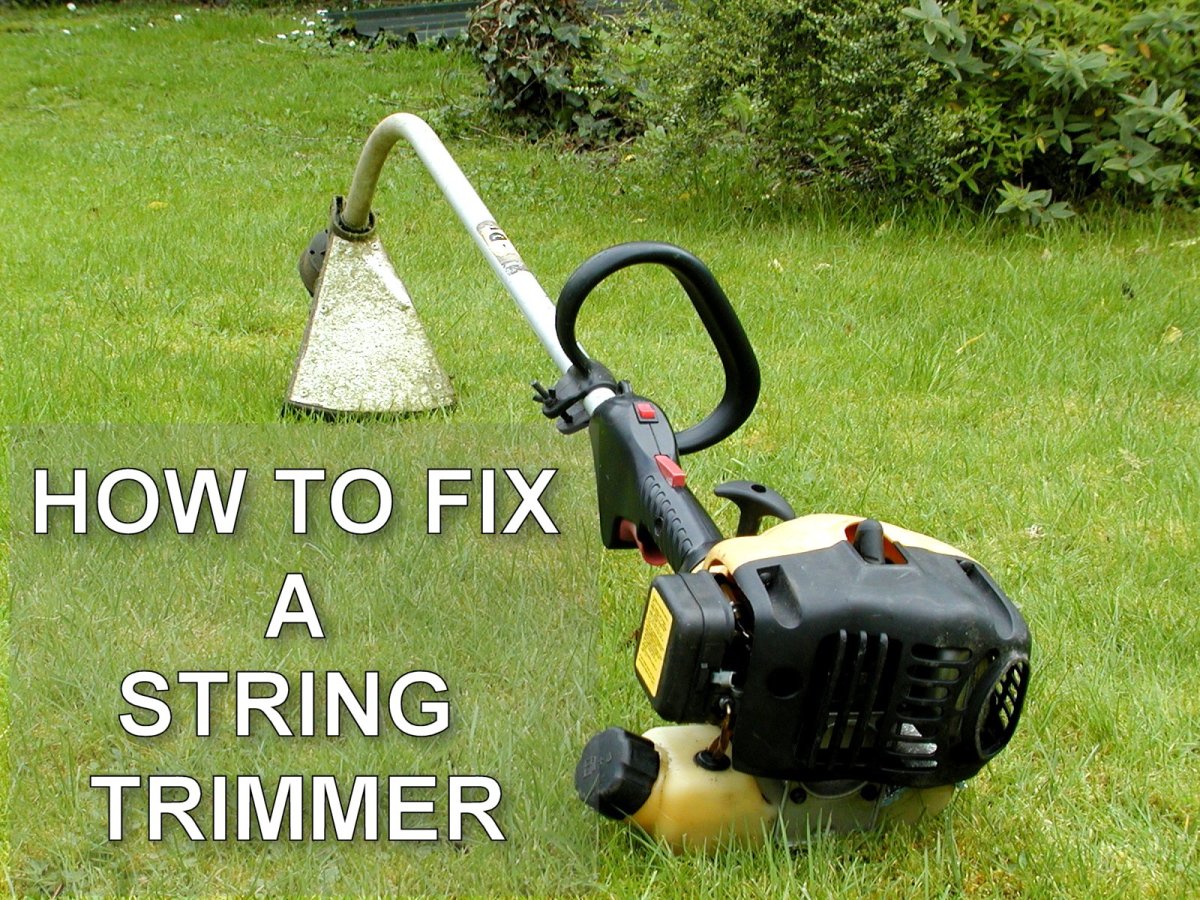
Ryobi line trimmer troubleshooting often starts with one of a few common faults. These include dead or weak batteries, tangled or worn line, clogged air or fuel systems on gas models, and faulty switches or motors on electric models. Spotting which area is at fault speeds repairs and gets your yard work back on schedule.
Typical symptoms and likely causes
- Won’t start or run — Battery dead, poor contact, or bad fuel/air on gas models.
- Cuts poorly or vibrates — Worn line, damaged head, or bent shaft.
- Line feeding problems — Tangled spool, wrong line size, or spring issues.
- Overheating or short run time — Battery age, motor strain, or clogged vents.
Diagnostic checklist: a simple flow to find the issue
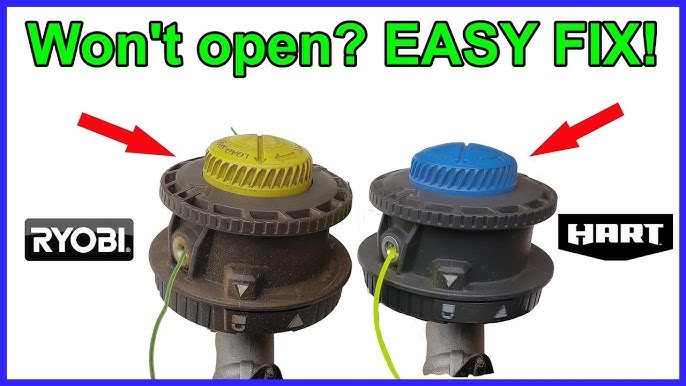
A quick, logical checklist helps with Ryobi line trimmer troubleshooting. Start with power and fuel, then move to the cutting head and airflow. Work from easiest checks to more complex ones to save time and parts.
Step-by-step diagnostic flow
- Verify power source
- For battery models, confirm charger status and battery charge lights.
- For corded models, check the cord and outlet.
- Inspect the cutting head
- Remove the spool and check for line jams or broken parts.
- Test air and fuel systems (gas models)
- Check fuel quality and spark plug condition.
- Examine switches and wiring
- Look for loose connectors or corrosion.
- Run a quick functional test
- With safety gear on, run the trimmer briefly to observe performance.
Battery and charging issues (cordless models)
Battery and charger faults are the top reasons for Ryobi line trimmer troubleshooting calls. Batteries weaken with time. Chargers and terminals can fail. Simple testing tells you if the battery or charger is the culprit.

How to test and fix battery issues
- Check charger LEDs — A blinking or red light often signals a problem.
- Test battery voltage — Use a multimeter for a quick read.
- Try a known-good battery — Swap in a working battery if available.
- Clean contacts — Corrosion on terminals reduces current flow.
Practical tip from my experience: I once fixed a trimmer that wouldn’t start by cleaning a single fleck of dirt off the battery contact. Small things matter.
Trimmer head and line problems
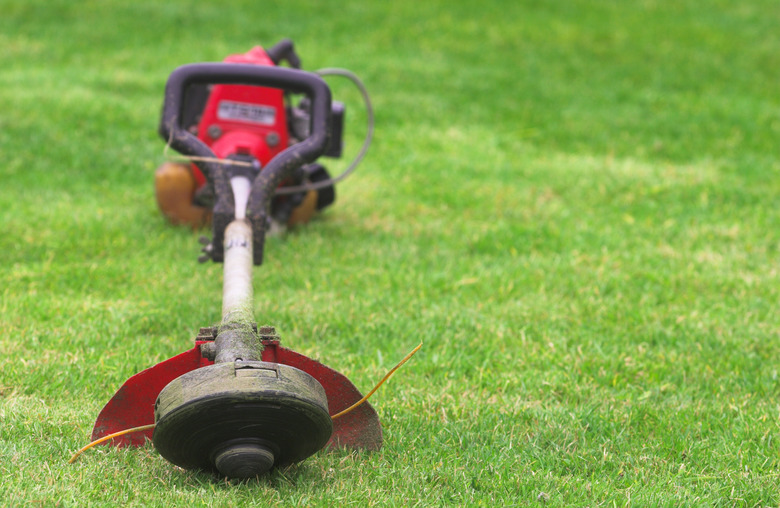
Most cutting-performance complaints are due to the head or the line. Ryobi line trimmer troubleshooting around the head is simple and safe. Replacing the spool or fitting the correct line diameter often restores normal operation.
Common head issues and fixes
- Line breaks quickly — Use the recommended line size and quality.
- Line won’t feed — Rewind the spool properly and check the feeder spring.
- Head stuck or damaged — Replace the head assembly; inspect for cracks.
Step-by-step spool rewind
- Remove spool cover.
- Clear old line and debris.
- Wind line evenly in the direction marked on the spool.
- Secure line ends and reattach cover.
Engine, fuel, and air (gas models)
Gas trimmers need clean fuel, correct mix (if 2-stroke), and clear air paths. Ryobi line trimmer troubleshooting for gas units often reveals stale fuel, clogged filters, or a fouled spark plug.

Key checks for gas models
- Fuel quality — Replace fuel older than 30 days. Use fresh mix for 2-stroke engines.
- Spark plug — Remove and inspect for fouling or wear; replace if needed.
- Air filter — Clean or replace a dirty filter to improve airflow.
- Carburetor — If the engine runs roughly after other fixes, consider a carburetor clean or rebuild.
Personal note: I once restored a hard-starting Ryobi by draining old gas and fitting a new spark plug. The trimmer ran like new.
Starting and cutting performance tips
Fine-tuning how you start and use the trimmer helps avoid many repeat issues. Good habits reduce wear and improve efficiency for both cordless and gas models.

Practical starting and use tips
- Warm up gas engines briefly before heavy cutting.
- Use full throttle for thick grass, and lower speed for light trimming.
- Replace the line in pairs for dual-line heads to keep balance.
- Keep vents and cooling fins free of grass and debris.
Remember: steady technique and routine checks prevent many Ryobi line trimmer troubleshooting cases.
Maintenance and preventive care
Regular maintenance cuts down repair time and extends tool life. A short maintenance routine after each use keeps your trimmer ready. Ryobi line trimmer troubleshooting is far easier when the tool has been cared for.
A simple maintenance schedule
- After each use
- Clear debris from the head and vents.
- Wipe down the shaft.
- Weekly during heavy use
- Inspect line and head for damage.
- Check battery or fuel levels.
- Monthly or seasonally
- Clean or replace air filter (gas models).
- Test battery health and charger function.
From my shop logs: owners who performed these quick checks rarely needed major repairs.
People Also Ask: quick PAA-style answers
Why won’t my Ryobi line trimmer feed line?
Line feeding fails when the spool is wound wrong, the spring is weak, or the feeder holes are clogged; re-wind and clean for a fast fix.
How do I know if my battery is bad?
If the battery won’t hold charge or the trimmer runs very short, the battery likely lost capacity; test voltage or swap with a known-good pack.
Can a clogged carburetor cause rough running?
Yes, a clogged carburetor or jets cause poor idle and rough throttle response; cleaning or rebuilding the carburetor usually helps.
Frequently Asked Questions of Ryobi Line Trimmer Troubleshooting
Why won’t my Ryobi line trimmer start?
Check the power source first. For cordless units, test the battery and charger; for gas units, confirm fresh fuel and a good spark plug.
What line size should I use for my Ryobi trimmer?
Use the line diameter specified in your owner’s manual. Using too-thick or too-thin line can harm performance and the head mechanism.
How often should I replace the spark plug on a gas trimmer?
Replace the spark plug every season or after 100 hours of use. Inspect it sooner if the engine runs poorly or is hard to start.
My trimmer runs but loses power quickly. What causes that?
Loss of power can come from old fuel, a weak battery, clogged air filter, or motor strain; run the diagnostic checklist to isolate the cause.
Is it safe to sharpen the trimmer line?
You should not sharpen nylon line. Use fresh, correct-diameter line for best cutting and safety. Replace the line rather than modifying it.
How do I clean a clogged carburetor?
Drain fuel, remove the carburetor, and spray carb cleaner through jets and passages. Rebuild kits help when cleaning isn’t enough.
Can I use any Ryobi battery in my trimmer?
Only use batteries compatible with your model series. Voltage and connection type must match to avoid damage or poor performance.
Conclusion
You now have a clear, practical path for Ryobi line trimmer troubleshooting. Start with power and line checks, follow a simple diagnostic flow, and perform basic maintenance to avoid common failures. Put these tips into practice this week: run the checklist, clean the head, and test the battery or fuel. If you found this guide helpful, try the fixes, share your results below, or subscribe for more tool care tips.

