

Most ABS lights mean a sensor fault or low fluid—scan codes and inspect sensors first.
I have spent years diagnosing brake issues for drivers and shops, so I understand how confusing that little dashboard light can be. This guide on Abs Light Troubleshooting breaks down causes, tests, and fixes in plain language. You will learn clear steps to read codes, test wheel speed sensors, and decide when to DIY or call a pro. Read on to save time, reduce stress, and keep your brakes reliable.

36% off Today’s Exclusive Deals
Limited-time Exclusive Deals. Check current discount on Amazon.
Check Price on Amazon As an Amazon Associate I earn from qualifying purchases.
How ABS works and why the light matters
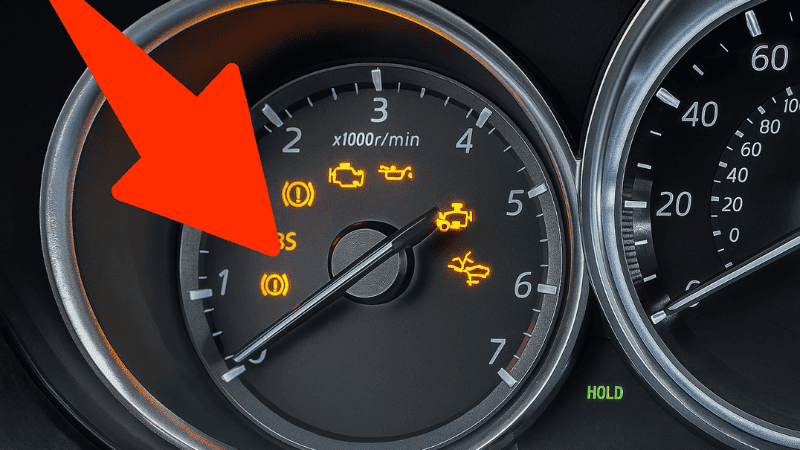
The anti-lock braking system prevents wheel lockup during hard stops. Abs Light Troubleshooting starts with knowing that wheel speed sensors, the ABS module, and fluid pressure are core parts. When the system detects a fault it turns on the warning light and may disable ABS or traction control. Treat the light as a safety signal, not just an annoyance.
Common causes of the ABS warning light
Short, clear causes help pinpoint the issue fast.
- Faulty wheel speed sensor. A dirty, damaged, or disconnected sensor is common.
- Damaged tone ring. Cracked or corroded rings give bad speed signals.
- Low brake fluid. A low reservoir can trigger the ABS light.
- Failing ABS module. Electronics wear out or suffer water damage.
- Blown fuse or bad wiring. Corrosion or breaks disrupt communication.
- Faulty pump or valve. Hydraulic faults can engage the light.
- Fault codes from related systems. Traction control or stability sensors can set the ABS light.
Abs Light Troubleshooting usually starts with sensors and codes. Most times the fix is simple. Other times it needs wiring or module replacement.

Tools you need for Abs Light Troubleshooting
A few basic tools speed up diagnosis and save money.
- OBD-II scanner that reads ABS codes. Look for one that supports ABS modules.
- Digital multimeter for sensor and continuity checks.
- Spray cleaner for sensors and tone rings.
- Jack stands and a wheel chock for safe wheel access.
- Small brushes to clean connectors and teeth.
I keep a cheap code reader and a multimeter in my trunk. They solved many roadside scares.
Step-by-step Abs Light Troubleshooting guide
Follow this order to find the fault quickly.
- Visual check
- Look for damaged wiring, corroded connectors, and loose sensor plugs.
- Check brake fluid level and cap condition.
- Read ABS codes
- Use an ABS-capable scanner to capture fault codes and freeze frame data.
- Note the code numbers and affected wheel or circuit.
- Inspect wheel speed sensors and tone rings
- Remove debris and inspect sensor gaps and ring teeth.
- Check for cracks, missing teeth, or metal shavings.
- Test sensor output
- Back-probe the sensor and spin the wheel. Look for AC voltage spikes or a steady digital signal.
- Use the multimeter to check resistance against spec.
- Check power and ground
- Verify fuses and relays for the ABS module.
- Test for proper 12V supply and a good ground at the module connector.
- Inspect reluctor (tone) rings and wheel bearings
- Worn bearings can move the ring too far from the sensor.
- Replace bearings if play causes inconsistent readings.
- Clear codes and test drive
- Clear stored codes after repairs, then drive to confirm the light stays off.
- If the light returns, re-read codes and follow the code-specific steps.
I once chased a flashing ABS light for hours before finding a loose sensor clip. A quick reconnection fixed it and saved the owner hundreds.
Reading and interpreting ABS trouble codes
Not all scanners read ABS codes. Use the right tool.
- Generic OBD-II readers may show only powertrain codes. For ABS, use a scanner with ABS coverage.
- Code examples and what they mean:
- C0035 to C0040 often point to wheel speed sensor faults.
- C0051 or similar can indicate module internal errors.
- Freeze frame and live data help confirm which wheel or sensor is at fault.
When codes conflict, trust live data. Raw sensor values during a slow roll help a lot.

DIY fixes vs professional repairs
Deciding when to DIY depends on skill and tools.
- DIY-friendly tasks
- Cleaning sensors and connectors.
- Replacing wheel speed sensors.
- Fixing corroded wiring or fuses.
- Tasks better left to pros
- ABS module replacement and programming.
- Complex hydraulic or control unit repairs.
- Intermittent electrical faults that need lab tools.
I replaced several sensors in my driveway and saved money. I send ABS module jobs to shops with bench testers. That keeps risks low.
Preventive maintenance to avoid ABS light issues
Small routines prevent many ABS faults.
- Keep brake fluid level within mark and change fluid per schedule.
- Inspect wheel bearings and sensors during tire rotations.
- Clean sensor connectors if you drive on salted roads.
- Fix brake leaks promptly to prevent low fluid and contamination.
Preventive steps cut the chances you'll need urgent Abs Light Troubleshooting.

Limitations and common misunderstandings
Be aware of what ABS diagnostics cannot do instantly.
- Clearing codes does not fix a real fault. The light may return.
- Intermittent faults can take time to replicate. Expect multiple tests.
- Some codes point to multiple causes. Use live data, not just code text.
I’ve seen people replace multiple parts unnecessarily because they misread codes. Patience and proper testing beat guesswork.

Frequently Asked Questions of Abs Light Troubleshooting
What does an ABS light mean?
The ABS light signals a fault in the anti-lock braking system. It warns that ABS or traction control may be disabled and that you should check the system.
Can I still drive with the ABS light on?
You can usually drive, but ABS and traction control may not work. Drive carefully and avoid hard braking until the issue is fixed.
How do I read ABS codes?
Use a scanner that supports ABS modules, plug into the OBD-II port, and follow the scanner prompts to read codes. Note both code numbers and any freeze-frame data.
Will replacing a wheel speed sensor fix the ABS light?
If the sensor was the cause, replacing it often clears the light. Always read codes and test the sensor before replacing to avoid unnecessary parts.
How much does ABS module replacement cost?
Costs vary widely by vehicle and region, from a few hundred to over a thousand dollars including programming. Seek a quote and compare repair shop options.
What if the ABS light flashes?
A flashing ABS light usually indicates a more urgent or active fault. Stop safely and read codes; continued driving could cause more damage.
Can low brake fluid trigger the ABS light?
Yes, low brake fluid can trigger the ABS light and other warning lights. Check the reservoir and inspect for leaks or worn pads.
Conclusion
Abs Light Troubleshooting is a step-by-step mix of code reading, sensor checks, and wiring inspection. Start with a scanner, focus on wheel speed sensors and connectors, and only replace parts after testing. Stay patient, document codes, and know when to call a pro for module or hydraulic work. Take action today: scan your car, check fluid level, and schedule a brake inspection if the ABS light stays on. Leave a comment with your issue or subscribe for more practical repair guides.

