

Auto cooling system troubleshooting quickly finds leaks, thermostat faults, clogged radiators, and fan problems.
I’ve spent years diagnosing and repairing vehicle cooling systems, so I know what works. This guide on Auto Cooling System Troubleshooting explains causes, tests, and fixes in clear steps. You’ll learn how to spot symptoms, run safe checks, and decide when to DIY or call a pro. Read on to get confident with cooling system care and avoid costly breakdowns.

36% off Today’s Exclusive Deals
Limited-time Exclusive Deals. Check current discount on Amazon.
Check Price on Amazon As an Amazon Associate I earn from qualifying purchases.

How Auto Cooling Systems Work
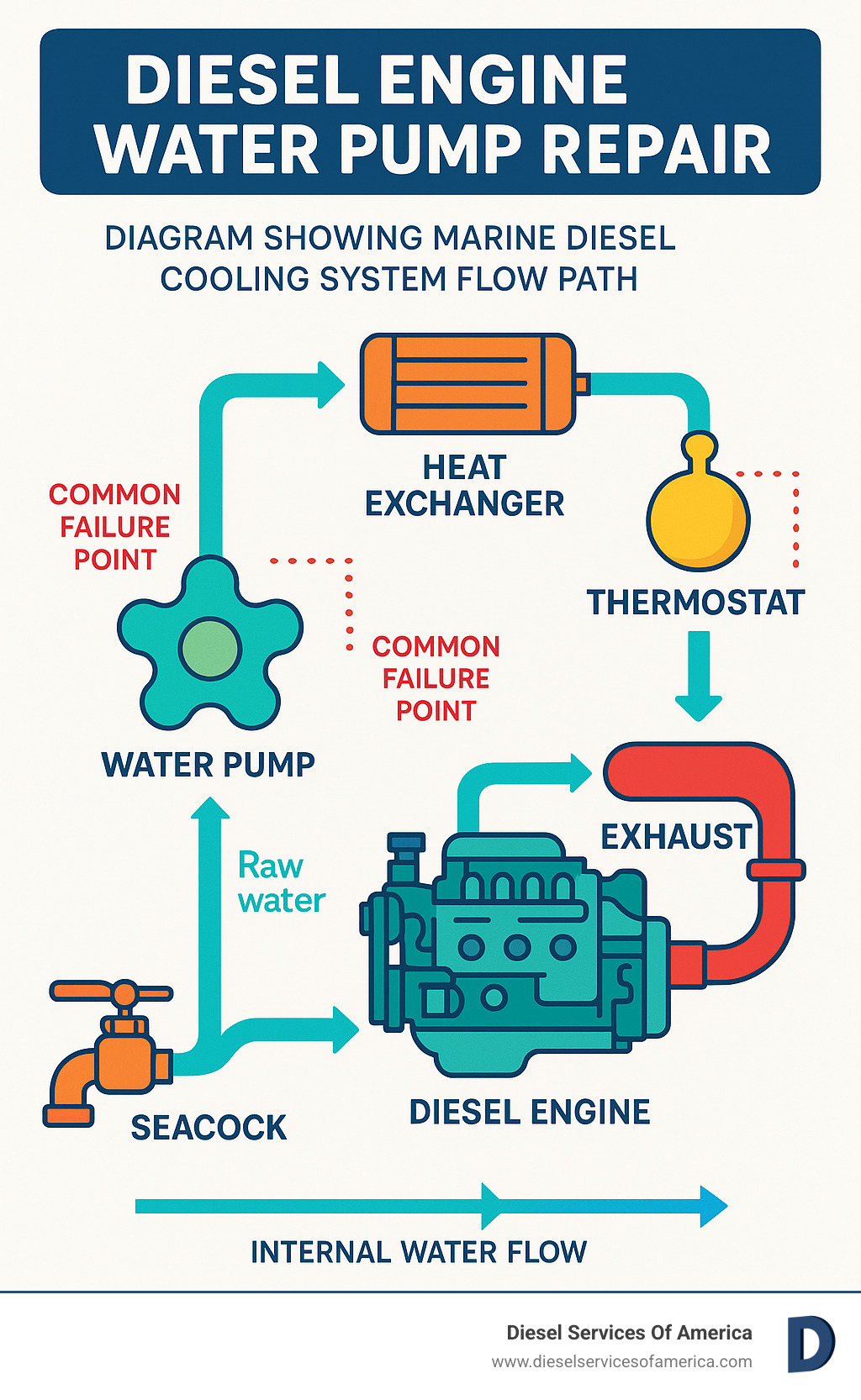
Auto Cooling System Troubleshooting starts with knowing how the system works. The cooling system moves coolant through the engine and radiator to control temperature. Key parts include the radiator, thermostat, water pump, hoses, cooling fans, and coolant reservoir.
Common functions to understand:
- Coolant circulation through the engine block.
- Heat transfer in the radiator.
- Thermostat regulation of flow.
- Fan control and temperature sensors.
Knowing these basics makes troubleshooting faster and safer. When something fails, symptoms show up quickly in temperature gauges or warning lights.
Common Symptoms and Causes
Auto Cooling System Troubleshooting begins with recognizing symptoms. A hot gauge, heater failure, leaks, or steam are the main signs. Each symptom narrows the likely causes.
Typical symptoms and possible causes:
- Engine running hot — thermostat stuck closed or low coolant.
- Overheating only at idle — faulty cooling fan or relay.
- Coolant puddle under car — hose, radiator, or water pump leak.
- Sweet smell and white smoke — head gasket failure or internal leak.
- Low coolant and no visible leak — heater core leak or small external leak.
Spotting the symptom early saves the engine. Use simple visual checks before complex tests.
Step-by-Step Troubleshooting Guide
Follow these ordered steps for Auto Cooling System Troubleshooting. Start simple, then move to detailed checks.
- Visual inspection
- Check coolant level in the reservoir when the engine is cool.
- Look for wet spots, crusted coolant, or hose swelling.
- Inspect radiator fins for blockages.
- Pressure test the system
- Use a hand pump tester to pressurize the cooling system.
- Watch for pressure loss and locate external leaks.
- Thermostat check
- Warm the engine and watch temperature rise.
- Feel upper radiator hose: if it stays cool while the engine hot, the thermostat may be stuck closed.
- Fan and relay test
- Run the engine to operating temperature and see if fans engage.
- Test fan motor directly with 12V to confirm operation.
- Radiator and coolant flow
- Check for clogged radiator or poor coolant flow.
- A cold spot on the radiator often indicates a blockage.
- Check water pump
- Look for wobble, leaks, or noise from the pump.
- Loss of coolant flow or overheating under load points to pump issues.
- Head gasket test
- Use a combustion leak tester for exhaust gases in coolant.
- White smoke from the exhaust and coolant loss suggest gasket failure.
These steps cover most issues you’ll face. Keep notes and test results to avoid repeating work.

Tools and Safety Tips
Good tools speed up Auto Cooling System Troubleshooting. Safety keeps you and the car safe.
Useful tools:
- Pressure tester for coolant systems.
- Infrared thermometer to check temps.
- 12V test leads for fan checks.
- Basic socket set and pliers.
Safety tips:
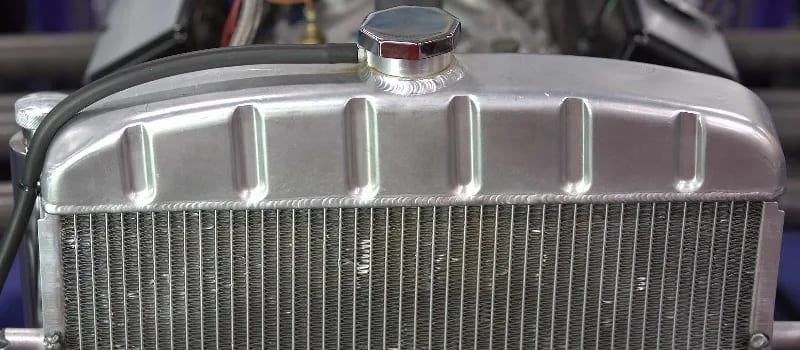
- Never open a hot radiator cap. Steam can cause severe burns.
- Work on a flat surface and use wheel chocks.
- Wear gloves and eye protection when handling coolant.
- Dispose of old coolant properly; it is toxic.
These small precautions prevent injuries and protect the engine during troubleshooting.
When to Seek Professional Help and Typical Costs
Auto Cooling System Troubleshooting can be DIY, but some jobs need pros. If you suspect a head gasket failure, major engine damage, or you don’t have tools, consult a mechanic.
When to call a pro:
- Persistent overheating after basic checks.
- Positive combustion gas test in coolant.
- Complex radiator replacement or internal engine work.
Typical cost ranges (approximate):
- Thermostat replacement — low to moderate.
- Radiator replacement — moderate.
- Water pump replacement — moderate to high.
- Head gasket repair — high to very high.
Ask for a written estimate and parts warranty. A good repair shop will explain findings and options clearly.

Maintenance and Preventive Measures
Regular maintenance makes Auto Cooling System Troubleshooting easier and less frequent. Small steps prevent most failures.
Preventive checklist:
- Replace coolant per manufacturer schedule.
- Inspect hoses and clamps every oil change.
- Clean debris from radiator and condenser.
- Check fan operation seasonally.
- Use the correct coolant type and mix.
Routine care extends component life and reduces stress on the engine. I once found a clogged condenser causing slow cooling; a quick clean fixed it and saved a radiator replacement.

Advanced Diagnostics
When basic tests fail, advanced Auto Cooling System Troubleshooting finds hidden faults. Use diagnostic tools and methodical tests.
Advanced methods:
- Flow testing to measure coolant circulation.
- Cylinder leak-down and compression tests to pinpoint head gasket issues.
- Electronic scan tool to read temperature sensor and fan codes.
- Thermographic scans to map heat flow across the radiator and engine.
These tests require tools and experience. They save time and money when a simple test won’t reveal the cause.
Frequently Asked Questions of Auto Cooling System Troubleshooting
What is the first thing to check when a car overheats?
Check the coolant level and look for visible leaks. If levels are fine, inspect the radiator fan, thermostat, and hoses.
How do I know if the thermostat is bad?
If the engine temperature jumps quickly but the radiator stays cool, the thermostat may be stuck closed. Feel the upper radiator hose as the engine warms to confirm.
Can a bad water pump cause overheating?
Yes. A failing water pump reduces coolant flow, leading to overheating, especially under load. Look for leaks or noise from the pump.
Is it safe to drive with low coolant?
No. Driving with low coolant risks severe engine damage. Stop driving and top off coolant only if you can safely do so and the engine is cool.
How often should coolant be replaced?
Follow your vehicle’s maintenance schedule, typically every 2 to 5 years. Old coolant corrodes parts and lowers boiling point, increasing failure risk.
What does a pressure test reveal?
A pressure test shows external leaks and helps identify weak hoses, loose clamps, or radiator damage by checking system hold time and pressure loss.
Can a clogged radiator be cleaned or must it be replaced?
Many radiators can be flushed to remove internal deposits. Severe blockages or physical damage usually need replacement.
Conclusion
Auto Cooling System Troubleshooting is a practical skill that saves time and money. Start with simple visual checks and move to pressure, thermostat, fan, and pump tests. Regular maintenance prevents most issues, and timely professional help avoids bigger repairs. Take action: inspect your cooling system this month, keep records, and subscribe or comment with your questions to learn more.

