

Most common fixes: check power, thermostat, door seal, condenser, and drainage first.
I’ve spent years fixing grills and outdoor kitchen gear, and Blaze Outdoor Refrigerator Troubleshooting is a practical skill anyone who owns an outdoor fridge should have. This guide explains how Blaze outdoor refrigerators work, shows step-by-step troubleshooting for the most common faults, and shares real-world tips from repairs I’ve done. Read on to save time, avoid unnecessary parts swaps, and get your outdoor fridge running reliably.

36% off Today’s Exclusive Deals
Limited-time Exclusive Deals. Check current discount on Amazon.
Check Price on Amazon As an Amazon Associate I earn from qualifying purchases.
How a Blaze outdoor refrigerator works: basics to know
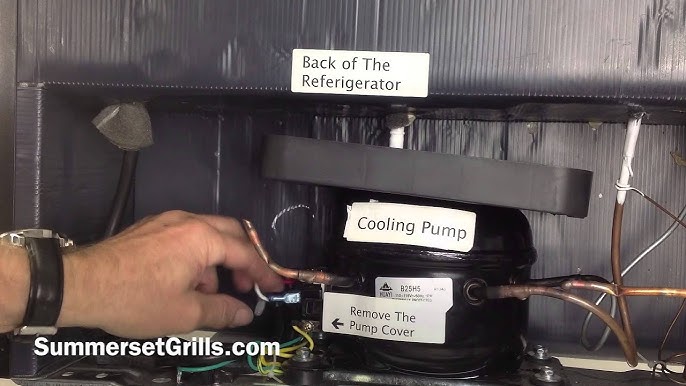
A Blaze outdoor refrigerator uses the same refrigeration cycle as indoor units. It relies on a compressor, condenser, evaporator, expansion device, refrigerant, thermostat, and proper cabinet airflow to move heat out of the box.
Knowing component roles helps with Blaze Outdoor Refrigerator Troubleshooting. The compressor pressurizes refrigerant. The condenser sheds heat to the outside. The evaporator absorbs heat inside the cabinet. The thermostat controls compressor cycling. Good ventilation and a sealed door keep temps stable.
Understanding these basics makes diagnosis faster. When one part fails, symptoms tell a clear story if you know what to look for.
Common problems and likely causes
Below are frequent issues and the typical causes you’ll encounter during Blaze Outdoor Refrigerator Troubleshooting.
- Not cooling or warms up
- Power issues, failed compressor, blocked condenser, low refrigerant, bad thermostat.
- Too cold or freezing items
- Faulty thermostat, stuck relay, or blocked airflow over evaporator.
- Unit not turning on
- Power loss, tripped breaker, bad outlet, faulty control board.
- Leaks or puddles under fridge
- Clogged drain tube, cracked drain pan, or failing door gasket letting condensation in.
- Excessive frost or ice buildup
- Defrost cycle failure, thermostat problem, or frequent open/close.
- Loud or unusual noises
- Worn compressor mounts, fan motor failure, or debris in condenser.
- Bad smells
- Spoiled food, mold in drain or gasket, poor ventilation.
These patterns are the backbone of any Blaze Outdoor Refrigerator Troubleshooting plan.
Step-by-step Blaze Outdoor Refrigerator Troubleshooting guide
Follow these steps in order. Simple fixes often solve the problem.
-
Initial quick checks
- Verify power at the outlet and breaker. Try another device in the same outlet.
- Check that the unit is level and has proper clearance around ventilation openings.
- Confirm temperature settings and door alignment.
-
Temperature too warm
- Clean condenser coils and fan area. Dirt reduces cooling efficiency.
- Inspect door gasket for gaps, cracks, or soft spots. Replace if it leaks air.
- Test thermostat settings and sensor placement. Adjust or replace if inaccurate.
- If still warm, measure compressor current draw; low or no run suggests compressor or start device failure.
-
Not turning on at all
- Confirm power source and breaker. Reset GFCI outlets if used.
- Test the power cord and plug for damage.
- Check the control board or electronics; look for visible burn marks or blown fuses.
- Replace the start relay if the compressor hums but won’t start.
-
Freezing or overcooling
- Verify thermostat calibration and setpoint.
- Inspect airflow path inside the cabinet; remove blockages.
- Check defrost heater and cycles on models with auto-defrost.
-
Leaks and puddles
- Clean the drain tube and drip pan. Use a pipe cleaner or warm water.
- Check the door gasket for leaks that raise humidity and condensation.
- Look for cracks in the drain pan or cabinet; replace damaged parts.
-
Excessive frost buildup
- Check the defrost timer, heater, and thermostat. Replace failed defrost components.
- Ensure door seal and hinges are tight to reduce moisture entry.
-
Noise troubleshooting
- Identify noise source: compressor, condenser fan, or evaporator fan.
- Tighten loose screws and replace worn fan motors or mounts.
- Remove debris lodged in the grill or fan housing.
-
Strange smells or tastes
- Empty the fridge, clean interior with mild detergent and baking soda solution.
- Clean drain and drip pan. Replace old, contaminated gaskets if necessary.
- Leave door open after cleaning to air out before restocking.
During Blaze Outdoor Refrigerator Troubleshooting, document what you checked. This saves time if you call a technician later.
Tools, safety, and parts to inspect
Equip yourself properly and stay safe.
-
Essential tools to have
- Multimeter for voltage and continuity checks.
- Socket set and screwdrivers for panels and mounts.
- Coil brush and vacuum for condenser cleaning.
- Flashlight and mirror for hard-to-see areas.
-
Parts to inspect and common replacements
- Door gasket, condenser fan motor, evaporator fan motor, start relay, thermostat, drain tube, drip pan, and control board.
- Refrigerant work requires certified techs; don’t attempt refrigerant handling without certification.
-
Safety tips
- Unplug the unit before opening electrical components.
- Use gloves and eye protection when handling sharp or dirty parts.
- Avoid DIY refrigerant work to comply with laws and for personal safety.
Having these tools and following safety rules speeds up Blaze Outdoor Refrigerator Troubleshooting and reduces risk.

Preventive maintenance and best practices
Routine care prevents many common failures and keeps your Blaze fridge working outdoors.
- Clean condenser coils twice per year to improve efficiency.
- Check and clean door gaskets quarterly; apply silicone lubricant to keep them flexible.
- Keep ventilation clear and maintain at least the manufacturer’s recommended clearance.
- Level the unit to ensure proper drainage and compressor operation.
- Store food at recommended levels to avoid blocking airflow inside.
- During winter or long idle periods, follow manufacturer guidance for seasonal shutdown.
Simple maintenance reduces the need for intensive Blaze Outdoor Refrigerator Troubleshooting later.

When to call a professional technician
Some tasks need a pro. Know when to stop and call help.
- Call a certified technician if:
- Compressor fails or does not run after basic checks.
- Suspected refrigerant leak, pressure issue, or you need system recharge.
- Control board or sealed system repairs are required.
- Unit is under warranty — authorized service helps preserve coverage.
Professional techs have tools, gauges, and certifications for safe, code-compliant repairs. Use warranty and certified repair to avoid voiding coverage.

Estimated costs and parts replacement
Costs vary by model and region. These are general ballpark figures based on service cases.
-
Common part costs (approximate retail)
- Door gasket $30–$120.
- Condenser or evaporator fan motor $40–$150.
- Start relay $15–$50.
- Thermostat or sensor $25–$100.
- Control board $100–$400.
-
Typical service labor
- Service call and diagnostics $75–$150.
- Minor repairs $100–$300 total.
- Major sealed-system work or compressor replacement $400–$1,200+.
Always get itemized estimates and check warranty coverage before authorizing expensive work. Clear, written quotes help with Blaze Outdoor Refrigerator Troubleshooting decisions.

Additional tips and real-life examples
I once fixed a Blaze outdoor refrigerator that ran but never cooled below 55°F. Quick checks found a blocked condenser grill full of leaves. After cleaning and replacing a worn door gasket, the unit returned to normal in under an hour.
Lessons learned from fieldwork:
- Always start with power and airflow before replacing parts.
- Keep a short checklist: power, gasket, coil, drain, fans, thermostat.
- Photograph wiring before disconnecting components; this saves reassembly time.
These practical tips speed up Blaze Outdoor Refrigerator Troubleshooting and help avoid repeat visits.
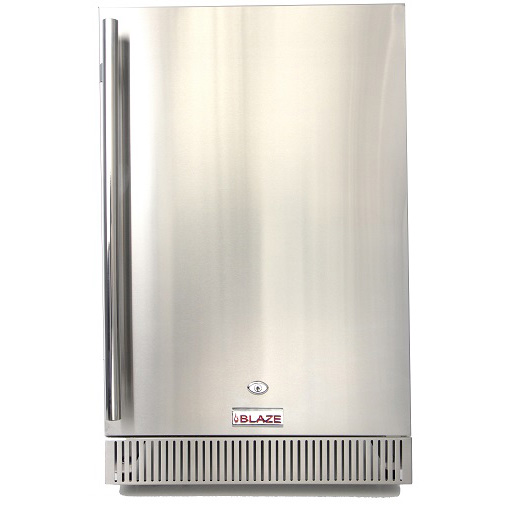
Frequently Asked Questions of Blaze Outdoor Refrigerator Troubleshooting
Why is my Blaze outdoor refrigerator warm even though the compressor runs?
If the compressor runs but it stays warm, dirty condenser coils or blocked airflow are often the cause. Clean the coils and ensure proper ventilation around the unit.
How do I test the door gasket on my Blaze refrigerator?
Close a sheet of paper in the door and try to pull it out; if it slides out easily in multiple spots the gasket may leak. Also inspect for cracks, hardness, or missing magnetic seal material.
Can I recharge refrigerant myself for a Blaze outdoor refrigerator?
No, refrigerant work requires certified technicians and specialized tools. Attempting to recharge without certification risks damage and violates regulations.
What causes an outdoor fridge to trip the breaker?
Short circuits, a failing compressor drawing excess current, or a bad start relay can trip breakers. Check power supply and have a technician test compressor current if the unit keeps tripping.
How often should I clean the condenser coils on my Blaze outdoor refrigerator?
Clean coils at least twice a year; more often if located near trees, grills, or dusty areas. Regular cleaning keeps cooling performance high and prevents common failures.
My Blaze refrigerator smells bad after a power outage. What should I do?
Remove spoiled food and clean interior surfaces with a baking soda solution. Clean the drain and drip pan, then air out with the door open before restocking.
Is it normal for an outdoor refrigerator to be louder than an indoor model?
Outdoor units may have sturdier compressors and protective housings, which can produce slightly more noise. However, loud grinding or rattling indicates a need for inspection.
Conclusion
Blaze Outdoor Refrigerator Troubleshooting starts with basic checks: power, airflow, door seal, and condenser cleanliness. Follow the step-by-step checks here to diagnose most issues, and call a certified tech for sealed-system or refrigerant work. Use routine maintenance to prevent many common failures and save time and money.
Take action today: run the quick checklist on your unit, keep a maintenance log, and share this guide with other outdoor kitchen owners. If you found this helpful, comment with your fridge symptom and I’ll suggest the next step.

