

Most Briggs And Stratton motor problems stem from fuel, spark, or compression issues.
I have spent years fixing small engines and teaching others. This guide on Briggs And Stratton Motor Troubleshooting walks you through clear checks, simple fixes, and when to call a pro. You will learn causes, step-by-step tests, safety tips, and maintenance steps that keep your Briggs And Stratton motor running longer. Read on to fix common faults fast and with confidence.

36% off Today’s Exclusive Deals
Limited-time Exclusive Deals. Check current discount on Amazon.
Check Price on Amazon As an Amazon Associate I earn from qualifying purchases.
Common causes of Briggs And Stratton motor problems
Briggs And Stratton motor troubleshooting starts with knowing the common causes. Small engines fail for a few usual reasons. Fuel that is old or blocked will stop flow. Fouled spark plugs or weak ignition stop the spark. Low compression or valve problems reduce power. Dirty air filters and flooded carburetors also make the engine run rough. Wiring and safety switch faults can keep the motor from cranking. Regular checks will find most faults early.
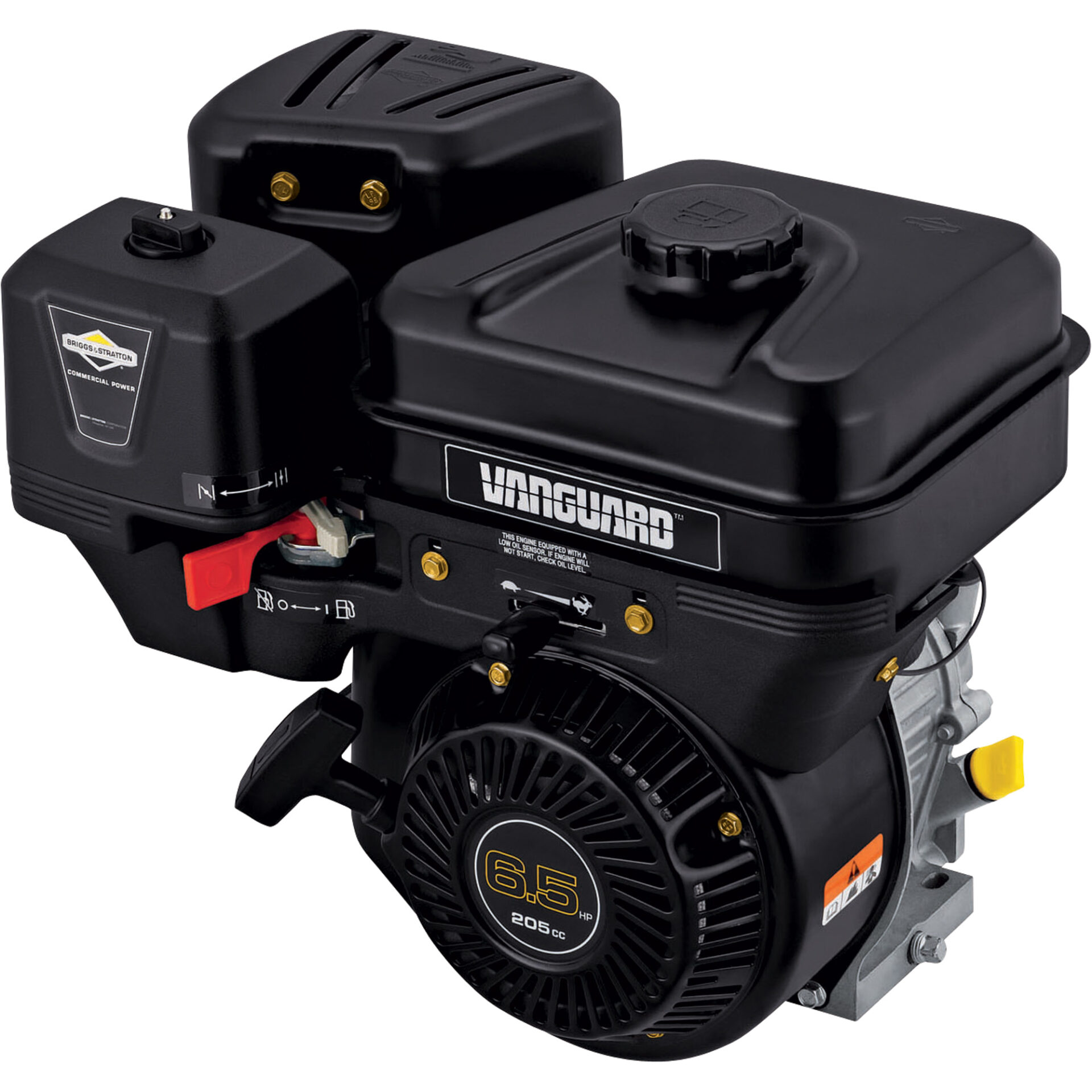
Tools and safety for Briggs And Stratton motor troubleshooting
Keep tools simple and safe. Use a spark tester, fuel line clamp, multimeter, fuel primer bulb, and basic hand tools. Wear safety glasses and gloves. Work outside or in a ventilated area. Disconnect the spark plug wire when you check internal parts. Never smoke near fuel. Have a fire extinguisher close by. These steps protect you and help you diagnose safely.

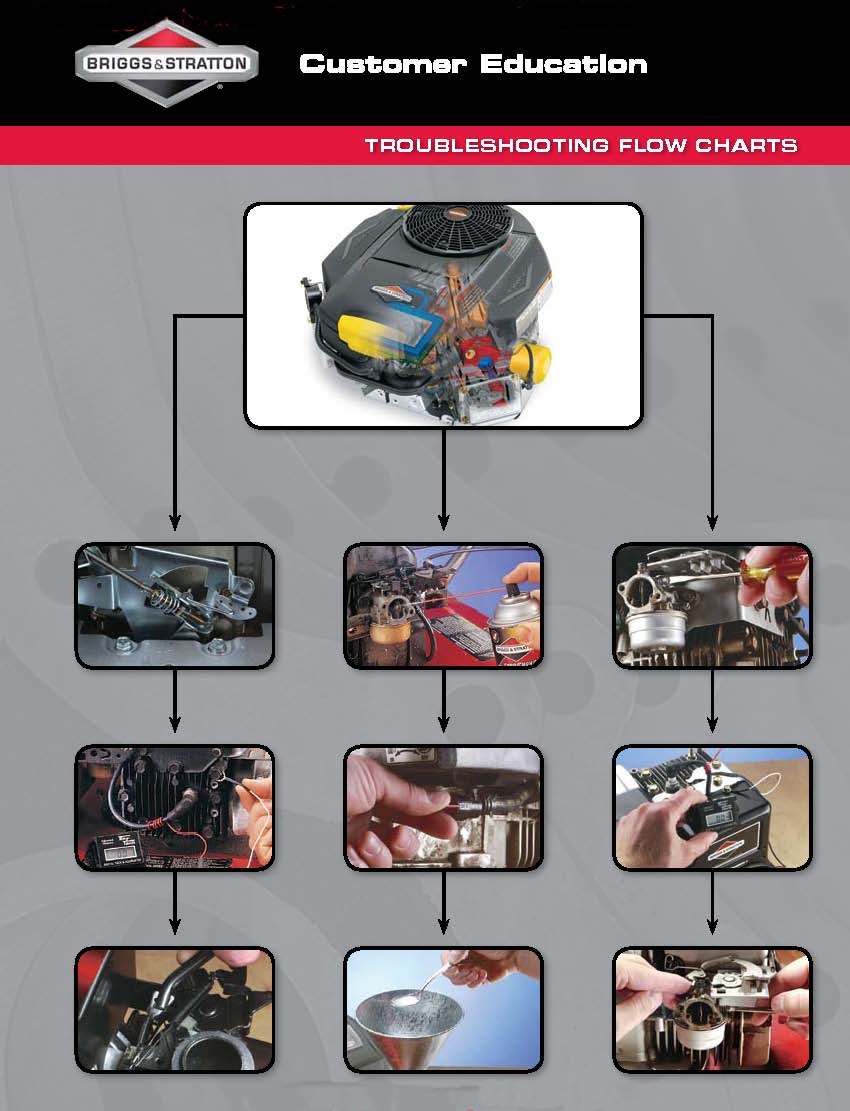
Step-by-step Briggs And Stratton motor troubleshooting guide
Follow these steps in order. Start with the easy checks. Move to tests that need tools only if the basics pass.
- Visual check and smell
- Look for loose wires, obvious damage, and fuel leaks.
- Smell for strong fuel or burned wiring. Replace or tighten parts as needed.
- Fuel system
- Check the tank for old fuel. Drain and refill fresh gasoline if needed.
- Inspect the fuel line and filter for cracks or blockages.
- Test the fuel shutoff and primer bulb for flow.
- Air and carburetor
- Remove and check the air filter. A clogged filter reduces flow.
- If the engine is flooded, remove the spark plug and crank until it clears.
- Clean the carburetor if the engine starts only with starter fluid.
- Spark and ignition
- Remove the plug and use a spark tester. Look for a strong blue spark.
- Clean or replace a fouled spark plug. Check plug gap to spec.
- Test the ignition coil and kill switch with a multimeter.
- Compression and mechanical
- Use a compression gauge to check cylinder pressure. Low compression means rings, valves, or head gasket issues.
- Listen for unusual noises during cranking. Knocks or rattles suggest mechanical wear.
- Electrical and safety switches
- Test the safety interlocks like blade brake, seat switch, and key switch.
- Inspect battery connections and charge if starter is weak.
- Final run test
- After fixes, start the motor and watch for smooth idle and steady throttle.
- Check for overheating, smoke, or oil leaks.
These steps cover most Briggs And Stratton motor troubleshooting needs. Move to parts replacement or professional help when tests show major faults.
 symptoms”
style=”max-width: 100%; height: auto; border: 2px solid black; border-radius: 10px; display: block; margin: 0 auto;”
loading=”lazy”
/>
Troubleshooting specific symptoms
This section targets common symptoms you will see.
No start
- Check fuel, spark, and safety switches first.
- Confirm fresh fuel reaches carburetor and spark plug fires.
Hard starting or dies after start
- Clean or replace the air filter and carburetor jets.
- Check for vacuum leaks and a weak fuel pump.
Runs rough, backfires, or surges
- Look at ignition timing and spark quality.
- Inspect carburetor idle mixture and float level.
Loss of power under load
- Test compression and check for clogged fuel filter.
- Replace spark plug and clean air filter.
Overheating or smoking
- Check oil level and oil type.
- Look for blocked cooling fins or clogged muffler.
Vibration or unusual noise
- Tighten loose mounts and blades.
- Inspect connecting rod and crank for wear.

Source: youtube.com
Maintenance tips to avoid Briggs And Stratton motor troubleshooting
Simple care prevents many faults. Follow this plan.
- Use fresh, clean fuel and add stabilizer if stored.
- Change the oil per the manual and keep the level right.
- Replace air and fuel filters on schedule.
- Use the correct spark plug and check its gap.
- Clean cooling fins and mower deck to avoid heat build-up.
- Run the engine occasionally in winter to keep parts lubricated.
I once ignored a clogged air intake. The engine ran hot and I replaced a piston ring. That taught me to clean filters every season. Small steps save big repairs.

When to repair parts and when to call a professional
Some fixes are simple. Others need a pro or a shop.
Repair at home
- Spark plug and wire swaps.
- Air and fuel filter changes.
- Carburetor cleaning and minor gasket replacement.
Call a pro
- Low compression repairs like piston, rings, or valve jobs.
- Crankshaft or major bearing failure.
- Complex ignition module or governor rebuilds.
If you find metal in the oil, loud knocks, or very low compression, stop and call a professional. These are signs of major wear.

Personal tips and common mistakes to avoid
I have repaired dozens of small engines. Here are my top tips.
- Always use the right oil. Wrong oil harms small engines fast.
- Don’t chase symptoms. Test fuel, spark, and compression in order.
- Label wires before disconnecting them. It saves time and frustration.
- Replace aged fuel lines; they crack and leak without obvious signs.
- Take photos during disassembly to avoid wrong reassembly.
A common mistake is ignoring simple checks. A new carburetor is not needed when the fuel line is blocked. Save money by testing first.
PAA-style questions about Briggs And Stratton motor troubleshooting
What causes a Briggs And Stratton engine to die after starting?
- The most common cause is stale fuel or a clogged carburetor. Check fuel flow and clean the carburetor.
How do I test spark on a Briggs And Stratton motor?
- Use a spark tester and crank the engine. Look for a steady blue spark between the plug and tester.
Can old gasoline ruin a Briggs And Stratton motor?
- Yes. Old gasoline gums up the carburetor and fuel lines. Drain and refill with fresh fuel if the fuel is older than 30 days.
How often should I change oil on small Briggs And Stratton engines?
- Change oil every 25 to 50 hours of use, or at least once per season. Use the oil type the manual recommends.
Is it safe to run a Briggs And Stratton motor without an air filter?
- No. Running without an air filter lets dirt enter the engine and causes fast wear. Always keep a clean filter.
Frequently Asked Questions of Briggs And Stratton Motor Troubleshooting
What are the first things to check when my Briggs And Stratton motor won't start?
Check fuel level and quality, spark plug condition, and safety switch positions. These three cover most no-starts.
How do I know if the carburetor needs cleaning?
If the engine stalls, runs only with starter fluid, or the idle is poor, the carburetor likely needs cleaning.
Can a bad fuel pump cause low power?
Yes. A weak or clogged fuel pump will starve the engine and reduce power, especially under load.
What spark plug gap should I use?
Use the gap specified in your engine manual. Typical gaps are 0.030 to 0.035 inch for many models.
How long does a Briggs And Stratton engine last with proper care?
With good care, many Briggs And Stratton engines run well for 10 to 15 years. Life depends on use and maintenance.
Is it worth rebuilding an old Briggs And Stratton motor?
If the engine has good block and head condition, and low hours, rebuilding can be cost effective. For very worn or damaged blocks, replacement may be better.
Why does my engine smoke on start but then clear?
Light smoke on cold start can be normal from oil on cold parts. Persistent smoke suggests oil control ring failure or overfilled oil.
Conclusion
This Briggs And Stratton Motor Troubleshooting guide gives clear steps to find and fix common faults. Start with fuel, spark, and air checks. Use simple tools and follow safety rules. Maintain filters, fuel, and oil to avoid many problems. If tests show low compression or broken internals, call a pro. Try the steps here on your next repair and save time and money. If this helped, leave a comment, subscribe for more small engine tips, or share a repair photo.

