

Most gas fireplace problems are caused by pilot, ignition, or gas flow issues.
I have spent years diagnosing and fixing gas fireplaces. This guide on Gas Fireplaces Troubleshooting Problems pulls from hands-on work, manufacturer guidance, and common repair practice. Read on for clear steps, safety tips, and real examples to help you find and fix issues fast.

36% off Today’s Exclusive Deals
Limited-time Exclusive Deals. Check current discount on Amazon.
Check Price on Amazon As an Amazon Associate I earn from qualifying purchases.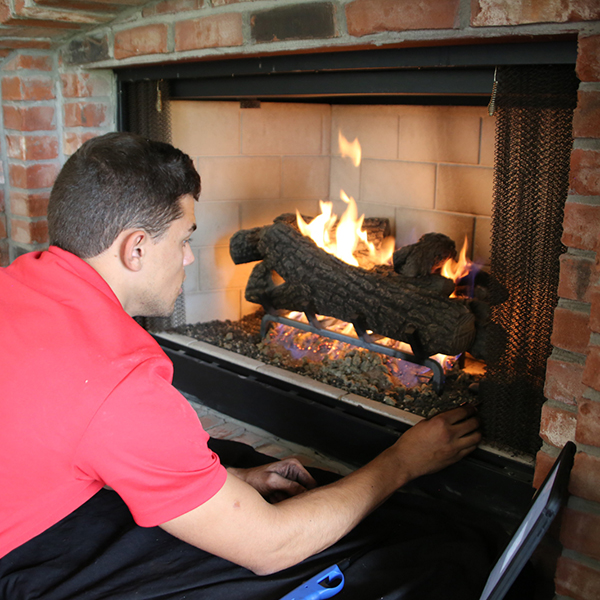
How Gas Fireplaces Work — a quick primer
Gas fireplaces burn natural gas or propane to make heat. They use a gas valve, a pilot or electronic ignitor, burners, and a control system. A safe fuel flow and a working ignition system keep the fire steady. Knowing these parts makes Gas Fireplaces Troubleshooting Problems much easier.
Common Problems and Causes
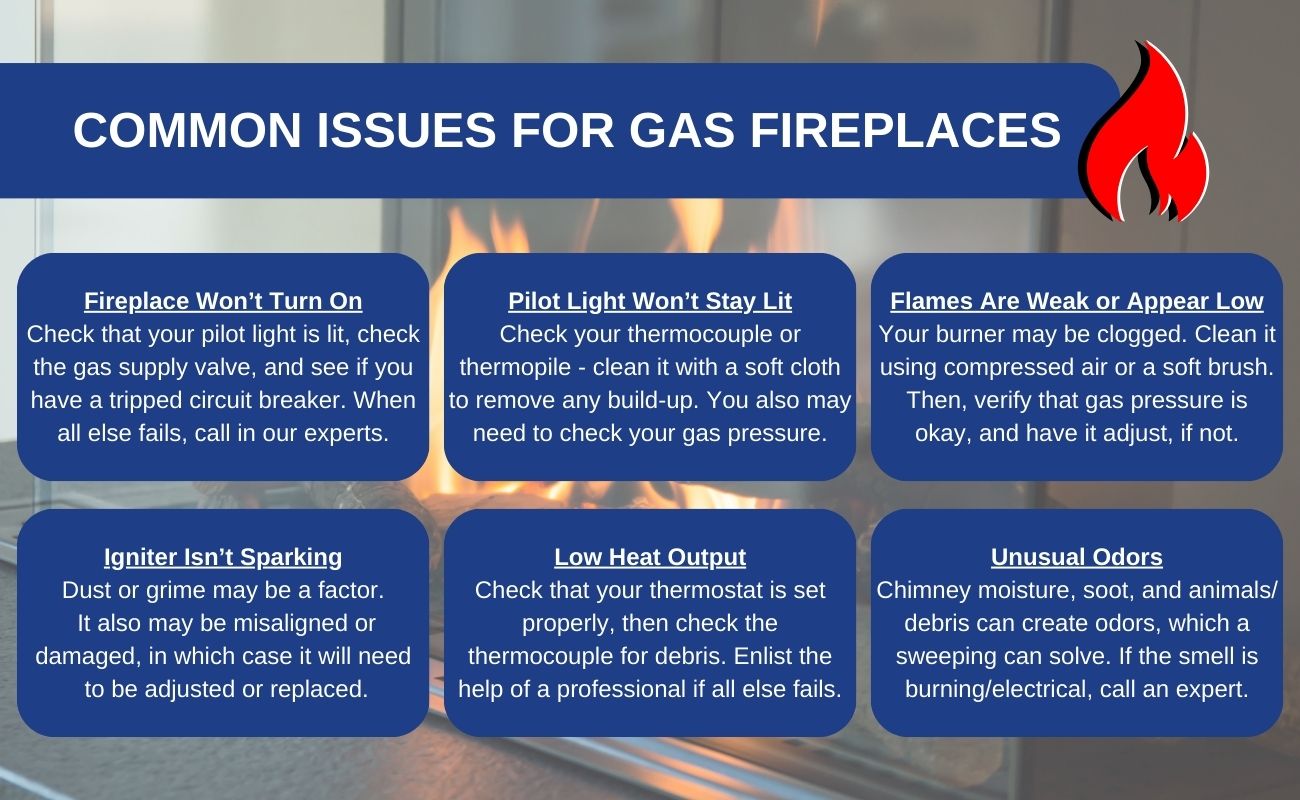
Most calls are about no ignition, weak flame, strange smells, soot, or noisy blowers. Below are common issues and likely causes when you face Gas Fireplaces Troubleshooting Problems.
- No pilot or no ignition
Possible causes: out pilot light, faulty ignitor, weak battery, or gas supply shutoff. - Intermittent flame or flame goes out
Possible causes: dirty thermocouple, draft, or low gas pressure. - Yellow or sooty flame
Possible causes: incomplete combustion from blocked burners or wrong gas/air mix. - Smell of gas
Possible causes: leak at a fitting, valve, or connector. This is an emergency. - Blower or fan not working
Possible causes: motor failure, loose wiring, or a clogged intake. - Remote or thermostat not responding
Possible causes: dead batteries, signal interference, or control board faults.
Gas Fireplaces Troubleshooting Problems often have a simple cause. Yet some issues hide behind multiple parts failing at once.

Step-by-Step Troubleshooting Guide
Follow safe, simple checks. Stop if you smell gas or anything seems unsafe.
- Visual and smell check
- Confirm gas is on at the main valve.
- Smell for gas near the appliance. If you detect gas, leave and call emergency service.
- Check the pilot or ignitor
- For standing pilot systems, ensure the pilot flame is steady and blue.
- For electronic ignition, check batteries and listen for the click.
- Inspect the burner and ports
- Look for dust, spider webs, or debris on the burner or ports.
- Clean gently with a soft brush or vacuum on low.
- Test the thermocouple or thermopile
- A weak thermocouple can fail to hold the gas valve open.
- If you have volt testing skill, check millivolt output; otherwise call a pro.
- Examine the control and wiring
- Check switches, remote batteries, and visible wiring for damage.
- Reset the system per the manual; many units have a reset button.
- Check ventilation and draft
- Ensure vents and chimneys are clear.
- Draft problems can cause flame instability or soot.
People also ask
- Why won’t my gas fireplace stay lit?
Dirty thermocouple, blocked pilot, or low gas pressure often cause this. - Is it safe to light the pilot myself?
Yes for most units, if no gas smell and you follow the owner’s steps. - How often should I clean the burner?
Inspect yearly and clean when soot or dust is visible.
These steps cover the bulk of Gas Fireplaces Troubleshooting Problems. When in doubt, stop and consult a pro.

Safety Tips Before Troubleshooting
Always put safety first. Small steps keep you safe and prevent damage.
- Turn off gas supply at the valve before major work.
- If you smell gas, leave and call emergency service immediately.
- Use a flashlight not an open flame when checking for leaks or odors.
- Keep children and pets away while you work.
- Wear gloves and eye protection for cleaning and inspection.
Being safe reduces risk and makes Gas Fireplaces Troubleshooting Problems easier to solve.
When to Call a Professional
Call a licensed technician if you see any of the following.
- Persistent gas smell or a confirmed leak.
- You cannot restore stable ignition after basic checks.
- You need to test gas pressure or replace gas valves.
- The control board or gas line work is required.
- You are uncomfortable with electrical or gas tasks.
A pro has tools, parts, and permits. They keep repairs safe and code-compliant when DIY limits are reached.

Maintenance to Prevent Problems
Regular care cuts most common failures and saves money.
- Annual inspection and cleaning by a qualified tech
- Replace batteries in remotes and ignitors yearly
- Keep area around the unit clean and free of dust
- Check venting and chimney for blockages every season
- Schedule blower lubrication or replacement as needed
Routine care reduces the frequency of Gas Fireplaces Troubleshooting Problems and extends unit life.

Parts, Tools, and Diagnostics
Know common parts and simple tools for diagnosis.
- Parts
- Pilot assembly, thermocouple, thermopile, ignitor, gas valve, burner, control module, blower.
- Tools
- Flashlight, soft brush, multimeter, adjustable wrench, vacuum with brush attachment.
- Diagnostic tips
- Use a multimeter to test thermopile output and ignitor circuits.
- Check error codes on control boards or displays.
Having the right tools helps you handle many Gas Fireplaces Troubleshooting Problems quickly.

Cost Estimates and Typical Repairs
Costs vary by repair type and region. Here are typical ranges.
- Battery or remote replacement
Low cost, often under $50. - Pilot or thermocouple replacement
Moderate, often $100 to $300 installed. - Ignitor or control module repair
Moderate to higher, $200 to $600 depending on parts. - Gas valve or major gas line work
Higher, often $300 to $1,000+ with permits. - Annual service and cleaning
$100 to $250 on average.
These figures are general. A detailed quote from a technician gives exact numbers for your Gas Fireplaces Troubleshooting Problems.
Personal Experience and Lessons Learned
I once fixed a unit that had a weak, yellow flame. The owner wanted a quick fix. I found a small bird nest in the vent causing draft and partial blockage. Cleaning and a tune-up solved it. From years of work, I learned to check vents first and avoid quick part swaps. Take time to inspect and clean. This prevents repeat visits and cuts cost.
PAA-style Questions (People Also Ask)
How long should a gas fireplace pilot last?
Most pilots last many years with little change. Problems usually stem from dirt or nearby drafts.
Can I use a gas fireplace when the power is out?
Some gas fireplaces run without power if they have a standing pilot. Electronic ignition models usually need power.
What causes a loud popping when I light my gas fireplace?
Popping often comes from trapped dust burning off or thermal expansion in metal parts. If it repeats, have it checked.
Frequently Asked Questions of Gas Fireplaces Troubleshooting Problems
Why does my gas fireplace smell when I first turn it on?
A small odor at first use is often dust burning off after a long idle. If the smell is strong or persistent, turn it off and check for leaks.
My fireplace turns off after a few minutes. What should I check?
Check the thermocouple or thermopile and the venting for drafts. Also confirm gas pressure and a clean burner.
Why is the flame yellow instead of blue?
Yellow flame points to incomplete combustion. Clean the burner and ensure proper air mix. If it persists, get a professional inspection.
Can I clean the burner myself?
Light cleaning like removing dust is okay if the unit is off and cool. For detailed cleaning, ask a technician to avoid damage.
How often should I schedule professional maintenance?
Annual service is best. A yearly check reduces the chance of major Gas Fireplaces Troubleshooting Problems.
Conclusion
Gas Fireplaces Troubleshooting Problems are often solvable with safe checks, cleaning, and simple repairs. Learn the parts, follow safety rules, and do routine maintenance to avoid most issues. When problems involve gas leaks, valves, or complex controls, call a licensed pro. Put these steps to work, stay safe, and share your experience or questions in the comments — and consider subscribing for more helpful home repair guides.

