

Compustar remote starter troubleshooting fixes range, battery, wiring, and programming issues fast and clearly.
I’ve worked on dozens of remote start installs and repairs. This guide explains Compustar Remote Starter Troubleshooting step by step. You’ll learn how these systems work, how to spot common faults, and how to fix them safely. I use plain language, real examples, and tested tips so you can diagnose problems with confidence.

36% off Today’s Exclusive Deals
Limited-time Exclusive Deals. Check current discount on Amazon.
Check Price on Amazon As an Amazon Associate I earn from qualifying purchases.
How Compustar Remote Starters Work
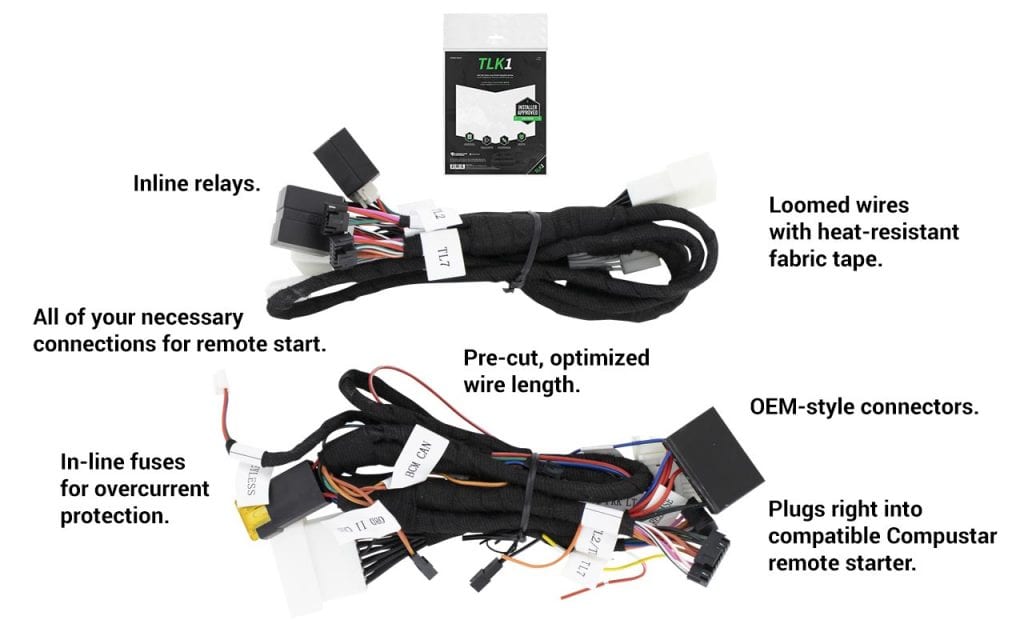
A Compustar remote starter uses a transmitter, a receiver (the brain), and vehicle interface wiring. The remote sends a coded signal to the brain. The brain then simulates keys-on steps to start the engine. Common outputs include starter engage, ignition, accessory power, and security bypass.
Knowing these parts makes Compustar Remote Starter Troubleshooting easier. When something fails, you trace signal flow from the remote to the brain, then from the brain to the vehicle. My experience shows that most failures are simple: dead remote battery, poor antenna placement, or a loose ground.
Common Problems with Compustar Remote Starters
Here are problems you will see most often:
- Remote does not respond at all
- Could be dead remote battery or transmitter fault.
- Remote starts the vehicle intermittently
- Often range or antenna issues.
- Engine cranks but does not stay running
- Tach or RPM sense issue, or fuel/ignition interlock.
- False starts or unwanted starts
- Wiring short or module fault.
- Remote shows errors or blinking codes
- Module diagnostic codes can guide fixes.
- Vehicle won’t lock/unlock with remote
- Door lock wiring or programming issue.
Each of these symptoms guides your Compustar Remote Starter Troubleshooting path. Start simple, then move to deeper tests.
Quick Basic Checks Before Troubleshooting
Run these fast checks first to save time:
- Check remote battery
- Replace with a fresh battery and retest.
- Confirm valet mode is off
- Valet blocks remote starts.
- Inspect hood pin and brake switch
- If hood is open or brake is pressed the system won’t start.
- Check vehicle battery voltage
- Low voltage can stop remote start from working.
- Verify fuses and ground connections
- Look for blown fuses and loose grounds.
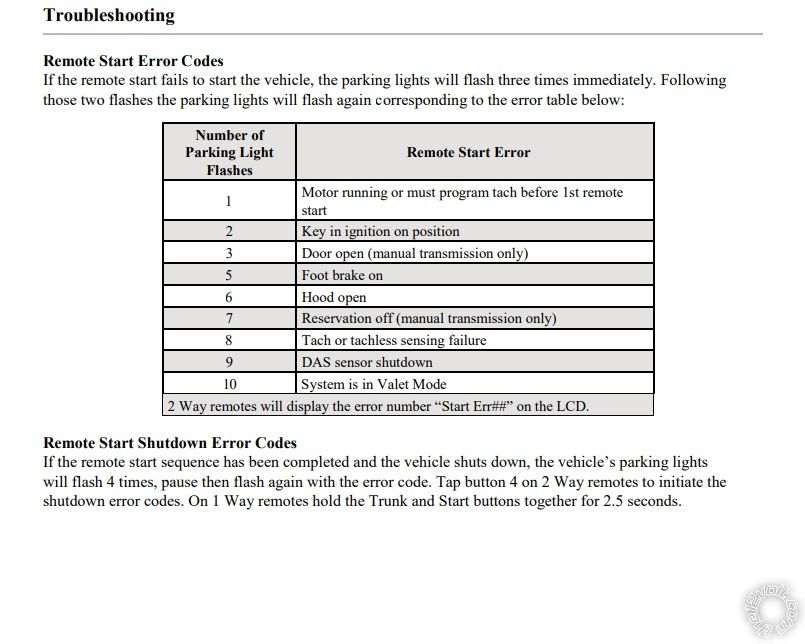
- Observe module LED behavior
- Blink patterns often point to errors.
These simple checks solve many Compustar Remote Starter Troubleshooting cases. I always start here because it eliminates 70% of common faults.

Step-by-Step Troubleshooting Guide
Follow this order for structured troubleshooting:
- Confirm remote signal
- Stand near the vehicle and press start. Watch for LED blink or horn chirp.
- Test basic functions
- Lock/unlock and trunk commands. If those work, the radio link is fine.
- Check module LED codes
- Turn ignition on and follow Compustar LED code procedure to read diagnostics.
- Verify power and ground at the brain
- Use a multimeter for constant +12V and ignition-switched +12V.
- Check starter and ignition outputs
- Measure voltage when remote start is activated. Starter output should show near-battery voltage.
- Confirm tach or RPM input
- If the engine cranks but dies, the module may not see RPM. Test tach wire for pulsed voltage when engine runs.
- Inspect wiring harness and connectors
– Look for chafed wires, corrosion, and poor crimps. - Relearn or reprogram remotes
- Sometimes remotes lose pairing and need reprogramming.
I once fixed a Compustar unit where the brain had a weak ground. Tightening the ground solved erratic starts instantly. Small fixes like that are common.

Advanced Diagnostics and Tools
When basics fail, use tools and deeper tests:
- Multimeter
- Check voltages, continuity, and grounds.
- Test light
- Quick starter and ignition output tests.
- OBD2 scanner
- Check for body or immobilizer faults that block remote start.
- Oscilloscope
- Verify tach signal shape when diagnosing RPM sense issues.
- Wiring diagram and module manual
- Confirm pinouts and color codes.
Keep safety in mind. Disconnect the battery when doing heavy wiring work. For complex CAN-bus vehicles, advanced tools or dealer-level diagnostics are often required.
Reprogramming, Resets, and Software Issues
If remotes act strange, try these steps:
- Remote re-pairing
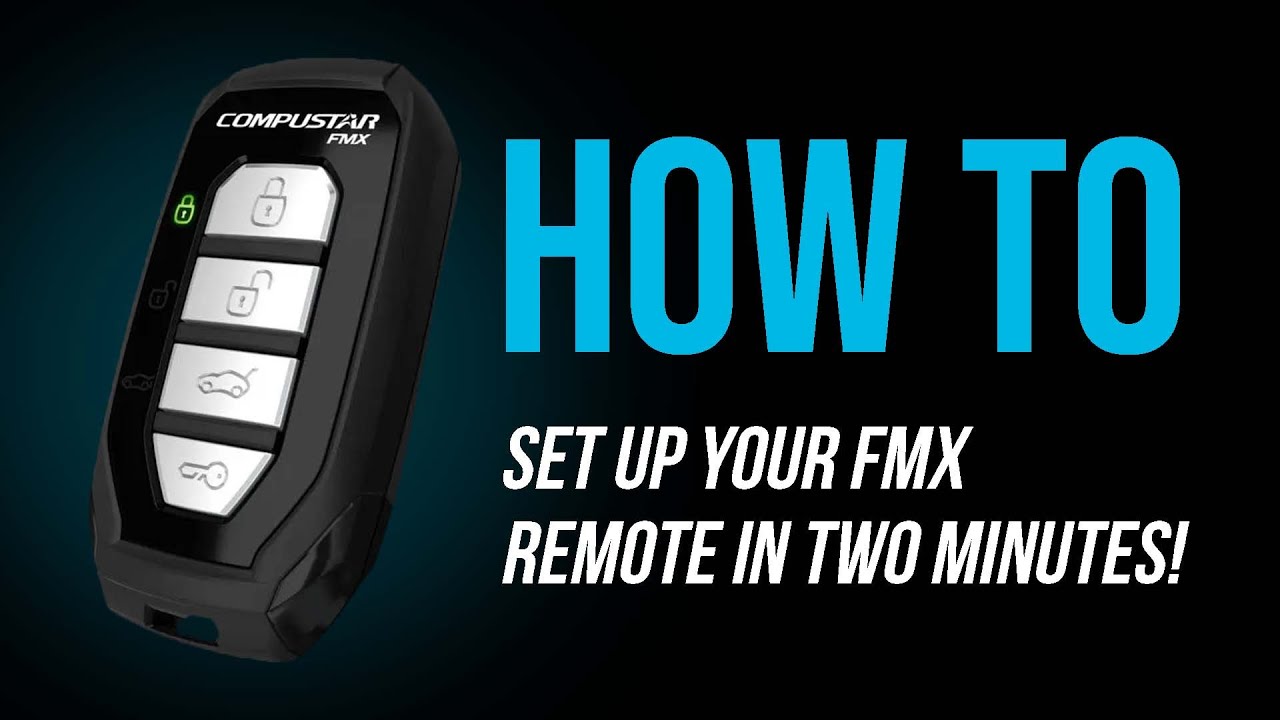
- Follow Compustar pairing steps to relearn remotes to the brain.
- Factory reset of brain module
- Some modules allow a reset, clearing odd states.
- Firmware updates
- Dealers or installers can update module firmware that fixes bugs.
- Check for module corruption
- If flashing fails or module behaves oddly, a replacement may be needed.
Reprogramming often fixes communication glitches. I have reprogrammed units after battery replacements and solved non-start issues.

Installation and Wiring Issues
Common installation mistakes to watch for:
- Poor ground location
- Ground must be clean metal. Paint and rust block signals.
- Wrong wire taps
- Tapping the wrong ignition or accessory wire causes intermittent faults.
- Unfused power taps
- Always use fused connections at the battery or fuse box.
- Antenna placement
- Antenna behind metal or deep in the dash reduces range.
- Ignition/starter swapping
- Mixing up starter and ignition wires can cause engine cranking errors.
If the unit was installed by a DIYer, double-check each connection. Professional installers follow a wiring diagram and secure each wire. That reduces future Compustar Remote Starter Troubleshooting.

Maintenance Tips to Prevent Future Issues
Small habits prevent many problems:
- Change remote battery yearly
- A fresh battery keeps signal strength strong.
- Keep module dry and secure
- Moisture and vibration shorten module life.
- Check vehicle battery health
- A weak car battery causes many false errors.
- Inspect wiring yearly
- Look for wear after heat cycles and road vibration.
- Update firmware when available
- Keeps compatibility with newer remotes and vehicles.
Routine care reduces the time you spend on Compustar Remote Starter Troubleshooting. It also keeps the system reliable in winter and summer.

When to Call a Professional
Hire a pro if you see any of these:
- Module shows persistent error codes after basic fixes.
- You find complex wiring on modern CAN-bus systems.
- Reprogramming or firmware update is required.
- The vehicle’s immobilizer or dealer-level security blocks remote start.
- You are not comfortable testing starter or ignition circuits.
A certified installer has the tools and experience. They can test safely and avoid damage to your vehicle electrical system.
Frequently Asked Questions of Compustar Remote Starter Troubleshooting
What do I do if my Compustar remote won’t start the car but locks/unlocks fine?
If lock/unlock works but remote start does not, check the hood switch, brake switch, and tach input. Also ensure the module sees proper ignition and starter voltages.
How do I read Compustar module LED codes?
Put the module into diagnostic mode per the manual and count blinks and pauses. The blink pattern maps to specific errors in the service guide.
Can I replace the remote battery myself?
Yes. Use the correct battery type listed in the manual, usually a CR2032 or similar. Replace carefully to avoid damaging the transmitter seals.
Why does the remote start work sometimes and fail other times?
Intermittent failures often mean poor antenna placement, weak module ground, or a failing vehicle battery. Run basic checks and inspect wiring.
Will a vehicle software update affect my Compustar unit?
Yes. Dealer updates can change immobilizer behavior or CAN messaging. After major vehicle updates, reprogramming or firmware updates to the Compustar may be needed.
How long should a Compustar remote battery last?
Expect one to two years depending on use and signal strength. Heavy daily use shortens life substantially.
Conclusion
You can diagnose most Compustar Remote Starter Troubleshooting issues with simple checks and a methodical approach. Start with batteries, valet mode, and basic wiring, then move into diagnostics, LED codes, and tool-based tests. If the problem is complex or tied to vehicle security, call a professional. Follow the tips here to avoid common mistakes and keep your remote start reliable. Try the steps, and if you get stuck, leave a comment or contact a certified installer for help.

